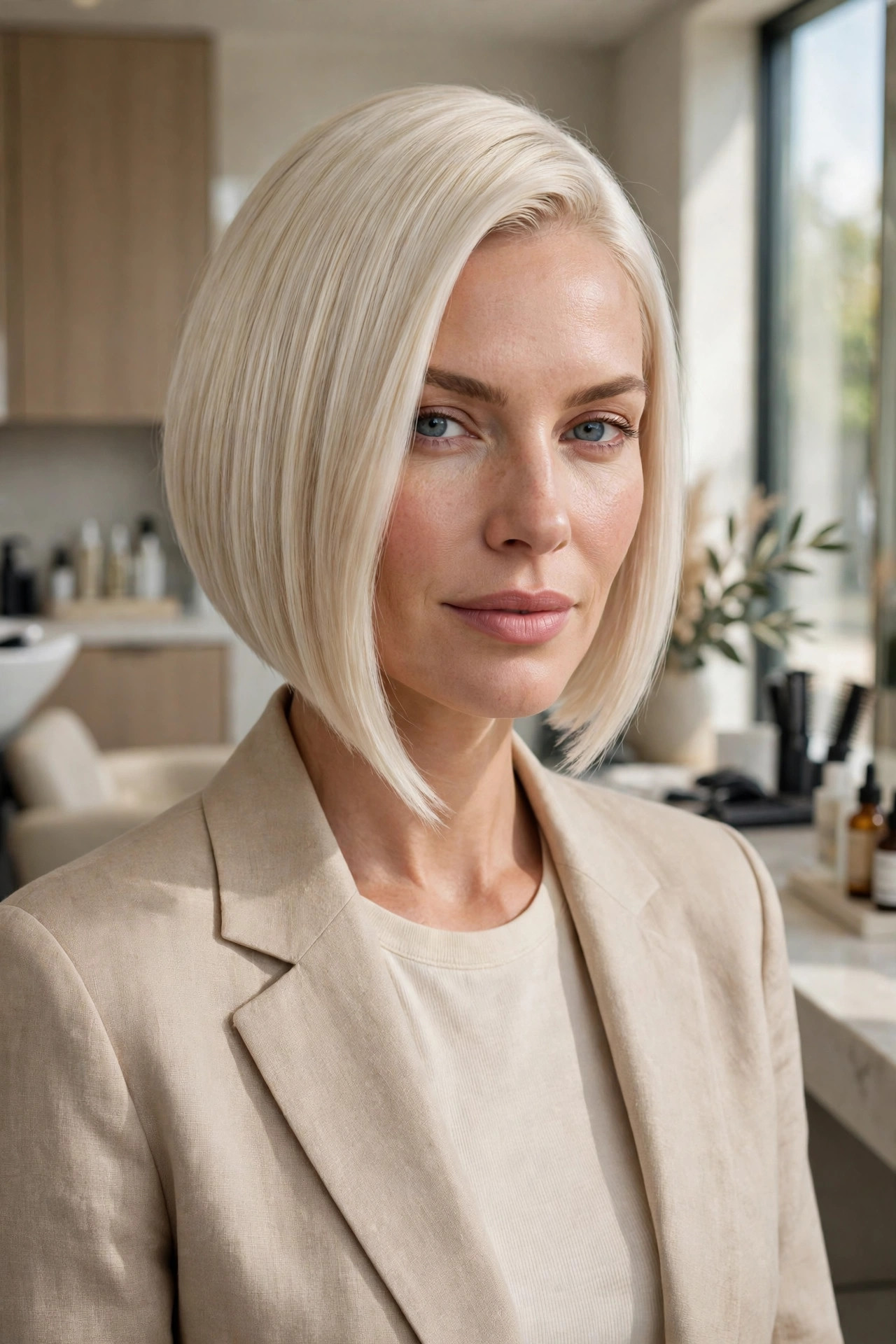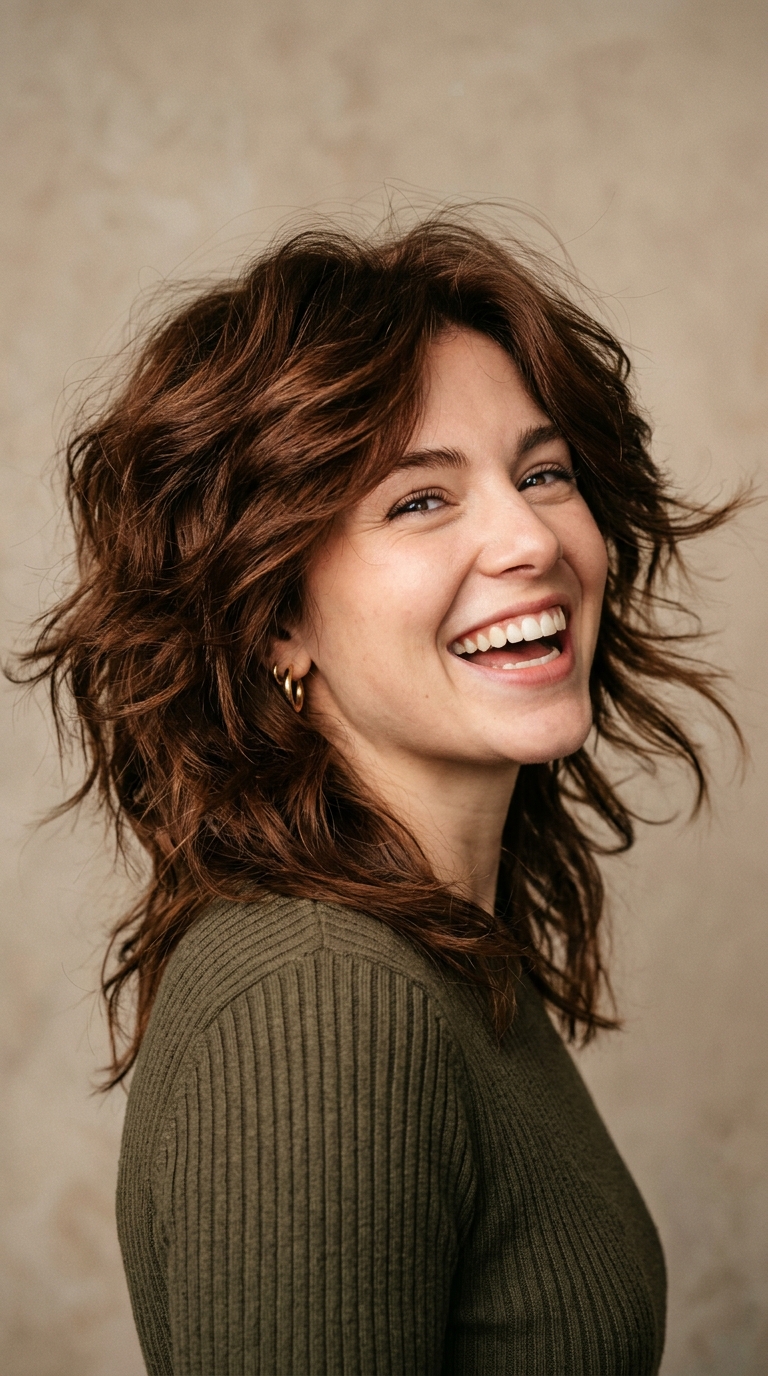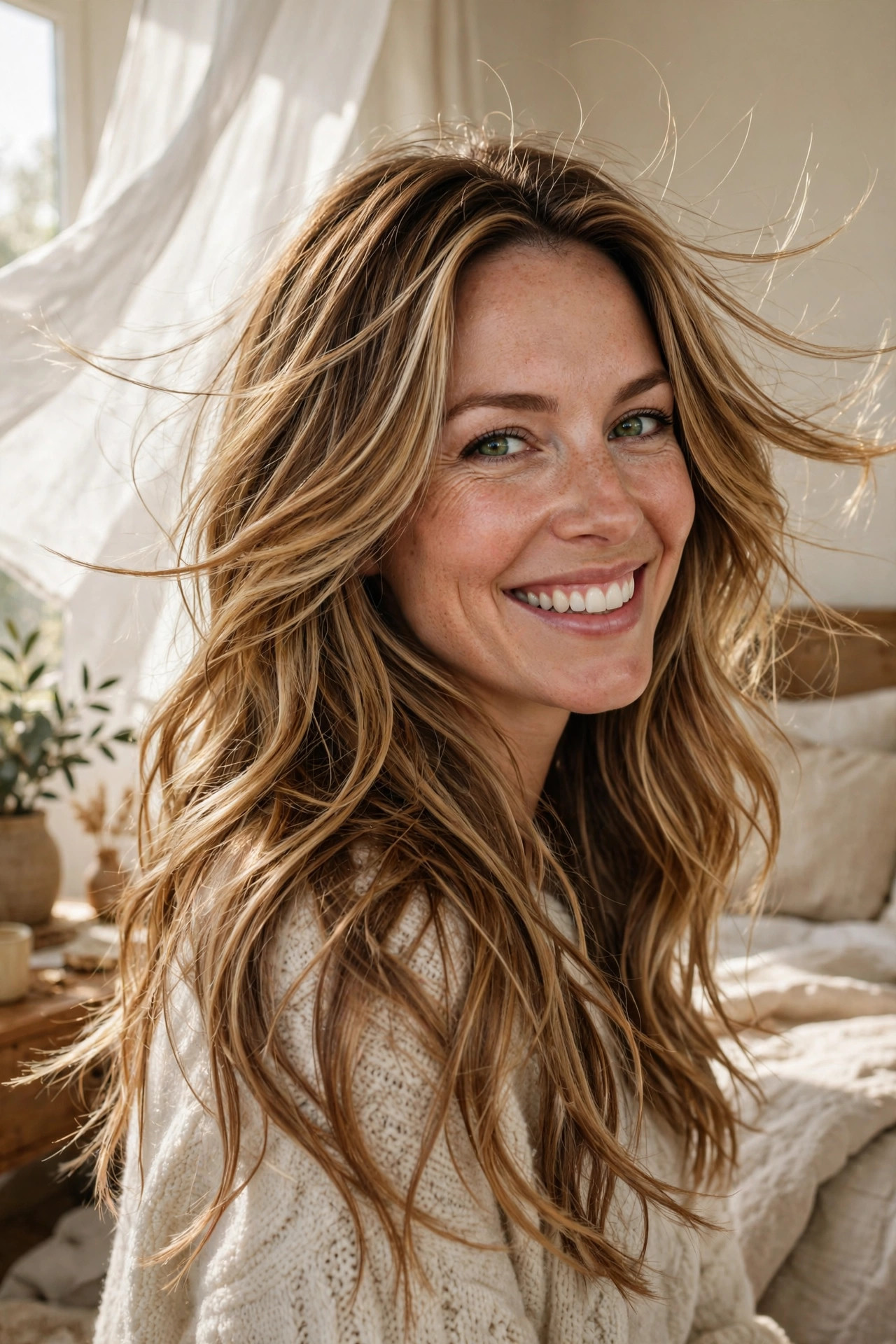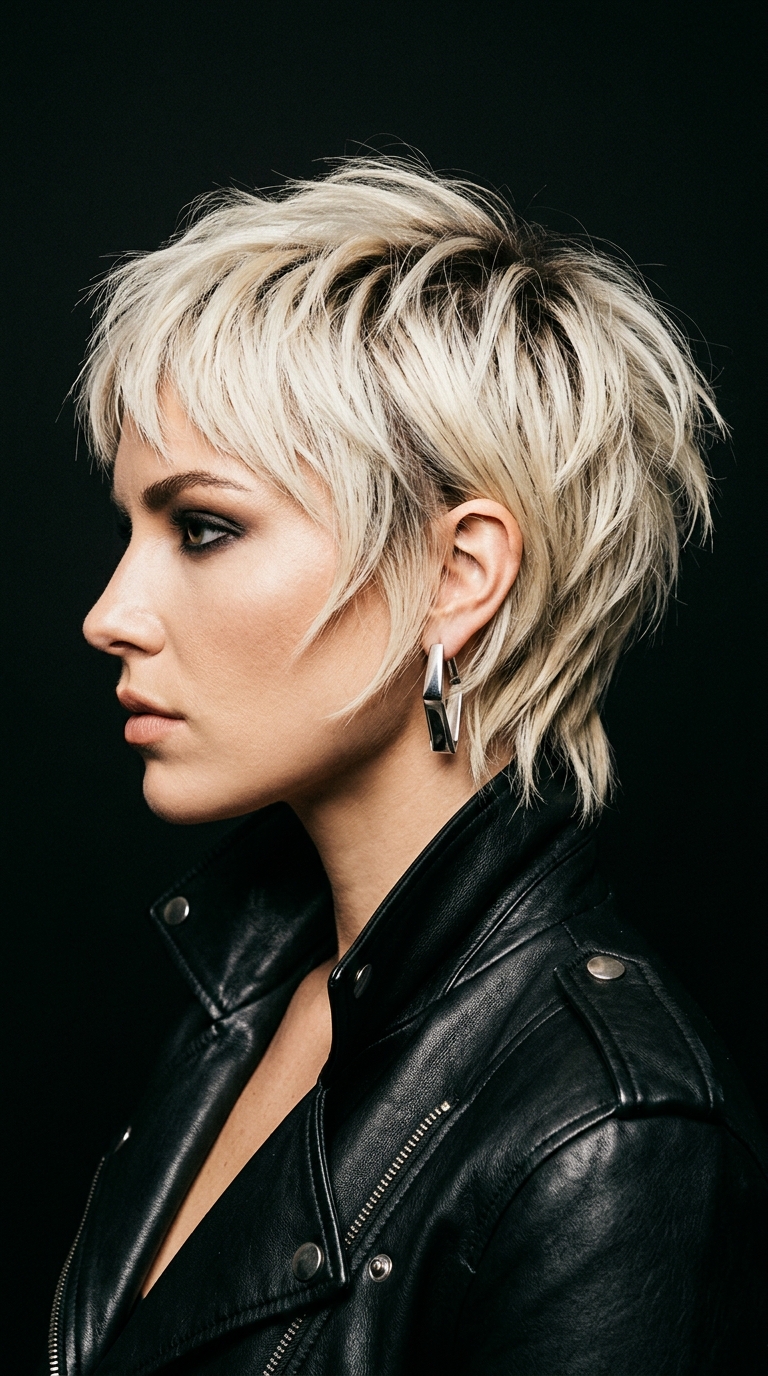
Choosing between two very similar short cuts can feel confusing, and textured bob vs layered bob is one of the most common comparisons women bring to the salon. Both styles sit around the chin or jaw, both add movement, and both look fresh and modern, yet they are built in different ways and behave differently day to day. This guide explains each cut in plain language, compares shape, volume, styling, and upkeep, and helps you decide which version suits your hair type, face shape, and lifestyle best. By the end, you will know exactly what to ask for at your next appointment.
Length and Shape

- Both cuts usually sit between the chin and the collarbone.
- A layered version often shows clearer steps and a graduated outline.
- A textured version keeps a softer, less obvious perimeter.
- Length can be adjusted to flatter the jawline and neck.
Length is the first thing most women notice, because both cuts live in the same short zone, yet their outlines tell a different story once the hair settles. A layered cut usually shows a clearer shape, with shorter pieces at the crown and longer pieces framing the face, so the silhouette looks deliberate and sculpted from every angle. A textured cut keeps the outline softer, with ends that break apart instead of forming one solid line, which makes the whole shape feel lighter and less formal. That contrast explains why the two cuts photograph so differently.
When you sit in the stylist chair, talk about length before anything else, because a centimetre at the jaw can change how the cut frames your cheekbones and neck. Chin length feels bold and graphic, while a slightly longer version near the collarbone feels softer and easier to grow out. Bring photos that show the exact length you want from the front and the side, and ask how the shape will sit once your natural wave or curl returns. A photo from the back also helps, since the nape shape changes the whole silhouette.
Volume and Texture

- Layers at the crown create lift and height.
- Texture through the ends creates air and separation.
- Fine hair gains the illusion of fullness from both.
- Thick hair feels lighter when bulk is removed.
Volume is where these two cuts really start to part ways, because they build fullness in different places and for different reasons. Layering lifts the crown and shapes the sides, so the hair gains height and structure that holds through the day. Texturing, by contrast, creates air between the strands, so the hair looks fuller through movement and shadow rather than through a tall, sculpted shape. Both approaches can rescue flat hair, but the result feels quite different. Stylists often test both effects during a consultation, lifting the crown first and then softening the ends to compare.
Fine hair usually loves a careful mix, with a few long layers for lift and light texture at the ends so the perimeter stays thick. Thick hair benefits more from internal layers and texture that remove weight, stopping the cut from turning into a heavy triangle. Ask your stylist to show you how the volume behaves when the hair is air-dried, because a cut that only looks full after a blowout will disappoint on busy mornings. Bring a photo of your hair on a normal day, not just a salon-perfect shot, so the stylist sees its real behaviour.
Cutting Technique Basics
- Layered cuts use horizontal sections and graduated lengths.
- Textured cuts use vertical point cutting or razor work.
- Many stylists combine both methods in one cut.
- The right technique depends on your hair density.
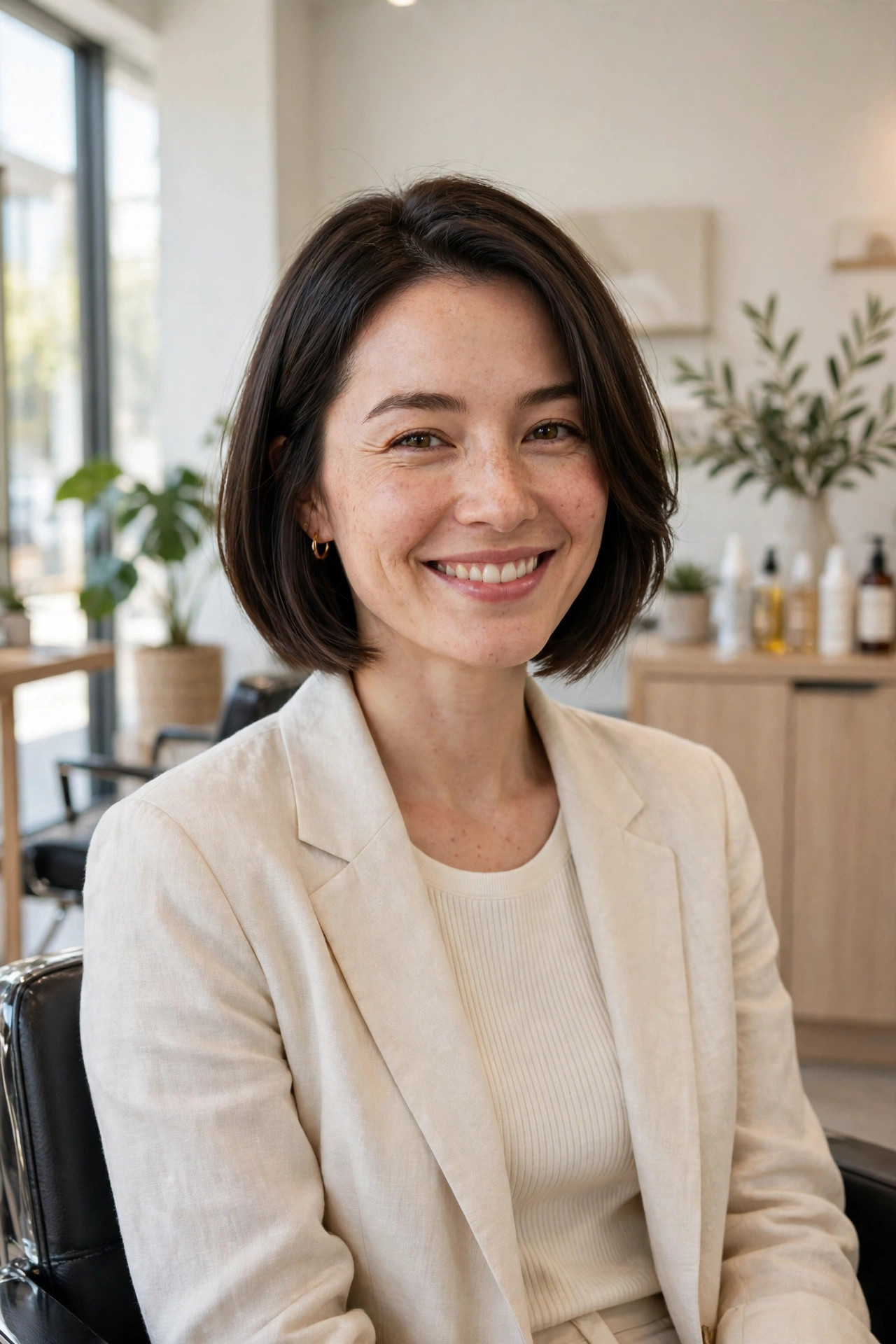
The cutting technique is the real difference between these styles, even though the finished looks can seem close at first glance. For a layered cut, the stylist works in horizontal sections, cutting shorter pieces on top and longer pieces underneath to build shape and remove weight in a controlled way. For a textured cut, the stylist often holds the shears vertically and point-cuts into the ends, or uses a razor, creating varied lengths that break up the outline and add a soft, piecey finish. The tools matter too, since razors and shears create visibly different edges.
Most modern bobs actually blend the two methods, which is why the terms get mixed up so often in salons and online. A stylist might build the shape with layers first, then add texture through the mid-lengths and ends so the layers look less obvious and the cut moves more freely. When you book, describe the finish you want rather than the label, and explore our bob hairstyles guide for photos that show each technique clearly before your appointment. Good communication matters more than the label, so describe the finish and the upkeep you can manage.
Styling and Finish

- Layered cuts often look polished after a blowout.
- Textured cuts shine with air drying and waves.
- A round brush adds smoothness and curve.
- Texturising spray adds grip and separation.
Styling is where your daily routine decides which cut will actually make you happy, because a beautiful salon finish means little if you cannot repeat it at home. A layered cut usually rewards a round brush and a blow dryer, giving a smooth, bouncy shape with curved ends and a polished outline. A textured cut is far more forgiving, looking its best when you scrunch in a little cream or spray and let the hair dry naturally into soft, undone waves. A quick trial at home with your usual products will show which finish suits your routine.
Think honestly about how much time you spend on your hair each morning before you choose. If you love a sleek, salon-smooth finish and own a good dryer, layering will serve you well. If you prefer wash-and-go mornings, texture is the kinder option, since the cut is designed to look intentional even slightly messy. Either way, a pea-sized amount of lightweight product is usually enough, because heavy creams flatten both styles quickly. Keep a small bottle of texturising spray in your bag for midday touch-ups, especially on humid days when smooth styles tend to fall flat and lose their shape.
Best Hair Types

- Straight hair shows layered shapes most clearly.
- Wavy hair loves texture and natural movement.
- Curly hair needs careful, dry cutting.
- Thick hair needs weight removed inside.
Hair type matters more than almost anything else when you compare these cuts, because the same technique behaves differently on straight, wavy, and curly hair. Straight hair shows layered shapes beautifully, with each step visible and the outline crisp, while texture can look subtle unless the ends are cut with real variation. Wavy hair is the natural home of texture, since the cut works with the bend instead of fighting it, giving an effortless, lived-in finish with very little styling effort. A consultation lets the stylist feel your density and see how your natural pattern falls.
Curly hair needs the most care, because layers cut wet can spring up shorter than expected, so many stylists prefer to shape curls dry and add texture sparingly. Thick hair, whether straight or wavy, usually needs internal layers to remove bulk, or the bob can puff outwards and lose its shape by midday. Fine hair sits at the other end, needing restraint, since too many short layers can make the ends look thin and wispy instead of full. Never rush this decision, because the wrong technique on curly or very fine hair is hard to disguise until it grows.
Face Shape Guide

- Longer front pieces slim a round face.
- Side parts add height and asymmetry.
- Curtain bangs soften a square jawline.
- Chin length highlights cheekbones beautifully.
Face shape is the quiet factor that decides whether a bob flatters you or fights you, and small adjustments make a large difference. Longer front pieces and a deep side part can slim a round face, because the diagonal line draws the eye downward and adds height at the crown. A square jawline softens with curtain bangs and face-framing layers that break up strong angles, while an oval face can wear almost any length, from a sharp chin-length cut to a softer, longer version. Small tweaks to length and parting can completely change how the cut flatters you.
The best approach is to bring photos of women with a similar face shape and hair texture to yours, rather than photos of a celebrity whose features are completely different. Your stylist can then adjust the length, the parting, and the amount of texture around the face to suit you. A good cut should frame your cheekbones, open up your eyes, and still look balanced when you tuck one side behind your ear. Ask your stylist to show you the cut from several angles before you leave, so you can see the balance from every side.
Maintenance and Grow-Out

- Textured cuts usually grow out more softly.
- Layered cuts show steps sooner as hair grows.
- Trims every six to eight weeks hold shape.
- A good cut should survive between appointments.
Maintenance is the practical side of the decision, and it often surprises women who fall in love with a photo but hate the upkeep. A textured cut usually grows out gracefully, because the broken ends and soft outline blur as the hair gets longer, so you can stretch appointments a little further. A layered cut shows its steps sooner, since the shorter pieces grow at the same rate but the shape loosens, and the silhouette can start to look shaggy rather than intentional. That softer grow-out is a big reason many busy women choose the textured finish.
Plan on a trim every six to eight weeks if you want either cut to keep its shape, though a textured version may forgive a missed appointment more easily. Between visits, keep the ends healthy with regular conditioning and minimal heat, because split ends make layers look frizzy and texture look messy rather than artful. A silk pillowcase and a gentle brush also help, since they reduce breakage that ruins the outline of any short cut. A leave-in conditioner once a week keeps the ends smooth and helps the shape last between trims.
Everyday Styling Routine

- Wash with a lightweight volumising shampoo.
- Rough dry until the hair is mostly dry.
- Add texture spray or cream sparingly.
- Finish with a light hold spray.
An everyday routine should take minutes, not half an hour, and both cuts can be quick once you know the right order of steps. Start with a lightweight shampoo that will not weigh the hair down, then rough-dry with your fingers until the hair is about eighty percent dry, lifting at the roots as you go. For a layered cut, finish with a round brush on the top sections only, while a textured cut usually needs just a scrunch of cream through the ends to wake up the movement. Practice the routine twice and it soon becomes second nature.
The products you choose matter as much as the technique, because short hair shows build-up quickly and heavy formulas flatten volume within hours. A dry texturising spray on day two can revive both styles without another wash, adding grip and separation where the hair has gone flat overnight. Keep heat tools on a medium setting and use them sparingly, since daily high heat thins the ends and makes any bob look tired far sooner than it should. On busy mornings, a quick blast with the dryer at the roots is often all either style needs.
Salon Visit Frequency
- Short bobs need reshaping every six weeks.
- Longer bobs can stretch to eight weeks.
- Book the next trim before you leave.
- Tell your stylist how the cut grew out.
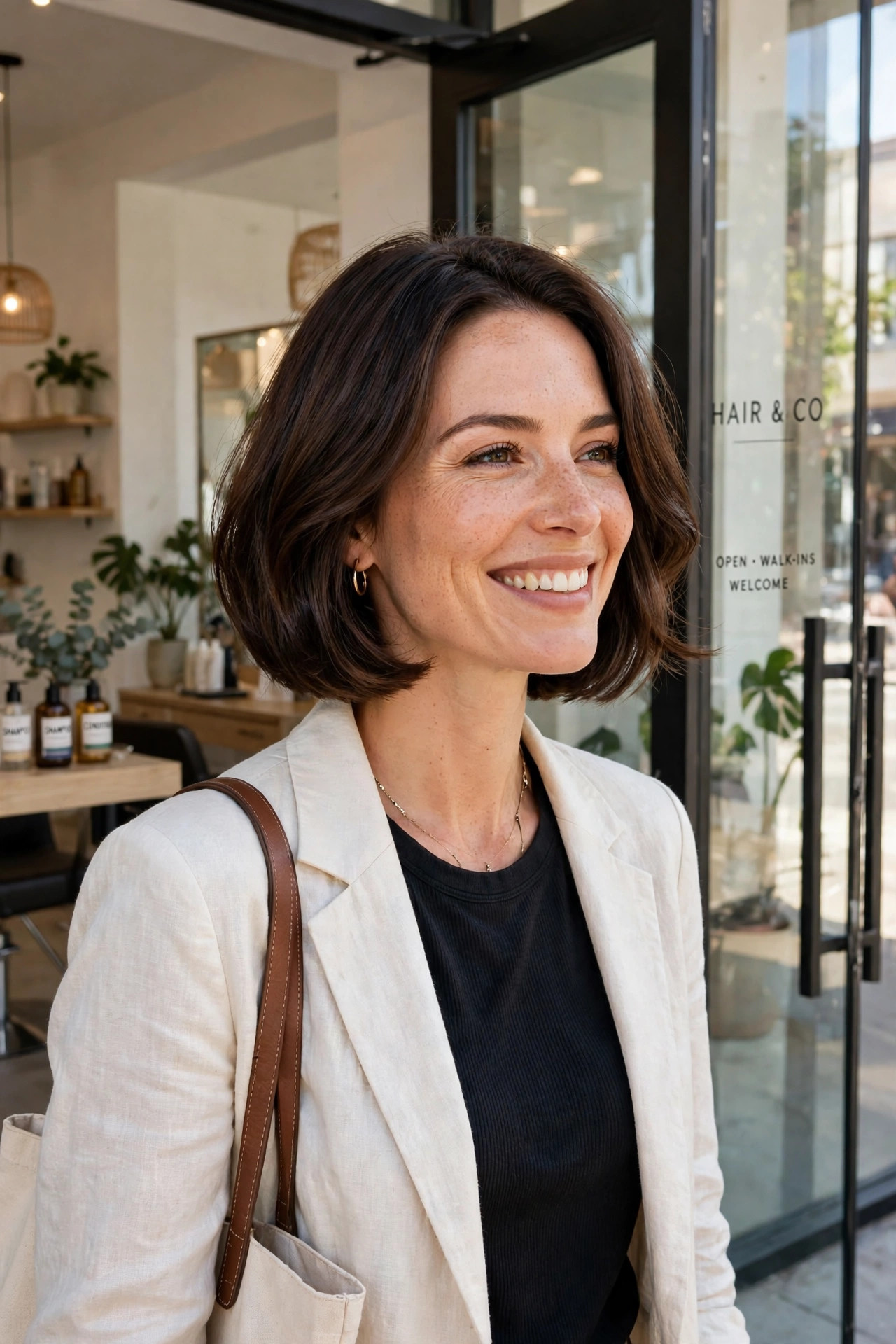
How often you visit the salon depends on the length you choose and how quickly your hair grows, but a little planning keeps either cut looking intentional. A chin-length bob usually needs reshaping every six weeks, because even a small amount of growth changes the outline and the way the ends sit against the jaw. A longer bob near the collarbone can often stretch to eight weeks, especially in a textured version where the soft ends hide new growth gracefully. Your growth rate matters too, since fast-growing hair changes the outline sooner.
The smartest habit is to book your next trim before you leave the salon, so the shape never drifts too far between appointments. At each visit, tell your stylist honestly how the cut behaved at home, which parts fell flat, and whether the layers grew out evenly, because that feedback shapes the next cut. For more ideas on keeping short styles fresh, browse our short bob hairstyles collection for looks that grow out beautifully between trims. Honest feedback at each appointment helps your stylist refine the cut to suit your real life.
Colour and Dimension

- Balayage adds depth to layered cuts.
- Highlights make texture look more visible.
- Gloss treatments boost shine and softness.
- Colour should suit your skin tone.
Colour can transform either cut, because highlights and lowlights create the light and shadow that make layers and texture visible to the eye. Balayage works beautifully on a layered bob, with hand-painted pieces following the shape of the layers and adding depth through the mid-lengths. On a textured bob, soft highlights through the ends emphasise the piecey separation, so the cut looks dimensional even in flat indoor light, which is a lovely bonus on grey winter days. Ask to see colour swatches in natural light before you commit to a new shade.
Choose colour that flatters your skin tone and fits your maintenance budget, since high-contrast highlights need regular toning and root care. A subtle gloss or a few face-framing pieces can refresh either cut without a full colour appointment, and they grow out far more gracefully than a solid block of colour. Always ask your colourist to place the lightest pieces where the cut moves most, because that is where the light catches and the texture truly shows. A gloss between colour appointments keeps the shade fresh without a full recolour.
Choosing Your Version
- List your top three hair priorities.
- Match the cut to your styling time.
- Consider your hair density honestly.
- Save photos that match your features.
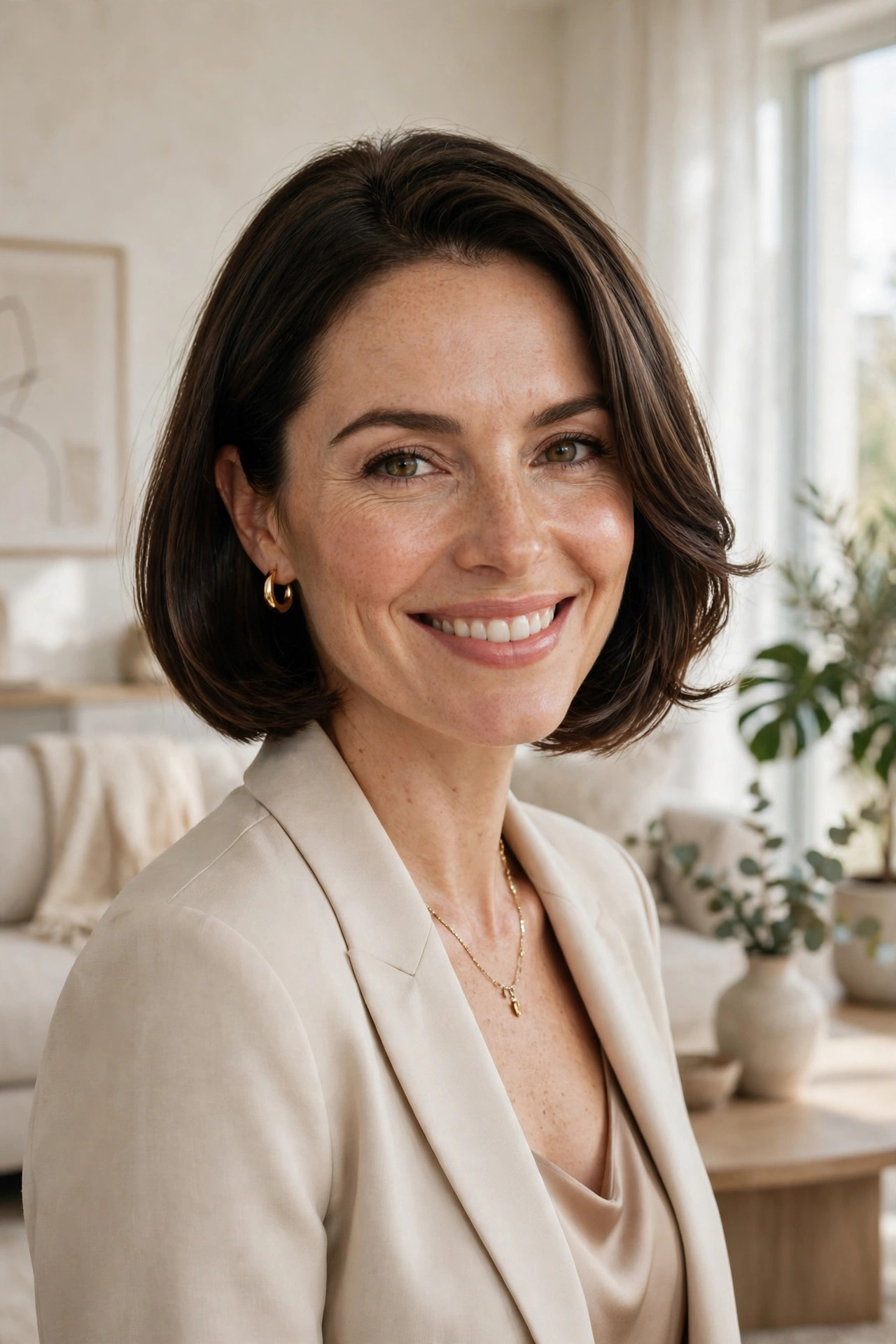
Choosing between the two comes down to an honest look at your hair, your mornings, and the finish you love most when you catch your reflection. If you want a polished, sculpted shape with clear layers and you enjoy blow-drying, the layered version will feel like it was made for you. If you prefer a relaxed, undone finish that looks good air-dried and grows out softly, the textured version is the easier companion, especially when your hair already has a natural wave or bend. Your lifestyle should weigh as heavily as the photos you save for inspiration.
Make the decision with your stylist, not from a single photo, because they can feel your density, see your growth pattern, and test how your hair falls naturally. Ask for a consultation before the cut, bring two or three photos you love, and name the one thing you want most, whether that is volume, easy mornings, or a softer outline. The right choice is the one you will still love on a rushed Tuesday morning, not just in the salon mirror. A trial blow-dry in the salon can also show how each version behaves on your hair.
Combining Both Techniques

- Layers build the shape underneath.
- Texture softens the surface and ends.
- The blend suits most hair types.
- Ask for texture only where needed.
The happiest ending for many women is not choosing one technique at all, but letting the stylist combine both in a single cut tailored to their hair. Layers build the shape underneath, giving lift at the crown and a clear silhouette, while texture softens the surface, breaking up the ends so the layers never look harsh or step-like. This blend is why so many salon bobs look both polished and effortless at once, with structure you can feel and movement you can see. That balance is what makes the blended cut feel modern without looking overdone.
When you ask for the combination, be specific about where you want each effect, because texture through the whole head can thin fine hair, while layers alone can look too neat on wavy hair. A good stylist will layer the crown and the front, then add texture only through the mid-lengths and ends where the hair needs air. The result is a cut that holds its shape, moves freely, and still looks like you on your best and your busiest days alike. Keep the conversation open at every appointment, since your hair and preferences change over time.
Both cuts deserve their popularity, because each one solves a different problem beautifully, and textured bob vs layered bob is really a question of finish rather than fashion. Layers give you shape, lift, and a polished outline, while texture gives you softness, movement, and an easy grow-out that forgives busy weeks. Talk through your hair type, face shape, and morning routine with your stylist, bring photos you love, and choose the version you will enjoy every day. Whichever finish you choose, a skilled stylist can tailor the length, layers, and texture to your features, so book a consultation and enjoy a fresh, flattering cut.
FAQ
How long does a bob haircut usually last before it needs a trim?
Most bobs hold their shape for six to eight weeks, depending on length and how fast your hair grows. Chin-length cuts need reshaping sooner, while longer versions and softer finishes can stretch a little further between appointments with regular conditioning and gentle styling.
Is a layered cut good for thin hair?
Yes, when the layers are kept long and light, because they lift the crown without thinning the ends. Ask for only a few layers near the top and around the face, keep the perimeter solid, and avoid heavy razor work that can make fine strands look sparse.
Can I combine layers and texture in one haircut?
Absolutely, and many stylists do exactly that, building shape with layers first and then softening the ends with light texture. The blend gives lift and movement together, so ask for texture only through the mid-lengths and ends where your hair needs air.
Which cut is easier to style every morning?
The softer, piecey finish is usually quicker, since it looks intentional air-dried with a little cream or spray. A more sculpted, layered shape often needs a round brush and dryer to look its best, so choose based on how much time you enjoy spending on styling.