
Hair steaming has become a popular wash-day ritual, and weighing up hair steaming pros and cons helps you decide whether the extra step is worth your time. The idea is simple: warm, moist air gently opens the cuticle so deep conditioners can sink in, leaving hair softer, smoother, and easier to manage. Fans say it transforms dry curls and revives thirsty ends, while skeptics warn about limp strands and over-moisturized hair. This guide walks through twelve honest points, from the real benefits for curly and low-porosity hair to the risks of steaming too often, plus a safe at-home routine you can try this weekend.
Steam Opens the Cuticle
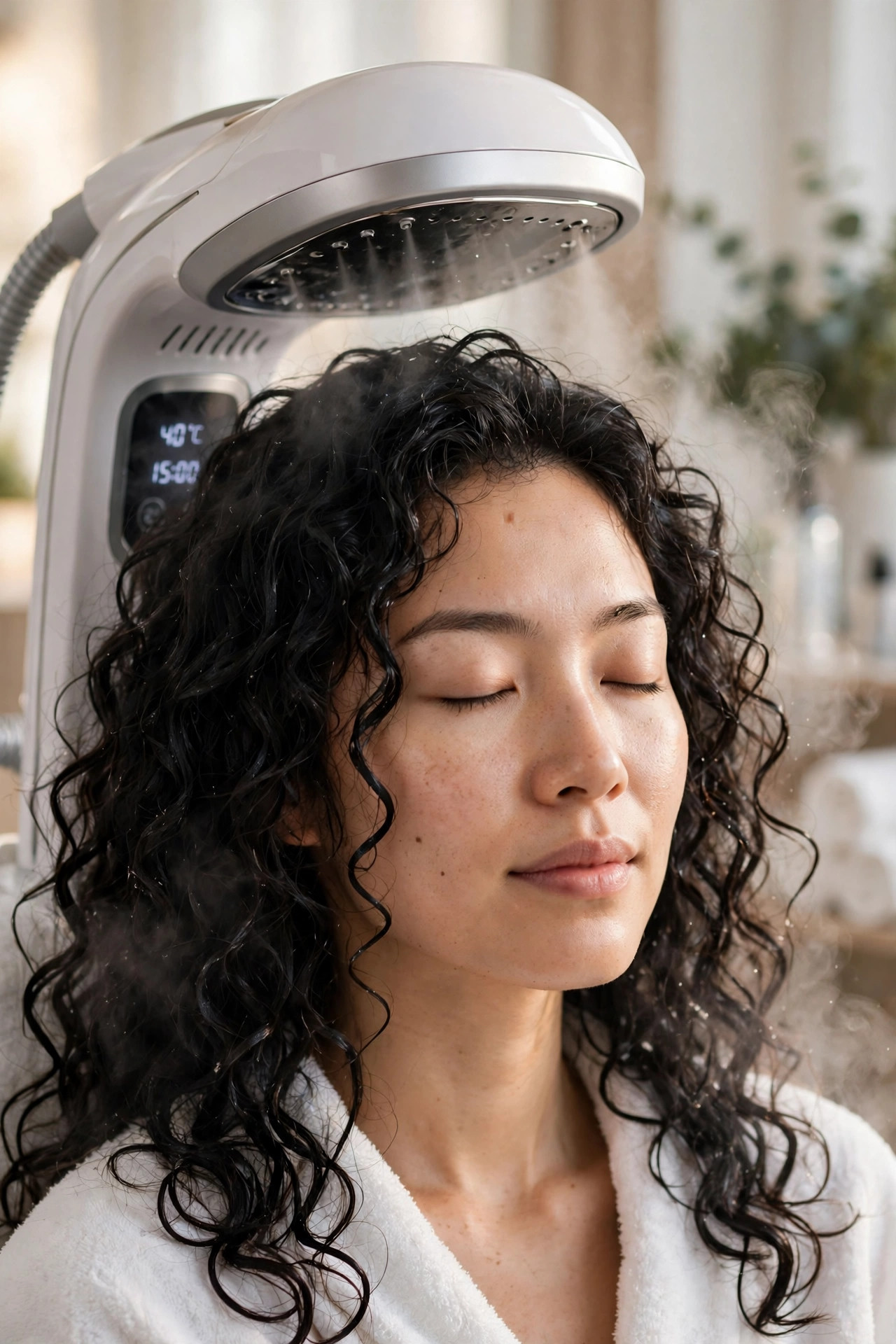
- Warm steam gently lifts the cuticle so moisture can reach the inner strand.
- Moist heat helps a deep conditioner spread evenly through thick hair.
- Steamed strands feel softer and more flexible right after the session.
- Use distilled water in your steamer to avoid mineral buildup on hair.
Warm steam works on a simple principle: heat plus moisture makes the hair shaft swell slightly and the cuticle scales lift, letting water and conditioner slip inside. Once the cuticle opens, a deep conditioning mask that might otherwise sit on the surface can spread through the strand and coat it evenly. That is why so many people notice their hair feels softer and more manageable after a single steam session, even when the mask alone did little. The effect is most obvious on thick, coily, or tightly curled hair, where natural oils travel slowly and inner layers often stay dry.
The lift is temporary, which is actually good news: once hair cools and dries, the cuticle settles back down and traps the moisture and conditioner inside. A cool rinse after steaming helps this process along, sealing the surface and adding shine. Dermatologists at the American Academy of Dermatology note that thick, curly hair is more prone to dryness and breakage than other types, which is why conditioning after every wash matters so much. Steam simply makes that conditioning step work harder. Think of it as a booster for your routine, not a replacement for regular care.
Deep Conditioning Works Better
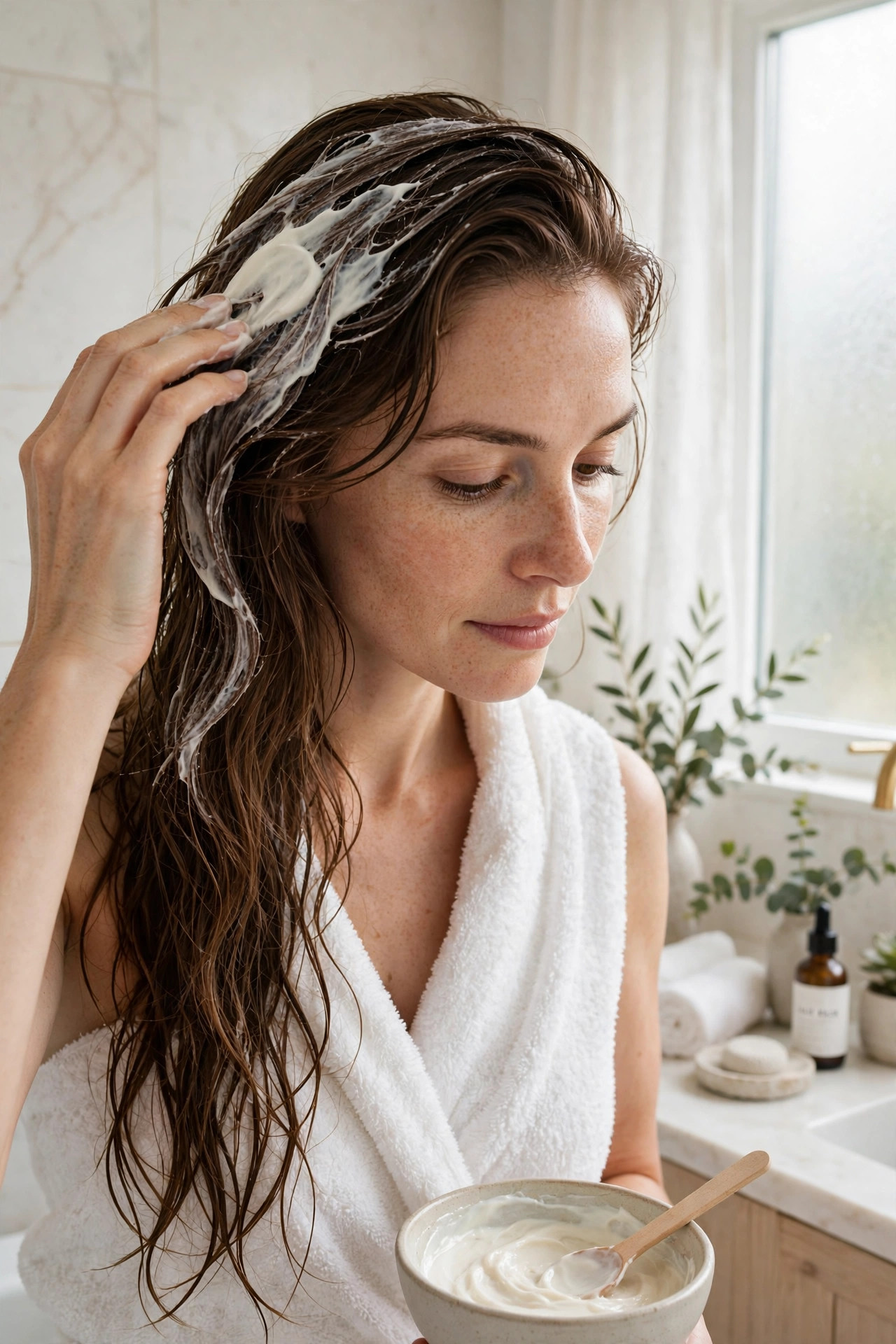
- Apply a rich mask before steaming, from mid-lengths to ends.
- Steam for 15 to 30 minutes so the mask can fully absorb.
- Choose masks with shea butter, argan oil, or avocado.
- Rinse with cool water to seal the cuticle afterward.
A deep conditioner is only as good as its absorption, and steam is where it earns its keep. Without heat, a thick mask often coats the outside of the strand and rinses away before it can do much good. Under gentle steam, the cuticle lifts and the mask spreads through hair more evenly, reaching the dry layers that need it most. Many people find their hair stays soft for days after a steamed mask, instead of feeling coated for an hour and dry again by morning. For anyone who deep conditions weekly, adding steam gets more from products you own.
Pair the mask with the right timing for even better results. Apply the mask to damp, freshly washed hair, then steam for fifteen to thirty minutes while the heat keeps the formula soft and spreadable. Fine hair should use a lighter mask and a shorter session, while thick or coily hair can handle richer formulas and the full thirty minutes. Rinse with cool water afterward to close the cuticle and lock everything in. For more wash-day ideas, see our guide to the best deep conditioner for dry hair, which compares rich masks for every texture and budget.
Low Porosity Hair Wins
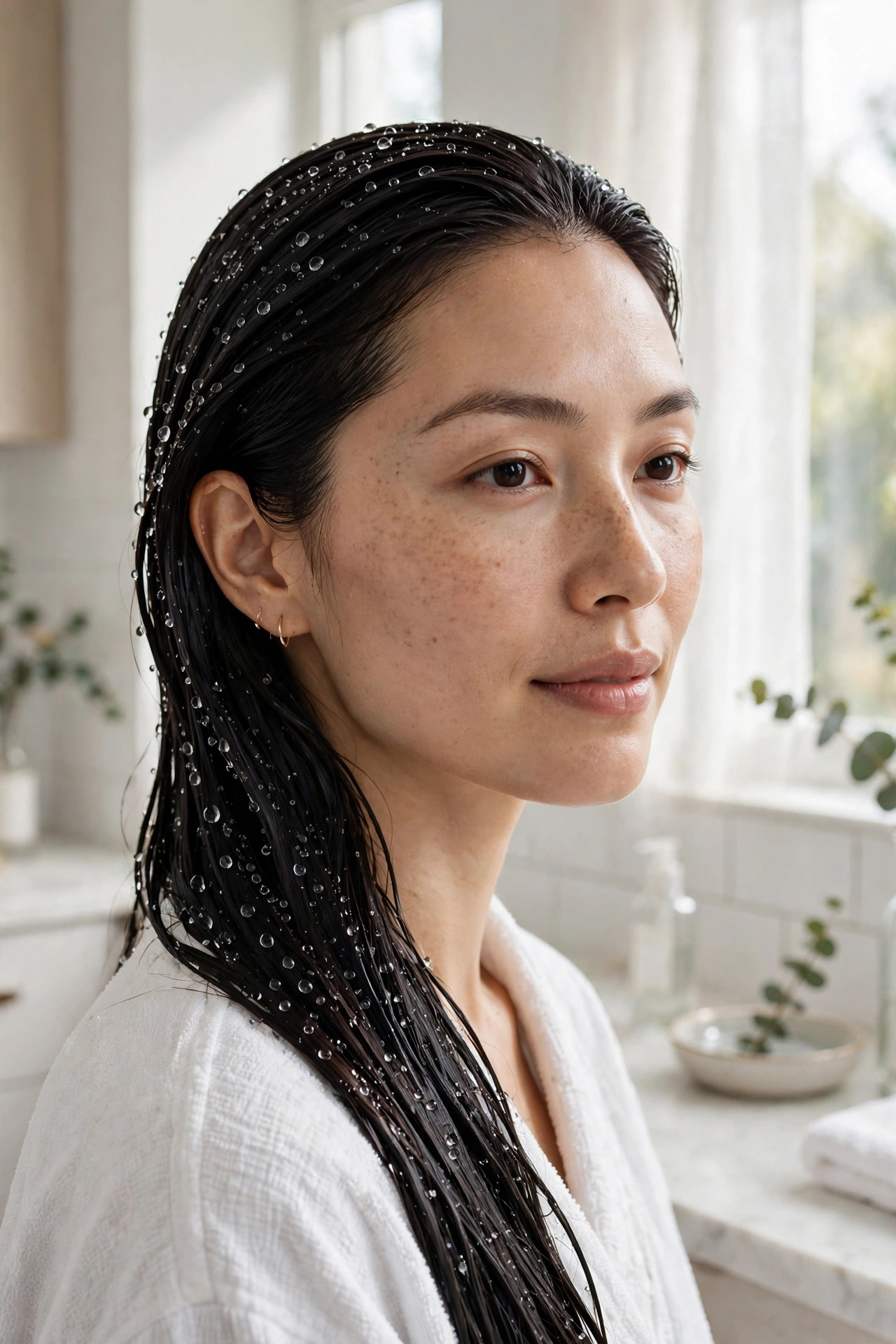
- Low porosity hair has a tightly packed cuticle that resists water.
- Steam helps moisture and conditioner slip past that tight surface.
- Products stop sitting greasy on top and start absorbing properly.
- Test your porosity with the float test before your first session.
Low-porosity hair is the type steaming is sold hardest to, and for once the reasoning holds together. Its cuticle scales lie flat and tight, so water beads on the surface and conditioner sits greasy on top instead of soaking in. Warm steam wets the head evenly and keeps the conditioner soft for twenty minutes, giving it time to pass that tight barrier. If your hair still feels dry in the middle after a long shower, or products seem to vanish without softening anything, steam is worth trying. This is the hair type where the benefit is hardest to argue against.
Steaming does not change your porosity, which is worth knowing before you buy a steamer. Low-porosity hair stays low porosity because of how its cuticle is built, and once hair dries it returns to its usual behavior. What steam does is give you a reliable window where products can actually get in, so the softness lasts longer after each session. Use a lightweight, water-based mask rather than a heavy butter, and keep sessions to once a week. Over time, consistent steaming plus the right products can make low-porosity hair noticeably easier to manage.
Softer Defined Curls

- Steam helps curls clump together instead of puffing apart.
- Hydrated curls hold their pattern longer between wash days.
- Steam before styling for softer, bouncier curls.
- Refresh second-day curls with a quick handheld steam.
Curly and coily hair often struggles to hold moisture, because natural oils travel down a curl slowly and the ends stay thirsty. Steam helps by wetting every layer evenly, including the inner sections a quick rinse can miss, so the whole head gets the same hydration. Well-hydrated curls clump into defined spirals instead of separating into frizz, and they keep their shape longer between wash days. Many curlies notice better volume and bounce after steaming, not just softness. For wash-and-go styles, a steam session before styling can be the difference between a good hair day and a great one.
The trick is to steam with product already in the hair, not on bare strands. Apply your leave-in or curl cream first, then let the steam drive it deeper into each curl clump. Once hair is dry, avoid touching the curls until they are fully set, since handling breaks the cast and invites frizz. A light oil scrunched over finished curls adds shine and seals the moisture in. Our curly hair routine guide explains product layering and porosity in detail, so you can build a wash day that keeps curls defined all week long.
Healthier Scalp, Less Buildup
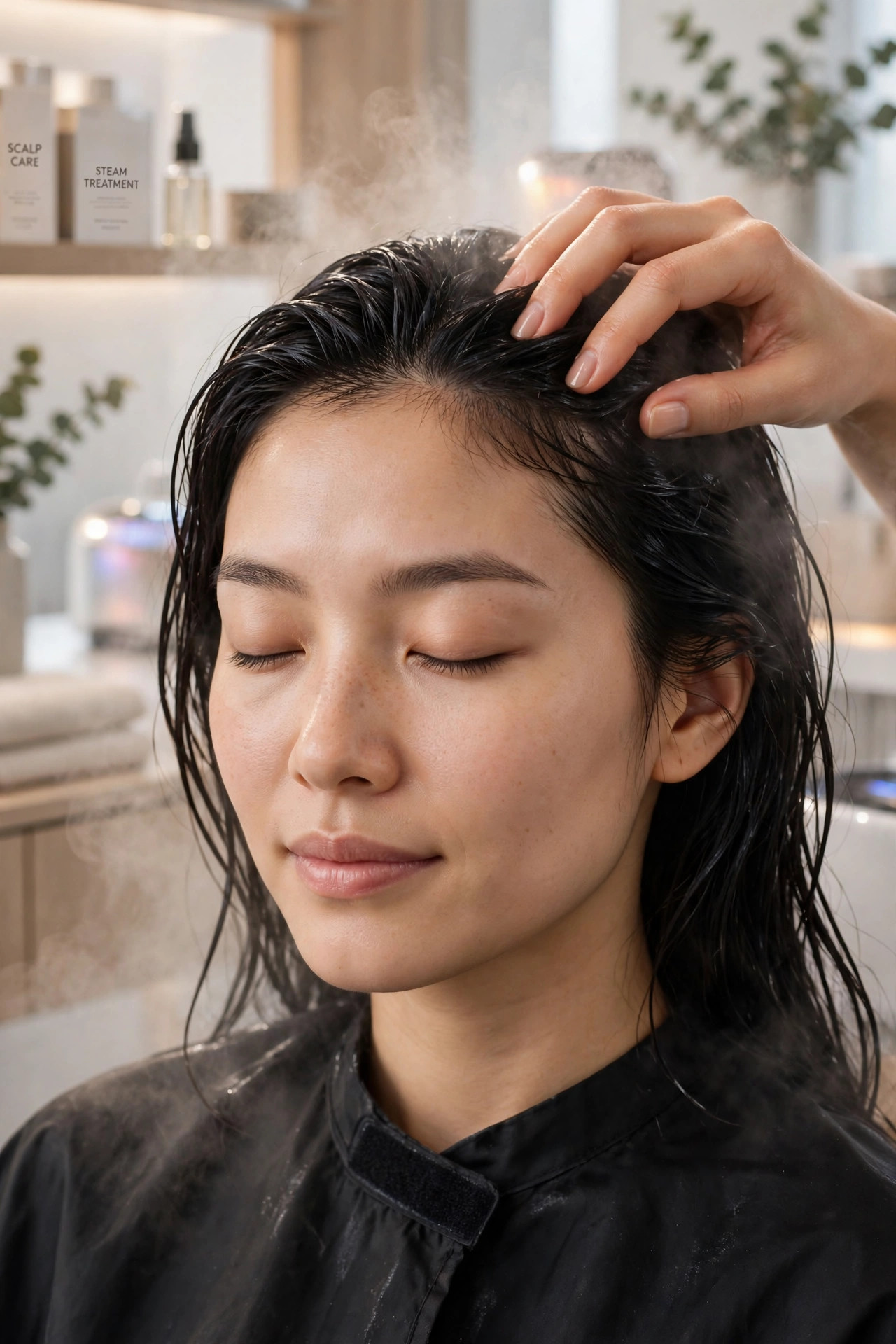
- Warm steam loosens product buildup, oil, and flakes on the scalp.
- Better blood flow around follicles supports a healthy scalp.
- A clean scalp absorbs leave-in products more effectively.
- Never steam over an irritated, sunburned, or broken scalp.
Steaming does more than soften the lengths, because the warm, moist air reaches the scalp too. It loosens the buildup of styling products, excess oil, and flakes that can clog follicles and make the scalp feel itchy or tight. A cleaner scalp absorbs leave-in treatments better and gives hair a healthier base to grow from. The gentle warmth also boosts blood flow around the follicles, which many stylists credit for the relaxed, spa-like feeling after a session. For anyone who uses heavy creams or gels, a weekly steam can keep the scalp feeling fresh between clarifying washes.
Scalp steaming is not a treatment for hair loss or dandruff, and it is important to keep expectations honest. Steam cannot regrow hair or cure a flaky scalp condition, and it will not replace a medicated shampoo when one is needed. What it can do is support the routine you already have, by keeping the scalp clean and comfortable so products work as intended. If your scalp is red, sore, or irritated, skip steaming until it calms down, and keep the steamer at a safe distance so the mist never feels hot on your skin.
Easier Detangling Sessions
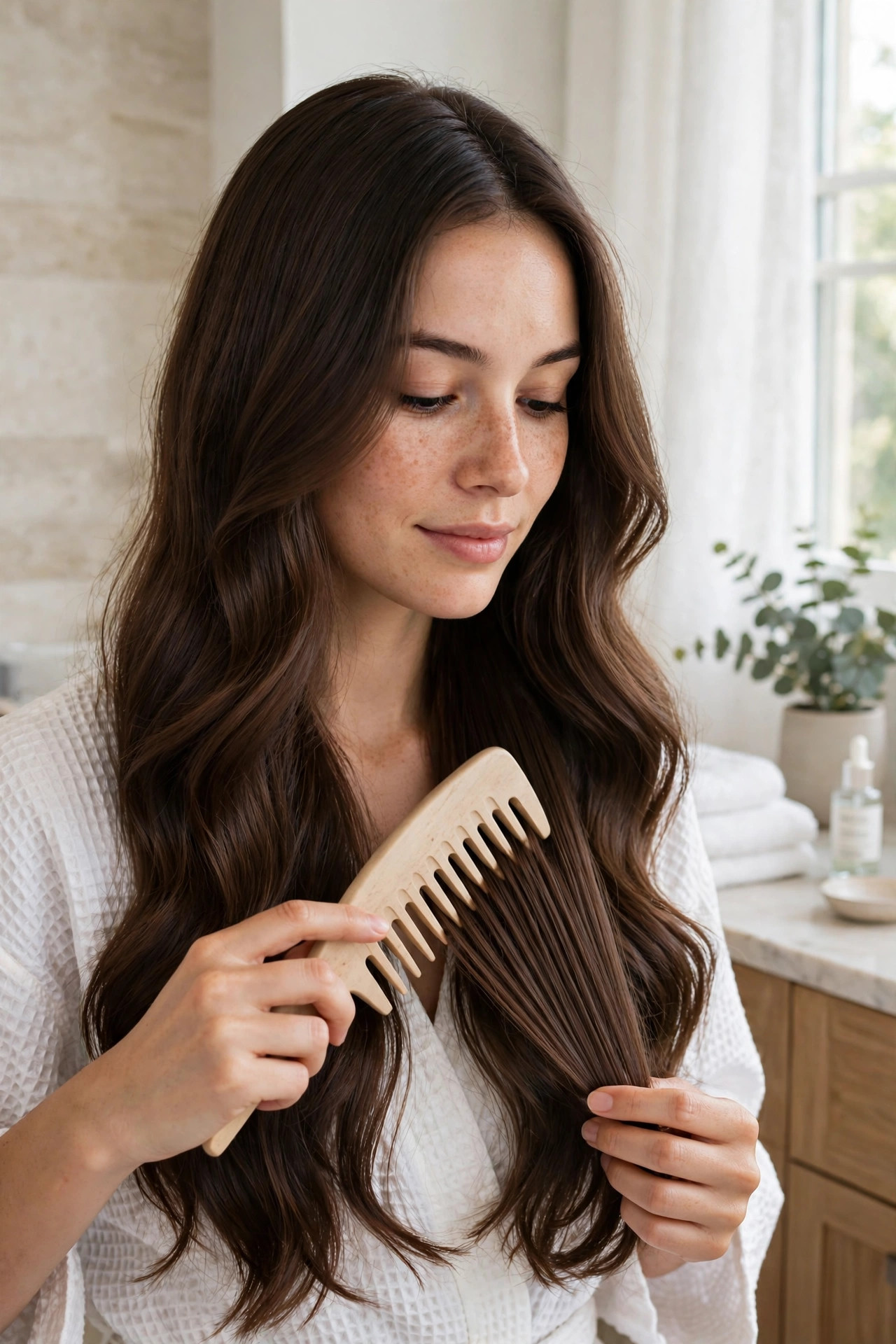
- Steamed hair with conditioner slides apart with far less pulling.
- Less pulling means less breakage during detangling.
- Always detangle from the ends upward in small sections.
- Use a wide-tooth comb, never a fine brush on wet hair.
Anyone with thick or tangled hair knows detangling can be the most painful part of wash day, and steam makes it noticeably easier. Warm, wet hair with conditioner in it slides apart far more gently than dry, knotted strands, so the comb moves through with less pulling and snapping. That matters because most breakage happens during detangling, not styling, and every snapped strand is length lost. Steam first, then work through the hair in small sections from the ends upward, and you will feel the difference in the first session. It turns a chore into a quick, gentle step.
The tool you use matters as much as the steam. A wide-tooth comb or your fingers are the safest choices for wet, steamed hair, while a fine brush can stretch and snap strands that are already soft and swollen. Work in sections, hold each section near the roots so the pull never reaches the scalp, and add a little more conditioner if you hit a stubborn knot. Patience is part of the method: rushing through tangles undoes the benefit of the steam. With the right technique, detangling stops being the part of wash day you dread most.
Steam Hair at Home
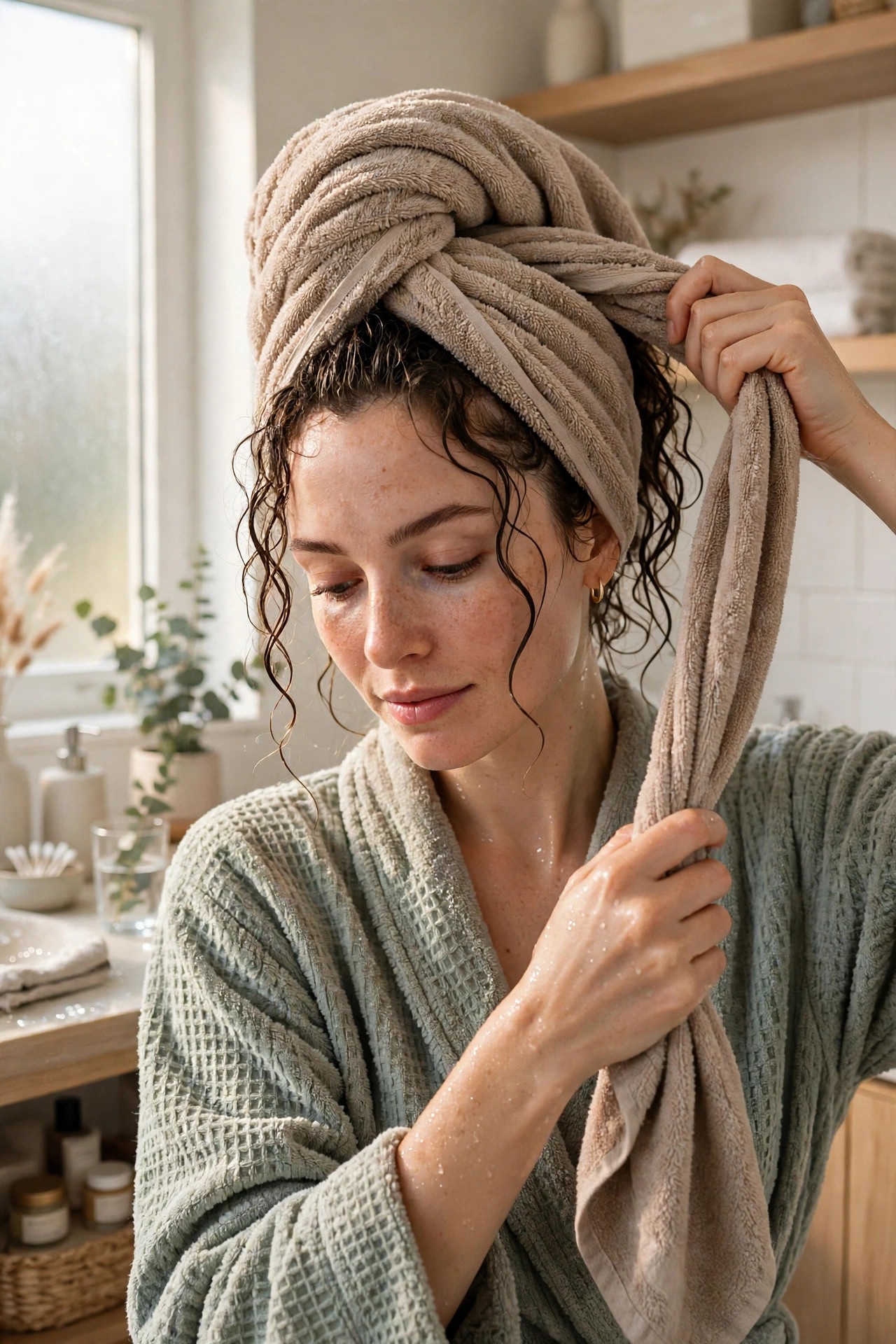
- Wash first, then apply a mask from mid-lengths to ends.
- Cover with a shower cap to trap the warm moisture.
- Steam for 15 to 30 minutes, then rinse with cool water.
- Seal with a leave-in and a light oil afterward.
You do not need a salon to steam your hair, because the at-home routine is simple and cheap. Start by washing your hair, then apply a deep conditioning mask to damp strands, focusing on the mid-lengths and ends. Cover your hair with a shower cap, then either sit under a hooded steamer or wrap a hot, damp towel over the cap for fifteen to thirty minutes. The towel method works surprisingly well: reheat it once if it cools down. When the time is up, rinse with cool water to close the cuticle and lock the softness in.
A handheld steamer is another handy option, especially for refreshing curls between wash days. Hold it a few inches from the hair and move it slowly through each section, keeping the mist light and even. Never hold any steamer too close to your scalp, and never steam over a sink full of water, since most devices need a dry surface and a safe power source. Always read the manual for your device before the first use, and test the mist on your hand first. A careful routine keeps the experience relaxing instead of risky.
Pick the Right Steamer
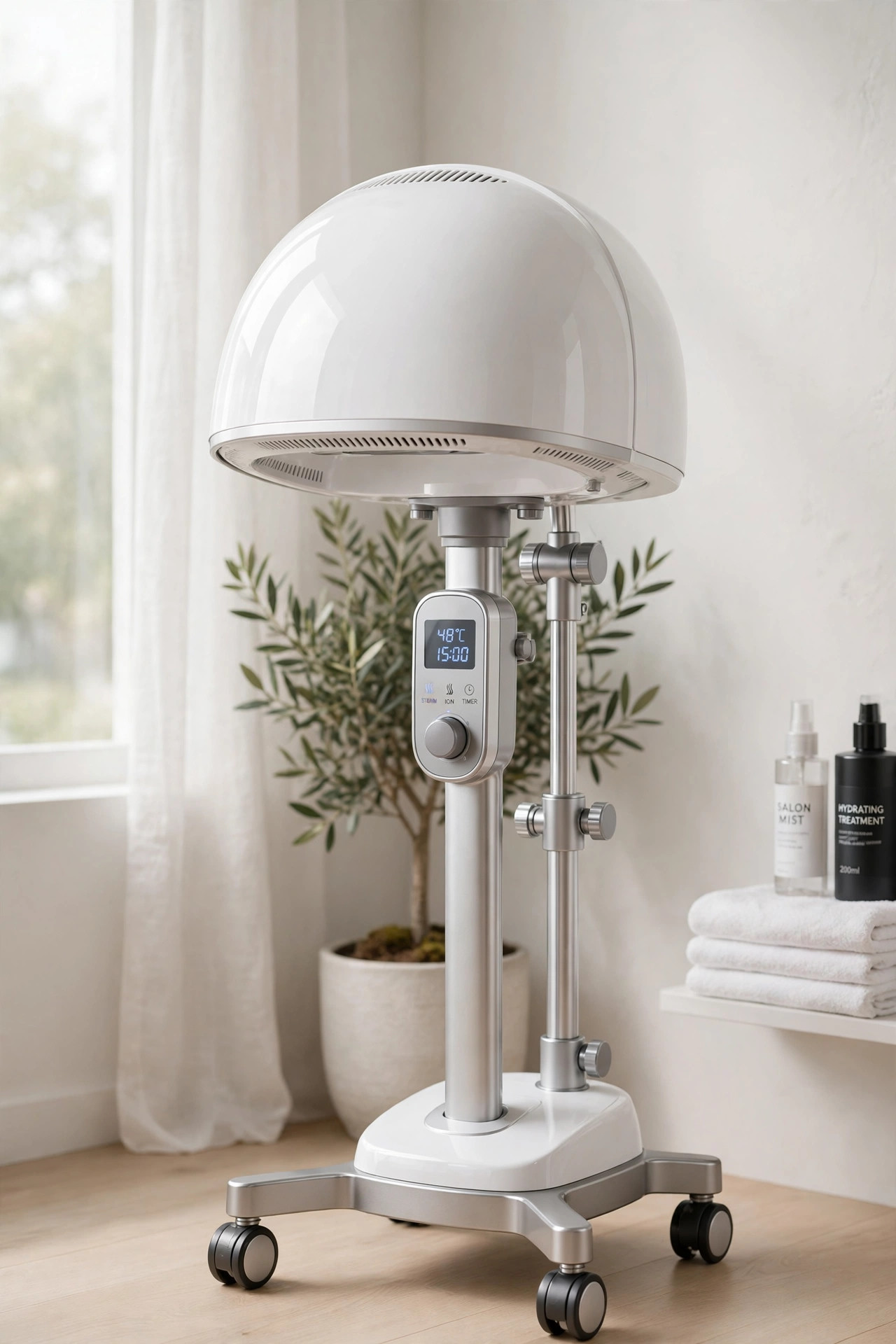
- Hooded steamers give the most even, hands-free steam.
- Handheld steamers suit quick refreshes and travel.
- Steam caps are affordable and let you move around freely.
- Always use distilled water to protect the device.
Three main types of steamers suit different budgets and routines, so choosing well matters. A hooded steamer, either tabletop or on a stand, gives the most even and comfortable steam, making it the best pick if you deep condition weekly and have long or thick hair. A handheld steamer is smaller and cheaper, and it works well for quick curl refreshes or travel. A thermal steam cap is the budget choice: it heats up like a warm hat and lets you walk around the house while it works. Match the tool to how often you will actually use it.
Before you buy, check a few practical details. Look for adjustable heat and a timer, so sessions never run longer than planned, and choose a model with a clear water tank that is easy to fill and clean. Read reviews for leaks or weak steam output, which are the most common complaints with cheap models. If you are unsure whether steaming suits your hair, try the warm towel method for a month first. Spending nothing to test the idea beats buying a device that ends up gathering dust in a cupboard.
How Often Should You Steam
- Very dry, coily, or low porosity hair: once a week.
- Curly, wavy, or color-treated hair: every one to two weeks.
- Fine or straight hair: once every two weeks at most.
- Always steam on a deep conditioning day, never on dry hair.
Frequency is where most people go wrong, because more steam is not always better. Very dry, coily, or low-porosity hair usually does well with once a week, timed with the regular deep conditioning day. Curly, wavy, or color-treated hair often needs it only every one to two weeks, while fine or straight hair may need it just once a fortnight. The right schedule depends on how your hair feels after a session: soft and bouncy means the timing is right, while limp or mushy strands mean you should space sessions further apart.
Keep a simple log for the first month, noting the date, the mask you used, and how your hair felt the next day. Patterns show up fast: if your curls stay defined for days, your schedule is working, and if your hair feels heavy or coated, you are steaming too often or using too rich a mask. Seasonal changes matter too, since winter dryness may call for weekly sessions while humid summers need fewer. Let your hair set the schedule, not the calendar, and adjust whenever the seasons or your routine change.
Over-Steaming and Hygral Fatigue

- Too much steam swells and shrinks the strand repeatedly.
- Repeated cycles can cause hygral fatigue and weak hair.
- Warning signs: limp, gummy, or stretchy hair when wet.
- Cut back to once every two weeks if you see these signs.
The biggest downside of steaming is also the easiest to miss: overdoing it. Each steam session swells the hair shaft with water, and each drying cycle shrinks it back down. Repeat that swelling and shrinking too often and the strand weakens, a problem hair scientists call hygral fatigue. Fine, thin, or already damaged hair shows the wear first, turning limp, gummy, or stretchy when wet and rough or straw-like once dry. Daily long sessions are the worst habit, because they pile up far more swelling cycles than a single weekly treatment ever would.
A little protection goes a long way if you steam often. Applying a light oil that soaks into the strand, such as coconut oil, before a session can reduce how much water the hair absorbs, so it swells less each time. Protein treatments also help, because they reinforce the strand from the inside and balance the softening effect of moisture. If your hair already feels mushy or breaks easily when wet, pause steaming for a few weeks and focus on protein and gentle care. The goal is balance: moisture and strength need each other, and neither works alone.
Fine Hair Needs Caution

- Fine hair absorbs water fast and can go limp quickly.
- Use a lighter mask and a shorter, 10 to 15 minute session.
- Focus steam on mid-lengths and ends, never the roots.
- Skip a session if your hair already feels weighed down.
Fine, straight, or oily hair usually gains the least from steaming, and it is the type most likely to be disappointed. Fine strands take up water fast and soften with a normal conditioner, so adding steam often leaves them limp, flat, and weighed down instead of bouncy. The roots are the biggest problem: steam at the scalp encourages oil and collapses volume within hours. That does not mean fine hair can never steam, but it means the method needs adjusting. Lighter masks, shorter sessions, and keeping steam away from the roots make all the difference.
If your fine hair still feels dry at the ends, try steaming only the lengths while keeping the roots dry and cool. Clip the top section up and away from the mist, apply a pea-sized amount of lightweight mask to the ends, and steam for ten to fifteen minutes. A cool rinse afterward helps restore body, and a root-lifting spray can bring back the volume steam took away. Oily scalps should steam even less often, perhaps once a month, since the warmth can trigger more oil production. Listen to your hair and skip a week whenever it feels heavy.
Seal Moisture After Steaming

- Steam adds water, but it evaporates within hours unless sealed.
- Apply a leave-in, then a light oil to lock moisture in.
- High porosity hair needs sealing most of all.
- Style gently while hair is still slightly damp.
Steam adds water to the hair, but that water leaves again within hours unless you seal it in. This is the step most beginners skip, and it explains why steamed hair can feel soft at noon and dry again by evening. After rinsing with cool water, apply a leave-in conditioner to damp hair, then smooth a light oil over the lengths to slow down drying. High-porosity hair needs this most, since it absorbs fast and loses fast. The right seal turns a short-lived softness into moisture that actually lasts until the next wash.
Choose your sealing products by hair type so the finish never feels heavy. Fine hair needs a pea-sized drop of jojoba or grapeseed oil, warmed well between the palms, while thick or coily hair can handle richer butters like shea. Style gently while hair is still slightly damp, and avoid tight pulling until it is fully dry, since steamed strands stay soft and stretchy. Done right, the seal is what makes the whole routine pay off: softer hair, better curl definition, and styles that hold their shape for days instead of hours.
Steaming is a useful tool, not a miracle, and the hair steaming pros and cons above show it clearly: it boosts moisture and deep conditioning for dry, curly, and low-porosity hair, but it can leave fine strands limp and over-steamed hair weak. Start slow, steam once a week with a mask you love, keep sessions under thirty minutes, and always seal with a cool rinse and a light oil. Watch how your hair responds over a month before changing your routine. Used with care, steam can turn an ordinary wash day into a small spa ritual that leaves your hair softer, shinier, and far easier to style.
FAQ
How often should I steam my hair?
Most hair types do well with steaming once a week, always on a deep conditioning day. Very dry, coily, or low-porosity hair may enjoy twice a week, while fine or straight hair often needs it only every two weeks. Watch for limp, gummy strands, which signal you should cut back.
Can steaming damage my hair?
Gentle steam on its own rarely damages hair, but over-steaming can. Repeated swelling and drying cycles weaken the strand over time, a problem called hygral fatigue. Keep sessions to 15 to 30 minutes, steam no more than twice a week, and handle wet hair gently to stay safe.
Is a hair steamer worth it for low porosity hair?
Low-porosity hair often gains the most from steam, because its tightly packed cuticle resists water and conditioner. Warm, moist heat helps products slip past that tight surface and actually absorb, instead of sitting greasy on top. If your hair takes forever to get fully wet, a steamer is well worth trying.
Can I steam my hair without a steamer?
Yes, a warm towel works well as a budget option. Apply your mask, wrap your hair in a shower cap, then wrap a hot, damp towel over the cap for 20 minutes. Reheat the towel once if it cools. It gives most of the benefit of a hooded steamer without the cost.