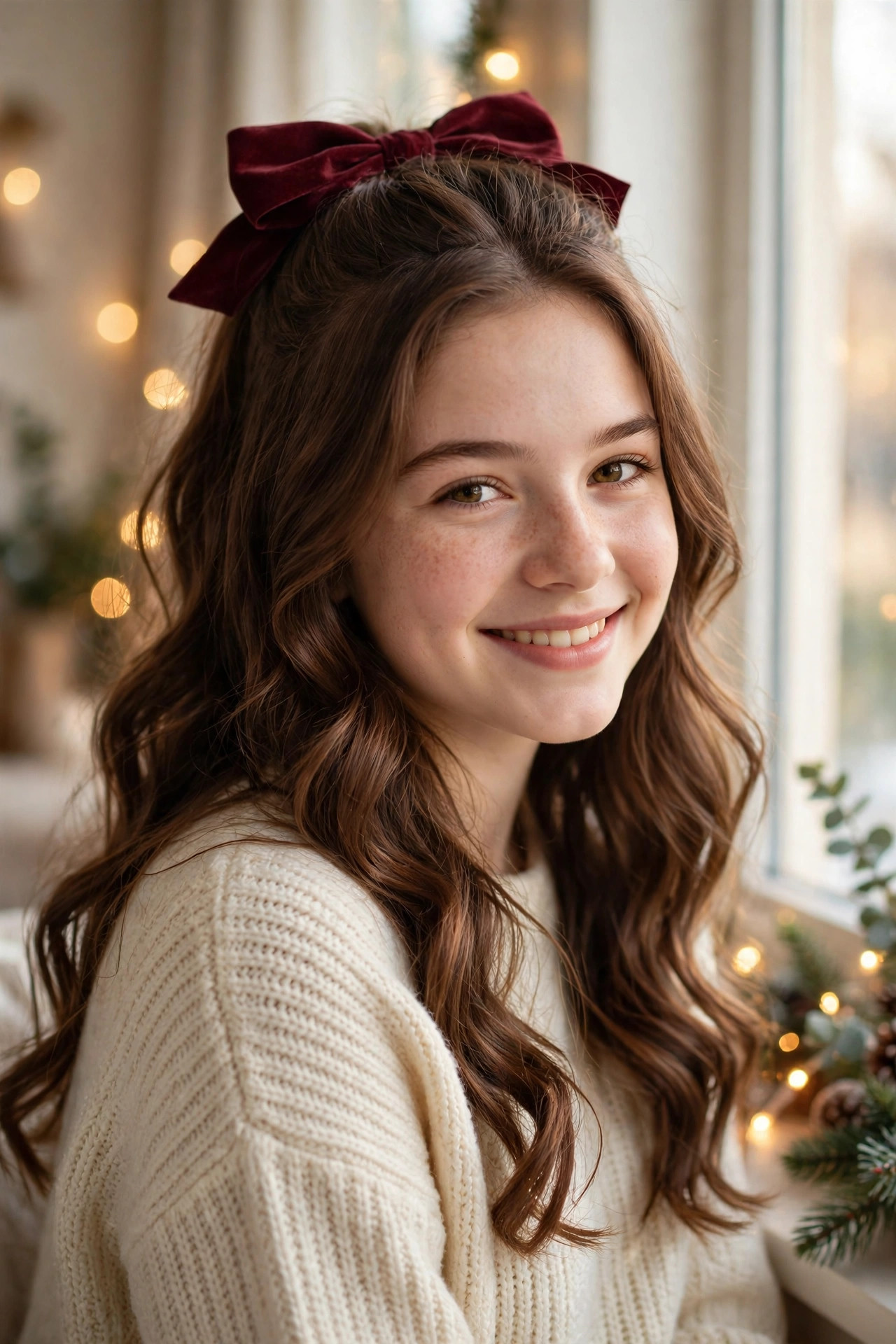
If you have ever stared at two nearly identical salon photos and wondered what actually separates balayage vs highlights, you are not alone. These two coloring techniques dominate Pinterest boards and salon menus, yet they create very different results on real hair. One is painted freehand for a soft, sun-kissed finish, while the other uses foils for brighter, more even lift from root to tip. The choice affects your grow-out, your salon visits, your budget, and how much upkeep your color needs. In this guide, we compare the application, the look, the cost, the maintenance, and the best match for your hair type, so you can walk into your next appointment knowing exactly what to ask for and which technique fits your lifestyle.
Hand-Painted Balayage Technique
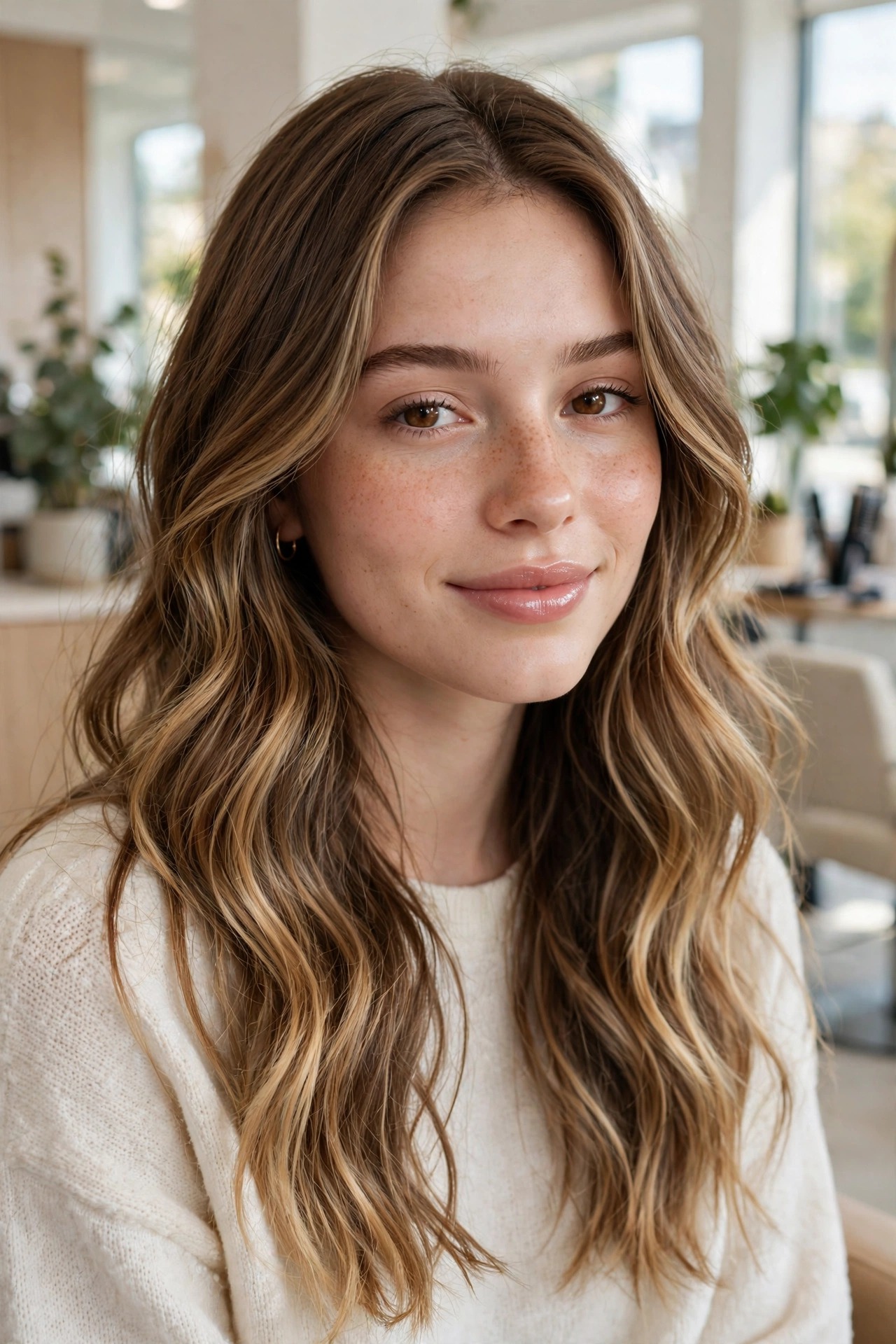
- Color is painted freehand onto the hair surface with a brush, no foils needed
- Lightener starts a few inches below the roots and gets heavier toward the ends
- Creates a soft, graduated blend that mimics natural sun-lightened hair
- Best suited to wavy, curly, and long hair where the painted ribbons show
Balayage comes from the French word meaning to sweep, and that sweeping motion is exactly how your colorist applies it. Instead of sectioning hair into foils, the stylist paints lightener directly onto the surface of the hair in soft, feathery strokes, building brightness gradually from the mid-lengths down to the ends. Because every stroke is placed by eye, the result is completely customized to your face shape, your part, and the way you wear your hair every day. For more inspiration, browse our balayage hair color ideas to see how different shades look on hair before your appointment.
The painted application also means there is no harsh line where the color begins, which is why balayage grows out so gracefully over the months. Your roots stay natural while the lighter ends catch the sun, creating depth and movement that looks expensive without trying too hard. Most colorists finish with a toner to perfect the shade, whether you want warm caramel, cool ash, or a creamy honey blonde. It is a technique that rewards a skilled hand, so always check your stylist's portfolio for painted work before you book your chair.
Foil Highlight Application
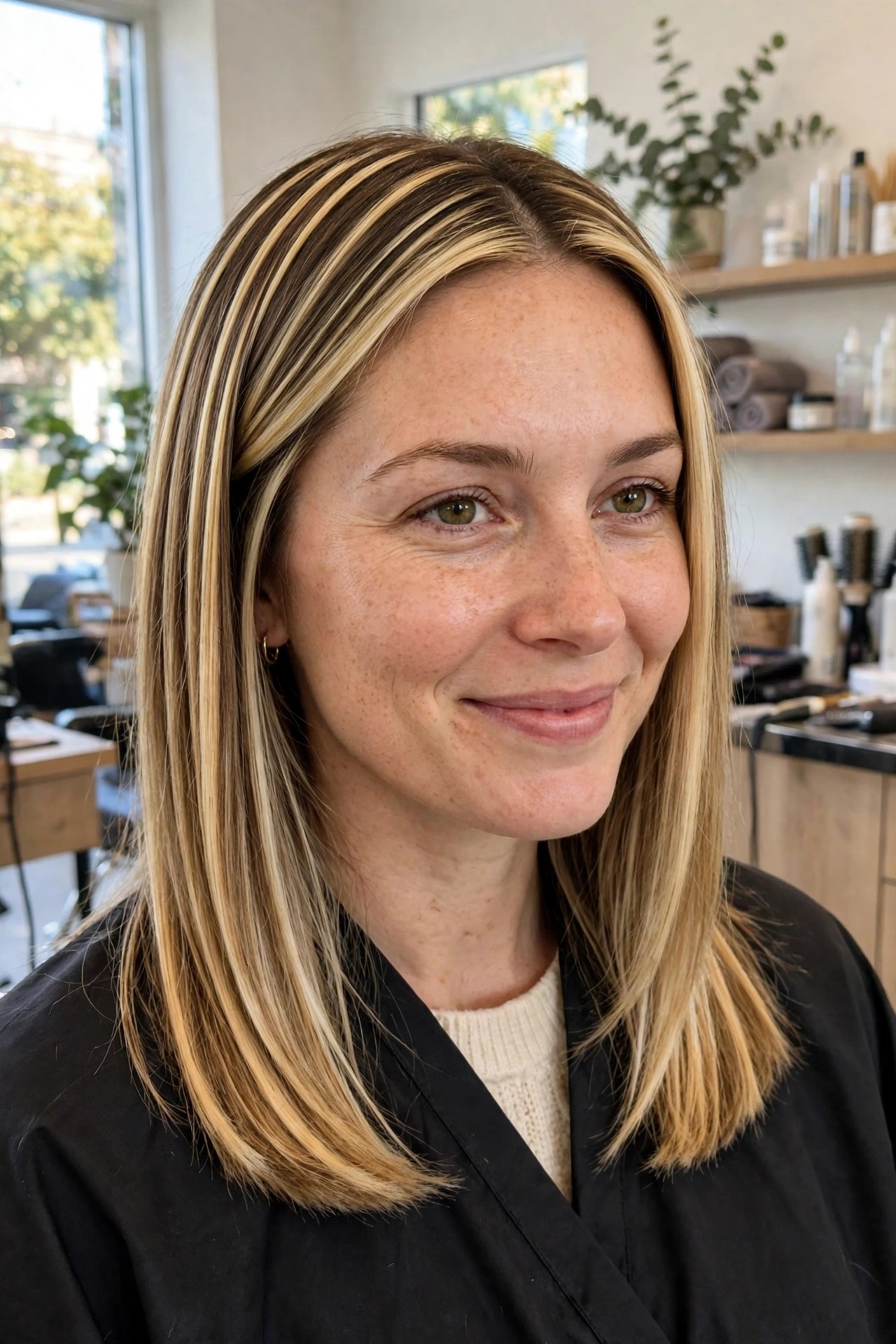
- Thin sections of hair are woven out and wrapped in foil packets
- Lightener is applied from root to tip for even, all-over brightness
- Foils trap heat, so hair lifts lighter and faster than freehand painting
- Works beautifully for bright blonde, gray blending, and high contrast
Traditional highlights are the classic salon technique most of us know, and they remain the best choice when you want brightness you can notice. Your stylist weaves out fine sections with a comb, paints them with lightener from the scalp to the ends, and folds each section into a foil packet. The foil traps heat as the color processes, which pushes the lift further and more evenly than open-air painting ever could. That is why foils are the go-to for platinum blonde, ash blonde, and anyone starting from a darker base who wants a dramatic change in one visit.
The structured pattern of foils also means your colorist controls exactly where the brightness lands, which is ideal if you want a uniform look from every angle. Highlights can be fine and subtle like babylights, or bold and chunky for a statement finish, and the placement can be adjusted to brighten your face or add dimension through the back. The trade-off is maintenance, since lightened sections start right at the scalp and regrowth shows within weeks. Most people rebook every six to eight weeks to keep the roots looking fresh and the contrast intentional.
Sun-Kissed Dimensional Finish

- Color melts gradually from darker roots to lighter ends with no harsh line
- Warm caramel, honey, and butterscotch tones look most natural with this technique
- The finish mimics how the sun naturally lightens hair over a long summer
- Dimensional ribbons add movement and depth without obvious stripes
The signature balayage finish is soft, sun-kissed dimension that looks like you spent the whole summer outdoors. Because the color is painted on the surface and blended downward, the roots stay deeper while the mid-lengths and ends catch the light, creating a natural gradient instead of a stripe. Warm shades like caramel, honey, and butterscotch melt beautifully into brown or dark blonde bases, and the grow-out stays invisible for months. It is the ultimate lived-in look for women who want their hair to look effortlessly expensive without obvious salon work showing.
Stylists often describe balayage as the low-drama option because the soft blend hides regrowth so well, and beauty editors agree that the technique suits almost every hair type. According to Byrdie, the painted application creates a more natural result than traditional foils, especially on wavy or curly hair where the ribbons move with the texture. That flexibility makes it a favorite for first-time color clients and for anyone who wants dimension without committing to a strict salon schedule or a high-contrast look that demands constant upkeep and root appointments every few weeks.
Bold Bright Blonde Lift

- Foils lift hair to the lightest levels, including platinum and icy blonde
- Brightness starts at the root, so color reads lighter from every angle
- Ideal for dramatic transformations and for going blonde from dark hair
- A toner usually follows to neutralize warmth and perfect the shade
If your dream hair is bright, even blonde with real impact, foil highlights are the faster and more reliable route. Balayage keeps the roots deeper and the finish softer, which is beautiful but rarely delivers that all-over platinum or icy blonde look in one sitting. Foils saturate every strand from root to tip and trap heat while processing, so they lift dark hair further and more evenly. Your colorist can also control the exact placement, stacking brightness around your face and through the crown where it shows most in photos.
Going very blonde does come with extra care, because heavy lifting can dry out the ends and leave warm tones behind if the hair is not toned properly. A purple shampoo once or twice a week keeps brassiness away, and a deep conditioning mask protects the lightened lengths between appointments. Expect longer salon visits too, since full foil work can take two to three hours depending on your hair length and density. The payoff is a bright, polished blonde that photographs beautifully and turns heads everywhere you go, day after day.
Natural Grow-Out Advantage

- Balayage starts below the root, so regrowth blends invisibly for months
- Most clients stretch balayage touch-ups to every 12 to 16 weeks
- Foil highlights show a regrowth line within four to six weeks
- A root shadow or toner refresh can stretch either look even further
Grow-out is where balayage truly earns its reputation as the low-maintenance color. Because the lightener is painted a few inches away from the scalp, your natural roots simply blend into the darker top section as they grow, with no sharp line announcing that you are overdue for the salon. Most balayage clients happily wait three to four months between full appointments, booking only a quick toner refresh in between to keep the shade clean. That freedom is the main reason busy women and new moms choose painted color over foils again and again.
Foil highlights tell a different story at the roots, since every lightened strand begins right at the scalp. As your natural color grows in, the contrast creates a visible line that most people want to fix within six to eight weeks. That does not make foils a bad choice, it simply means you should budget for more frequent visits and be honest about how often you can realistically sit in the salon chair. If you love the bright result and do not mind the upkeep, the extra appointments are a fair trade for color that always looks freshly done.
Salon Cost Comparison
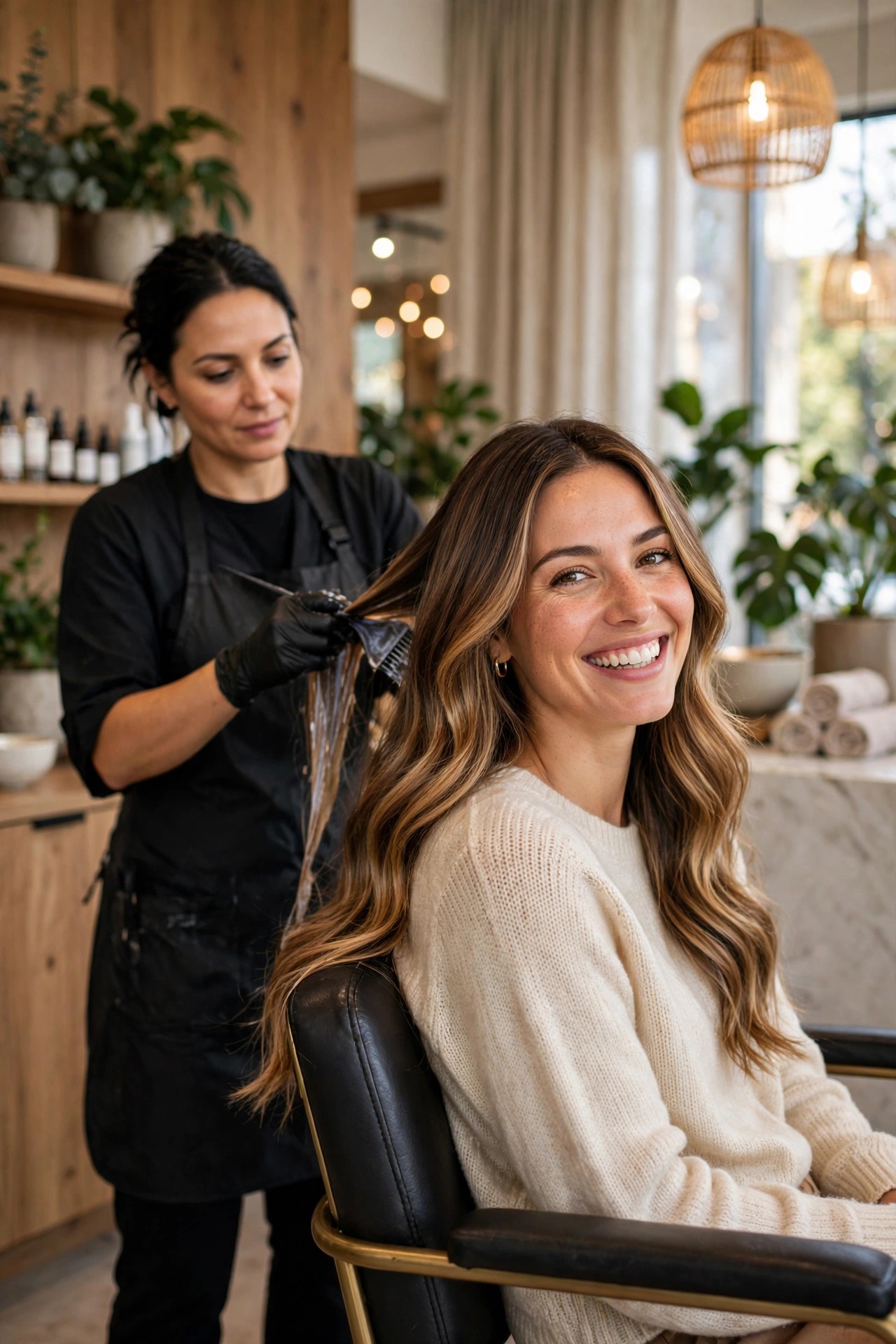
- Balayage usually costs more per visit because freehand painting takes longer
- Typical balayage prices range from 150 to 300 dollars per session
- Full foil highlights often cost 100 to 250 dollars per visit
- Fewer balayage appointments can make it cheaper over a full year
Price is one of the first things most women ask about, and the honest answer is that balayage usually costs more per visit. Freehand painting is slow, skilled work, and a full balayage can take two to three hours in the chair, so salons typically charge between 150 and 300 dollars for the service. Partial highlights are often quicker and cheaper, with full foil work landing somewhere between 100 and 250 dollars depending on your hair length, density, and city. Always ask for a written quote that includes lightener, toner, and the finishing blow-dry before you book.
The per-visit price only tells half the story, because balayage clients visit the salon far less often. Three or four balayage appointments a year can cost less in total than seven or eight highlight touch-ups, even though each highlight visit is cheaper on its own. If your budget is tight, ask your stylist about a partial service that focuses color around your face and part, where it shows most. You can compare more affordable options in our guide to partial vs full highlights and choose the coverage that fits your hair and your wallet best.
Maintenance Schedule Differences

- Balayage needs a full refresh only every 12 to 16 weeks
- A toner refresh every four to six weeks keeps blonde shades clean
- Foil highlights usually need touch-ups every six to eight weeks
- Sulfate-free shampoo and weekly masks protect any lightened hair
Your calendar matters as much as your mirror when you choose a color technique. Balayage is built for women who want to visit the salon three or four times a year and forget about their roots in between, since the soft blend hides regrowth beautifully. A quick toner appointment every month or so keeps the tone fresh without a full color session. Foil highlights, on the other hand, ask for a standing appointment every six to eight weeks, because the regrowth line shows sooner and the brightness fades faster at the roots.
Home care also plays a big role in how long either look stays beautiful. Wash with sulfate-free, color-safe shampoo two or three times a week, and use a purple shampoo once a week if your blonde turns brassy. A weekly deep conditioning mask keeps lightened ends soft, while heat protectant stops hot tools from fading the tone. With the right routine, balayage can look freshly painted for months, and even foil highlights stretch further between visits when the color is properly cared for at home instead of fading into dull, brassy strands that need an early salon rescue.
Best for Dark Hair

- Balayage blends warm caramel and honey tones into dark bases naturally
- Foil highlights can lift dark hair brighter, but need more sessions
- A root shadow keeps dark roots looking intentional as color grows out
- Deep conditioning is essential because dark hair lifts through warm stages
Dark hair is where balayage truly shines, because the painted technique was made for rich, warm dimension. Caramel, honey, and butterscotch ribbons melt into a chocolate or espresso base without the stark contrast that foils can create, and the darker roots keep the whole look grounded and natural. Even as the color grows out, the blend stays soft, so you never get that harsh stripe at your part. For brunettes who want their first taste of lighter hair, balayage is the gentlest and most forgiving way to start without a dramatic commitment.
Foil highlights can also work beautifully on dark hair, especially if you want a brighter, more noticeable lift. The catch is that dark hair lifts through warm orange and yellow stages first, so reaching a cool blonde usually takes more than one session and a careful toner. Your colorist may suggest a mix of foils and painted pieces to get brightness without pushing the hair too far in a single visit. Patience pays off here, because a gradual, healthy lift always looks better than hair that was rushed and left damaged or brassy.
Face-Framing Money Pieces

- Money pieces are the brightest strands placed right around the face
- They brighten your complexion and make eyes look bigger instantly
- Both balayage and foils can create this face-framing effect
- A quick gloss keeps money pieces shiny and brass-free between visits
Money pieces are the brightest ribbons of color placed right around your face, and they are the fastest way to look brighter without coloring your whole head. Whether your colorist paints them freehand or places them with foils, these front strands catch the light every time you move, lift your complexion, and make your eyes pop in photos. Beauty editors at Allure call the look an instant face brightener, and it works on every hair length, from bobs to waist-length waves. Ask for a slightly softer blend if you want the effect to grow out gracefully.
The best part about money pieces is how little upkeep they demand compared with a full head of highlights. Because only the front sections are lightened, a touch-up is quick and affordable, and the rest of your hair stays healthy and untouched. They pair beautifully with balayage through the back, giving you brightness where it counts and softness everywhere else. If you are nervous about a big color change, money pieces are the perfect first step, since they deliver a visible transformation with the smallest possible commitment to lighter hair.
Foilayage Hybrid Blend
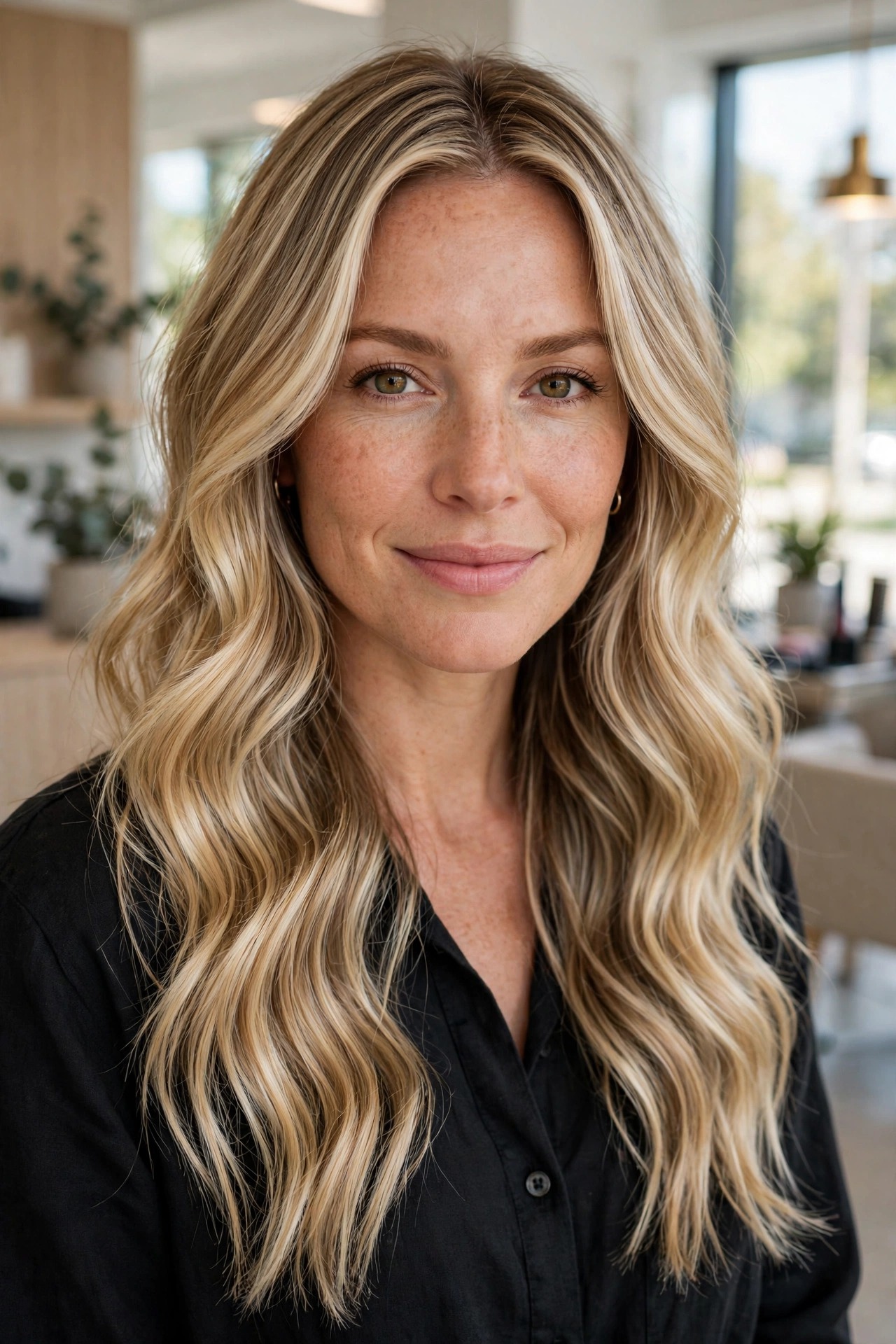
- Foilayage combines painted balayage with foil-wrapped sections for extra lift
- You get soft, blended grow-out plus brighter, more even blonde
- Perfect for dark hair that needs more lift than balayage alone
- Ask your colorist if foilayage fits your hair goals and budget
Foilayage is the clever hybrid that gives you the best of both worlds when neither technique alone feels quite right. Your colorist paints the lightener on freehand like balayage, then wraps selected sections in foil so the color lifts brighter and more evenly, just like traditional highlights. The result is soft, blended dimension with real brightness, plus a grow-out that stays gentle because the roots are left deeper. It is the perfect compromise for dark-haired women who want noticeable blonde without the harsh regrowth line that full foils usually bring.
Because foilayage is customized to your hair, the appointment usually takes a little longer than a standard balayage session, and the price sits somewhere between the two techniques. The trade-off is worth it for many women, since you leave with brighter color and still enjoy months of easy grow-out. Talk with your colorist about how bright you want to go, show photos of the exact finish you love, and ask how often you will need a toner to keep the shade clean. A good consultation turns this hybrid into your signature look.
Toner and Color Care
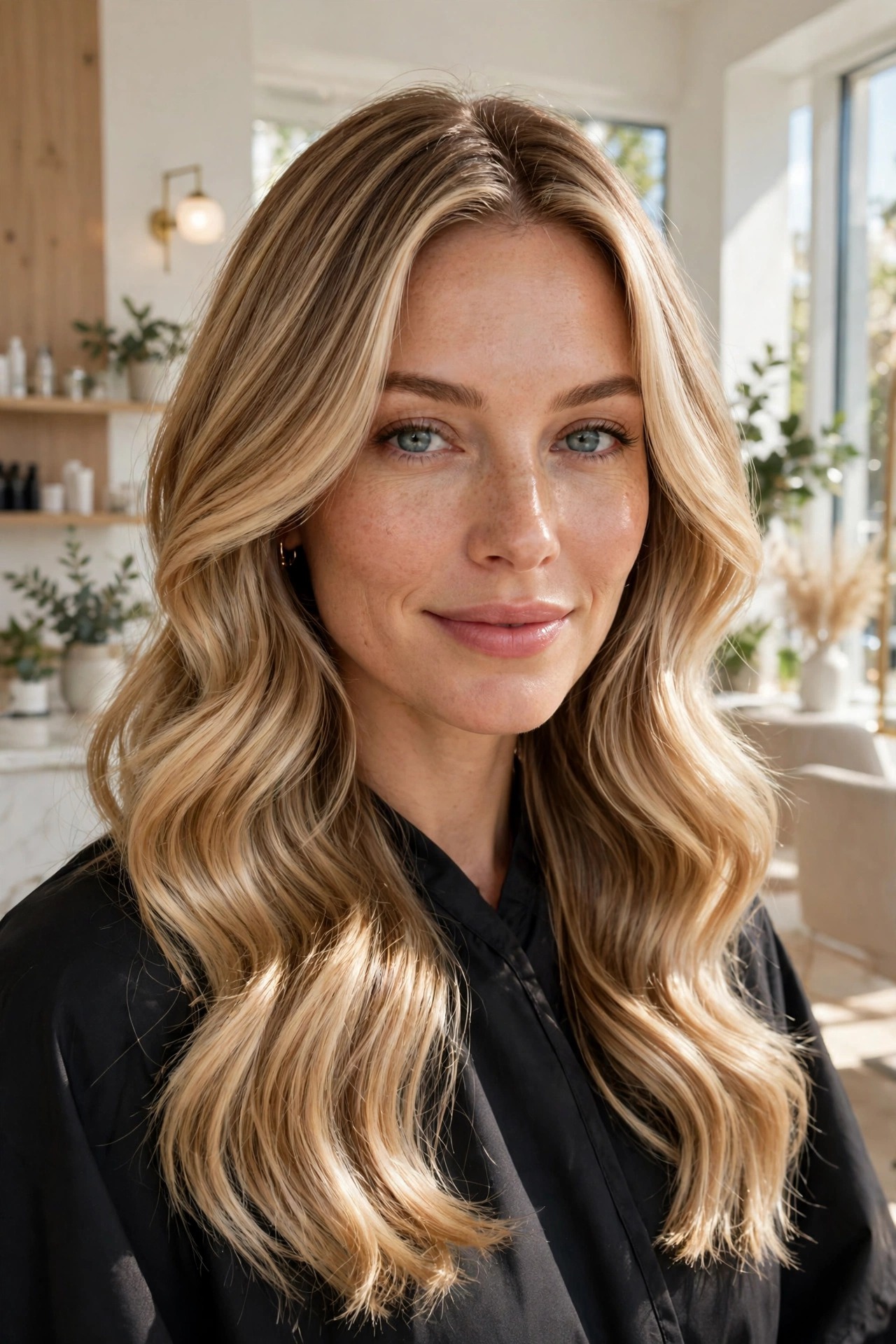
- A toner neutralizes brassiness and perfects the shade after lightening
- Blonde balayage usually needs a toner refresh every four to six weeks
- Purple shampoo keeps cool tones fresh between salon visits
- Deep conditioning masks protect lightened hair from dryness and breakage
Toner is the quiet hero of both balayage and highlights, yet many clients forget it exists until their blonde turns brassy. After lightening, your colorist applies a toner to neutralize unwanted yellow or orange tones and lock in the exact shade you asked for, whether that is cool ash, warm honey, or creamy beige. The toner fades gradually with washing, which is why a quick refresh every four to six weeks keeps the color looking salon-fresh. Think of it as a polish appointment that protects your investment and keeps the dimension looking expensive.
At home, the right products make all the difference between color that lasts and color that fades fast. Use sulfate-free shampoo and lukewarm water, since hot water and harsh cleansers strip toner quickly. A purple shampoo once a week cancels brassiness on blonde and light brown shades, while a weekly deep conditioning mask restores moisture to lightened ends. Always apply heat protectant before styling tools, because heat is the fastest way to dull a beautiful toner. Small habits like these stretch every salon visit further and keep your hair healthy.
Choosing Your Perfect Match

- Choose balayage for soft dimension, low maintenance, and gentle grow-out
- Choose foils for bright blonde, strong contrast, and gray coverage
- Consider your base color, budget, and how often you can visit the salon
- Bring reference photos and ask your colorist for an honest recommendation
Choosing between the two techniques starts with an honest look at your lifestyle, not just the photos you saved. If you want soft dimension, long gaps between appointments, and color that grows out gracefully, balayage is almost always the right call. If you dream of bright, even blonde or need to blend gray coverage, foils will get you there faster and more reliably. Your base color matters too, since dark hair needs more sessions to reach a light blonde, while lighter bases can achieve either look in a single visit with the right toner.
Before you book, gather a few reference photos that show the exact finish you want, including shots of the grow-out you are happy to live with. Ask your colorist for a written quote, a realistic timeline, and an honest opinion about whether your hair can reach that shade safely in one visit. A great stylist will tell you when foilayage or a gradual plan is the smarter path, even if it means a second appointment. The best color choice is the one that fits your life, your budget, and your hair, and still makes you feel beautiful every morning.
At the end of the day, the right choice between balayage vs highlights comes down to the finish you want and the upkeep you can live with. If you love soft, lived-in dimension and long gaps between salon visits, balayage is the easy winner. If you want bright, even blonde with strong contrast from root to tip, foils will get you there faster. Talk honestly with your colorist about your base color, your budget, and your hair goals, bring reference photos, and ask about toner upkeep before you commit. The best color is the one that grows out beautifully and still makes you smile every morning.
FAQ
How long does balayage last before a touch-up?
Balayage usually lasts three to four months before you need a full touch-up, because the color starts below the roots and grows out without a harsh line. Most clients book a quick toner refresh every four to six weeks to keep the shade clean and brass-free. With sulfate-free shampoo and weekly conditioning, the soft blend can look fresh for months.
Which technique blends gray hair better?
Foil highlights blend gray hair better than balayage, because the lightened strands start right at the scalp and break up the solid gray regrowth. Balayage only softens and diffuses gray, so it works best when gray is light or scattered. A root shadow or lowlights can help either technique look more natural as gray grows in.
Does balayage damage hair less than foil highlights?
Balayage is usually gentler because it leaves the roots untouched and lightens fewer strands overall, but both techniques use the same lightener. Heavy lifting can dry out any hair type, so the real difference is how much hair is processed. Deep conditioning, heat protectant, and a skilled colorist keep damage low with either method.
How much does balayage cost compared to highlights?
Balayage usually costs 150 to 300 dollars per session, while full foil highlights range from 100 to 250 dollars, so balayage is pricier per visit. Over a full year, though, balayage often costs less because you need only three or four appointments instead of seven or eight. Prices vary by salon, city, and hair length.