Your shampoo bottle hides a long list of chemicals, and learning which ingredients to avoid in hair products can protect both your strands and your scalp from slow, silent damage. Many everyday formulas rely on harsh detergents, synthetic preservatives, and hidden fragrance chemicals that strip natural oils, irritate sensitive skin, and leave hair dry, dull, and prone to breakage over time. This guide walks you through twelve common culprits, explains what each one does, and shows you gentler swaps that still clean and style beautifully. Keep reading to shop smarter, read labels with confidence, and build a routine your hair will truly love every single wash day.
Harsh Sulfates Explained
- Sodium lauryl sulfate and sodium laureth sulfate create heavy foam.
- They strip natural oils from the scalp and hair shaft.
- Dry, curly, and color-treated hair suffers most from sulfates.
- Look for gentler cleansers like coco glucoside or decyl glucoside.
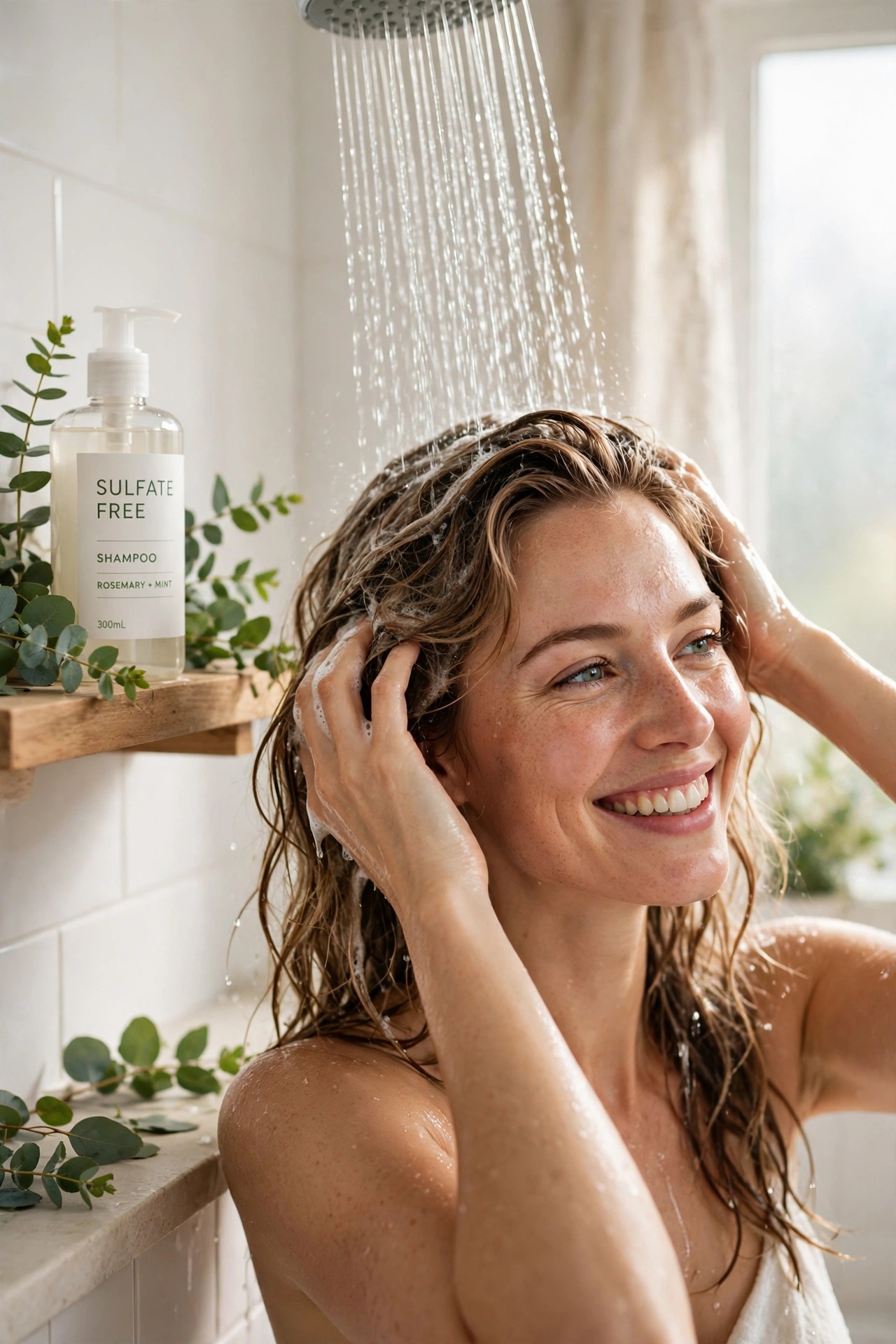
Sulfates are powerful detergents that give shampoo its rich, bubbly lather, yet that satisfying foam comes at a real cost for many hair types. Sodium lauryl sulfate and sodium laureth sulfate wash away dirt effectively, but they also remove the natural sebum that keeps strands soft, flexible, and protected from everyday damage. Over time, repeated use can leave hair feeling squeaky, rough, and straw-like, while the scalp may turn dry, tight, or itchy. Color fades faster too, because the same cleansing power lifts dye molecules from the hair shaft with every wash.
If your hair feels dry or your scalp feels irritated after washing, sulfates may be the hidden reason behind the problem. Switching to a sulfate free formula lets your scalp keep its natural moisture balance, so curls stay defined, color lasts longer, and frizz becomes easier to manage. Check the label for gentler surfactants such as coco glucoside, decyl glucoside, or sodium cocoyl isethionate, which clean without stripping. For more guidance on building a gentler wash day, explore these healthy hair care tips and give your strands a softer, kinder clean.
Parabens And Hormones
- Methylparaben, propylparaben, and butylparaben are common preservatives.
- Parabens can mimic estrogen and disrupt hormones.
- They appear in shampoos, conditioners, and styling creams.
- Safer preservatives include sodium benzoate and potassium sorbate.
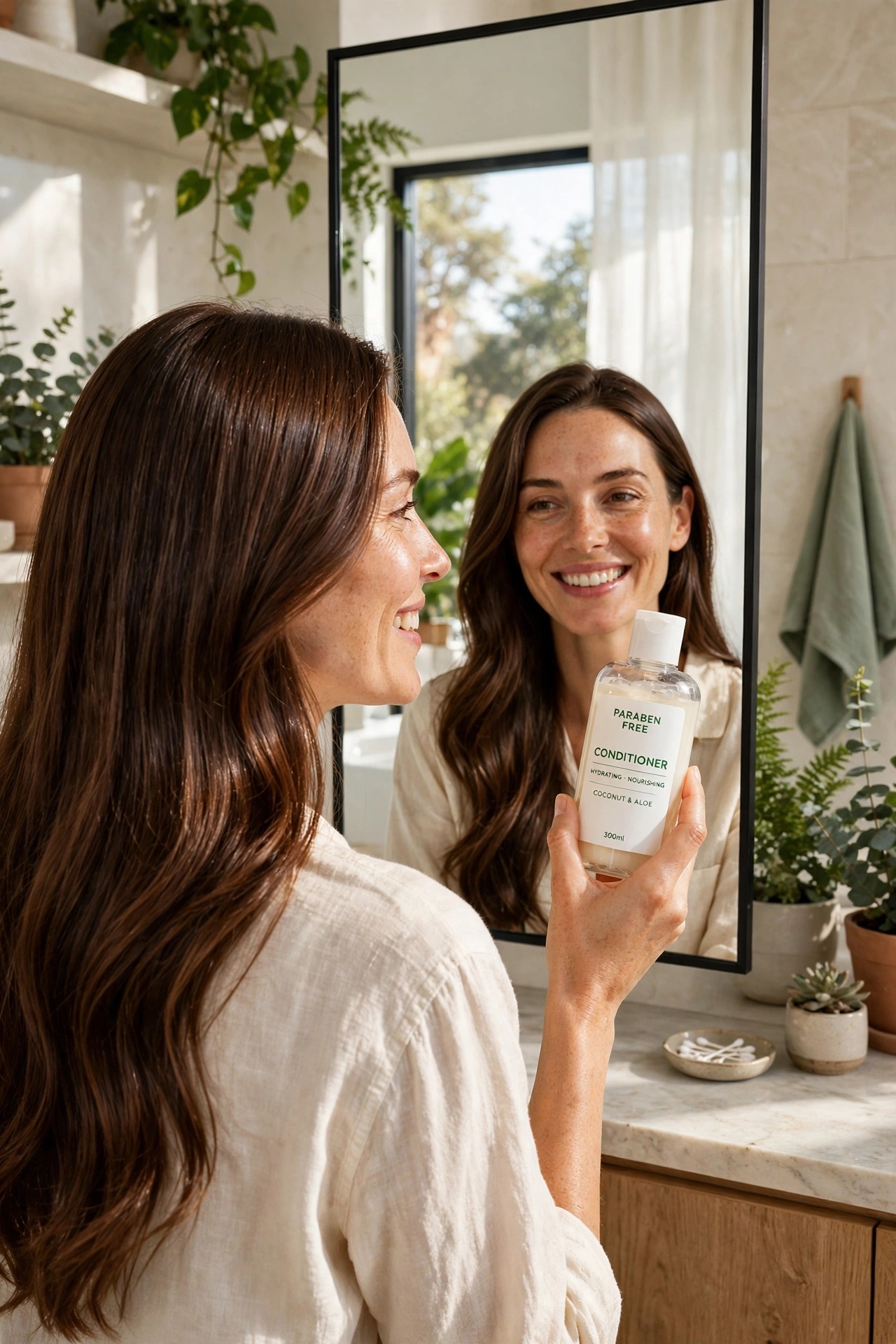
Parabens are inexpensive preservatives that stop bacteria and mold from growing inside water-based hair products, which is why they appear in so many bottles. Methylparaben, propylparaben, and butylparaben extend shelf life effectively, yet research has linked them to hormone disruption because they can mimic estrogen in the body. That concern grows with daily use, since shampoo, conditioner, and leave-in products sit directly on the scalp, where skin can absorb small amounts again and again. Sensitive scalps may also react with itching, redness, or flaking. Daily exposure adds up quietly, so even small amounts deserve your attention over time.
Choosing paraben free formulas is one of the easiest swaps you can make for long-term hair health. Modern preservatives such as sodium benzoate, potassium sorbate, and phenoxyethanol keep products fresh without the same hormone concerns, and waterless bars need even fewer preservatives overall. Scan the label for any word ending in paraben and put the bottle back if you spot one. Your scalp will thank you with calmer skin, less irritation, and a routine that feels clean in every sense of the word. Read every label carefully, choose trusted clean brands, and keep your routine simple and safe.
Synthetic Fragrance Risks
- The word fragrance can hide dozens of undisclosed chemicals.
- Synthetic scent often contains hidden phthalates.
- Fragrance is a top trigger for scalp itching and allergies.
- Choose fragrance free or naturally scented essential oil formulas.
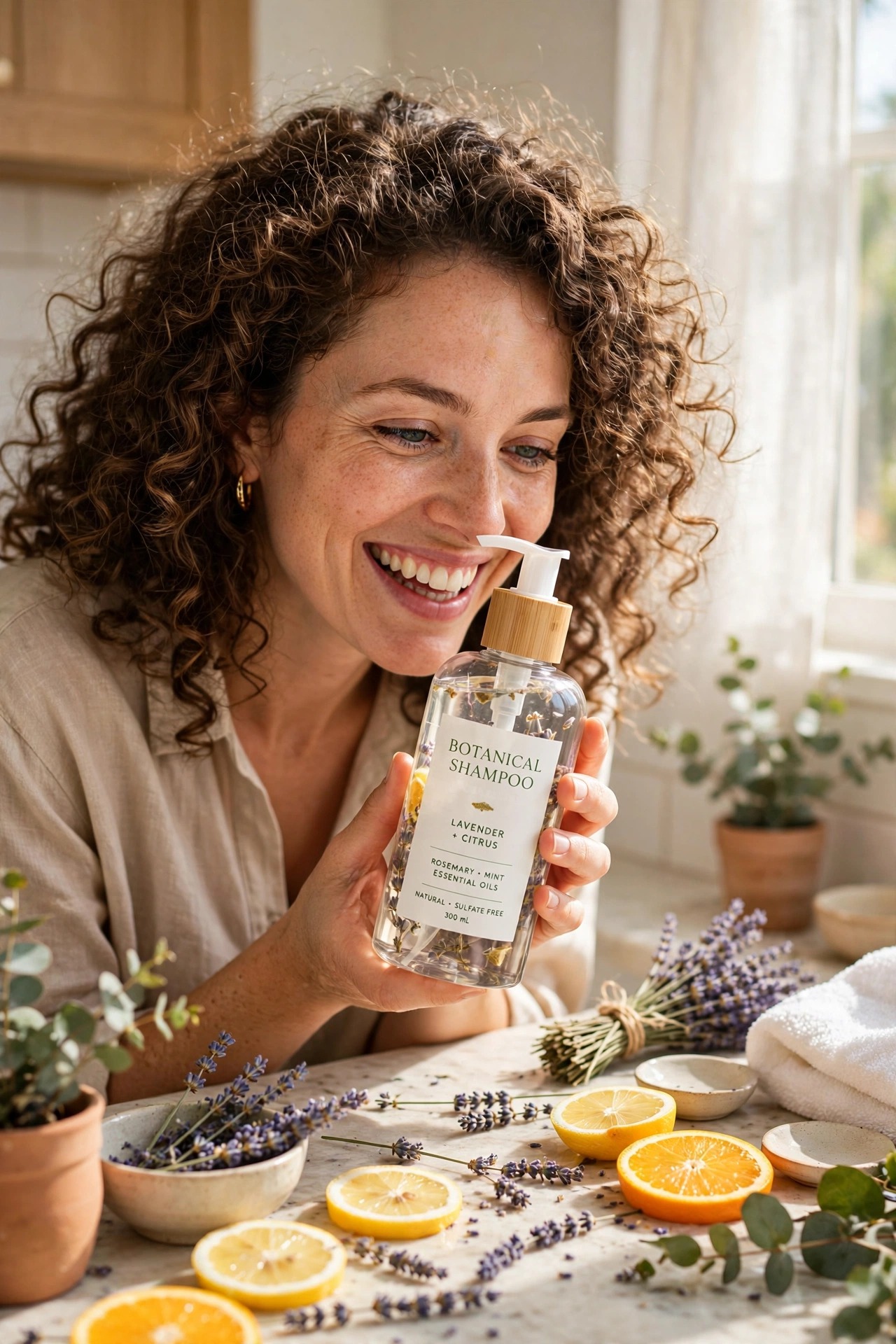
That lovely scent in your shampoo may be the most deceptive line on the whole label, because the single word fragrance can legally hide dozens of undisclosed chemicals. Manufacturers are not required to list each scent chemical separately, so a pleasant floral or tropical aroma may conceal phthalates, solvents, and allergens that never appear by name. For sensitive scalps, this hidden mix is a common trigger for itching, redness, flaking, and even headaches after washing. The longer a scented product sits on your skin, the more time those chemicals have to irritate.
Fragrance free formulas are the safest choice when your scalp reacts easily, while naturally scented products using lavender, rosemary, or citrus essential oils offer a gentler middle ground. Do not confuse fragrance free with unscented, since unscented products can still contain masking scents that hide odor. Read the full ingredient list instead of trusting the front of the bottle, and patch test any new scented product behind your ear first. A calm scalp and fresh-smelling hair can absolutely go together with the right formula. Your scalp deserves honesty on the label, not a mystery blend of hidden chemicals.
Phthalates Hidden Dangers
- Phthalates make fragrances last longer in styling products.
- They rarely appear by name on the label.
- They are linked to hormone disruption and reproductive concerns.
- Look for phthalate free and fragrance free claims.
Phthalates are plasticizing chemicals that help fragrances linger and give styling gels and hairsprays their smooth, flexible texture. You will rarely see the word phthalate printed on a label, because these chemicals usually hide inside the catch-all term fragrance or parfum. Research has linked them to hormone disruption, with concerns around reproductive health and development, which is why many clean beauty brands now advertise phthalate free formulas. Hairspray, gel, and mousse are the most common hiding places, since long-lasting scent and hold matter most there. Awareness is your best defense against these invisible hormone-disrupting chemicals.
Protecting yourself starts with choosing fragrance free styling products or formulas scented only with essential oils. If a product promises an all-day scent that survives wind, rain, and a long commute, check the label twice before buying it. Brands that disclose every scent ingredient openly are usually the safer bet, and a quick check on the EWG Skin Deep database can reveal how a favorite product scores. Small label checks like these keep hormone-disrupting chemicals out of your daily routine without giving up great style. Clean styling can still deliver hold, shine, and beautiful results every day.
Formaldehyde Releasers Warning

- DMDM hydantoin and quaternium-15 slowly release formaldehyde.
- Formaldehyde is a known carcinogen and strong irritant.
- It hides in keratin treatments and some shampoos.
- Avoid heated smoothing treatments containing these preservatives.
Formaldehyde is a known carcinogen and a powerful irritant, yet it still reaches bathroom shelves through preservatives that release it slowly over time. Ingredients such as DMDM hydantoin, quaternium-15, diazolidinyl urea, and imidazolidinyl urea are added to shampoos, conditioners, and keratin smoothing treatments to stop bacteria from growing. As the product ages or warms up, these chemicals release small amounts of formaldehyde gas, which can trigger scalp burns, allergic rashes, watery eyes, and breathing problems, especially during heated salon treatments. Even tiny amounts matter when exposure repeats daily, so take this warning seriously.
The safest move is to avoid formaldehyde releasers entirely, particularly in any treatment that uses heat. Ask your stylist exactly what goes into a keratin or smoothing service before you book, and skip any formula that lists DMDM hydantoin or quaternium-15. At home, scan shampoo and conditioner labels for those same names and choose naturally preserved alternatives instead. Your hair can look sleek and smooth without a known carcinogen, and a careful stylist will always respect a client who asks smart questions first. Safe smoothing exists, so never accept a treatment that risks your health.
Drying Alcohols Alert
- Alcohol denat and isopropyl alcohol evaporate fast and dry hair.
- They appear in hairsprays, gels, and some mousses.
- Fine and curly hair becomes brittle with frequent use.
- Fatty alcohols like cetyl alcohol actually condition hair.
Not every alcohol on a hair label is harmful, and knowing the difference saves you from tossing good products by mistake. Short-chain drying alcohols such as alcohol denat, SD alcohol 40, and isopropyl alcohol evaporate quickly, which helps hairspray dry fast, but they also pull moisture from the hair shaft. Used often in leave-in products, they leave fine, curly, or damaged hair feeling brittle, rough, and far more likely to snap. The damage builds quietly, showing up as split ends and frizz that no conditioner seems to fix. Gentle formulas protect your natural moisture and keep hair resilient.
Fatty alcohols are the friendly cousins here, so do not fear every alcohol you see. Cetyl alcohol, stearyl alcohol, and cetearyl alcohol are thick, creamy ingredients that actually soften and condition hair, and they belong in many excellent conditioners and masks. The rule is simple: avoid drying alcohols high on the list in leave-in formulas, but welcome fatty alcohols anywhere. Check the first five ingredients on every new bottle, and your hair will stay hydrated, flexible, and far less prone to breakage. Smart label reading turns a confusing shelf into a confident, healthy choice.
Silicones And Buildup
- Dimethicone and cyclopentasiloxane coat hair for instant shine.
- The coating blocks moisture from reaching the hair shaft.
- Buildup makes hair look dull, limp, and lifeless over time.
- Clarify occasionally and switch to water-soluble alternatives.
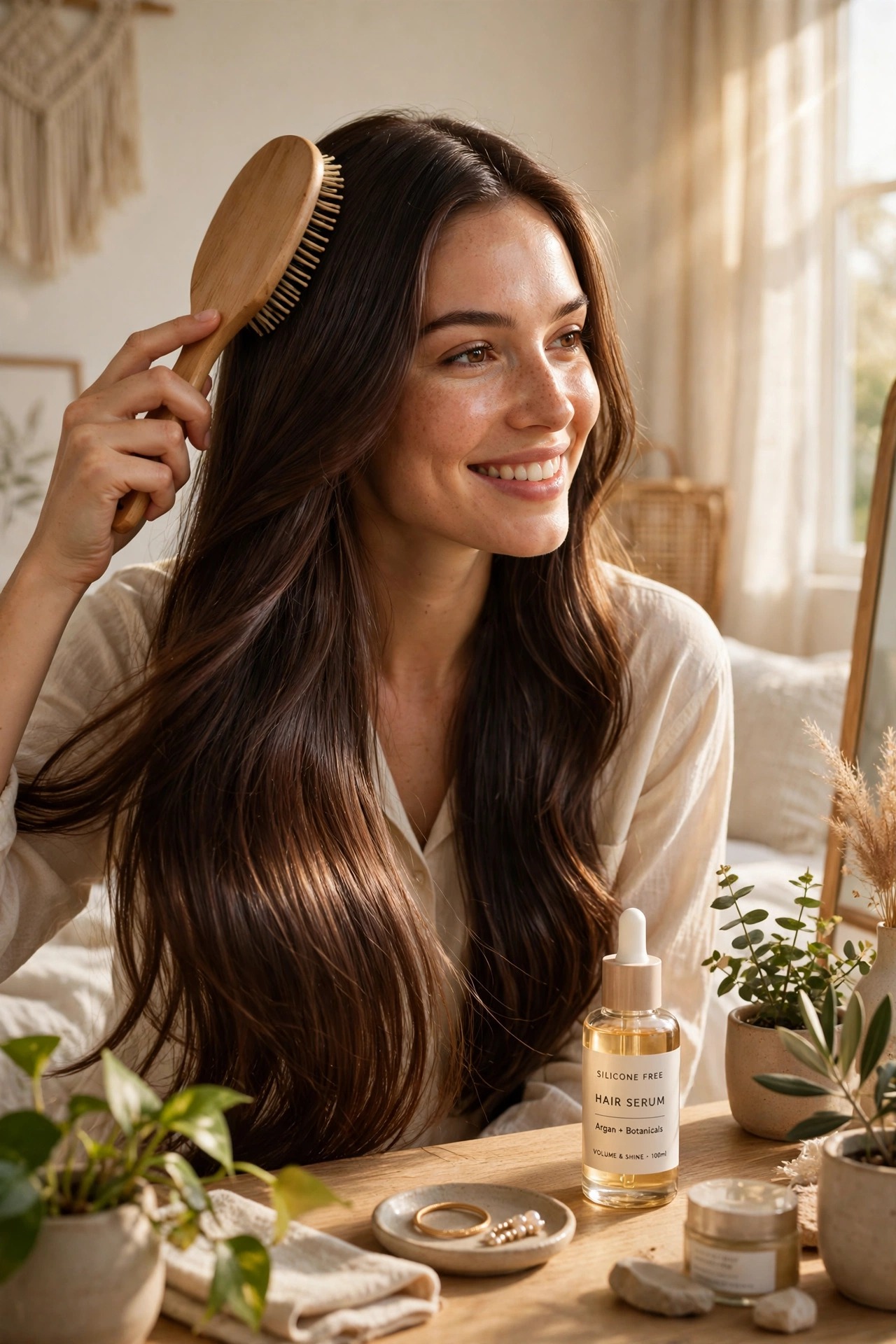
Silicones are synthetic polymers that wrap each strand in a smooth, slippery coating, which is why hair feels instantly silky after using them. Dimethicone, cyclopentasiloxane, and amodimethicone create that glossy, frizz-free finish we all love, yet the shine is mostly an illusion. The same coating blocks real moisture and nutrients from entering the hair shaft, so strands slowly become drier underneath while looking polished on the surface. Over weeks of use, buildup weighs hair down, dulls color, and leaves curls limp and lifeless. True health comes from nourished strands, not from a temporary glossy coating.
Silicones are not the most dangerous item on this list, but they demand a smart strategy if you keep using them. A clarifying shampoo once or twice a month can remove the waxy layer, though harsh clarifiers bring their own problems for dry hair. A simpler path is switching to silicone free conditioners and serums that use argan oil, jojoba oil, or shea butter for genuine softness instead. Your hair will absorb real moisture again, and the shine that returns will come from healthy strands rather than a plastic-like shell.
Mineral Oil Concerns
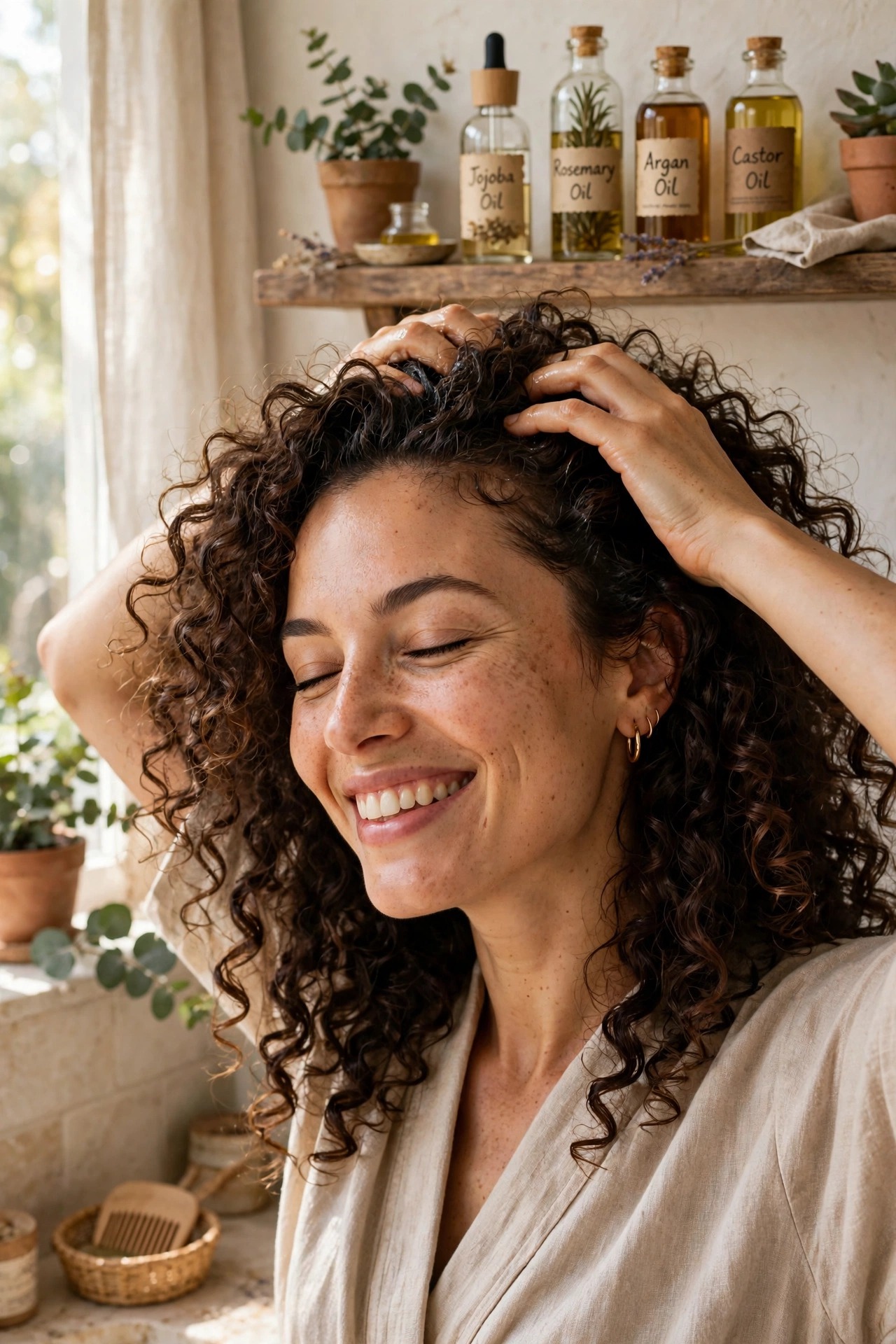
- Mineral oil is a cheap petroleum-derived coating agent.
- It seals the scalp and can trap dirt and sweat.
- Heavy buildup can clog follicles and dull natural shine.
- Plant oils like argan and jojoba nourish instead of coating.
Mineral oil is a cheap, petroleum-derived ingredient that gives hair products a smooth, glossy feel at very little cost to the manufacturer. It works by forming a sealing layer over the hair and scalp, which can lock in moisture briefly but also traps sweat, dirt, and styling residue underneath. Over time, that heavy seal can clog hair follicles, weigh down fine hair, and leave strands looking greasy rather than genuinely healthy. The coating also stops nourishing ingredients from reaching the hair shaft, so deep conditioning treatments work far less effectively.
Plant-based oils offer the same smoothness with real benefits instead of a lifeless barrier. Argan oil, jojoba oil, coconut oil, and sweet almond oil absorb into the hair, deliver fatty acids and vitamins, and leave a natural shine that builds over time. If your current serum or pomade lists mineral oil, paraffinum liquidum, or petrolatum near the top, consider swapping to a plant oil blend. Your scalp will breathe easier, your follicles will stay clearer, and your hair will feel soft for reasons that actually last. Nature offers richer care than any petroleum-derived coating ever will.
Coal Tar Dyes

- Coal tar dyes color hair and treat some scalp conditions.
- They can irritate sensitive scalps and trigger allergies.
- Some coal tar compounds carry long-term health concerns.
- Patch test every dye and consider gentler color options.
Coal tar dyes have colored hair and treated stubborn scalp conditions for decades, yet they remain one of the most debated groups on any caution list. These dark, tar-derived pigments deliver rich, long-lasting color, but they can irritate sensitive scalps, trigger allergic reactions, and stain skin during application. Certain coal tar compounds have also raised long-term health questions in research, which is why some countries restrict their use in cosmetics more strictly than others. People with eczema, psoriasis, or a history of dye reactions should treat these formulas with extra care.
A patch test is non-negotiable before any permanent color, no matter how many times you have dyed your hair before. Apply a small amount behind your ear or on your inner arm, wait the full recommended time, and watch for redness, swelling, or itching. If you react, explore gentler options such as demi-permanent color, henna blends, or ammonia free dyes, and talk to a dermatologist about what suits your scalp. Beautiful color should never come at the cost of a sore, inflamed scalp. Healthy color starts with a calm scalp and a formula you can trust.
Triclosan Antibacterial Risks

- Triclosan is an antibacterial agent once common in cosmetics.
- It can disrupt hormones and irritate the scalp.
- It may contribute to antibiotic resistance over time.
- Many brands have already removed it from formulas.
Triclosan was once added to shampoos, soaps, and scalp treatments as an antibacterial agent, promising extra protection against germs and odor. Research later linked it to hormone disruption, skin irritation, and concerns about antibiotic resistance, which led regulators in several countries to restrict or ban it in many products. The scalp is a poor place for a harsh antibacterial chemical, since it can disturb the natural balance of microbes that keep skin healthy. Allergic reactions, dryness, and flaking are common complaints when triclosan appears in daily hair care. Gentle plant care keeps your scalp balanced without harsh chemical interference.
Most reputable brands have already removed triclosan, but it still turns up in some medicated shampoos and older formulas, so a quick label check is worth your time. Tea tree oil, rosemary extract, and other plant-based ingredients offer gentle antimicrobial benefits without the same risks, and they support scalp comfort rather than stripping it. If a product proudly advertises antibacterial power for everyday washing, pause and read the ingredient list carefully. Healthy scalps need balance and gentle care, not a chemical designed for hospital surfaces. Simple natural care protects your scalp far better than aggressive antibacterial chemicals.
PEGs And Contamination
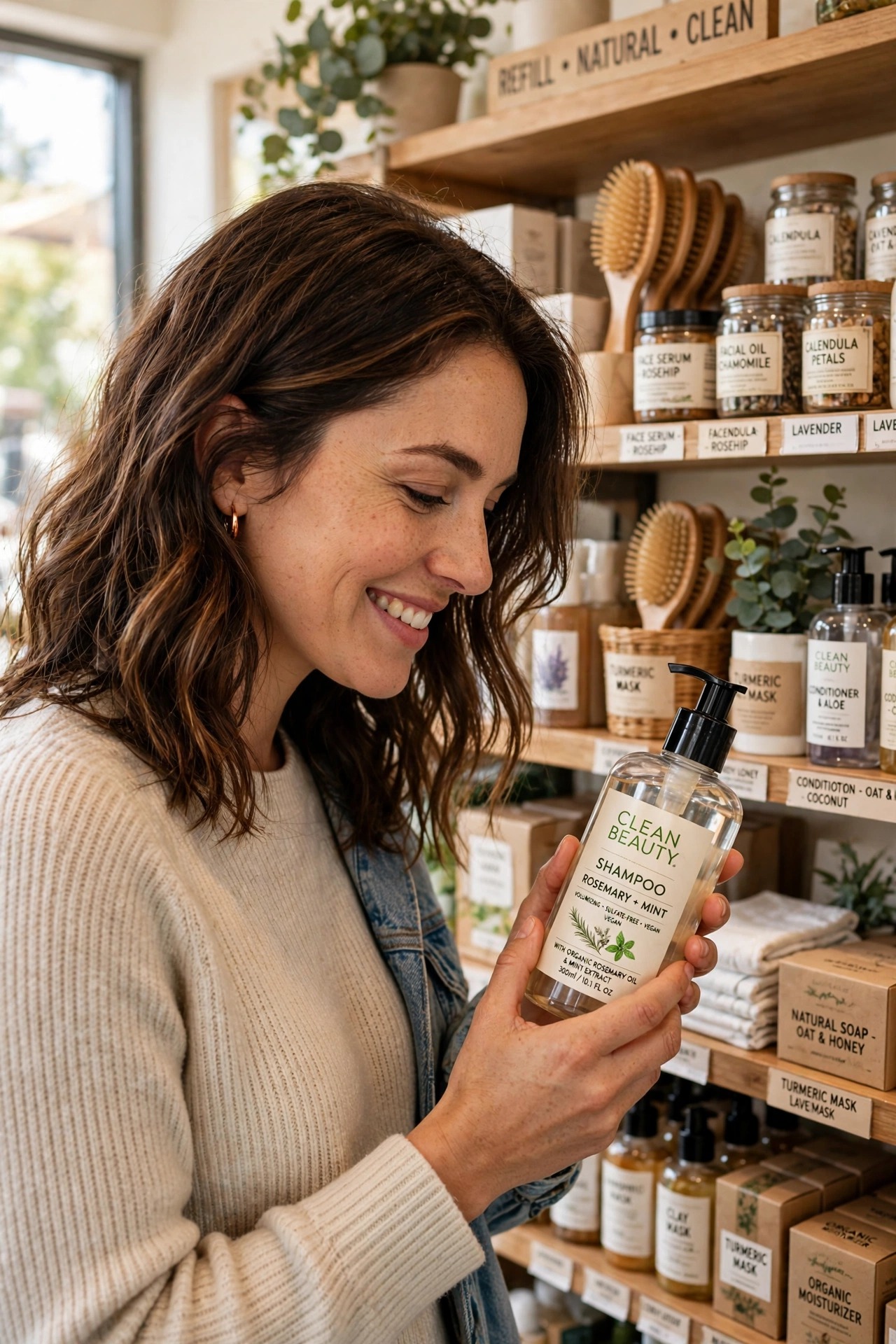
- PEGs help ingredients mix and absorb into skin.
- They can carry traces of 1,4-dioxane contamination.
- PEG compounds appear as PEG-40, PEG-100, and similar names.
- Choose formulas with fewer ethoxylated ingredients.
Polyethylene glycols, better known as PEGs, are used in hair products to help oil and water mix smoothly and to help active ingredients absorb into the skin. You will spot them as PEG-40, PEG-100, laureth, ceteareth, or polysorbate on the label, and they appear in countless shampoos, conditioners, and styling creams. The main concern is not the PEG itself but contamination during manufacturing, when traces of 1,4-dioxane, a probable carcinogen, can remain in the finished product. Sensitive scalps may also react to PEG-heavy formulas with irritation or dryness. Simpler formulas with shorter lists usually mean fewer hidden surprises.
Avoiding every PEG is difficult, since they are so widespread, but you can reduce exposure with a few smart habits. Choose products with fewer ethoxylated ingredients on the label, favor brands that test for 1,4-dioxane, and rotate in simpler formulas with short ingredient lists. A quick search on the Healthline beauty and skin care guides can help you understand how these chemicals work and which ones deserve caution. Cleaner labels usually mean fewer surprises for your scalp and your long-term hair health. Knowledge is power when every bottle promises beauty but hides complex chemistry.
Talc And Powders
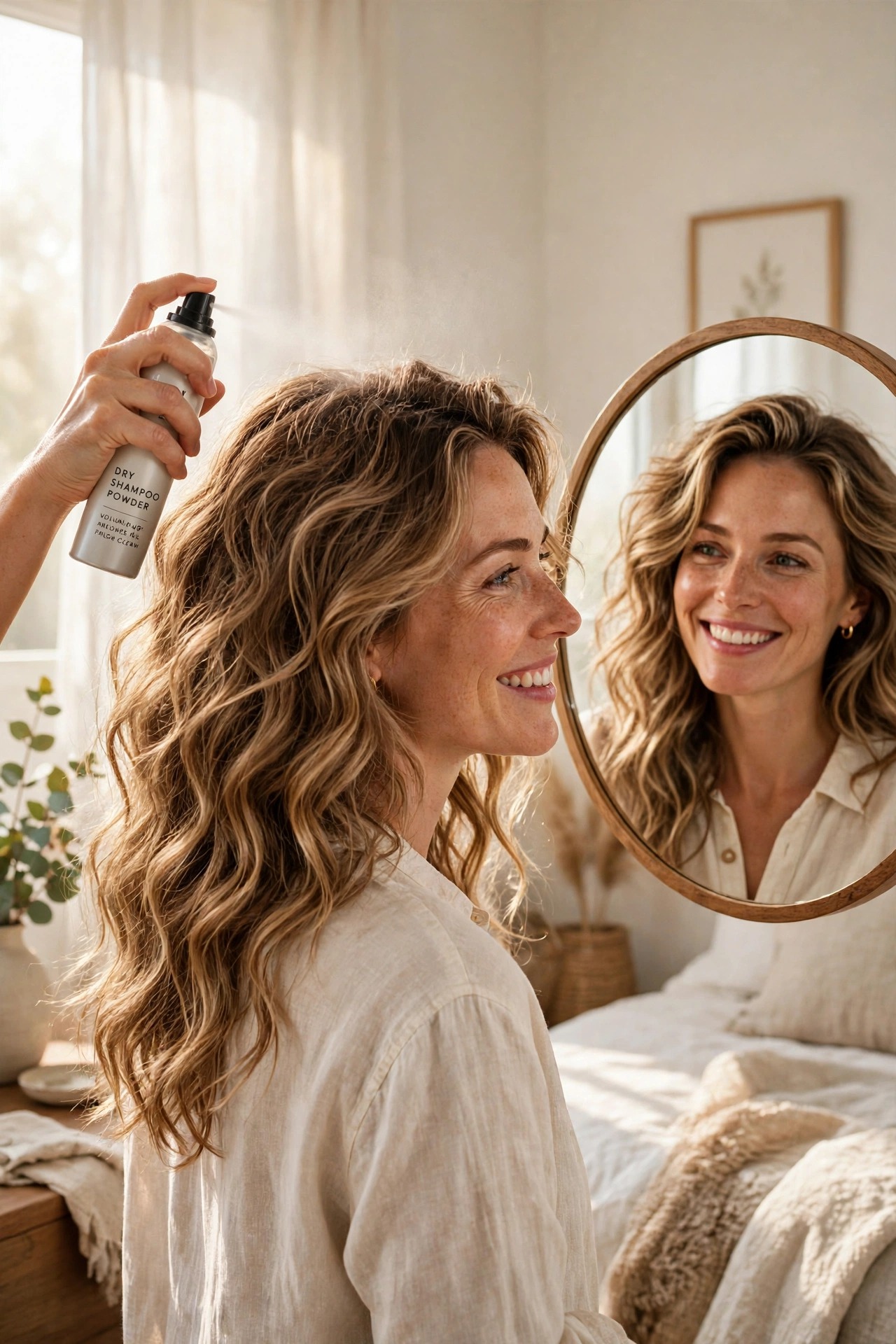
- Talc absorbs oil and adds volume in dry shampoos.
- Some talc can be contaminated with asbestos fibers.
- Frequent powder use may irritate the scalp and lungs.
- Choose talc free dry shampoo with rice or corn starch.
Talc is a soft mineral powder that absorbs oil and adds instant volume, which is why it appears in many dry shampoos and hair powders. A quick spray can rescue second-day hair beautifully, yet talc carries a serious concern: natural talc deposits can sit near asbestos, and contaminated batches have raised long-term health questions for years. Breathing in fine powder during application adds another worry, especially when you use dry shampoo several times a week. Scalp buildup from repeated powder use can also clog follicles and trigger itching. Clean volume should never require breathing in questionable mineral dust.
Talc free dry shampoos made with rice starch, corn starch, or tapioca offer the same oil-absorbing lift without the contamination risk. Apply powder sparingly, hold the can away from your face, and wash your hair properly within a day or two instead of layering powder all week. For extra guidance on safer wash day habits, browse these hair care routines that work and keep your routine simple. Fresh, clean hair should never depend on a powder with a questionable safety record. Starch-based powders lift roots gently while keeping your scalp clean and comfortable.
Choosing safer hair care starts with one simple habit: reading the label before the bottle reaches your shower shelf. Now that you know which ingredients to avoid in hair products, you can spot sulfates, parabens, hidden fragrance, and other risky additives in seconds and reach for gentler formulas instead. Swap one product at a time, give your scalp a few weeks to adjust, and notice how softness, shine, and comfort improve. Healthy hair is rarely about one miracle bottle; it grows from small, informed choices repeated every wash day. Start today, and let every wash move you closer to healthier hair.
FAQ
How do I know if a shampoo is irritating my scalp?
Watch for itching, redness, flaking, or a tight, burning feeling that appears within a day of washing and fades when you switch products. Keep a simple diary of new bottles, note any reaction, and stop using a product that stings. Patch testing behind your ear before full use can save your scalp from a painful flare.
Are sulfate free shampoos good for curly hair?
Yes, sulfate free shampoos are often excellent for curly hair because they clean without stripping the natural oils that keep curls soft, defined, and frizz free. Look for creamy formulas with glycerin, aloe vera, or shea butter, and follow with a rich conditioner. Your curls should feel hydrated, bouncy, and far easier to detangle after washing.
Can I still use hair dye if I have sensitive skin?
Yes, but always patch test at least 48 hours before coloring, even with a brand you have used before. Choose ammonia free or demi-permanent formulas, avoid applying dye directly on irritated skin, and rinse thoroughly. If you react, ask a dermatologist about gentler color options that suit your scalp and hair type.
How long does hair take to recover after switching products?
Most people notice softer, calmer hair within three to four weeks of switching to gentler formulas, as the scalp rebalances and buildup washes away. Fine or damaged hair may need six to eight weeks of consistent care, including regular conditioning and trims. Be patient, stay consistent, and let your hair adjust naturally.