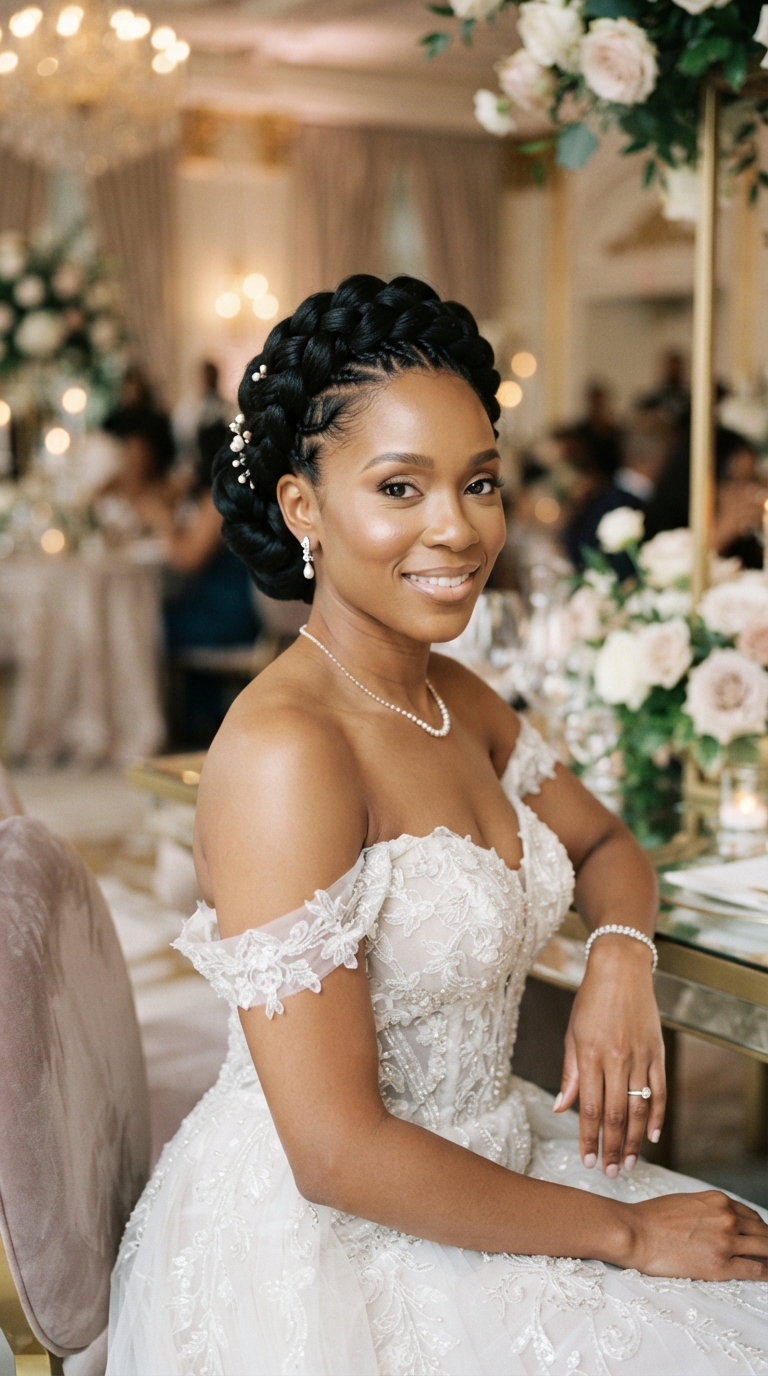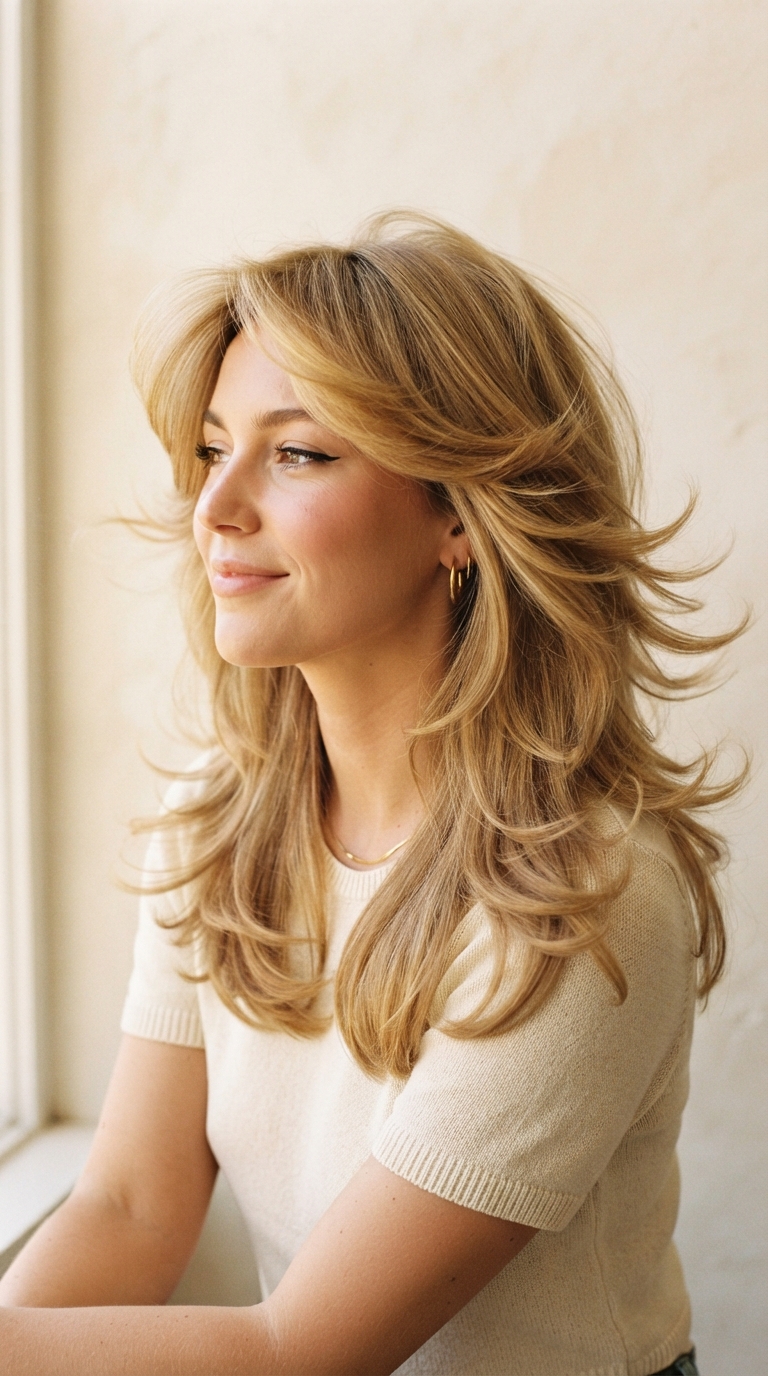
Choosing between the italian bob vs french bob feels tricky because both cuts look effortlessly chic in photos, yet they behave very differently in real life. One is longer, fuller, and gloriously bouncy, while the other is shorter, sharper, and delightfully undone. This guide compares the two European icons side by side, covering length, volume, bangs, face shapes, hair types, styling time, and grow-out, so you can walk into the salon knowing exactly which version suits your features and your mornings. By the end, you will know which Parisian cut deserves your next appointment and how to ask for it with confidence.
The Italian Bob
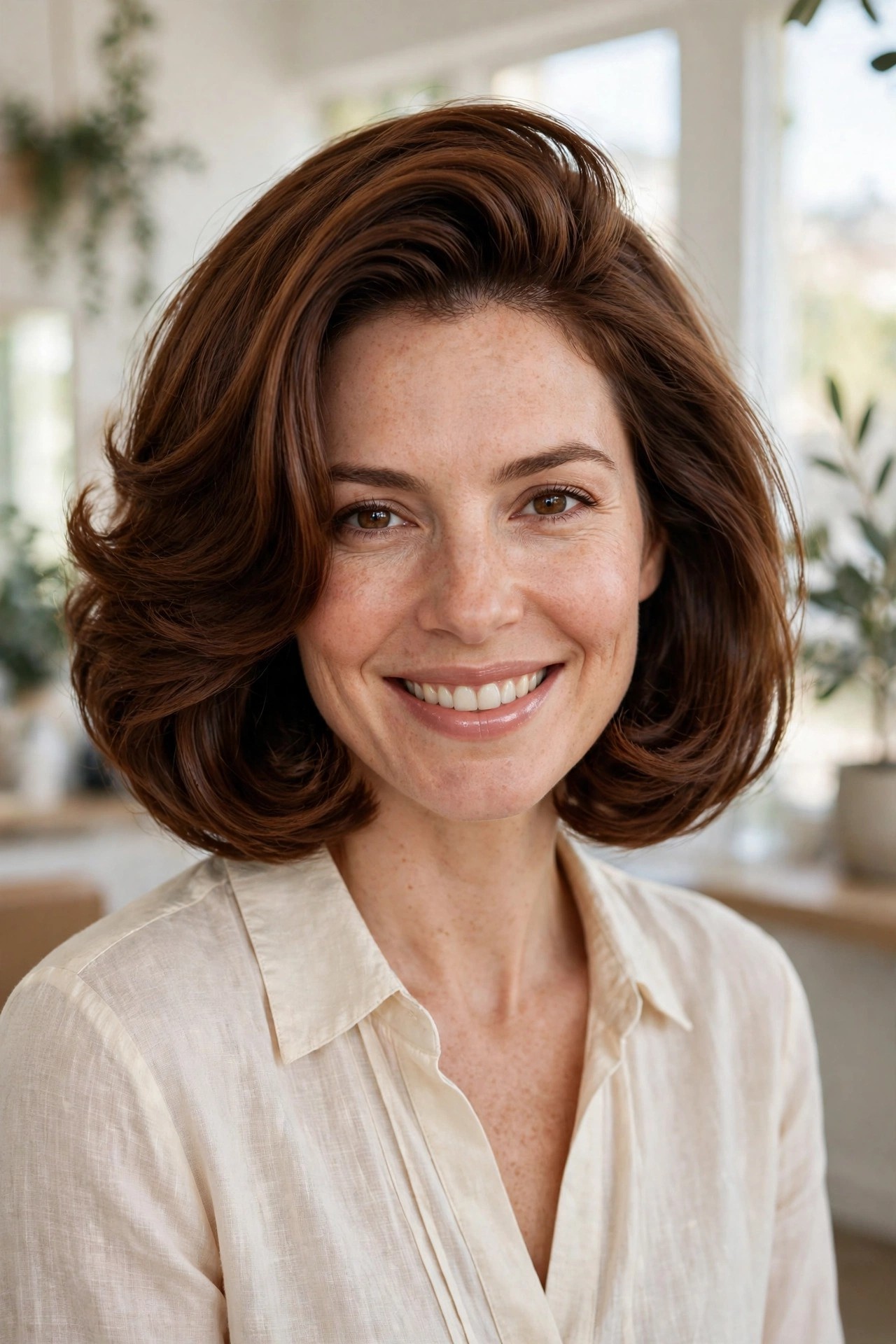
- Chin to collarbone length with a full, rounded silhouette
- Thick blunt ends that curve under or flick out
- Deep side part or soft center part
- Glossy, bouncy blowout finish with visible movement
The Italian bob is the glamorous sibling of the short hair world, made famous by screen icons like Sophia Loren and Monica Bellucci. It usually sits between the chin and the collarbone, with the weight kept low in the ends so the shape stays round, full, and swingy. Hidden internal layers build lift at the crown without thinning the perimeter, which is why the cut looks expensive even on an ordinary day. Stylists often finish it with a round brush blowout, rolling the ends under for that signature bounce. If you love polished hair with presence, this is your cut.
What makes the Italian version special is its drama. It photographs beautifully from every angle because the silhouette is bold and the shine is unmistakable. Thick hair wears it effortlessly, while fine hair needs mousse and a little blow-drying commitment to hold the volume. The extra length also means more versatility: you can tuck it behind one ear, add a clip, or sweep it into a tiny half-up style. For evenings out, weddings, and occasions when you want to feel dressed up, few short cuts deliver this much glamour. The result feels red-carpet ready without ever trying too hard.
The French Bob

- Chin length or slightly above, never past the jaw
- Blunt or softly textured ends with natural movement
- Usually paired with a fringe or wispy bangs
- Tousled, undone, lived-in finish that air-dries well
The French bob is the original Parisian shortcut, tracing its roots to the flapper era of 1920s Paris. It sits at or just above the chin, with blunt ends and very little internal layering, so the shape stays graphic, light, and a little rebellious. A fringe is almost always part of the deal, whether it is a straight brow-skimming line or a soft, wispy curtain that parts in the middle. The whole point is effortlessness: the cut is designed to look good slightly undone, with bends and flicks that feel accidental rather than arranged.
This cut suits women who want short hair without a styling routine. It air-dries beautifully, especially on straight to wavy textures, and it grows out with surprising grace because the shape is simple. Fine hair looks instantly thicker at this length since the weight that pulls it flat is gone. The trade-off is precision: at chin length, even half an inch changes the silhouette, so you need a stylist who understands short cuts. Book a consultation first, and bring photos that show the exact fringe and length you want. Keep a small texturizing spray in your bag for quick touch-ups.
Length And Shape
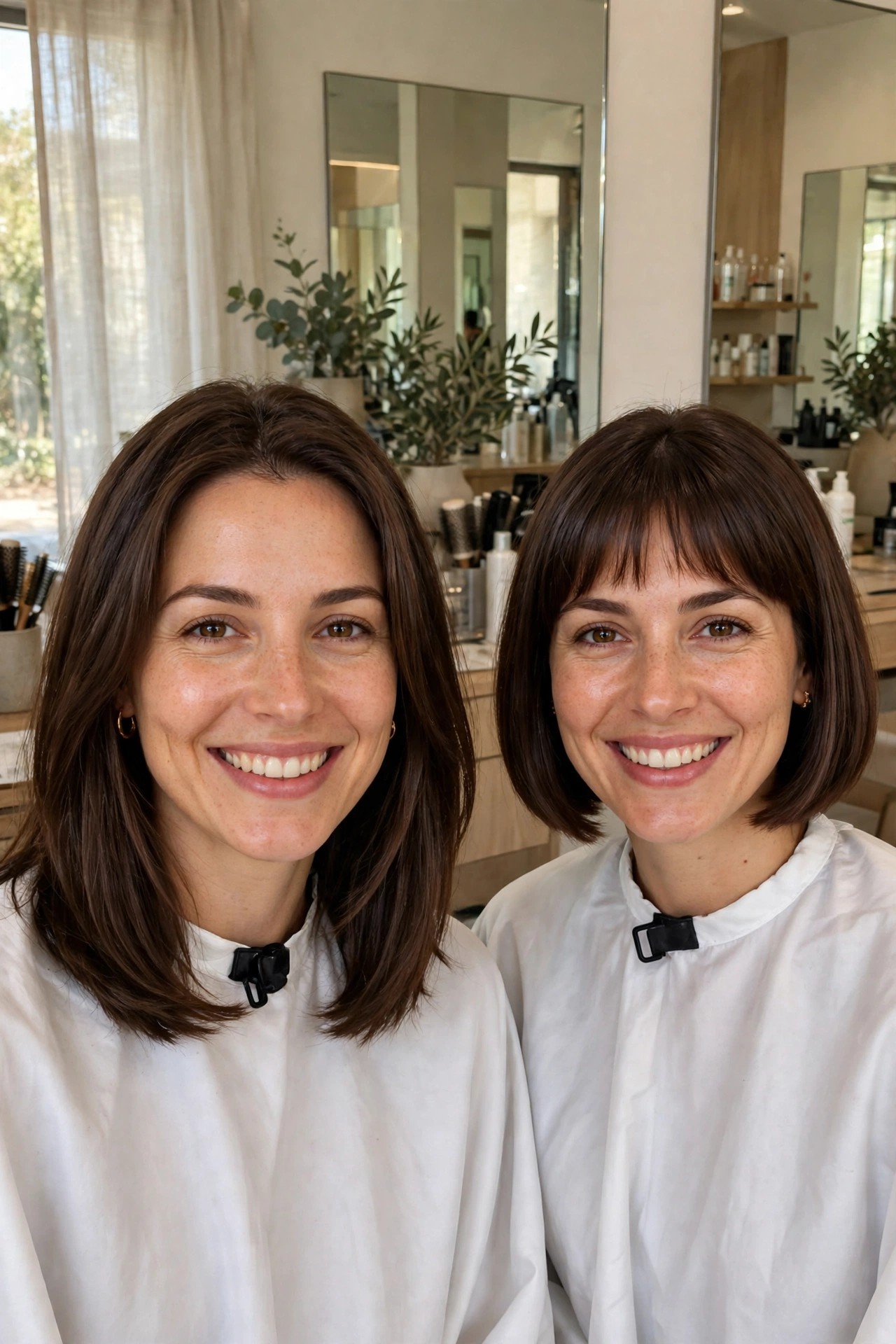
- French bob ends at the chin or just above it
- Italian bob reaches the neck or collarbone
- French shape is flatter and more graphic
- Italian shape is rounder with a fuller perimeter
Length is the easiest way to tell these two cuts apart, and it changes everything about how they behave. The French bob stops at the chin or a touch above, sometimes as high as the cheekbone, which keeps the silhouette compact and the neck fully visible. The Italian bob runs longer, from just below the chin down to the collarbone, giving the hair room to swing, bounce, and hold a curve. That extra inch or two is the difference between a sharp graphic statement and a soft, rounded frame around the face.
Shape follows length closely. A French bob relies on a clean perimeter and minimal layering, so it reads as one strong line with gentle texture at the ends. An Italian bob uses hidden internal layers to build a round, voluminous outline while keeping the outer edge thick and blunt. If you like hair that moves when you turn your head, the Italian shape wins. If you prefer a crisp, architectural line that looks deliberate even when messy, the French shape is the better match for your style. Shorter hair also dries faster and feels lighter on warm days.
Volume And Texture
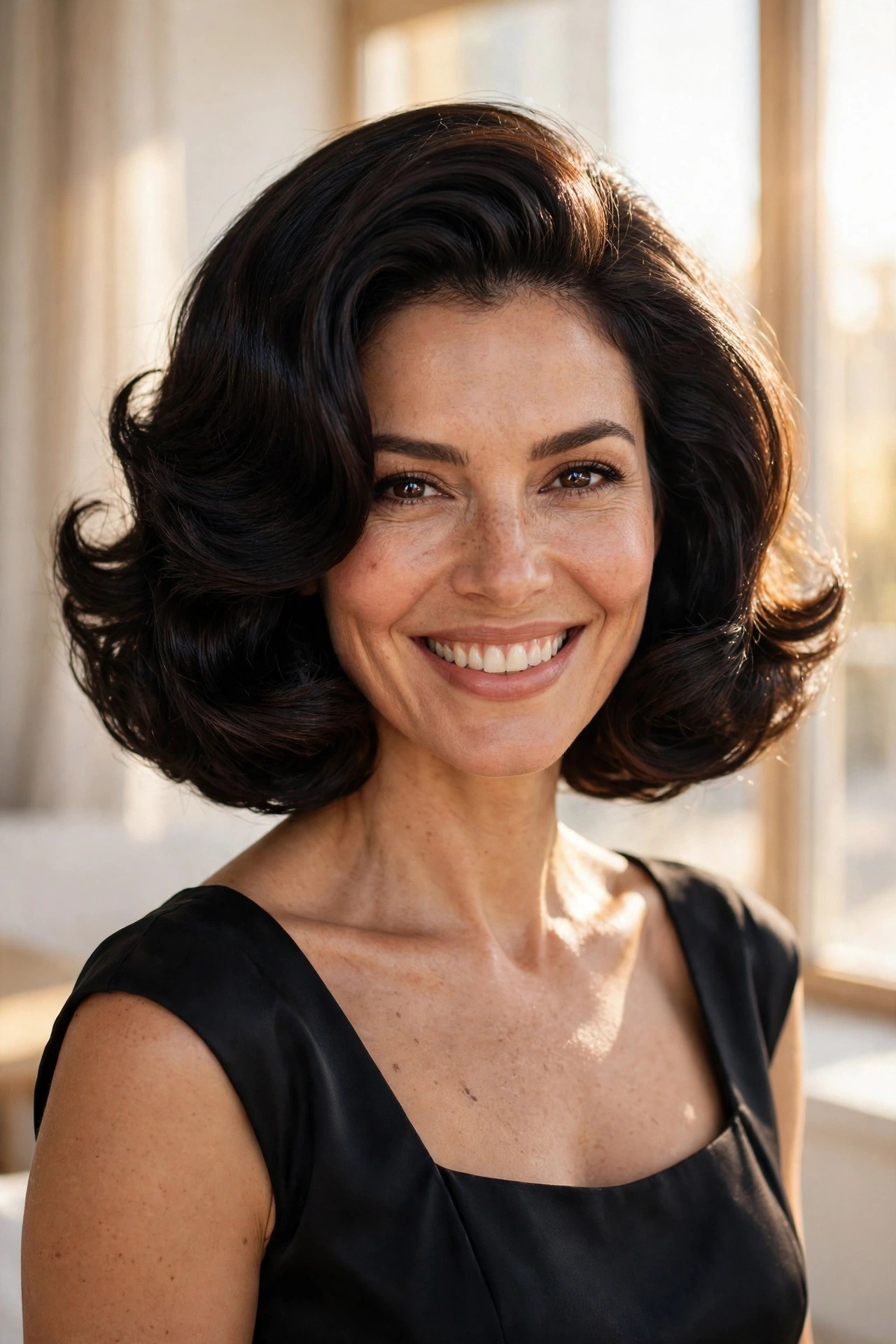
- Italian bob delivers big, bouncy, salon-blowout volume
- French bob stays flatter with natural, airy texture
- Round brush and mousse build Italian volume
- Texturizing spray enhances French movement
Volume is where the Italian bob truly shines. Its longer length and internal layering create a full, rounded silhouette that holds a blowout beautifully, and the thick ends give the cut a luxurious weight that catches the light. A round brush, a little mousse, and five minutes of drying are usually enough to bring the shape to life. Women with thick hair get this volume almost automatically, while finer textures need product and heat to keep the bounce from falling flat by midday. A large round brush and a cool shot at the end lock the shape in place.
The French bob plays a quieter game with texture. It embraces natural movement instead of manufactured volume, so the finish is soft, slightly tousled, and deliberately imperfect. A pea-sized amount of cream or a spritz of texturizing spray is often all it needs, and air-drying usually does the rest. This makes it the better choice for busy mornings and humid days when a blowout would collapse anyway. If you love big hair, go Italian; if you love easy hair, go French. A few drops of shine serum on the ends add polish without weighing hair down.
Bangs And Parting

- French bob usually includes a fringe or wispy bangs
- Italian bob usually skips bangs for a deep side part
- Curtain bangs soften both cuts beautifully
- A center part gives a sleek, symmetrical frame
Bangs are almost a requirement for the French bob and almost an afterthought for the Italian one. The classic French version pairs its short length with a fringe, from a straight brow-skimming line to soft wispy bangs that let a little forehead show through. The fringe balances the strong perimeter and softens the face, which is why so many women fall in love with the cut in the first place. It also hides a high forehead and draws attention to the eyes and cheekbones in the most flattering way. Side-swept bangs blend softly into longer layers.
The Italian bob usually skips the fringe entirely, relying instead on a deep side part or a clean center part to frame the face. That choice keeps the forehead open and lets the volume and shine take center stage. Curtain bangs are the happy middle ground: they work with both cuts, parting softly down the middle and blending into the face-framing layers. If you hate trimming a fringe every three weeks, the Italian route is kinder, while a French fringe rewards you with instant Parisian charm every single morning. Ask your stylist how to blow-dry the fringe at home.
Face Shape Guide

- Oval faces can wear both cuts with ease
- Round faces suit a longer Italian bob best
- Long faces gain width from a French bob
- Heart faces love soft French fringe framing
Neither cut is universally better for every face shape, and the right choice depends on small adjustments your stylist makes to length and fringe. Oval faces are the lucky ones: both cuts flatter them, so the decision comes down to lifestyle and styling time rather than geometry. Round faces usually prefer the Italian bob, since its extra length and volume elongate the face instead of widening it at the cheekbones. A center part and longer front pieces help even more by drawing the eye downward. A soft side sweep keeps the look balanced and easy to wear daily.
Long faces gain the most from a French bob, because its short length and fringe add width where the face needs it and break up vertical lines beautifully. Heart-shaped faces love the French version too, especially with a soft fringe that balances a wider forehead and a narrower chin. Square faces suit both cuts when the ends are softened: ask for textured ends or a slight curve under the jaw to keep the angles from looking too sharp. Explore more bob hairstyles for every face shape before your appointment to compare options.
Hair Type Match

- Fine hair looks thicker in a short French bob
- Thick hair carries Italian volume beautifully
- Wavy hair adds natural movement to both cuts
- Curly hair needs dry cutting for either version
Hair type matters more than most people expect when choosing between these two cuts. Fine hair often looks its best in a French bob, because the short length removes the weight that pulls it flat, and the blunt perimeter makes the ends look denser. The Italian bob can work for fine hair too, but it asks for mousse, a round brush, and regular styling to keep its volume alive. Lightweight volumizing mousse at the roots helps the shape hold all day. Without that effort, the longer shape can fall flat and lose the bounce that defines it.
Thick hair is the Italian bob's natural partner, since density fills out the rounded silhouette and holds a blowout for hours. Wavy hair adds gorgeous movement to both cuts, giving the French version a tousled edge and the Italian version a soft, romantic swing. Curly hair needs a stylist who cuts dry and shapes the curl pattern carefully, because either bob can turn boxy if the volume sits in the wrong place. Coily textures shine in a sculpted, rounded Italian shape with careful layering. A good stylist will adjust the layering to suit your exact curl pattern.
Styling Time Daily

- French bob is practically wash-and-go each morning
- Italian bob needs a five-minute round brush blowout
- Air-drying suits the French cut perfectly
- Heat protectant keeps Italian blowouts healthy
Your morning routine may decide this haircut for you. The French bob is famously low-effort: wash it, scrunch in a little cream or texturizing spray, and let it air-dry while you get dressed. The cut is built to look good slightly undone, so bedhead texture works in your favor instead of against you. Most women need under five minutes, and some need none at all, which makes it perfect for school runs, early shifts, and anyone who refuses to own a round brush. A silk pillowcase also helps the style survive the night looking fresh.
The Italian bob asks for more and gives more back. Plan on five to ten minutes with a round brush and a blow dryer to build the volume and curve the ends under, plus a light shine spray to finish. It is not a difficult routine, but it is a real one, and skipping it leaves the cut looking flat. On the other hand, the result turns heads in a way the French version rarely tries to. Choose honestly: if you will not blow-dry, pick the cut that does not need it.
Grow Out Gracefully

- Italian bob grows out gracefully into a lob
- French bob needs trims every six weeks
- A lob phase keeps grown-out hair stylish
- Regular dusting prevents split ends during grow-out
Grow-out is the hidden cost of any short cut, and these two behave very differently as the weeks pass. The Italian bob grows out gracefully because its longer starting length and soft layers slide naturally into a lob, so you can stretch appointments to eight or ten weeks without looking unkempt. The shape stays wearable, and a quick trim every couple of months is enough to keep the ends healthy and the volume balanced. A gloss treatment between appointments keeps the color rich and the ends smooth. This makes it the friendlier choice if salon visits are hard to schedule.
The French bob is pickier about maintenance. Its short, graphic length loses its edge after about six weeks, creeping toward a longer bob that no longer reads as Parisian. The fringe needs attention even sooner, often every three to four weeks, or it starts poking the eyes. That said, the grow-out phase has its own charm if you lean into it: the in-between length works beautifully as a soft, textured bob. Budget for regular trims, and the French cut will reward you with sharpness every single day. Take photos as it grows to show your stylist the shape you love.
Salon Consultation Tips

- Bring three reference photos of your chosen cut
- Tell your stylist your real daily styling time
- Mention your natural texture and growth pattern
- Ask how often the cut needs trimming
A great consultation is the difference between the bob you dreamed about and the bob you actually get. Bring three reference photos that show the cut from the front, the side, and the back, and be honest about how much time you spend on your hair each morning. Your stylist needs to know your natural texture, your cowlicks, and whether you air-dry or blow-dry, because all of it changes how the cut should be shaped. Ask what the cut will look like on day three, not just fresh from the chair.
The right questions save you from regret. Ask how often the cut needs trimming, whether your texture suits a fringe, and what products you will need at home. A good stylist will also tell you honestly if your hair is too fine for the volume you want, or too thick for the flat finish you pictured. For more inspiration before you book, browse short bob hairstyles and save the looks that match your face shape. Then trust your stylist to adapt the reference to your real hair. Honest answers now prevent disappointment later, so speak up during the consultation.
Color And Shine
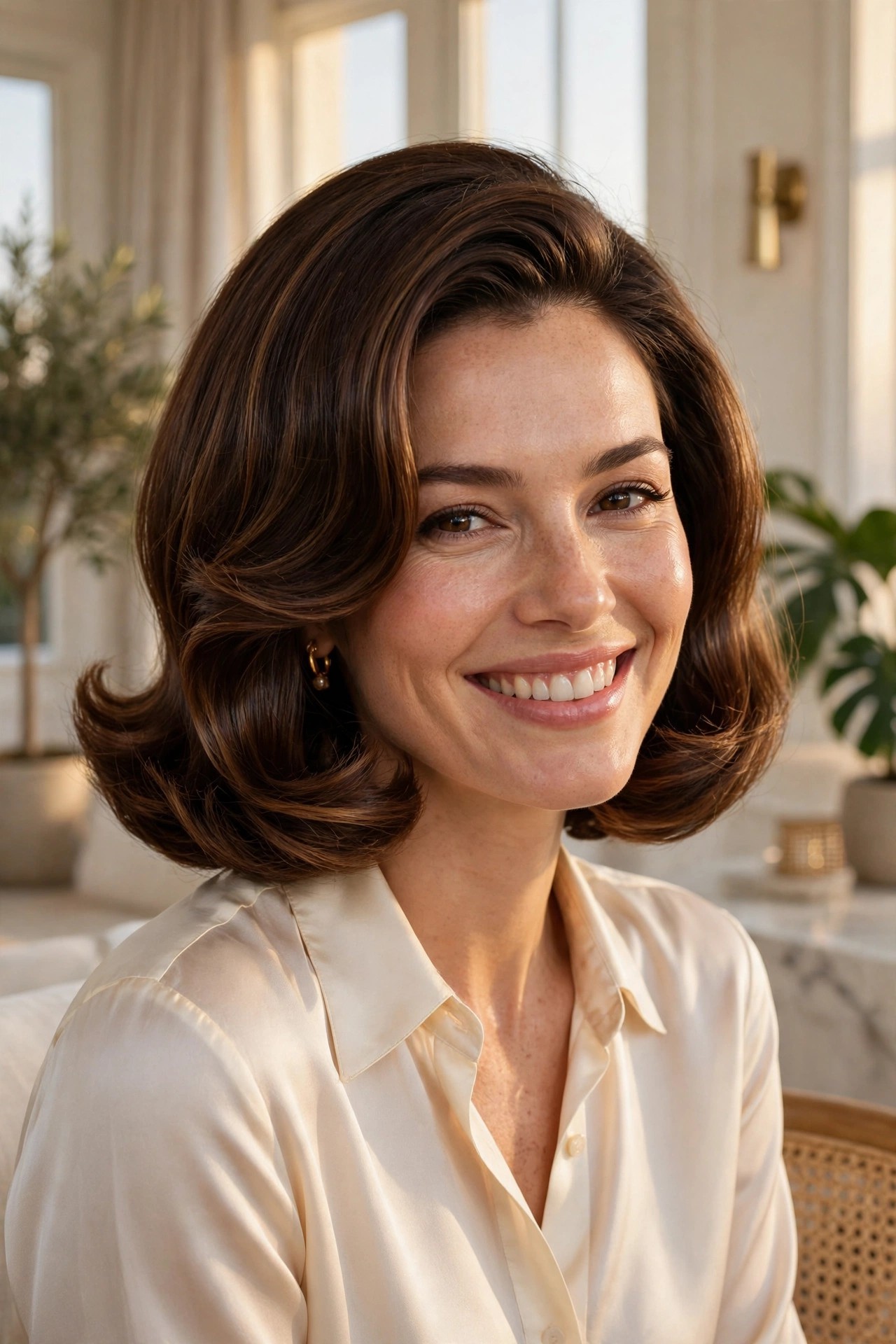
- Glossy dark shades make Italian volume look expensive
- Balayage adds dimension to both bob styles
- Sun-kissed highlights brighten a French bob
- Gloss spray keeps either cut looking polished
Color can tilt the whole comparison, because shine and dimension change how each cut reads. The Italian bob loves glossy, rich shades: espresso brown, deep chestnut, and dark chocolate make the volume look expensive and the curve of the ends more visible. Subtle balayage through the mid-lengths adds movement and stops the shape from looking heavy. A shine spray or a gloss treatment once a month keeps the finish mirror-like, which is the whole point of this glamorous cut. Ask for a clear gloss if you want shine without changing your color.
The French bob takes color in a lighter, more playful direction. Sun-kissed highlights, soft blonde ribbons, or a gentle copper wash bring out its texture and make the fringe look softer and more dimensional. Because the cut is shorter, color grows out faster and needs refreshing more often, so low-maintenance options like a root shadow or a few face-framing pieces are smart choices. A weekly hair mask keeps the ends hydrated and the color looking fresh. Read the Byrdie French bob guide for styling inspiration and color ideas that flatter short lengths.
Which Cut Wins
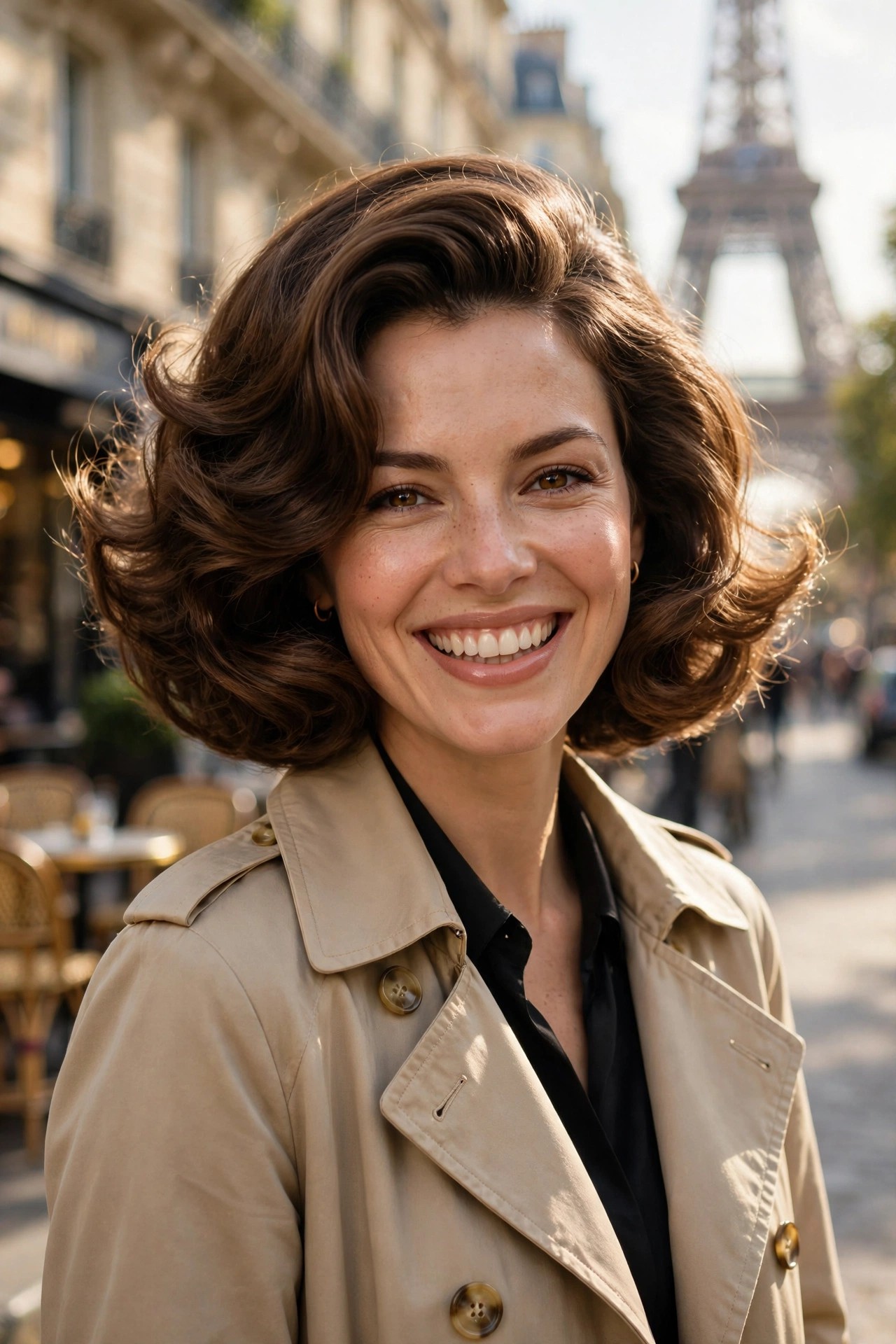
- Choose Italian for glamour, volume, and versatility
- Choose French for ease, edge, and low maintenance
- Your hair type and mornings decide the winner
- Either cut can be tailored to your face
So which cut wins? The honest answer is that it depends on what you value most. Choose the Italian bob if you love glamour, volume, and versatility, and you are happy to spend a few minutes with a round brush each morning. It is the better choice for thick hair, special occasions, and anyone who wants their haircut to feel like an outfit in itself. The longer length forgives grow-out and gives you more ways to wear it, from sleek to wavy to half-up. It also photographs beautifully, which matters if you love sharing your style online.
Choose the French bob if you want ease, edge, and a cut that looks chic without trying. It is the better choice for fine hair, busy mornings, and anyone who loves that effortless Parisian attitude. It needs more frequent trims, but it asks almost nothing of you day to day. Whichever you pick, bring reference photos, tell your stylist the truth about your routine, and enjoy the chop: both cuts are timeless, and both will turn heads for all the right reasons. Book the appointment, bring your photos, and enjoy the fresh new feeling.
Both cuts are beautiful, and the right choice comes down to your hair, your face, and your mornings. The italian bob vs french bob debate has no single winner, because glamour and ease are both worth wanting. If you crave volume, shine, and a polished finish, go Italian and enjoy the blowout ritual. If you crave simplicity, edge, and wash-and-go freedom, go French and let your natural texture lead. Show your stylist this guide, point to the photos you love, and walk out with a Parisian cut that feels unmistakably yours.
FAQ
How long do these bob cuts last between trims?
A French bob usually needs a trim every six weeks to keep its sharp chin-length shape, while an Italian bob can stretch to eight or ten weeks because its longer length grows into a lob gracefully. Fringe trims come sooner, often every three to four weeks. Regular dusting keeps split ends away and protects the shine of either cut.
Are these bobs good for thin or fine hair?
Yes, both can work beautifully for fine hair with the right approach. A French bob is often the safer bet because its short length and blunt ends make hair look thicker instantly. An Italian bob needs mousse, a round brush blowout, and light layers to create lasting volume without weighing fine strands down.
Which cut is easier to style every morning?
The French bob is the clear winner for easy mornings, since it air-dries well and looks intentionally undone with just a little texturizing spray. The Italian bob needs five to ten minutes with a round brush to build its signature bounce. Your routine, not the trend, should decide.
Can I wear these bobs to a wedding or formal event?
Absolutely, both cuts dress up beautifully for formal occasions. An Italian bob shines with a bouncy blowout, soft curls, or a jeweled clip for weddings and parties. A French bob looks striking sleek with a deep side part or with a delicate headband for an elegant evening.