Choosing between lightening just the top layers or brightening your whole head can feel confusing, and partial balayage vs full balayage is the comparison every colour-curious woman eventually faces before booking a salon appointment. Both techniques use the same hand-painted, sun-kissed method, yet they deliver very different results in brightness, cost, upkeep, and grow-out. The right choice depends on your hair length, your budget, how often you want salon visits, and how bold you want the change to look. This guide walks through coverage, price, maintenance, face-framing, hair types, and styling, so you can walk into your appointment confident, ask the right questions, and leave with colour that truly suits your life.
Coverage And Placement

- Targeted brightness sits on the crown, top layer, and face-framing pieces only.
- Fuller coverage sweeps light through lower layers, underneath sections, and the back.
- Hair worn up reveals untreated sections, so placement matters beyond the front view.
Coverage is the first thing to understand, because the two services paint light in very different places across your head. A lighter, targeted service focuses on the crown, the top layer, and the pieces around your face, leaving the underneath sections and the back mostly untouched. The fuller service sweeps colour through the whole head, including lower layers and the back, so brightness shows from every angle when your hair moves. That difference matters most when you wear your hair up, because hidden sections suddenly become visible and can look much darker than the top.
Think about how you actually wear your hair day to day before you choose, because placement should match your habits rather than a photo you liked once. If you mostly wear it down and loose, targeted brightness can look surprisingly complete, since the visible top layer carries the whole effect. If you love ponytails, buns, and braids, fuller coverage keeps the colour consistent when sections flip and twist. Ask your colourist to show you placement on your own parting and your usual updo, not just on loose hair. A quick mirror check with your hair tied up settles it fast.
Cost And Salon Time

- Targeted services usually cost fifteen to twenty percent less than fuller ones.
- Fuller services take two to three hours, while lighter ones often finish faster.
- Prices vary by salon, city, hair length, thickness, and stylist experience.
Price is often the deciding factor, and the gap between the two services is real but easy to understand. A targeted service paints fewer sections, uses less lightener and toner, and finishes sooner, so salons usually charge fifteen to twenty percent less for it. A fuller service treats the whole head, needs more product, more foils or sections, and a longer appointment, which pushes the price higher. Always ask for a quote that includes toning and a gloss, because those finishing steps are sometimes billed separately and can surprise you at checkout.
Time in the chair matters just as much as money, especially if you have a busy schedule or little patience for long appointments. A lighter service often takes around ninety minutes to two hours, while a fuller service can stretch to three hours or more on long, thick hair. Remember that consultation, processing, rinsing, toning, and blow-drying all add minutes. Book a morning slot when you can, bring something to read, and confirm the total time estimate before your colourist begins painting. Arrive with clean, dry hair for the most even result.
Maintenance And Touch-Ups

- Both options grow out softly without harsh lines, unlike traditional foil highlights.
- Fuller colour may need a toner refresh every eight to twelve weeks.
- Targeted colour can stretch three to four months between salon visits.
One of the biggest reasons women love hand-painted colour is how gracefully it grows out, and both options share that gentle, lived-in regrowth. Because the lightener is painted softly near the roots and heavier toward the ends, there is no sharp stripe when new growth appears. A lighter service needs even less upkeep, since most of your natural base stays untouched and the bright pieces simply drift lower over time. Choosing low maintenance hairstyles between appointments also helps the colour look fresh for longer without extra salon trips all year long.
Fuller colour still grows out softly, yet it asks a little more from you between visits. With more lightened hair overall, brassiness shows sooner, so a toner or gloss refresh every eight to twelve weeks keeps the tone creamy instead of yellow. Use a sulfate-free shampoo, wash less often, and apply a weekly mask to protect the lighter lengths. Purple shampoo once a week can cool unwanted warmth, but overusing it can dull the colour, so use it sparingly and watch how your hair responds. Your colour will thank you for the gentle routine.
Face-Framing Brightness
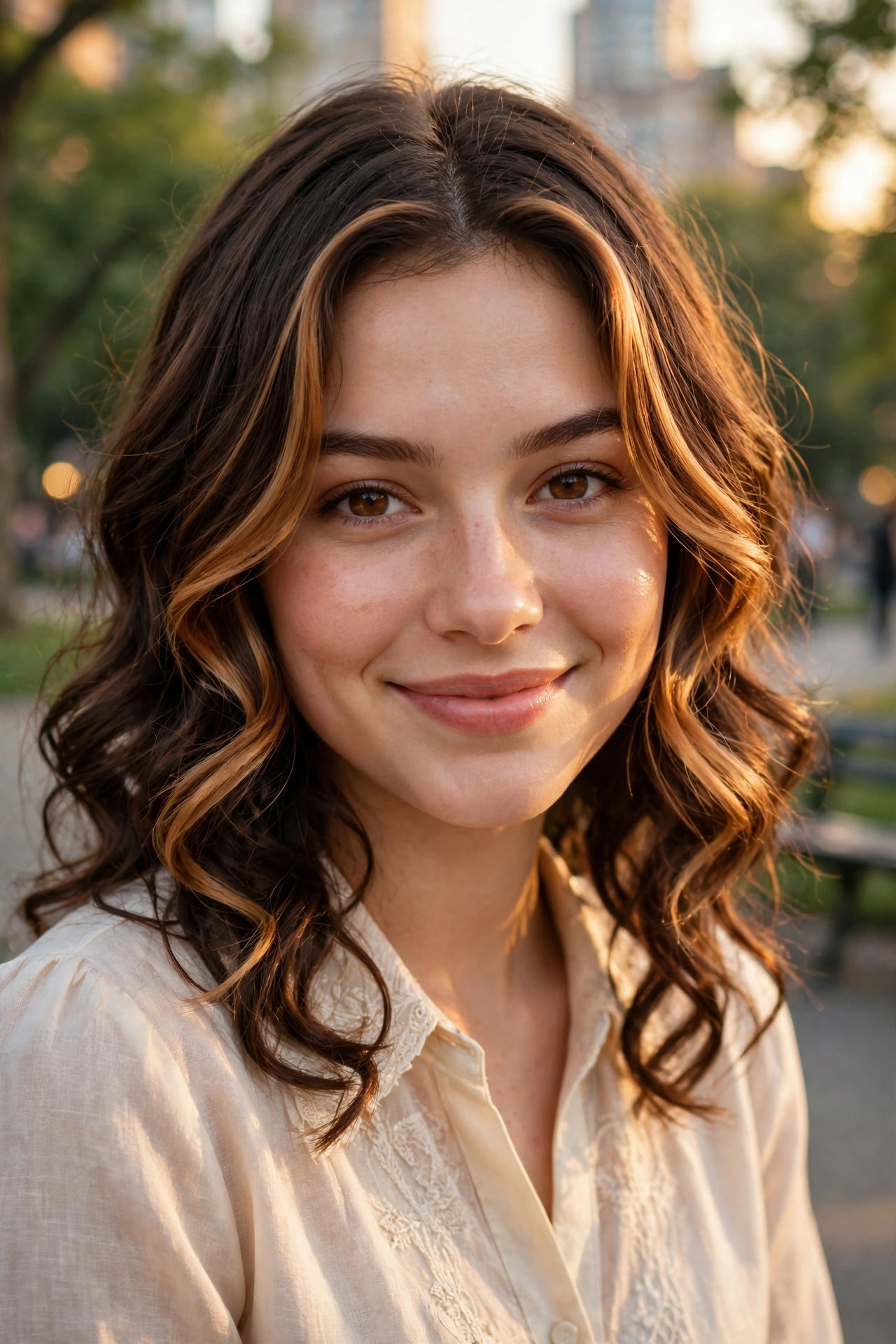
- Bright pieces near the face lift your features and brighten your skin instantly.
- Money pieces are the boldest face-framing ribbons, starting near the hairline.
- Softer framing suits first-timers and women who prefer subtle change.
Face-framing pieces are the secret weapon of both services, because the strands around your face change your whole look with very little colour. A few brighter ribbons near the hairline can make your skin look fresher, your eyes brighter, and your features more lifted, even when the rest of your hair stays deep and natural. This is why many women start with a targeted service focused on the front, since it delivers a visible glow without committing the whole head. Your colourist can adjust the brightness from soft and whispery to bold money pieces.
The placement of those front pieces deserves a real conversation before any lightener touches your hair. Tell your stylist whether you want the brightness to start high near the roots or lower near the cheekbones, because that starting point changes how the colour grows out. Higher placement looks bolder and needs toning sooner, while lower placement grows out almost invisibly. Bring photos of framing you love, point to the exact spot on your own face, and agree on the tone together. That small chat prevents disappointment and guarantees a result you will truly love wearing daily.
Grow-Out And Regrowth

- No harsh demarcation line appears, since roots stay soft and diffused.
- Most clients stretch appointments to ten to sixteen weeks comfortably.
- A gloss refresh can revive tone without a full lightening session.
Grow-out is where hand-painted colour truly earns its reputation, because it fades into your natural base instead of announcing itself with a stripe. Traditional foil highlights start right at the scalp, so regrowth shows within weeks, but painted colour leaves the roots soft and diffused. Most clients comfortably wait ten to sixteen weeks between full appointments, and many simply book a quick gloss in between. That slower rhythm saves money, saves time, and keeps your hair healthier over the year. Ask your stylist how long your own colour should realistically last between appointments.
The grow-out experience differs slightly between the two services, though both stay graceful for months. With targeted colour, the regrowth is barely noticeable, because most of your hair was never lightened at all and the bright ribbons just sit lower as hair grows. With fuller colour, the contrast between dark roots and light lengths becomes more visible around month three or four, which is when many women book a refresh. Reading a trusted guide like the partial balayage guide from Hair.com can help you picture the timeline before you commit to either option.
Best Hair Lengths

- Short hair shows targeted brightness beautifully with very little product.
- Medium lengths suit both services and show dimension in waves and curls.
- Long hair benefits most from fuller coverage and layered placement.
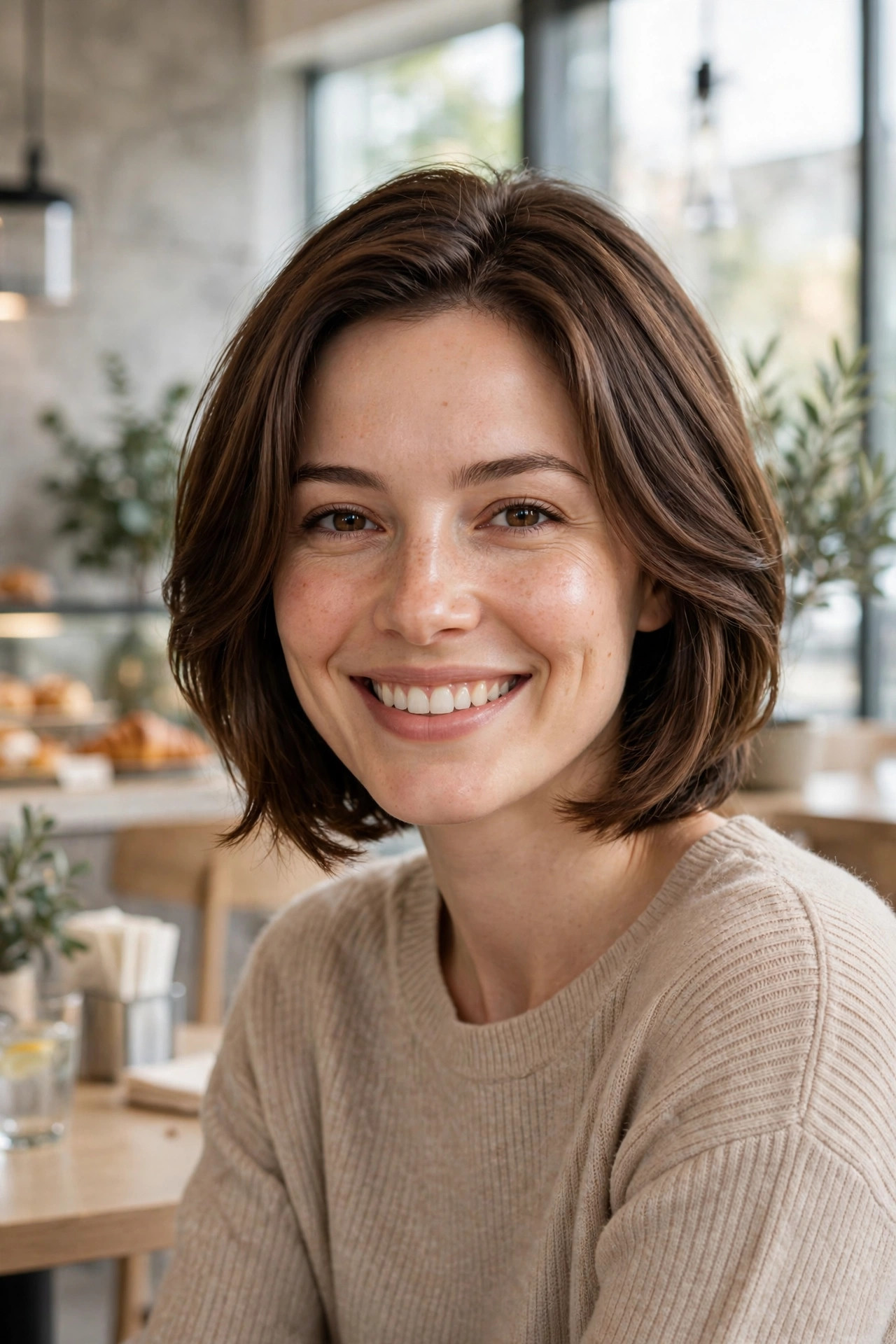
Hair length changes how each service looks, so your cut should guide your choice as much as your colour goals. Short hair, like a bob or lob, shows targeted brightness beautifully, because the light sits close to the face and the ends where everyone looks. Medium hair is the most flexible length, suiting both services equally well, and waves or curls reveal the dimension from every side. Long hair gives your colourist the most canvas to work with, and fuller coverage often looks more balanced there. Your cut and your colour should always work together beautifully.
Very long hair deserves special thought, because targeted colour can disappear into the lengths if the bright pieces are too few. When hair falls past the shoulders, the underneath layers carry a lot of visual weight, so fuller placement keeps the colour visible when hair moves, flips, or gets tied up. On the other hand, a short pixie or cropped cut may not have enough length for a full sweep to shine, making a lighter service the smarter, cheaper choice. Discuss your length and your dream photos with your stylist first.
Fine And Thick Hair

- Fine hair gains the illusion of fullness from well-placed lighter ribbons.
- Thick hair needs more sections painted so brightness shows through the density.
- Over-lightening fine hair can weaken strands, so gentler placement protects it.
Fine hair and thick hair react very differently to lightener, and your texture should shape the plan. Fine hair gains an instant illusion of fullness when lighter ribbons are placed through the top layers, because the contrast creates depth and movement where flat colour looks limp. A targeted service is often perfect here, since it adds dimension without stressing every strand. Keep the lift gentle, ask for a bond-protecting treatment, and avoid going several shades lighter in one sitting if your hair is delicate. A soft gloss finish adds shine without any extra damage.
Thick hair tells a different story, because its density can swallow light that sits only on the surface. If only the top layer is painted, the brightness may vanish the moment your hair moves or gets tucked behind your ears. Fuller coverage works better for thick hair, since light is painted through the interior layers too, so dimension appears from every angle. Explore more ideas in our balayage hair ideas collection, and ask your stylist how many sections your density truly needs before booking. The right placement makes even the thickest hair look light and airy.
Curly And Wavy Hair

- Curls show painted colour in ribbons that catch light as they move.
- Wavy hair blends colour softly, making regrowth nearly invisible.
- Dry cutting and painting on dry curls helps placement follow the curl pattern.
Curly hair is one of the best canvases for hand-painted colour, because each curl catches light differently and turns simple ribbons into living dimension. When lightener is painted onto curls, the colour lands on the outer curves where the sun would naturally hit, so the result looks organic and sun-kissed. A targeted service can be stunning on curls, since a few bright pieces scattered through the top layers create depth without overwhelming the pattern. Always ask whether your stylist paints on dry hair, because curls shrink and shift when wet.
Wavy hair blends painted colour even more softly, which makes regrowth almost invisible for months. The gentle S-shaped waves diffuse the edges of each ribbon, so there are no stripes and no harsh lines anywhere. Fuller coverage on wavy hair creates a gorgeous all-over glow, while a lighter service keeps the look beachy and effortless. Use a curl cream or sea salt spray to encourage the wave pattern, and let the colour shine through natural texture rather than hiding it under heavy straightening every day. Embrace your natural texture and let the colour do the talking.
Colour Depth Choices
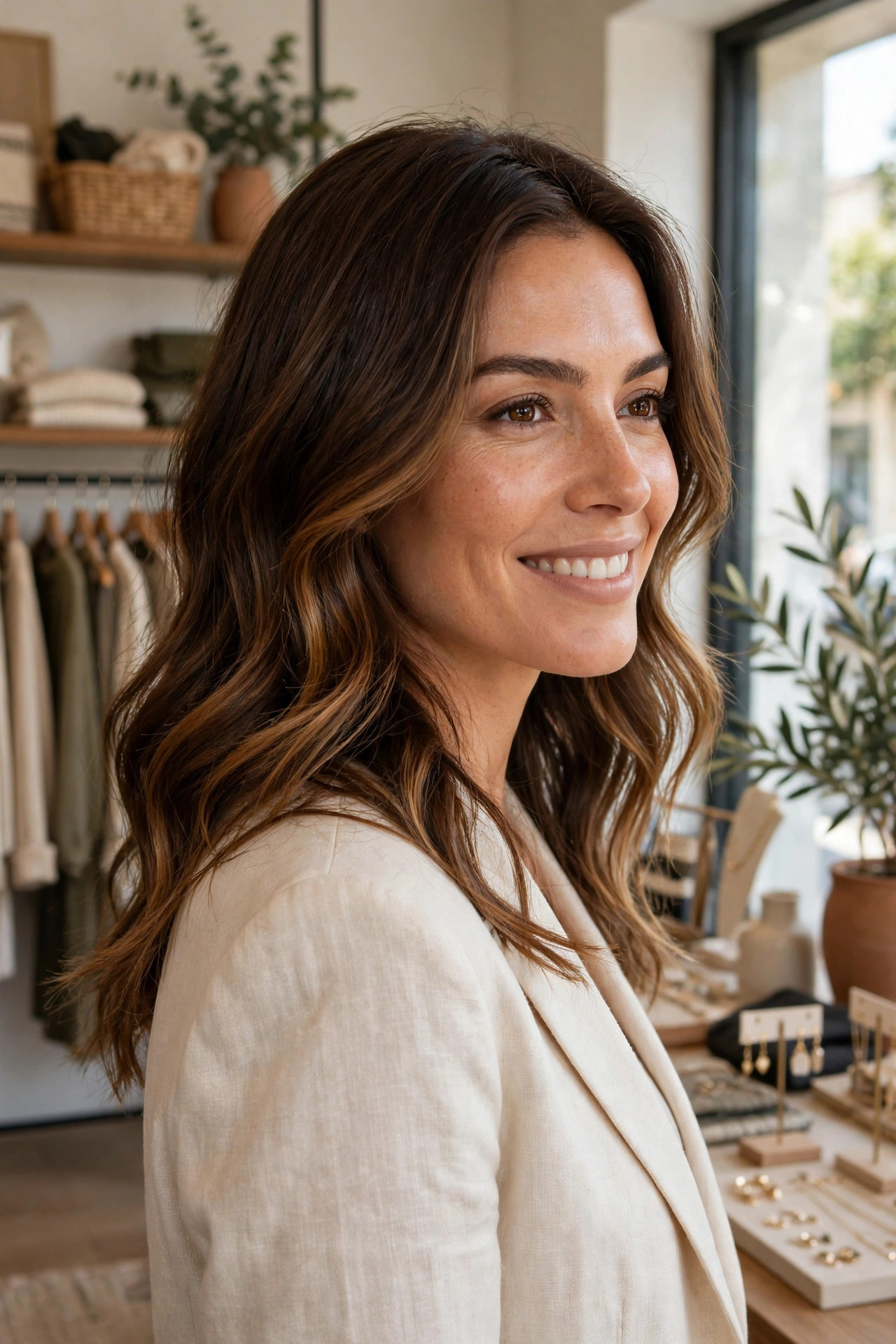
- Caramel and honey tones suit brunettes and warm skin beautifully.
- Ash blonde and beige tones cool down warmth for a modern finish.
- Bronde blends brown and blonde for the softest, most natural result.
The shade you choose changes the whole feeling of your colour, and both services can carry almost any tone you love. Caramel and honey ribbons melt beautifully into brown hair, adding warmth and richness without a drastic change. Ash blonde and cool beige tones suit women who want a modern, muted finish and are happy to tone regularly. Bronde, the blend of brown and blonde, gives the softest and most natural result of all, and it grows out so gracefully that many women forget they ever coloured their hair. Ask for swatches first.
Your skin tone and natural base should guide the shade more than any trend photo. Warm golden tones flatter olive and warm skin, while cooler ash tones suit fair skin with pink undertones. Dark hair needs more lifting sessions to reach pale blonde, so be honest about how many appointments you are willing to commit to before choosing an icy shade. A good colourist will show you swatches against your skin in natural daylight, and will warn you when a dream shade needs several visits to achieve safely. Patience truly pays off beautifully here.
Damage And Hair Health

- Targeted colour uses less bleach, so it stresses fewer strands overall.
- Fuller colour processes more hair and needs stronger aftercare habits.
- Bond builders, masks, and heat protectant keep lightened hair strong.
Every lightening service involves some stress on the hair, so honesty about damage helps you choose wisely. A targeted service bleaches only a small portion of your hair, which means less overall dryness, less breakage risk, and an easier recovery. That makes it the safer first step for virgin hair, fragile hair, or anyone nervous about colour. Gentler colour means healthier hair and happier mornings for busy women everywhere. According to experts at Colored Hair Care, lighter services are gentler precisely because they use less bleach across fewer sections of the head.
Fuller colour processes much more hair, so it demands stronger aftercare and a little more patience. Weekly deep-conditioning masks, a leave-in treatment, and heat protectant before every hot tool become non-negotiable habits. Avoid overlapping lightener onto already lightened ends at refresh appointments, because repeated bleaching is what causes most breakage. If your hair already feels dry or snaps easily, start with the lighter service, rebuild strength for a few months, and upgrade later when your hair is ready. Healthy habits protect your investment and keep your colour glowing beautifully for many months.
Styling Versatility Daily
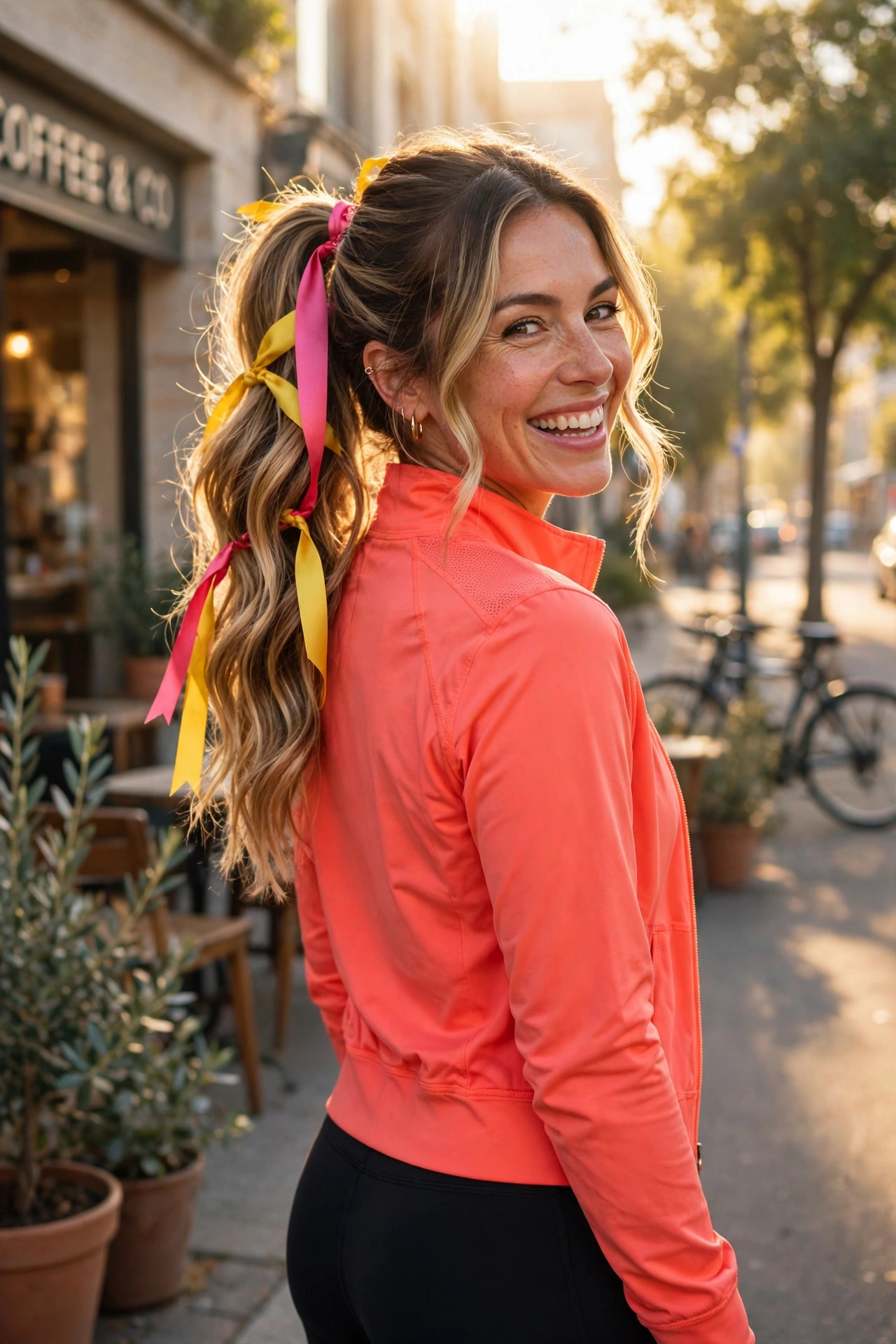
- Ponytails and buns show off dimension hidden in the lower layers.
- Loose waves make ribbons catch light with every movement.
- Half-up styles frame the face while showing colour through the lengths.
Great colour should work as hard on a lazy Tuesday as it does on a special night out, and painted highlights pass that test easily. Loose waves are the classic way to show off dimension, because each bend catches light and reveals a different ribbon. A high ponytail or messy bun suddenly looks intentional when bright pieces wrap around the base and peek through the twists. Even a simple straight blow-dry looks polished when the ends glow lighter than the roots, giving you a finished look with very little effort.
Braids deserve a special mention, because they turn painted colour into a woven pattern that looks far more complex than it is. A French braid or fishtail pulls light and dark strands together, so the colour itself becomes the decoration. Half-up styles are another easy win, keeping the front bright around your face while the lengths flow free behind you. Try a low loose bun for work, soft curls for dinner, and a braided crown for weekends, and your colour will keep surprising you in the mirror. Your colour becomes your favourite accessory every single day.
Choosing Your Winner

- Choose targeted colour for subtle change, lower cost, and easy upkeep.
- Choose fuller colour for bold brightness visible from every angle.
- Your hair length, budget, and lifestyle matter more than any trend.
By now the decision should feel much clearer, because it comes down to how bold you want the change and how much upkeep you will happily accept. Choose the lighter, targeted service when you want a subtle glow, a smaller bill, and months between appointments without worry. It suits first-timers, busy women, and anyone who loves their natural base colour and only wants to brighten it. The result looks like sunshine found your hair, not like a salon appointment, and that effortless finish is exactly the point for many women.
Choose the fuller service when you want brightness you can see from the front, the back, and the side, all at once. It suits women who love a visible transformation, who wear their hair up often, or who have long or thick hair that hides surface-only colour. Yes, it costs more and needs toning sooner, but the payoff is a rich, dimensional glow that photographs beautifully from every angle. Great colour lifts your mood and your confidence instantly. Whichever you pick, bring reference photos, trust your colourist, and enjoy the fresh confidence that great colour brings.
The smartest choice is the one that fits your hair, your budget, and your daily routine, not the one that looks best on someone else. If you crave a soft glow with minimal upkeep, the lighter service will delight you for months with almost no effort. If you want bold, all-around brightness, the fuller service delivers drama worth every extra minute in the chair. Talk openly with your colourist about cost, timing, and tone, because partial balayage vs full balayage is a decision best made together with a professional who knows your hair. Book the consultation, bring your photos, and enjoy your fresh colour.
FAQ
How long does each balayage option last before needing a refresh?
Both options typically last three to four months, since hand-painted colour grows out softly without harsh lines. A lighter service often stretches a little longer, because most of your natural base stays untouched. A quick gloss or toner refresh every eight to twelve weeks keeps the tone fresh and creamy between full appointments.
Is one option better for first-time hair colour clients?
Yes, the lighter, targeted service is usually the best first step for anyone new to colour. It uses less lightener, costs less, finishes faster, and grows out so gently that you can simply let it fade if you change your mind. It also lets you test how your hair handles lightener before committing to a bigger change.
Will balayage damage my hair, and how can I protect it?
Any lightening causes some stress, but hand-painted colour is gentler than all-over bleach because fewer strands are processed. Protect your hair with sulfate-free shampoo, weekly deep-conditioning masks, heat protectant before styling tools, and regular trims. Ask your colourist about bond-building treatments during the service for extra strength.
How much should I expect to pay for each service?
Prices vary widely by salon, city, and hair length, but a targeted service usually costs fifteen to twenty percent less than a fuller one. Expect roughly one hundred fifty to two hundred dollars for the lighter option and more for full coverage. Always ask for a quote that includes toning, gloss, and the blow-dry.