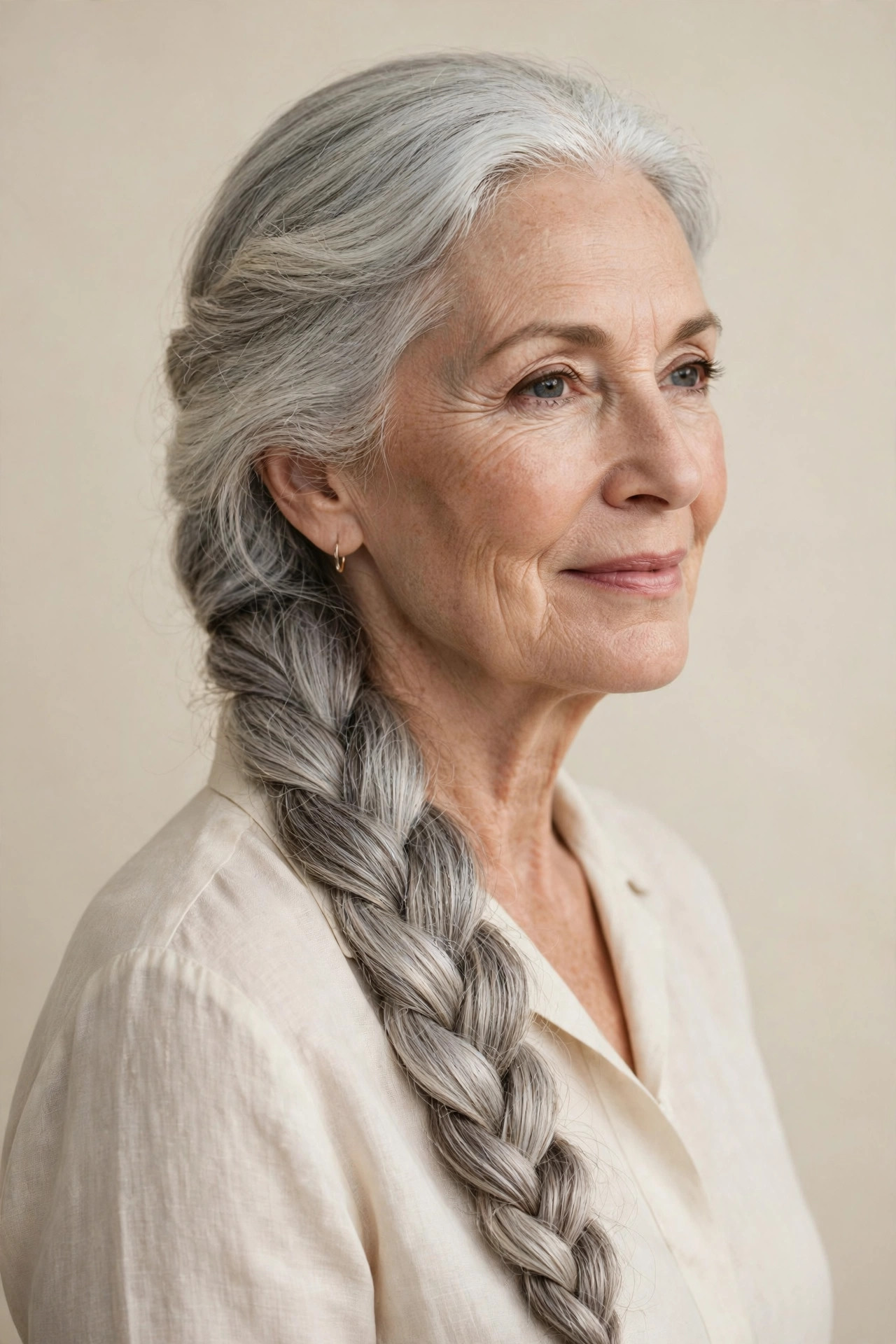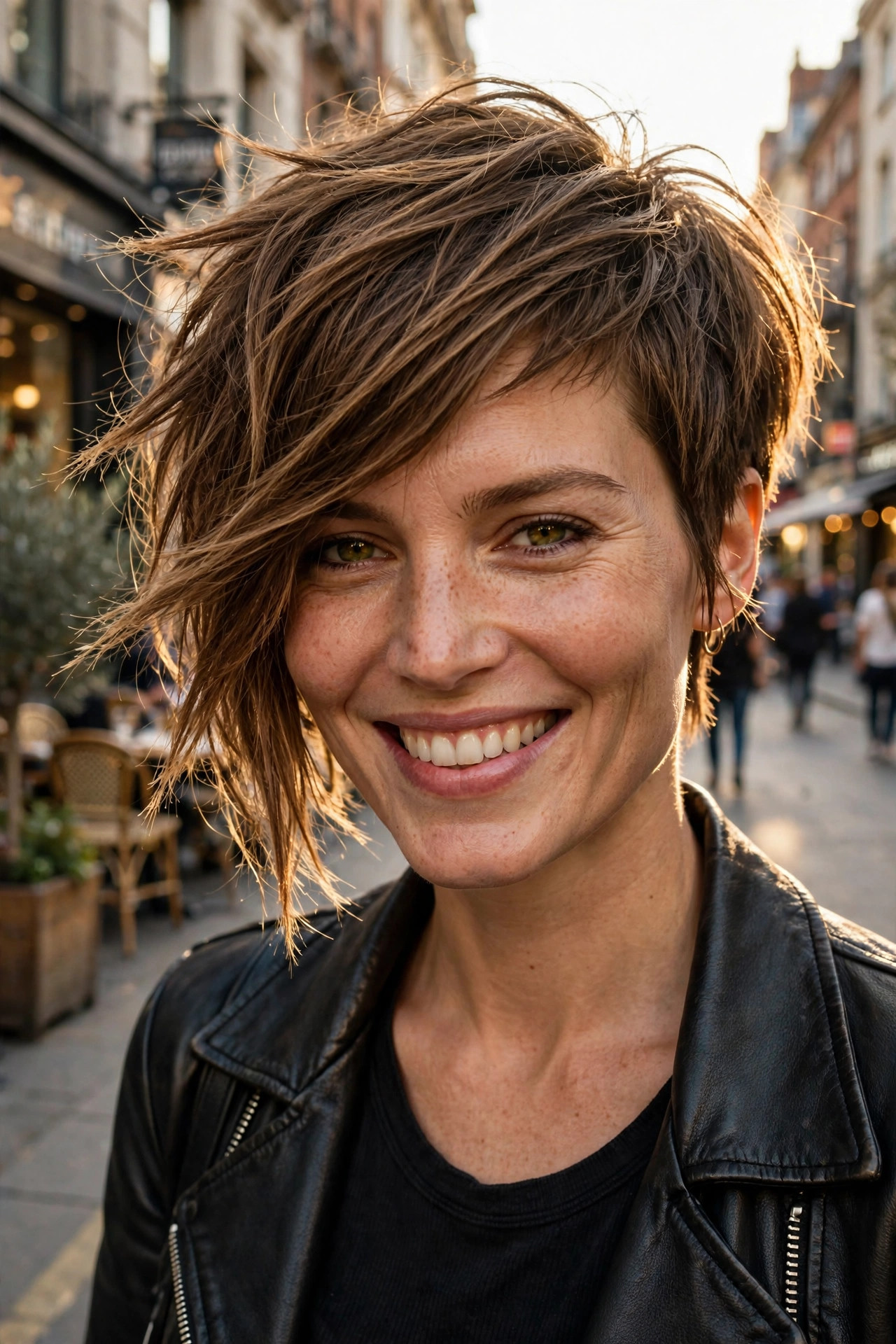
If your strands fall flat by midday no matter what you try, short shag haircuts for fine hair could be the cleverest change you make this year. A good shag uses choppy, feathered layers to build lift at the crown, movement through the lengths, and soft texture around the face, so light bounces between the strands instead of sliding off one flat sheet. The result looks fuller, fresher, and far easier to style than a one-length cut. Below you will find twenty-one wearable versions, from classic choppy shapes to pixie shags, curtain bangs, curls, silver tones, and low-maintenance wash-and-go styles, with honest notes on who each one suits, what to ask your stylist for, and how to style it at home in minutes.
Classic Choppy Shag

- Choppy layers from crown to ends
- Jaw-length shape with feathered ends
- Works best on straight to wavy strands
- Easy grow-out with soft edges
The classic choppy shag is the version most people picture first, and it earns that fame honestly. It sits around the jawline with uneven, piecey layers cut through the crown and the sides, so the shape has built-in movement before you pick up any styling tool. The feathered ends stop the perimeter looking heavy or blunt, which matters when strands are delicate. It flatters oval, round, and heart-shaped faces, and it looks equally good on straight hair or a gentle natural wave. Ask your stylist for point-cut ends and layers that start at the cheekbones.
Styling this cut takes about five minutes on a normal morning. Work a golf-ball amount of volumizing mousse through damp roots, then rough-dry with your fingers while lifting the crown upward for height. A quick blast of light texturizing spray through the mid-lengths separates the layers and gives that lived-in finish everyone loves. Skip heavy serums, which drag delicate strands flat by lunchtime and undo all your hard work. Book a trim every six to eight weeks so the choppy outline stays crisp and the shape never collapses into a shapeless bob.
Textured Pixie Shag
- Cropped sides with longer choppy crown
- Maximum lift with minimum length
- Brilliant for petite faces
- Grows out into a soft shaggy bob
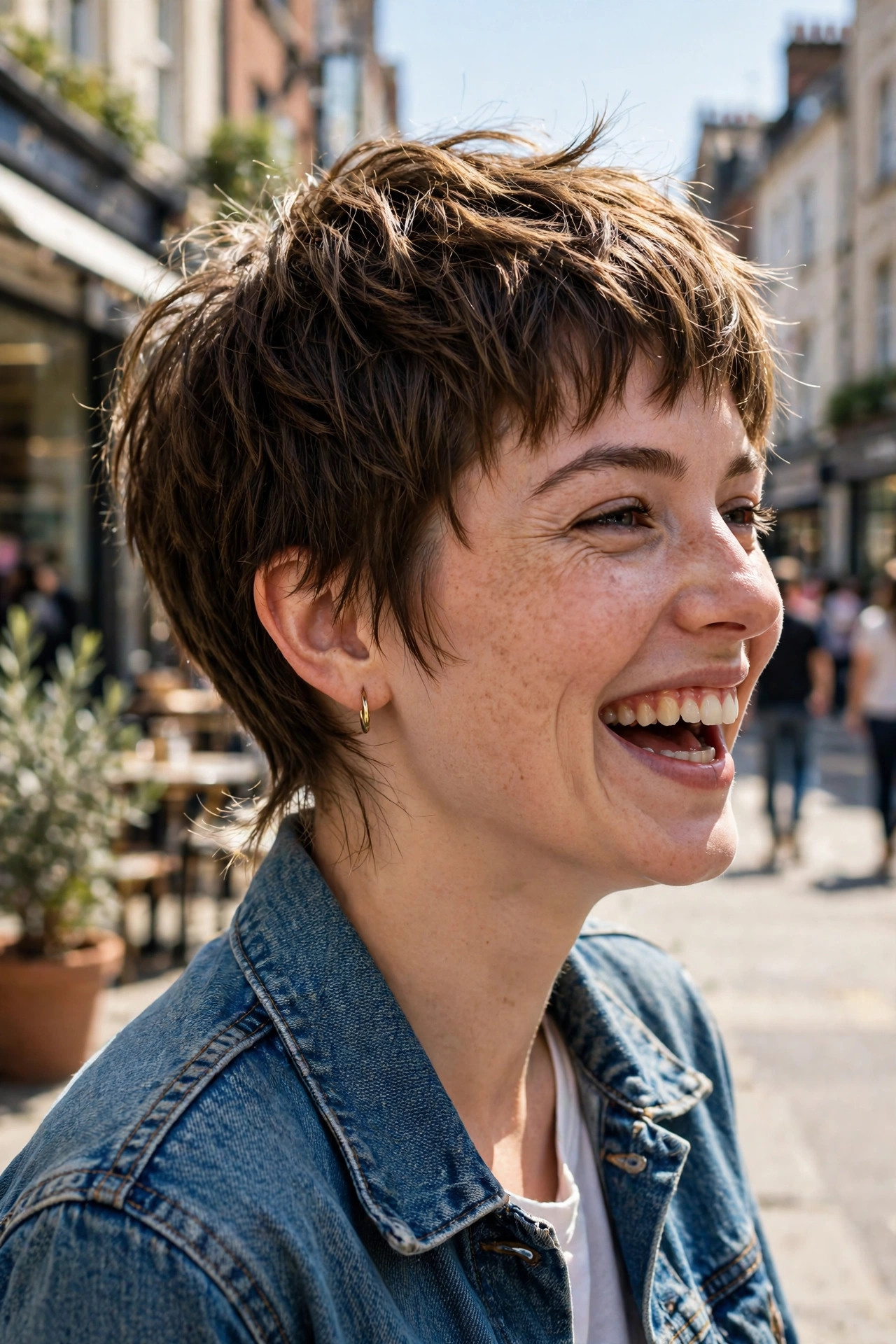
A textured pixie shag is the boldest way to make delicate strands look abundant. The sides and nape stay short and neat while the crown keeps longer, choppy layers that can be tousled upward for instant height. Because there is so little weight pulling the roots down, even very limp hair gains surprising volume at the top. It suits petite features, strong cheekbones, and anyone who wants a wash-and-go routine. The cut also shows off earrings and a strong brow beautifully, so keep your makeup simple and let the texture do the talking.
Style it with a pea-sized amount of matte texture paste warmed between your palms, then pinch and twist the crown pieces upward for lasting definition. A light mist of flexible hairspray holds the shape without stiffness or crunch. On second-day hair, a sprinkle of dry shampoo at the roots revives the lift in seconds. The grow-out is kinder than a classic pixie because the longer crown blends into a shaggy bob over a few months. Regular trims every four to six weeks keep the nape tidy and the silhouette sharp.
Shaggy Bob Cut

- Chin-length bob with shaggy texture
- Blunt outline softened by inner layers
- Great bridge between bob and shag
- Suits nearly every face shape
The shaggy bob is the perfect compromise if you love bob structure but crave shag movement. It keeps the familiar chin-length outline, then breaks it up with choppy inner layers and feathered ends that stop the shape looking heavy or severe. The result is a cut that reads thicker at the hemline yet moves freely around the face. If you are comparing lengths, our guide to short bob hairstyles for thin hair shows how small length changes affect fullness. It works beautifully on straight, wavy, and lightly curly strands alike.
Blow-dry it with a medium round brush, lifting each section at the root and flicking the ends gently outward for that airy, piecey finish. A light sea-salt spray scrunched through damp hair gives a beachier version for weekends. The cut holds its shape well between appointments, so eight-week trims are usually enough. Add a few subtle face-framing highlights to make the layers pop even more, since dimension tricks the eye into seeing extra density. It is the rare short cut that looks polished at work, playful after hours, and chic at brunch.
Curtain Bang Shag

- Curtain bangs parted in the middle
- Soft face-framing from cheekbones down
- Grows out without an awkward stage
- Flatters longer foreheads beautifully
Curtain bangs are the shag's best friend because they frame the eyes and cheekbones while blending seamlessly into the layers below. The fringe parts in the middle and sweeps to each side, so there is no harsh line where the bangs end and the shag begins. This version is wonderfully forgiving as it grows out, since the pieces simply become longer face-framing layers. It suits round, oval, and longer face shapes, and it softens a high forehead without the commitment of a heavy blunt fringe. Ask for the shortest point at the brow and longer pieces toward the cheekbones.
To style the fringe, blow-dry it forward with a small round brush, then split it down the middle and sweep each side outward with your fingers. A light-hold spray keeps the sweep in place without gluing it stiff. The rest of the cut needs only a little mousse at the roots and a quick rough dry for texture. Bang trims every three weeks keep the parting neat, while the shag itself can wait six to eight weeks. It is a romantic, low-drama look that photographs beautifully from every angle and suits any occasion.
Wispy Fringe Shag

- Feather-light fringe, never heavy
- Adds density illusion at the forehead
- Ideal for fine hairlines
- Pairs with glasses nicely
A wispy fringe is the gentlest way to add bangs to a shag without sacrificing precious density. The fringe is cut light and see-through, so it sketches a soft line across the forehead instead of a heavy block that eats up hair you cannot spare. It adds fullness around the hairline and draws attention to the eyes, which is lovely if your strands are sparse at the front. The style suits straight and wavy textures, oval and heart-shaped faces, and anyone who wants bangs without the battle of a fringe. Keep the wisps above the brow for the airiest effect.
Style the fringe with a quick pass of a small round brush and a cool shot from the dryer to set the bend. A tiny dab of texture cream stops the wisps clumping together on humid days. The shag behind it needs only a little root mousse and a rough dry, so the whole routine stays under five minutes. Trim the fringe every two to three weeks to keep it feather-light, and always let your stylist point-cut the ends rather than thinning them. The result is soft, youthful, flattering, and endlessly wearable.
Feathered Crown Shag
- Feathered layers concentrated at the crown
- Big root lift without teasing
- Retro seventies energy, modern finish
- Best on straight to wavy hair
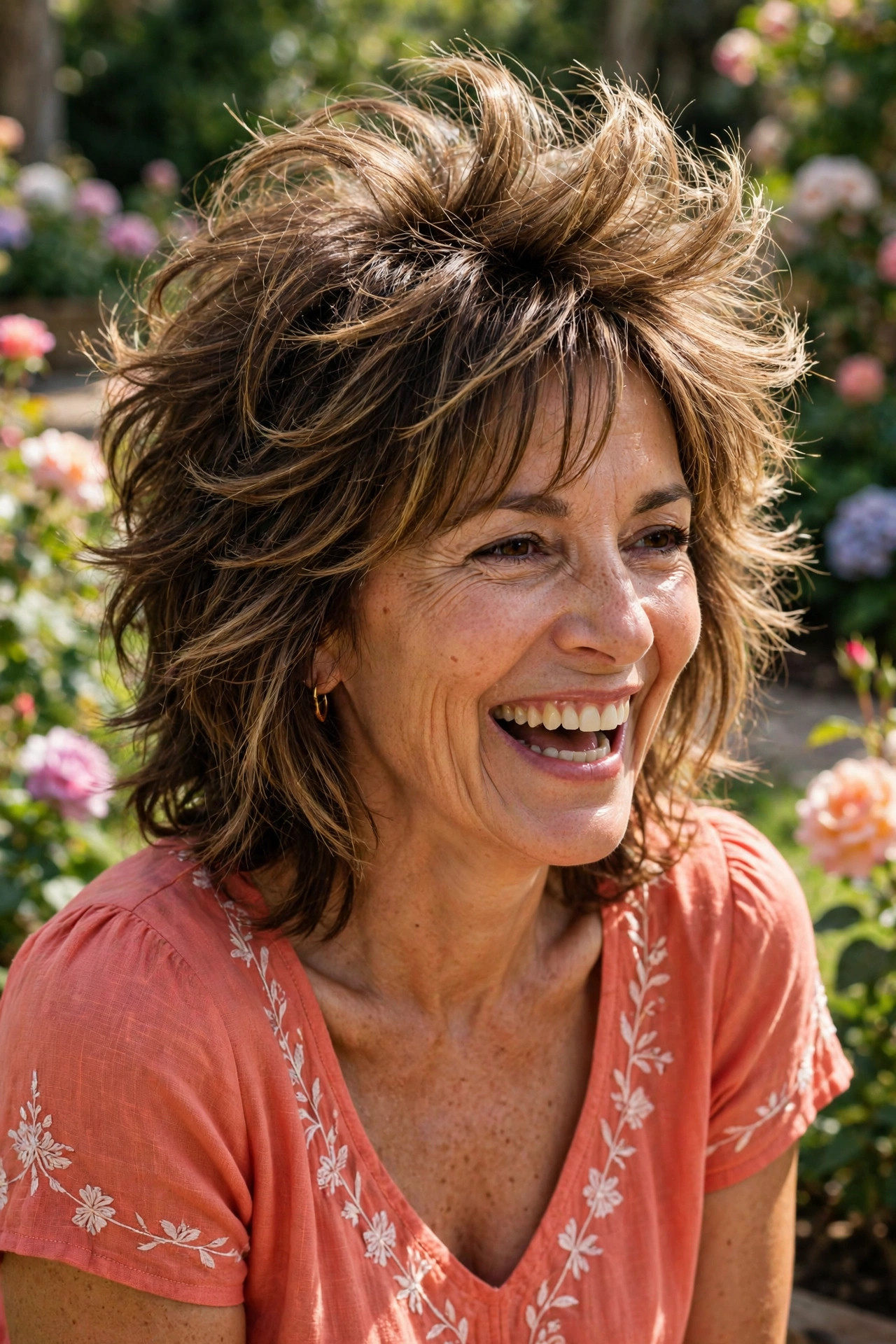
The feathered crown shag puts all the action where delicate hair needs it most, right on top. Short, airy layers through the crown are cut to flick outward, creating height and movement that a one-length cut simply cannot fake. The sides stay softer and longer, so the silhouette stays balanced instead of top-heavy. It is a wonderful choice for straight or gently wavy strands, and it flatters oval and square faces by adding vertical lift. The seventies spirit is there, but the finish is clean and modern, never costumey. Ask your stylist for scissor-cut feathering rather than aggressive razor work.
Blow-dry upside down with a little volumizing mousse at the roots, then flip back up and gently smooth the top layer with a round brush for polish. A small pinch of volumizing powder at the crown adds staying power for evenings and special occasions. The feathered ends respond well to a quick flick with a flat iron, turning outward for that breezy retro finish. Avoid heavy oils and thick creams near the roots, since they collapse the lift within an hour. Trims every six weeks keep the feathering crisp and the crown full.
Tousled Wolf Shag

- Wolf-cut energy with shag softness
- Heavy texture through the crown
- Edgy yet wearable daily
- Loves natural wave and curl
The wolf shag borrows the wild, lived-in energy of the wolf cut and tames it into something you can actually wear to brunch. Shorter layers at the crown give lift, while longer, choppy pieces through the lengths keep the shape from feeling severe. It is the edgiest option on this list, and it thrives on natural wave or a little encouraged bend. Stylists recommend it for anyone bored of safe, tidy haircuts. For more takes on textured shapes, see Allure’s bob haircut guide, which explains how choppy layers create movement. It suits oval and heart-shaped faces best.
This cut practically styles itself if you simply work with your natural texture. Scrunch a light curl-enhancing mousse through damp hair and diffuse on low heat, or let it air-dry for a softer, more relaxed result. A quick mist of texture spray through the ends separates the layers and adds grit. The shape is deliberately messy, so second-day hair often looks even better than freshly washed hair with a little dry shampoo. Trims every six to eight weeks keep the crown from growing heavy. It is low effort, high personality, and impossible to ignore.
Curly Shag Bob

- Layers shaped around natural curls
- No triangle shape, lots of bounce
- Curl cream is your best friend
- Volume without weighing curls down
A curly shag bob shapes natural curls instead of fighting them, which is why curl specialists love it so much. The layers are cut to follow your curl pattern, removing weight from the sides so the shape stays narrow at the top and bouncy at the ends, never wide and triangular. Shorter pieces around the crown lift the roots, while the chin-length outline keeps the silhouette neat. It suits 2B to 3B curl types beautifully and flatters round and square faces by adding height. Ask for a dry cut if possible, since curls shrink and spring differently once they dry.
Apply a lightweight curl cream to soaking-wet hair, gently scrunch upward, and diffuse on low heat until about eighty percent dry. Avoid brushing dry curls, which breaks the pattern into frizz; instead, refresh second-day curls with a light water spritz and a little extra cream. Heavy butters and thick oils can weigh delicate curls down, so always choose lightweight formulas. Regular trims every eight to ten weeks keep the shape balanced and healthy as the curls grow. The result is joyful, bouncy hair with real personality, gorgeous shine, and almost no daily effort.
Wavy Shag Layers

- Beachy bends with piecey ends
- Air-dries into a natural wave
- Salt spray enhances the texture
- Effortless weekend energy
Wavy shag layers are the ultimate low-effort style for anyone whose hair has a natural bend. The layers are cut to follow the wave pattern, so the hair falls into soft, beachy curves with almost no styling at all. Piecey ends keep the outline light and airy, which stops wavy strands looking puffy or shapeless. It suits oval, round, and heart-shaped faces, and the length usually sits between the chin and the collarbone. The cut also grows out gracefully, since the waves disguise uneven lengths. Ask for long layers through the crown and shorter, flicked pieces around the face.
Scrunch a light sea-salt spray through damp hair and let it air-dry for the easiest version, or diffuse briefly for extra volume and lift at the roots. A wide-tooth comb gently keeps the waves separated without creating frizz or tangles. On straighter days, a few quick bends with a flat iron recreate the soft wave in minutes. The style loves a little imperfection, so do not overwork it or brush it smooth. Trims every eight weeks keep the ends healthy and the layers defined, while the waves hide the grow-out beautifully.
Silver Shag Cut

- Shows off natural grey and silver
- Layers catch light for dimension
- Soft, youthful, never severe
- Pairs beautifully with glasses
A silver shag turns grey hair into a feature instead of something to hide. The choppy layers catch the light at different angles, so silver strands gain depth and dimension that a flat, one-length cut would flatten into a single tone. Soft tapering around the face keeps the look youthful rather than severe, and the movement flatters mature skin beautifully. It suits women embracing their natural grey, as well as anyone with silver-toned colour. The cut works on straight and wavy textures, and it pairs wonderfully with glasses, since the layers soften the frames. Ask for gentle, blended layering.
Keep the silver bright with a gentle purple shampoo once a week, which neutralizes any yellow tones and keeps the colour luminous and fresh. A lightweight gloss treatment every few weeks adds beautiful shine and softness without any weight. Style with a little root mousse and a round brush for a polished finish, or rough-dry for a more casual, relaxed texture. The layers make the cut forgiving between appointments, so relaxed eight-week trims are plenty. It is living proof that grey hair can be the most striking colour in any room.
Side Swept Shag

- Deep side part for instant volume
- Asymmetry slims round faces
- Long fringe sweeps across brow
- Polished yet playful finish
A deep side part is the oldest volume trick in the book, and the side-swept shag uses it brilliantly. Sweeping the hair creates lift at the roots on the heavier side, while the fringe softens the brow and cheekbones. The asymmetry is flattering for round faces, since the diagonal line breaks up width and adds length. The shag layers keep the shape light and textured, so the style never looks stiff. It works on straight and wavy strands and suits oval, round, and square faces. Ask for the part to sit above the arch of one brow.
Blow-dry the fringe across the forehead with a medium round brush, directing the roots upward for lift before sweeping it to the side. A light mousse through the lengths and a quick rough dry give the layers their piecey, lived-in finish. A flexible hairspray lightly holds the sweep in place without freezing it stiff. The style transitions easily from office to evening with a quick root refresh and a little texture spray. Trims every six to eight weeks keep the parting crisp and the fringe at the perfect sweeping length.
Retro Seventies Shag

- Feathered ends flicked away from face
- Curtain fringe with seventies spirit
- Big, bouncy, joyful shape
- Surprisingly wearable today
The seventies shag is back, and this time it is softer, cleaner, and far easier to wear. Feathered layers flick outward from the face, curtain fringe frames the eyes, and the crown carries volume that feels joyful. The difference from the original is restraint: the layers are blended gently, so the shape reads retro-inspired instead of costume. It suits straight and wavy hair, oval and heart-shaped faces, and anyone who loves drama. For a take on layered shapes, browse our layered bob hairstyles before your appointment. Bring a photo, since the flick direction matters.
A medium round brush is your best friend here: blow-dry each section outward so the ends flick away from the face, then set the shape with a cool shot. A volumizing mousse worked through the roots keeps the crown lifted beautifully all day. The curtain fringe needs only a quick brush-through with a round brush to fall into place. This is a slightly higher-effort style than the wash-and-go options, but the payoff is a glamorous, bouncy, head-turning silhouette. Trims every six weeks keep the feathering fresh and the flicks defined.
Edgy Micro Shag

- Very short, very bold statement
- Choppy top with tapered nape
- Shows off bone structure
- Needs confident styling
The micro shag is the shortest, boldest version on this list, and it is not for the faint-hearted. The nape tapers close while the crown keeps short, choppy layers that can be pushed forward, swept aside, or spiked upward depending on your mood. With so little length, the cut puts your bone structure front and centre, so cheekbones and a jawline shine. It suits petite faces and anyone who wants a genuinely low-maintenance routine. The texture does all the work, which means delicate strands finally look dense and deliberate instead of thin and accidental. Ask for point-cut texture throughout.
Style it with a small amount of matte paste, working the top pieces in different directions for a piecey, lived-in, textured finish. A little dry shampoo adds grip and volume on freshly washed, clean hair. The shape holds up remarkably well between cuts, but the nape grows out fast, so trims every four weeks keep it sharp. Colour can elevate it further: a bold shade or a few subtle highlights make the choppy layers pop. It is a fearless cut that turns heads and takes only about two minutes to style each morning.
Soft Layered Shag

- Gentle layers, office-friendly polish
- Blended shape, no harsh lines
- Easiest shag for beginners
- Suits conservative workplaces
Not every shag needs to shout, and the soft layered version proves it. The layers are longer and more blended, cut with a lighter hand, so the shape reads as a layered cut with a hint of shag texture rather than a rock-and-roll statement. It is the entry point if you are new to shags or need something workplace-appropriate. The movement lifts delicate strands and stops them lying flat, while the smooth outline keeps the look tidy. It suits every face shape and works on straight, wavy, and curly hair. Ask for invisible layering through the interior.
Blow-dry smooth with a medium round brush for a polished finish, or rough-dry with a little mousse for a softer, more casual texture. A single drop of lightweight serum on the ends adds shine without weighing the delicate layers down. The blended shape grows out beautifully, so you can comfortably stretch trims to eight or ten weeks without losing the silhouette. It pairs beautifully with subtle highlights that emphasize the soft layering and add dimension. If you want gentle texture without any drama, this is the version to show your stylist first.
Highlighted Shag Cut

- Balayage ribbons add visible depth
- Light pieces make layers pop
- Dimension tricks eye into fullness
- Low-maintenance grow-out
Colour and cut work as a team in the highlighted shag, and delicate strands benefit more than most. Fine ribbons of balayage woven through the choppy layers create contrast, so the eye reads far more density than a single flat colour could suggest. The grow-out is forgiving because balayage softens at the roots instead of a hard line. It suits warm and cool skin tones, from honey and caramel to ash and platinum. Hairstylists call dimension the cheapest volume trick, and this cut proves why. See more inspiration at Haiirology’s shag guide before choosing your shade.
Protect the colour with a gentle sulphate-free shampoo and a weekly conditioning mask, which keeps the ribbons glossy and the ends healthy. Style with a little root mousse and a rough dry, letting the layers fall naturally so the highlights catch the light beautifully. A clear gloss treatment every six weeks refreshes the tone without needing a full colour appointment. The cut itself needs regular trims every six to eight weeks to stay fresh. Together, the colour and the layers make delicate hair look twice as thick with almost no extra daily effort.
Chin Length Shag

- Exact chin length, jaw-skimming shape
- Defines the jawline beautifully
- Tuckable behind the ears
- Universally flattering length
Chin length is the sweet spot: short enough to lift the roots, long enough to frame the jawline and tuck behind the ears. The layers start at the cheekbones and fall to a piecey hem that skims the chin, creating a clean silhouette. It defines the jawline, opens up the neck, and suits every face shape, which is why stylists recommend it. Straight hair shows off the precision, while wavy hair adds a tousled edge. The length also grows out gracefully into a jaw-length bob, so you are never trapped. Ask for the shortest layer at the cheekbone.
Style it with a flat iron, bending random sections in opposite directions for a piecey, modern, effortless finish. Tucking one side behind the ear instantly changes the look from polished to playful and relaxed. A light texture spray adds grip and separation, while a round brush blow-dry gives a smoother, bouncier, more polished version. The cut holds its shape very well, so relaxed trims every seven to eight weeks are enough. It is the most versatile length on this list and the easiest to dress up or down for any occasion.
Round Face Shag
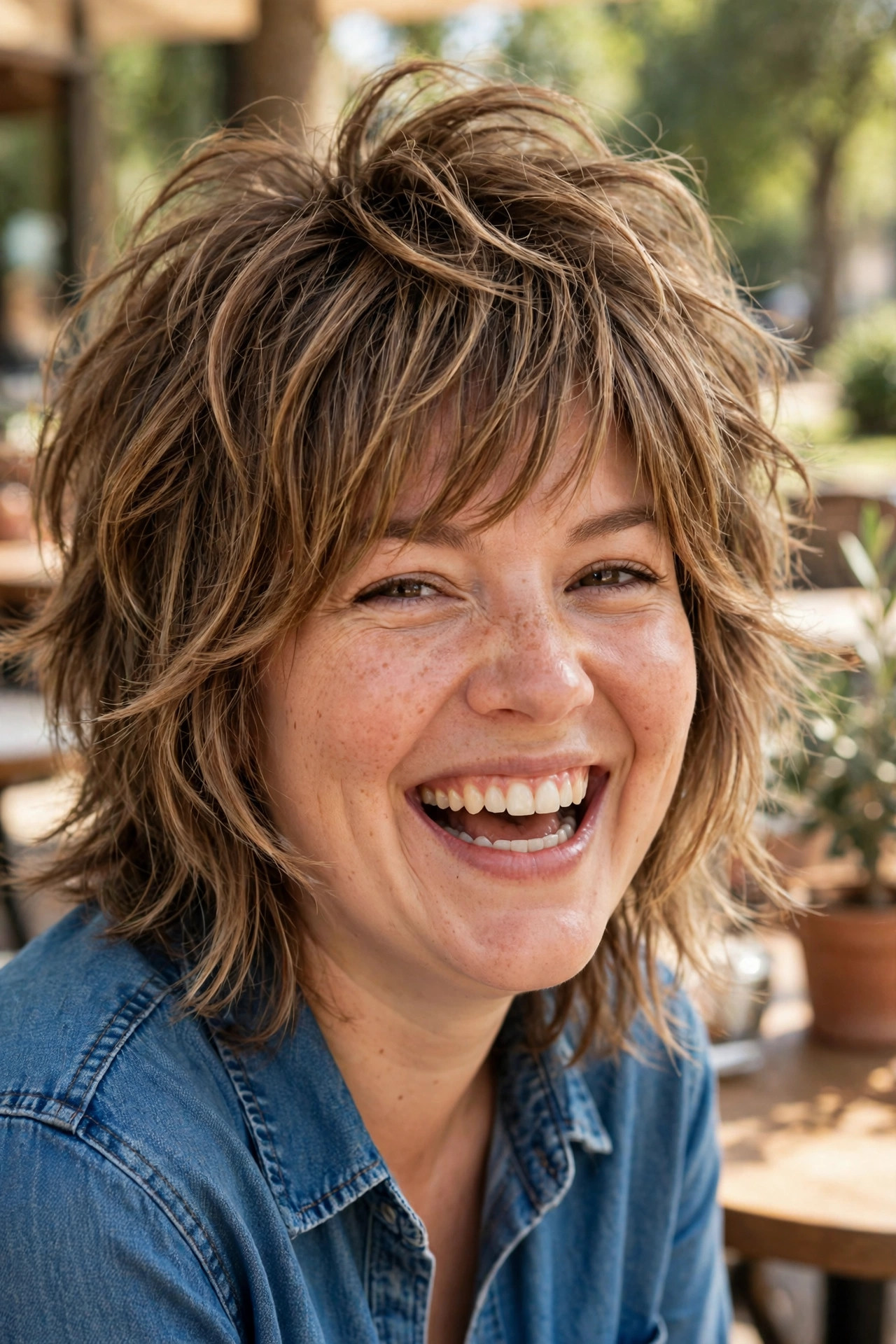
- Crown height elongates the face
- Layers start at the cheekbones
- Side part breaks up width
- Avoids bulk at the cheeks
Round faces need height on top and length at the sides, and this shag delivers exactly that. Short layers through the crown add lift that elongates the face, while the pieces fall past the cheekbones instead of puffing outward. A side part adds a line that breaks up width, and the piecey ends keep the outline light. The trick is keeping volume away from the cheeks, which is where many cuts go wrong. It suits straight, wavy, and curly textures, and it works at chin length or longer. Ask your stylist to keep the sides sleek.
Blow-dry the crown upward with a medium round brush, directing the roots up and back for maximum height and lift. Keep the sides smooth and close to the head, using a flat iron if needed to stop them pouffing outward at the cheeks. A deep side part is essential, so train the part while the hair is still damp. A light texture spray through the ends adds movement without adding any width. Trims every six to eight weeks keep the crown layers lifted and the cheekbone pieces at the right length.
Blunt Bang Shag
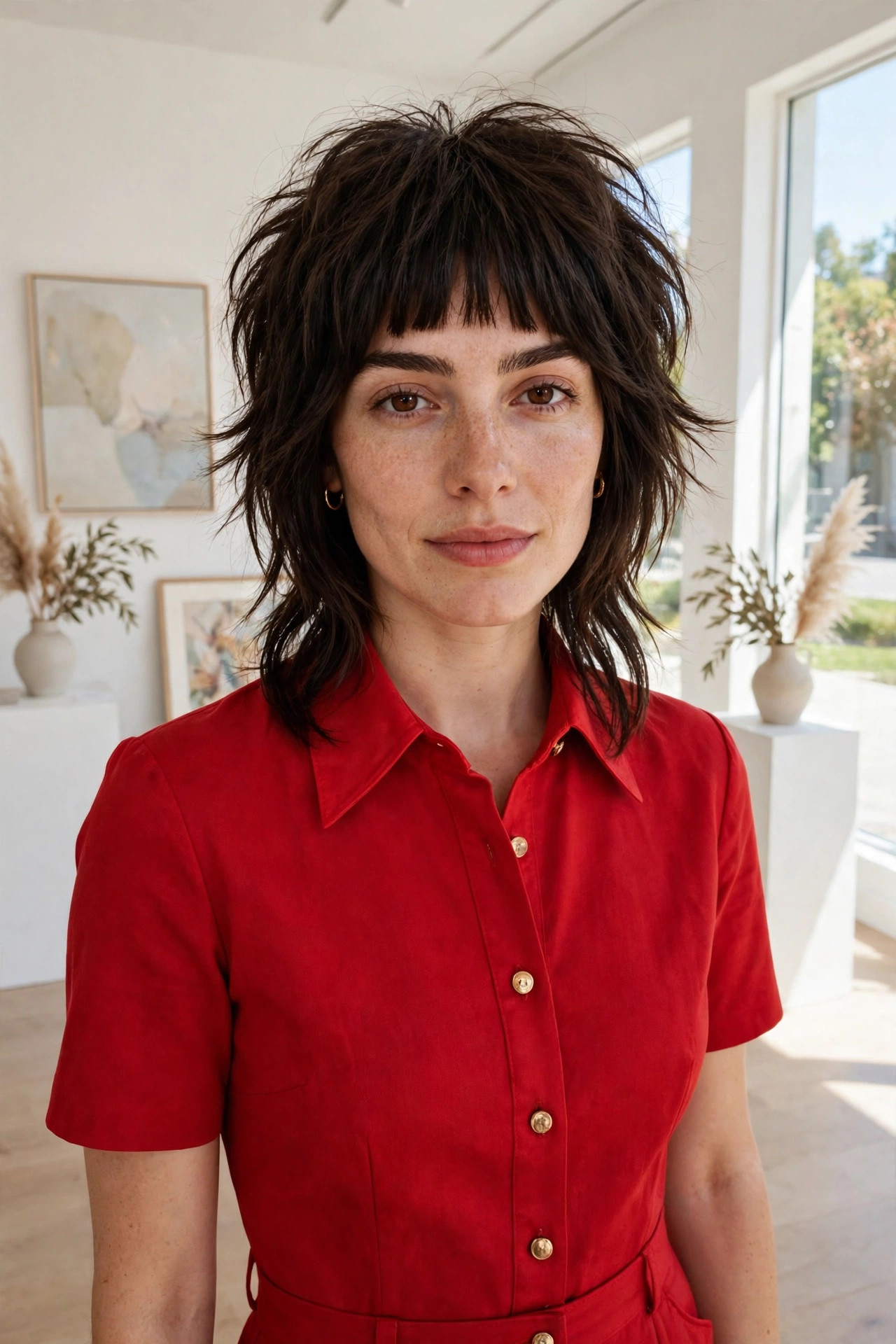
- Straight fringe, choppy contrast
- Bold graphic line at the brow
- Strongest statement fringe
- Needs regular fringe trims
The blunt bang shag pairs a straight fringe with wild choppy layers, and the contrast makes it unforgettable. The fringe creates a horizontal line across the brow that draws attention to the eyes, while the layers behind it add movement and lightness. It is the boldest fringe option, so it suits strong features. Oval and longer faces wear it best, since the fringe shortens the forehead. The fringe adds density at the front, which helps if your hairline is sparse. Ask for the fringe cut dry so the length sits exactly at the brow.
Keep the fringe smooth with a quick pass of a flat iron each morning, and trim it every two to three weeks so it never creeps into your eyes. The shag behind it needs only mousse and a rough dry, which balances the polished fringe with playful texture. Dry shampoo at the fringe roots stops it separating on oily days. If your hair has a strong cowlick at the hairline, this fringe will fight you daily, so choose curtain bangs instead. For everyone else, it is a striking, editorial look.
Air Dried Shag

- True wash-and-go styling
- Works with your natural texture
- Leave-in cream does the work
- Perfect for busy mornings
The air-dried shag is built for real life, not for the salon chair. The layers are cut so the hair falls into a shape as it dries naturally, with no round brush, no flat iron, and no routine. It works with whatever texture you already have, enhancing a natural wave or adding bend to straight strands through layer placement. The result looks effortless because it genuinely is, and the slight imperfection is part of the charm. It suits every face shape and every lifestyle, especially busy mornings, gym days, and holidays. Ask for layers that encourage your natural movement.
After washing, gently squeeze out excess water with a soft microfibre towel, then work a leave-in cream through the lengths and let the air do the rest. Scrunch gently as it dries to encourage natural wave, bend, and texture. A light spritz of texture spray on day two revives the shape without needing a full rewash. The cut is wonderfully forgiving as it grows, so relaxed ten-week trims are realistic. If you have ever wished your hair would just behave on its own, this is the version that finally lets it shine.
Modern French Shag

- Parisian cheekbone length
- Brow-grazing fringe, undone finish
- Effortless, never overstyled
- Chic at any age
The modern French shag is Parisian insouciance in haircut form: cheekbone length, a brow-grazing fringe, and layers that look deliberately undone. It sits just below the cheekbone, which flatters the bone structure and keeps the shape light around the jaw. The fringe is cut soft and piecey rather than heavy, so it blends into the layers instead of sitting apart from them. It suits oval and heart-shaped faces beautifully, and it looks wonderful on straight and wavy strands. The charm is in the imperfection, so resist the urge to overstyle it. Ask for a lived-in finish with point-cut ends.
Style it the French way, which means barely styling it at all, and letting it be. A little mousse at the roots, a quick rough dry, and a fast tousle with your fingers is the whole routine. A light drop of dry shampoo on day two adds lovely texture and grip. The fringe can be swept aside or worn straight, giving you two lovely looks from one clever cut. Trims every seven to eight weeks keep the cheekbone length precise. It is understated, elegant, and quietly confident, which is exactly the point.
Over Fifty Shag
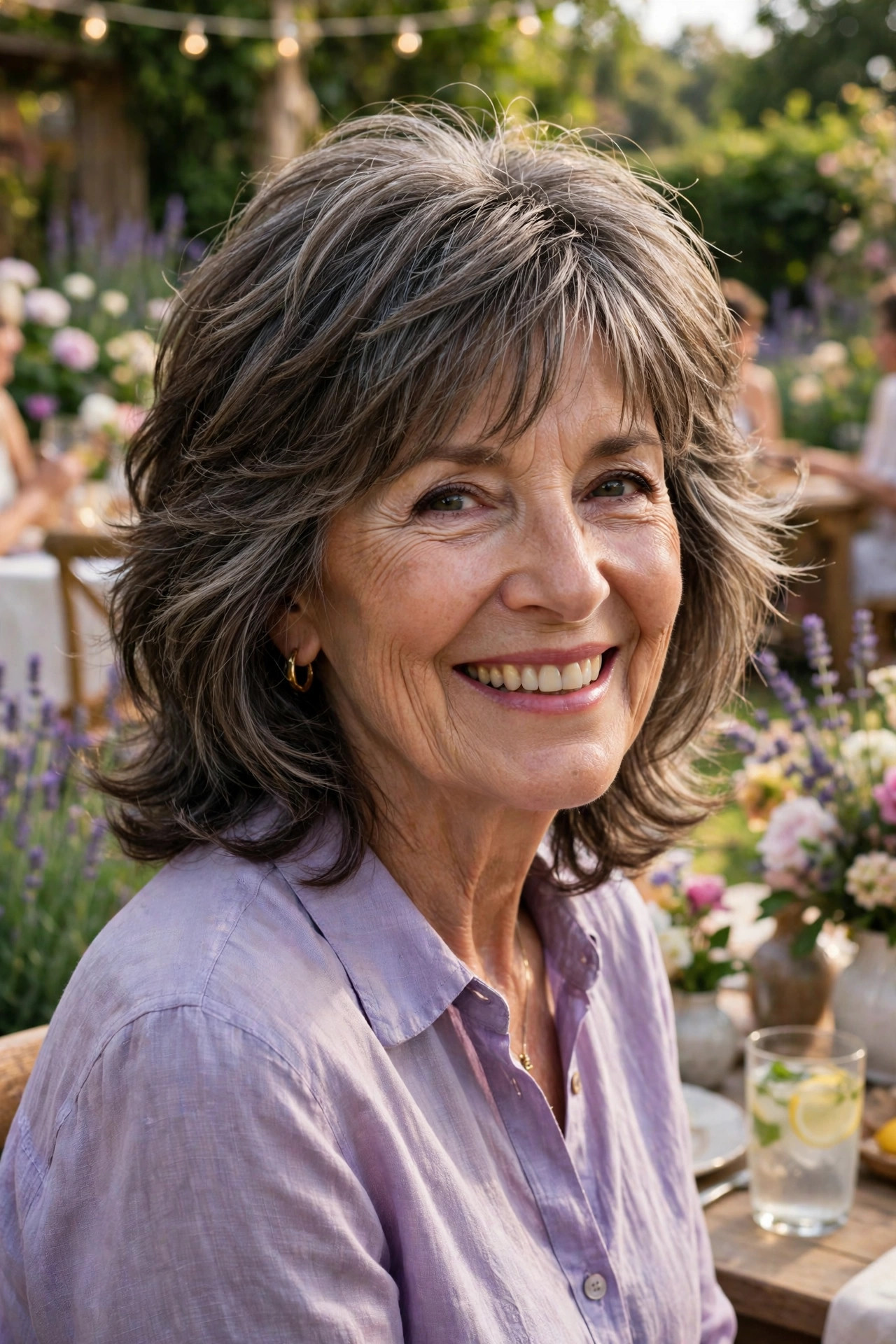
- Soft tapering, youthful movement
- Gentle volume without fuss
- Flatters mature skin and glasses
- Five-minute morning routine
The over-fifty shag is proof that the best haircuts only get better with age. Soft tapering through the sides, blended layers at the crown, and movement around the face create a shape that lifts delicate, thinning strands without demanding effort. The layers add fullness where age tends to remove it, while the soft edges flatter mature skin instead of dragging it down. It works beautifully with natural grey, silver, or soft colour, and it pairs well with glasses. The routine is gloriously simple, which matters more than ever. Ask for scissor-cut layers and no thinning shears on the ends.
Style it in just five minutes: a little mousse at the roots, a quick blow-dry with your fingers, and a light, quick brush-through to settle the layers. A light volumizing spray at the crown adds staying power for evenings out and special occasions. The soft shape grows out very kindly, so relaxed trims every seven to eight weeks are plenty. Colour can stay low-maintenance too, with gentle gloss treatments keeping silver or coloured strands luminous and bright. It is youthful, elegant, flattering, and wonderfully easy to live with every single day.
A great cut does more for limp strands than any styling product ever will, and short shag haircuts for fine hair prove that point beautifully. Pick the version that matches your texture, your face shape, and the amount of morning effort you are honestly willing to give, then show your stylist the photo and describe the layers in plain words. Keep the ends light, the crown lifted, and the trims regular, and your hair will look thicker, move better, and feel far more fun and truly effortless to wear every single day.
FAQ
Are shags good for thin strands that fall flat?
Yes, a shag is one of the kindest cuts for limp strands because the stacked layers lift the roots and break up that flat sheet effect. Ask for soft, scissor-cut layers through the crown and avoid heavy razor work, which can thin the ends further and leave them looking wispy.
How often should I trim a short shag?
Most short shags need a tidy-up every six to eight weeks to keep the layers defined and the shape balanced. The softer versions grow out gracefully, so you can stretch to ten weeks if the ends still feel light. Bangs usually need a quick trim every three weeks.
Can I wear a shag if my hair is straight?
Absolutely. Straight strands show off the choppy texture beautifully, especially with a little texturizing spray or a quick bend from a flat iron. The layers create movement that straight hair usually lacks, and the shape still looks polished when you simply blow it dry smooth.
What products work best for styling a shag?
Lightweight products win every time. A volumizing mousse at the roots, a pea-sized amount of texture cream through the ends, and a flexible hairspray to finish will hold the shape without weighing it down. Skip heavy oils and thick balms, which flatten delicate strands fast.