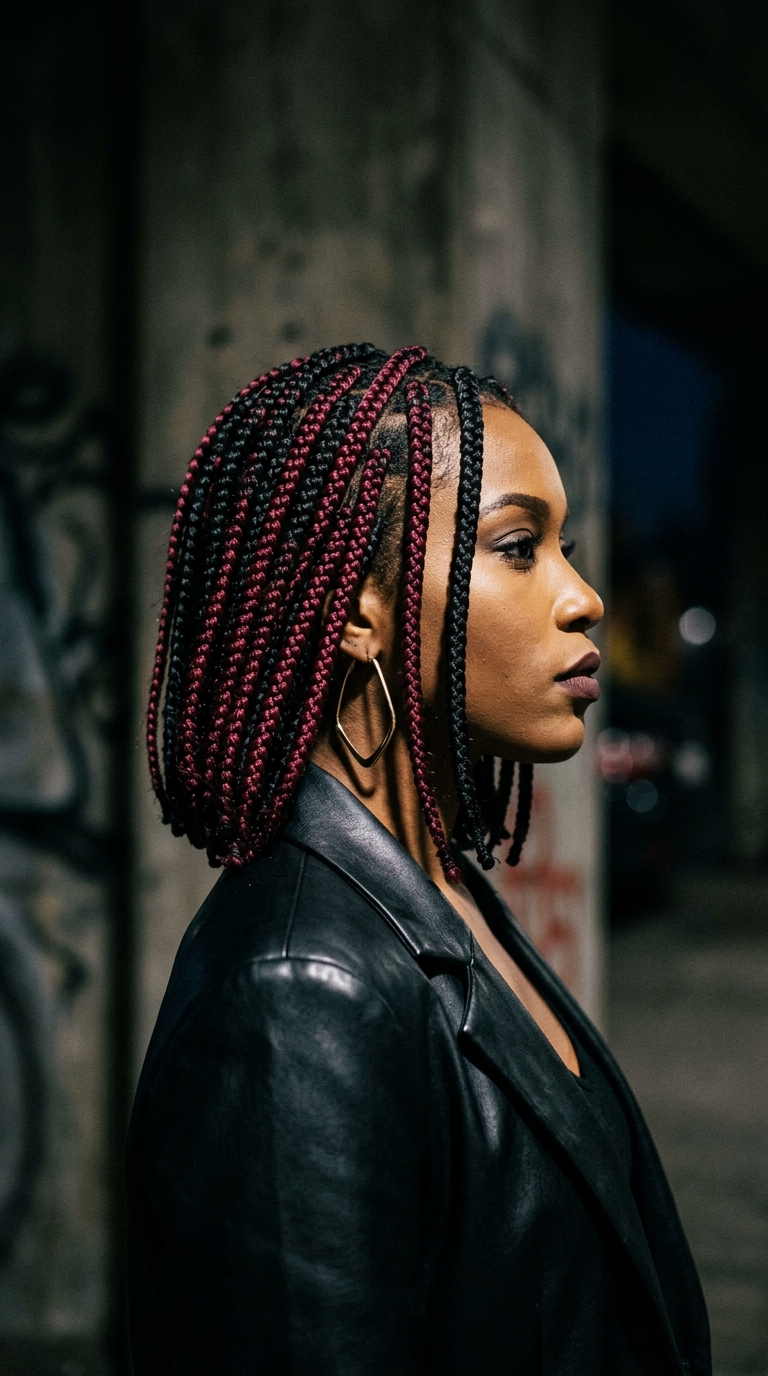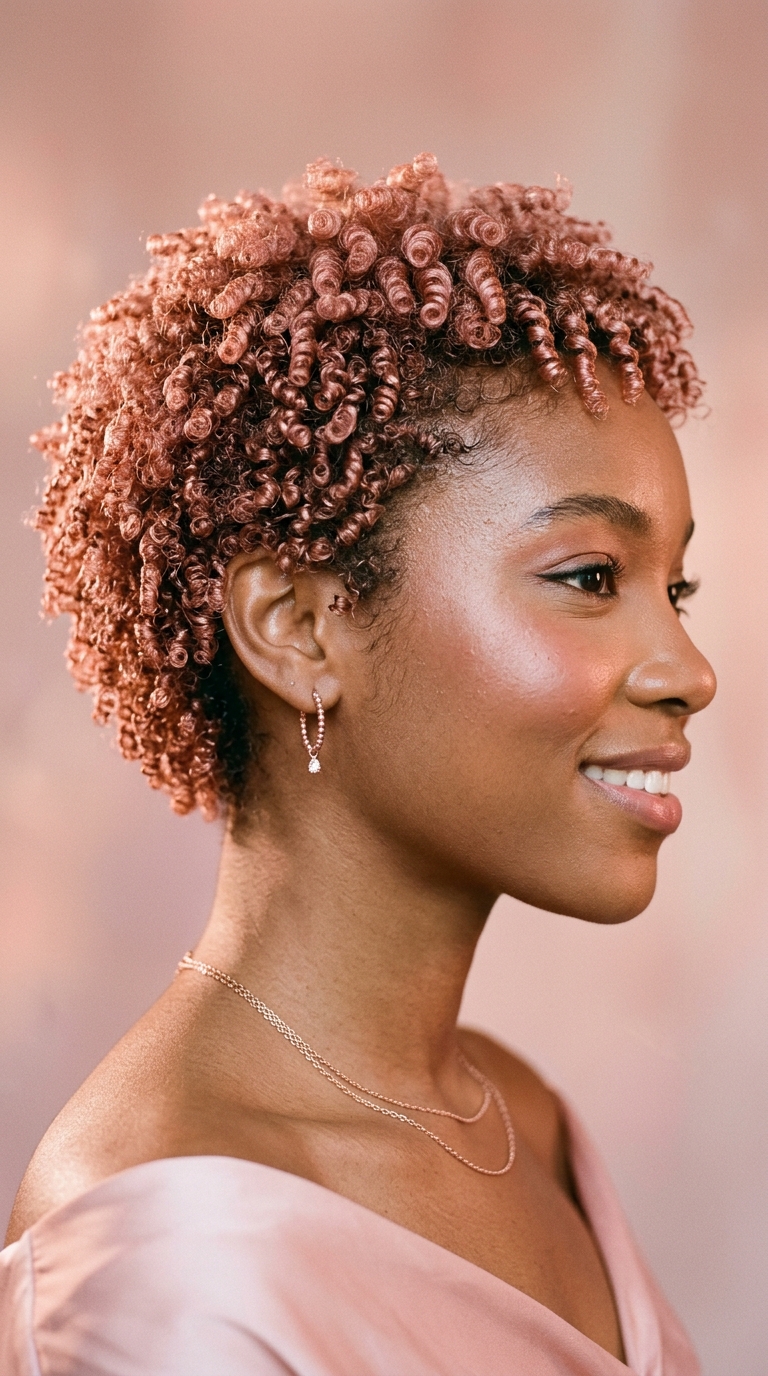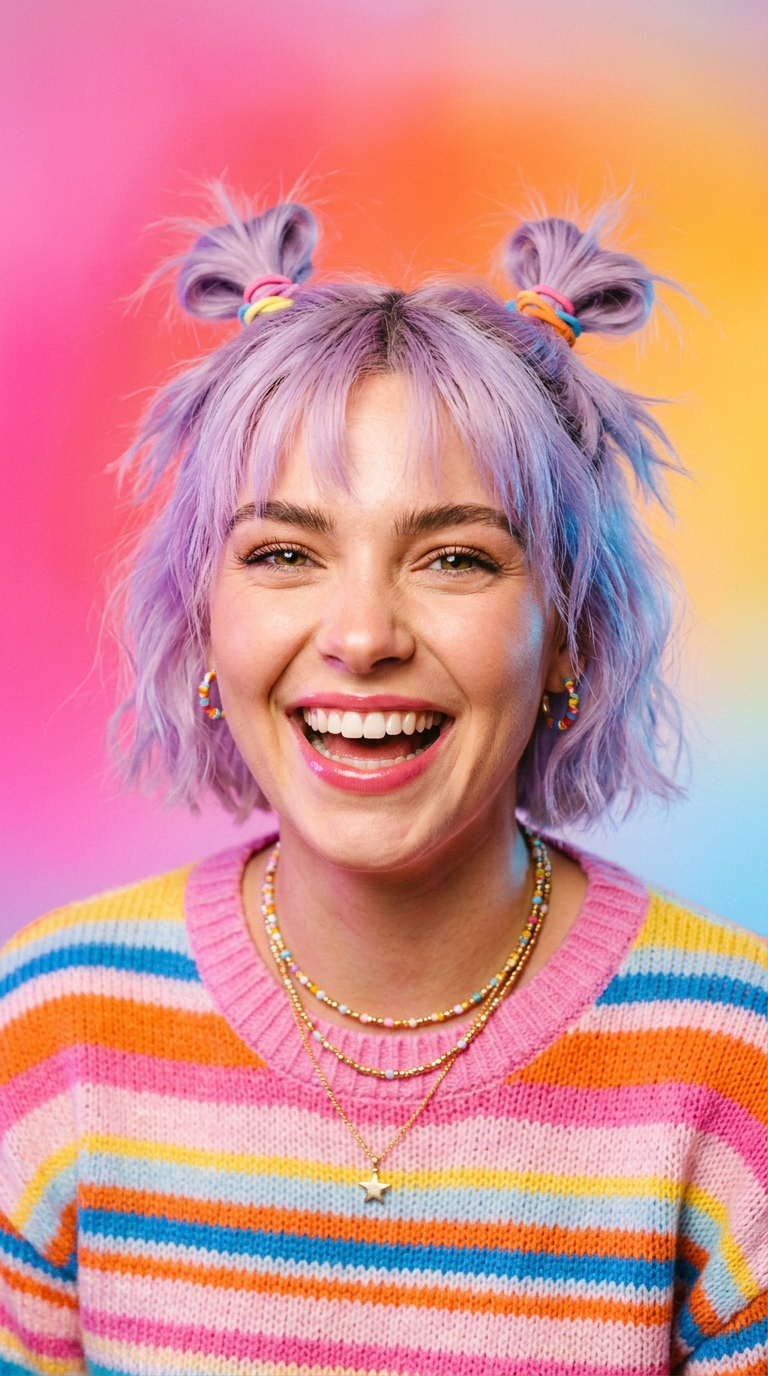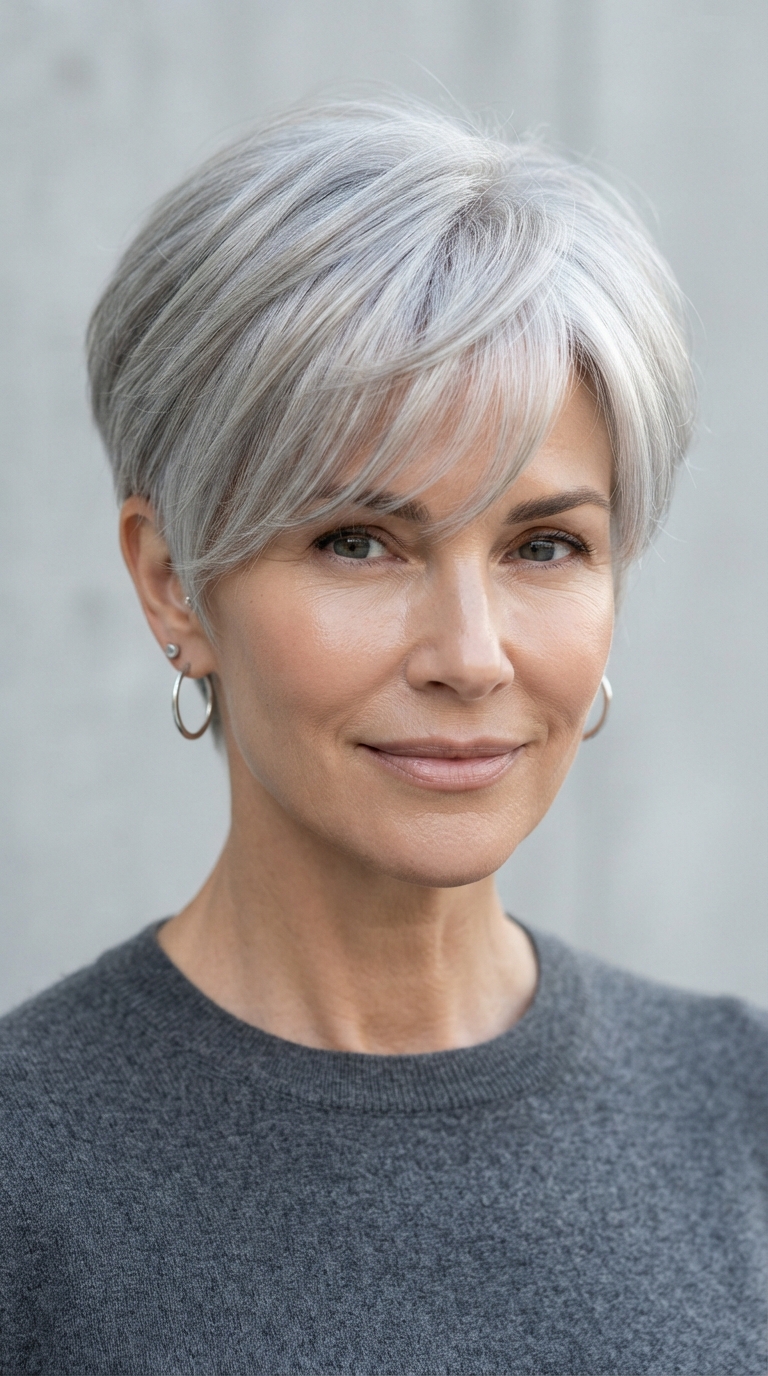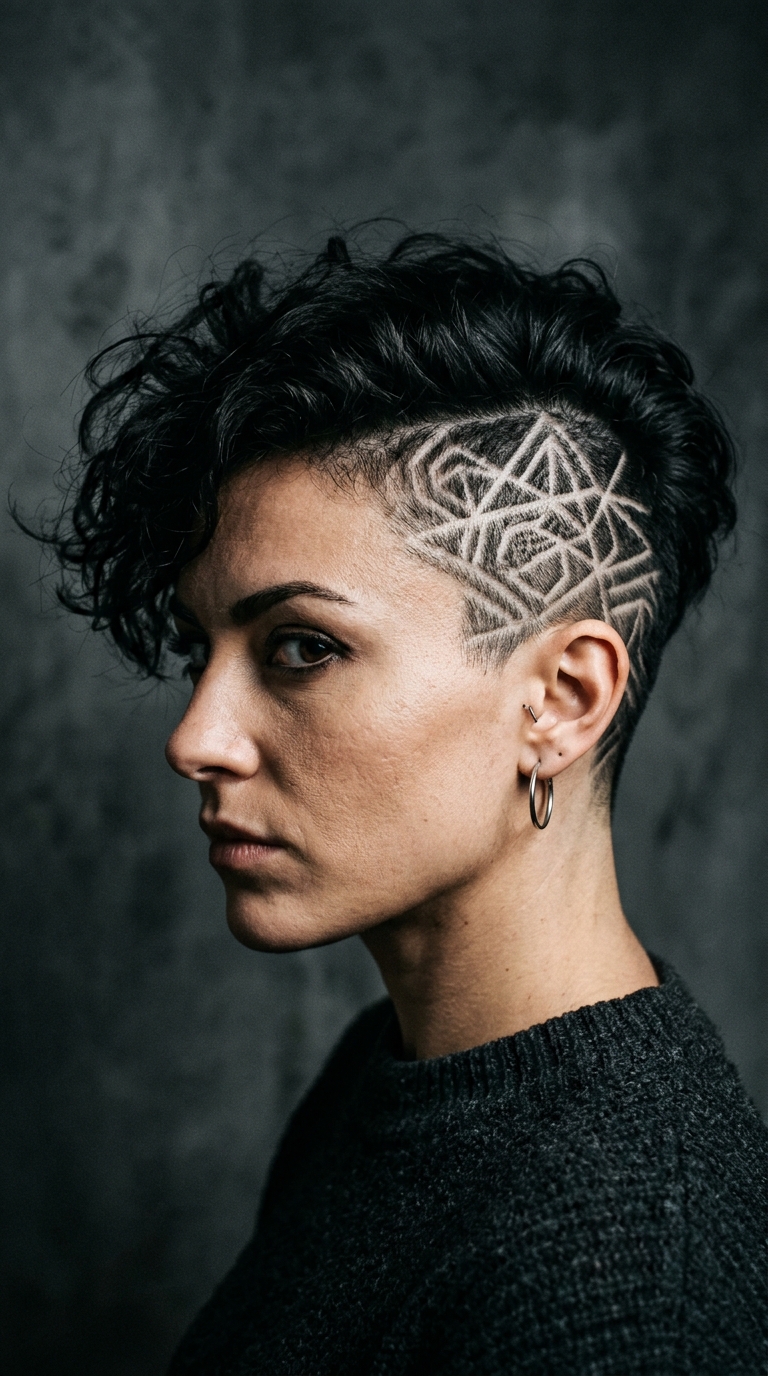
Ever feel like your hair needs a little rebellion? Some mornings call for a haircut with real personality, something textured, effortless, and full of movement. That’s exactly the energy behind short shaggy haircuts, and it’s why this trend keeps showing up everywhere from salon mood boards to Pinterest feeds. In my experience, shaggy cuts solve a problem so many people quietly struggle with: hair that looks flat, predictable, or hard to style on busy mornings. This roundup of 22 ideas covers everything from soft curtain bangs to bold wolf cuts, so whether you want subtle texture or full rockstar energy, there’s a shape here built to fit your face, your routine, and your personality.
Curtain Bangs Shag
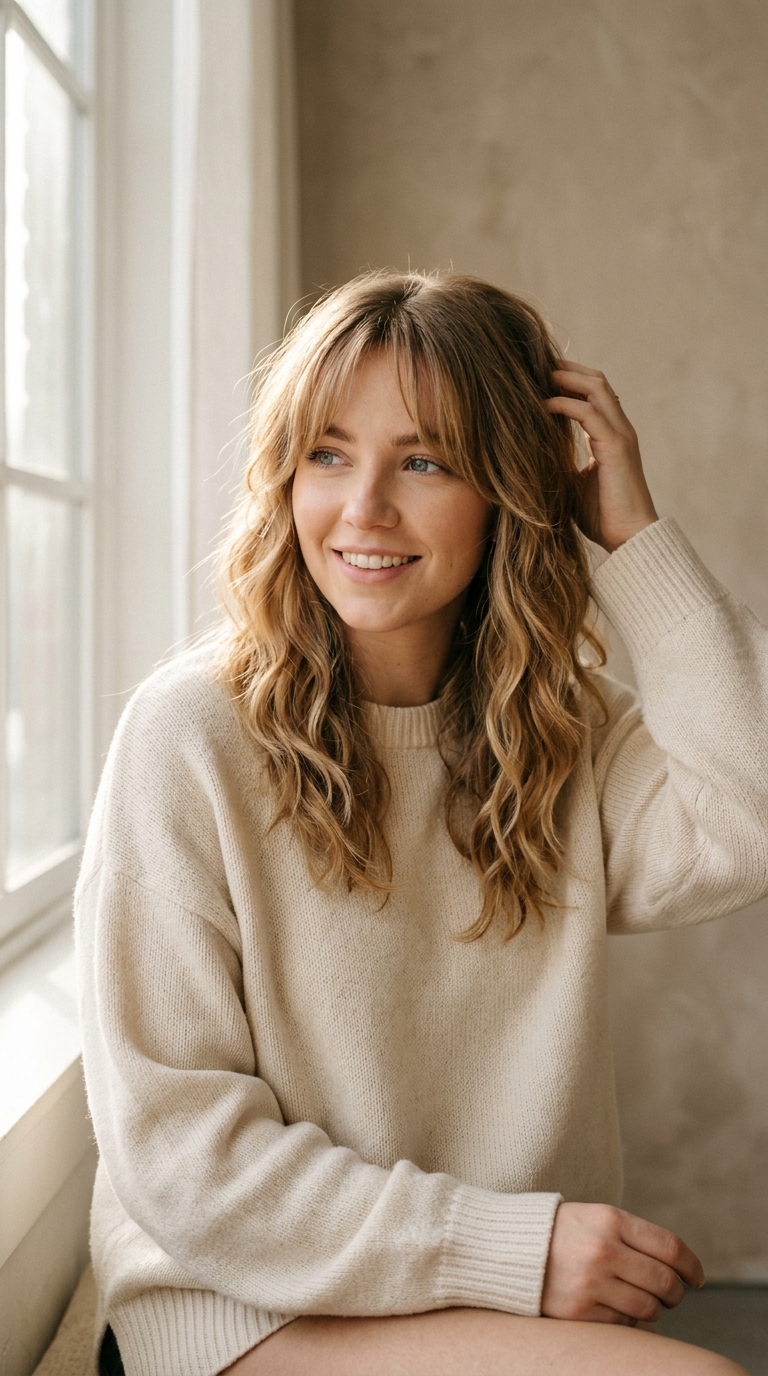
- Softens sharp facial features instantly
- Adds movement around the face without extra length
- Works with almost every hair texture
- Easy to blend into everyday styling
Curtain bangs turn an ordinary shag into something effortlessly polished. This soft fringe blends into the layers instead of standing apart, which is why it feels so wearable day to day. Short shaggy haircuts already bring texture and movement, and adding curtain bangs multiplies that effect around the eyes and cheekbones. In my experience, this combination flatters almost every face shape because the bangs split naturally instead of sitting flat. It also grows out gracefully, so there’s no awkward in-between stage most people dread with fringe. Brushing the bangs into place with fingers alone still looks intentional.
This look works beautifully for anyone easing into a shorter cut for the first time. It softens the transition, keeps styling low-effort, and photographs well from nearly every angle. A quick blow-dry with a round brush is often enough to set the shape for the whole day. Many stylists recommend this pairing for clients who want change without going too dramatic. It reads polished for work meetings yet relaxed enough for weekend errands, which is exactly what makes it so popular right now. Over time, many people reach for hot tools less often, letting the fringe fall naturally into place.
Wolf Cut Shag
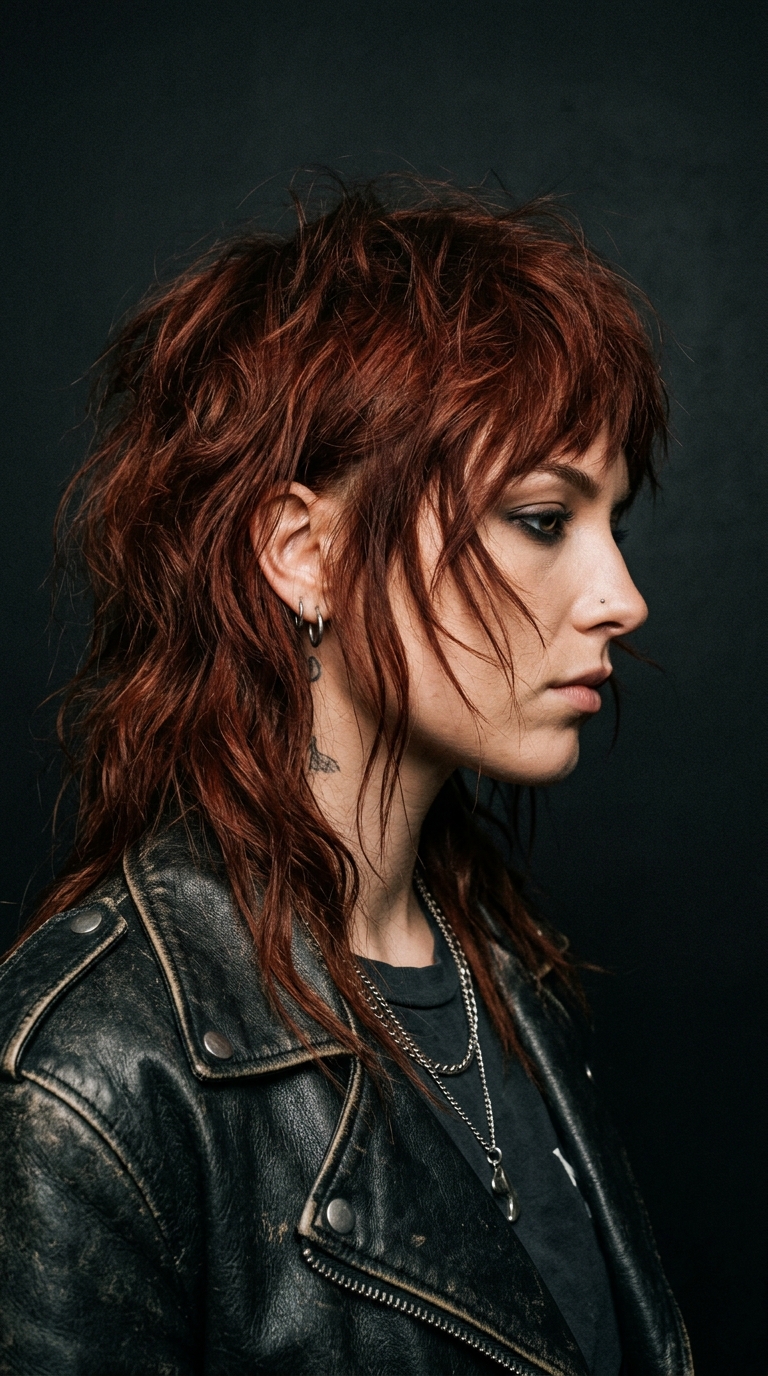
- Creates dramatic volume at the crown
- Blends mullet and shag textures seamlessly
- Perfect for thick or medium hair types
- Delivers instant edge without heavy maintenance
The wolf cut takes shaggy texture to its boldest form. Heavy layering at the crown builds height, while choppy ends taper into wispy, undone pieces near the face. I’ve noticed this style photographs incredibly well because the layers catch light from every direction, giving hair a lived-in, textured look even on second-day hair. It suits people who want their haircut to make a statement rather than blend in. The contrast between volume up top and softer strands below gives this cut its rockstar energy. Regular trims every six to eight weeks keep the crown layers sharp.
Styling stays surprisingly simple once the cut is shaped correctly by a skilled stylist. A texturizing spray and a bit of finger-scrunching is often all it takes to bring the layers back to life. This shag variation works especially well for thicker hair that struggles to hold shape in softer cuts. It also pairs beautifully with darker or warm-toned colors, since the layers create natural dimension. Anyone bored of predictable haircuts will find this one fun to wear and endlessly easy to restyle. A warm color gloss between salon visits helps the layers appear more dimensional.
Choppy Pixie Shag
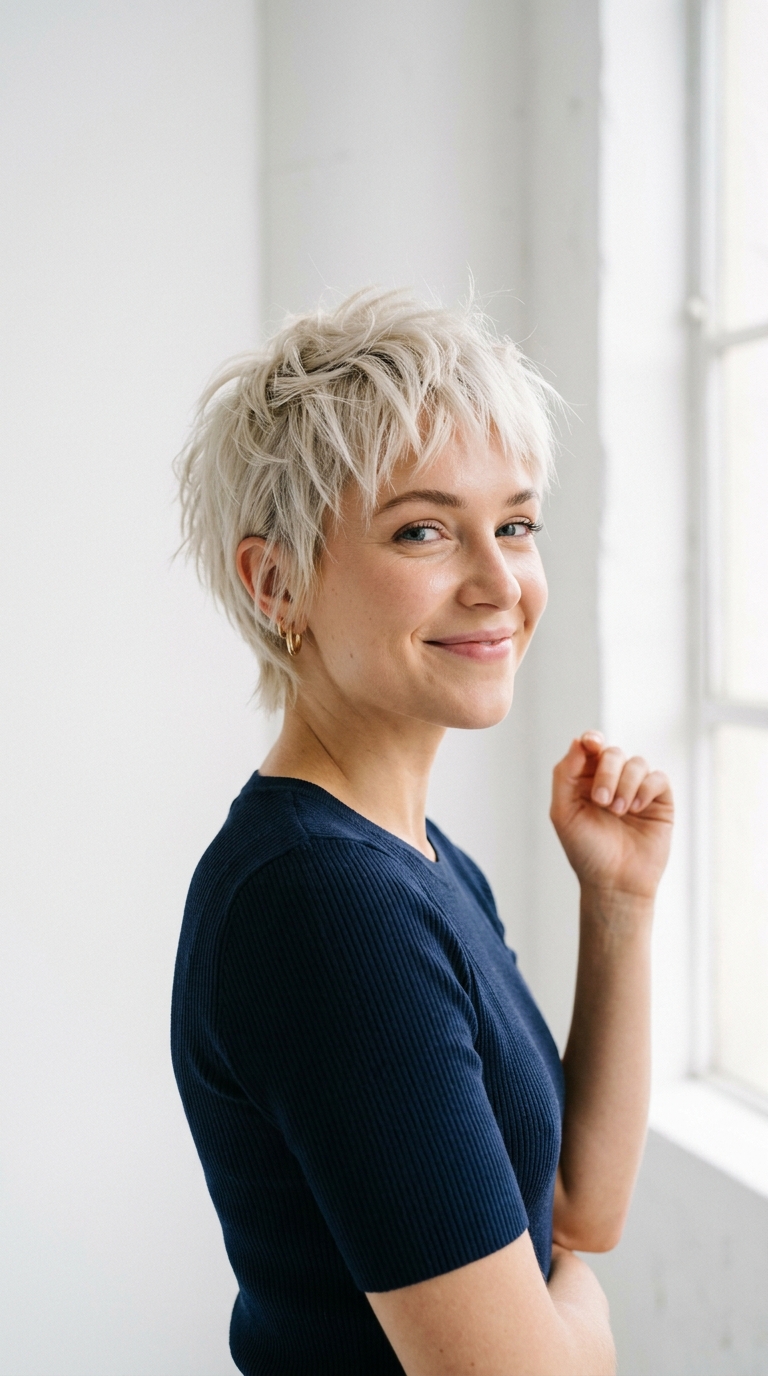
- Combines pixie shortness with shaggy texture
- Requires minimal daily styling effort
- Adds edge to an otherwise classic pixie
- Flatters delicate and sharp features alike
Choppy layers turn a plain pixie into something far more interesting. Instead of smooth, uniform strands, this cut relies on uneven, textured pieces that fall naturally in different directions. It’s one of the boldest shaggy styles because there’s nowhere for the layers to hide, every angle shows off the texture. That’s why many hairstylists recommend it for people who already have naturally textured or slightly wavy hair, since the cut works with what’s already there instead of fighting it. Because the layers are already broken up, the cut rarely looks too severe on softer face shapes.
This style suits anyone who wants a low-maintenance routine without sacrificing personality. A small amount of matte paste worked through damp hair is usually enough to define the pieces and hold shape through the day. It also tends to age beautifully, since the choppy layers soften harsh lines around the face naturally. For those hesitant about going short, this cut proves that shorter hair can still feel expressive, textured, and full of movement rather than plain or overly tidy. A shine-free finishing spray keeps the pieces looking crisp well into the evening.
Textured Bob Shag
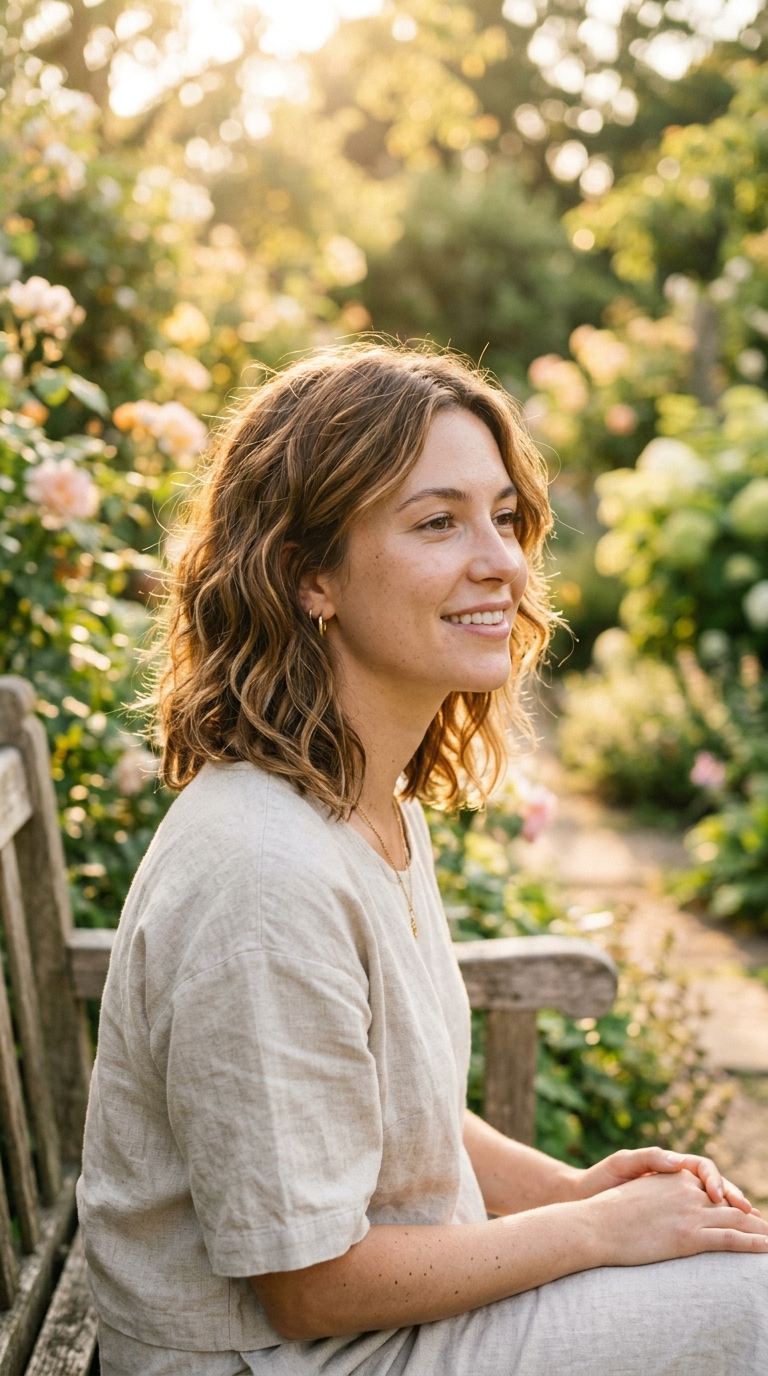
- Bridges the gap between bob and shag
- Adds body without extra bulk
- Ideal for medium-length hair goals
- Balances softness with visible texture
This cut takes the classic bob and gives it a shaggy makeover through layering and texturizing. Instead of one heavy, blunt line, the ends are cut unevenly to create movement and lift. It sits right at that in-between length many people love, long enough to tie back on busy days, short enough to still feel fresh and current. The layers prevent the bob from looking flat or overly structured, which is often the biggest complaint people have with traditional bob cuts. Regular deep conditioning keeps the ends from looking frayed, since layered bobs show damage more visibly.
Texture is the star of this style, and it shows the most on wavy or slightly curly hair types. I’ve tried this cut personally on finer hair and the layers helped it look thicker without any extra product. It works well for both casual days and slightly dressed-up occasions since the shape holds structure while still feeling relaxed. Anyone wanting a shag-inspired look without committing to something drastically shorter will find this version comfortable, flattering, and easy to grow into other lengths later. A light-hold sea salt spray applied before air-drying enhances the texture without weighing strands down.
Feathered Layers Shag
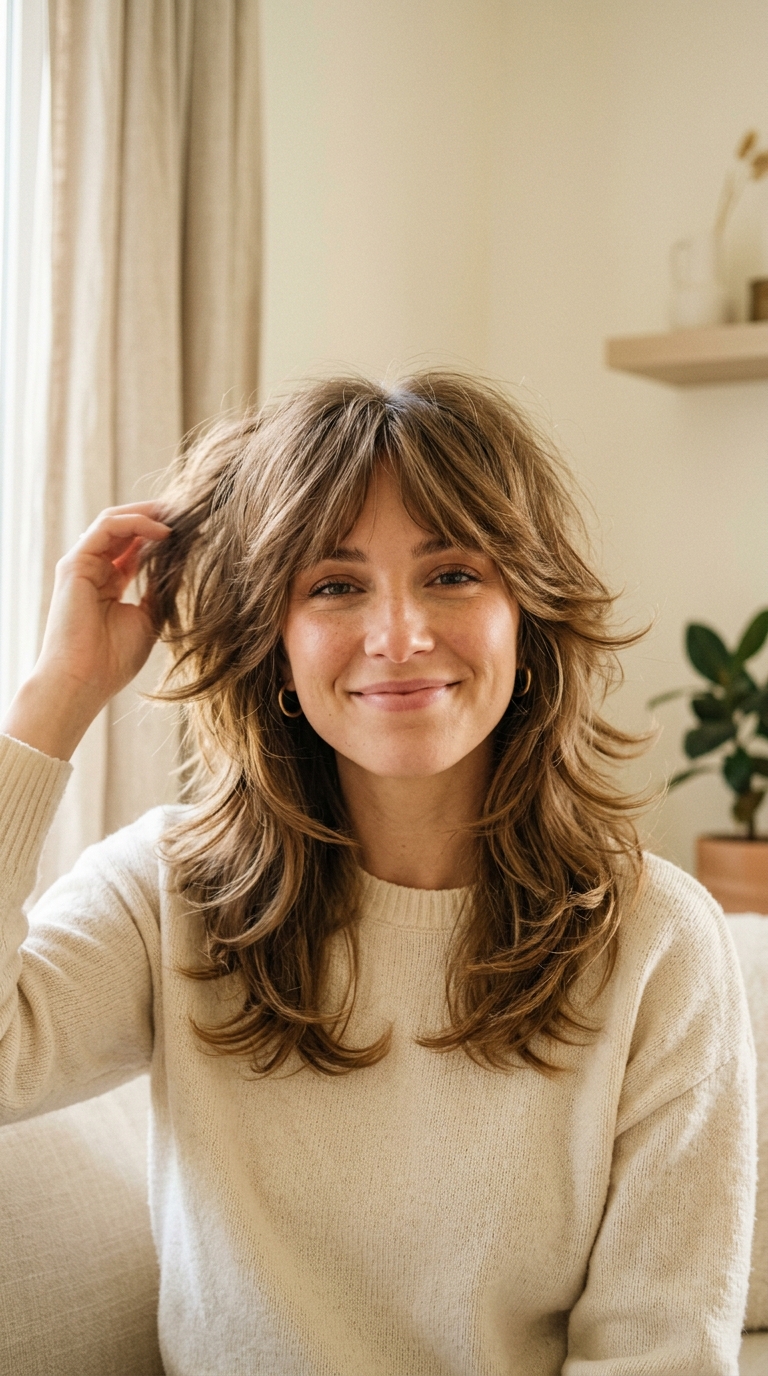
- Brings back a nostalgic 70s-inspired shape
- Softens ends instead of blunt cutting
- Adds lightweight movement throughout the hair
- Works beautifully with a center or side part
Feathered layers give this shag a softer, rounder finish compared to choppier versions. The ends flick outward slightly rather than pointing sharply, which creates a gentler overall silhouette. This detail makes this shag feel more romantic and less edgy, appealing to people who want texture without an aggressive look. The layering is usually cut with slightly rounded shears or a light razor to avoid harsh lines, letting each section blend smoothly into the next for a soft, cohesive shape. Occasional trims keep the flicked ends light, helping the feathered effect stay visible longer.
This style pairs especially well with a middle part and a light blow-dry using a round brush. It suits fine to medium hair types that need lift without added weight. In my experience, feathered layers also hide regrowth and color fading better than blunt cuts because the eye follows movement rather than a single hard line. It’s a wonderful option for anyone stepping away from straight, structured haircuts and wanting something that feels lighter, softer, and effortlessly retro in the best way. A small amount of shine serum enhances the soft, glossy finish this style is known for.
Blunt Fringe Shag
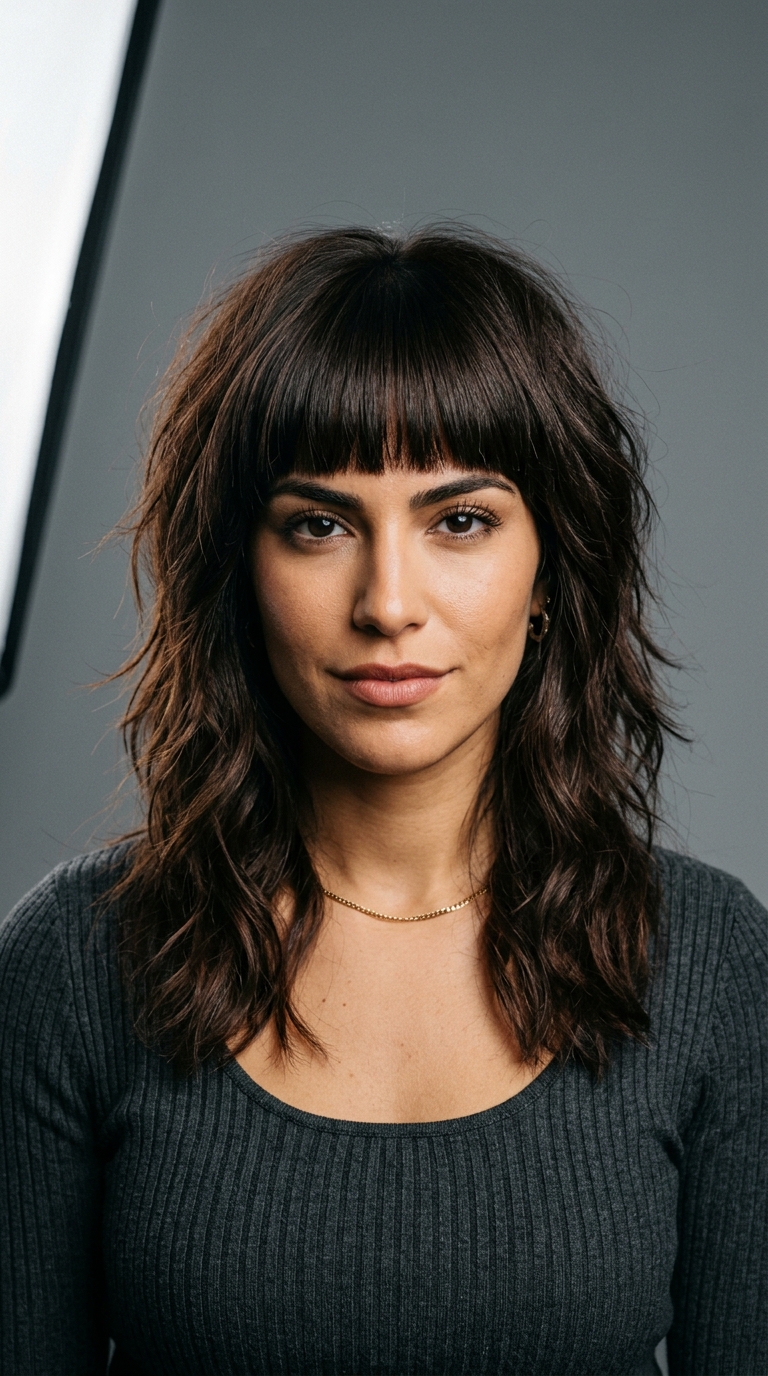
- Creates strong contrast against soft shag layers
- Draws attention to the eyes instantly
- Adds a bold, statement-making element
- Balances heavy fringe with lightweight ends
A thick, blunt fringe against loose shaggy layers creates one of the most striking contrasts in modern haircuts. Where the rest of the hair feels undone and textured, the fringe stays sharp, straight, and deliberate. This combination gives the whole style a fashion-forward edge that still feels wearable in everyday life. It’s a favorite among people who want a defined feature on their face without changing their entire hair length or texture, making it an easy addition to an existing shag. Regular touch-ups prevent the fringe from drifting into the eyes and disrupting the clean line.
Maintaining this look mostly comes down to keeping the fringe trimmed every few weeks, since blunt lines grow out noticeably faster than layered pieces. The rest of the shag can go longer between salon visits without losing its shape. This cut works particularly well for people with straighter hair, since the fringe holds its crisp line more easily. It also frames the eyes beautifully, which is why so many people request this pairing specifically for a bolder, more dramatic finish. Pairing this fringe with a deep, glossy color tends to intensify the contrast against the softer, more textured layers below.
Razored Edges Shag
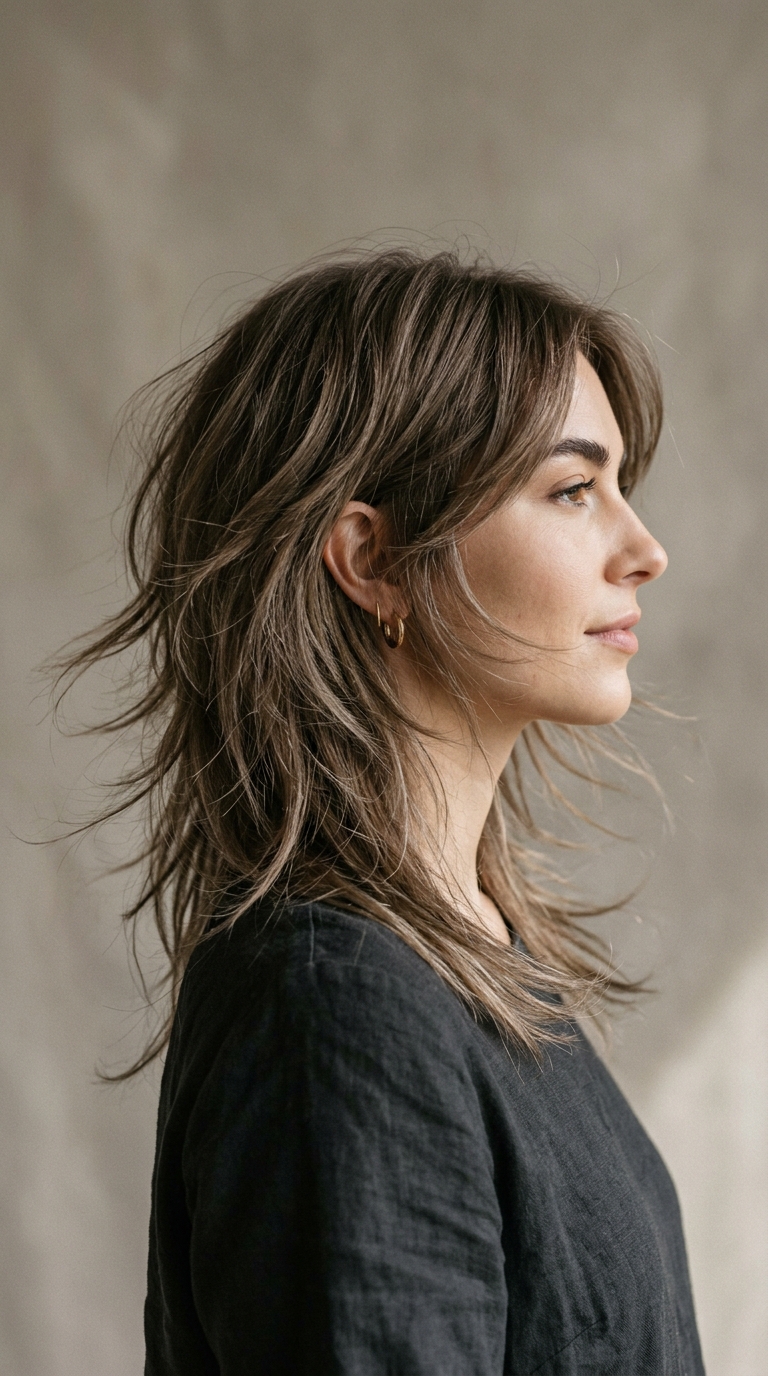
- Removes bulk for a lighter finish
- Creates soft, feathery movement in every layer
- Works especially well on thick hair
- Gives a more natural, undone texture
Razoring is a cutting technique rather than a specific shape, but it completely changes how a shag feels and moves. Instead of blunt scissor lines, a razor slices through the ends to remove weight and create soft, feathered texture throughout. This technique is often the secret behind the most effortless-looking shaggy cuts, since it removes stiffness and lets the hair fall more naturally. Thicker hair types especially benefit here, as razoring reduces bulk without sacrificing length or overall shape. It’s worth noting that razoring works best on healthy hair, since already-damaged strands can fray more easily under this technique.
The result is a softer, more lived-in texture that requires little styling effort to look intentional. Many stylists reach for a razor specifically when a client wants movement rather than structure, since the technique naturally breaks up straight lines. I’ve seen this work beautifully for people transitioning from thick, heavy hair into something more manageable day to day. It’s a subtle but powerful choice for anyone who wants their shag to feel light, airy, and naturally textured rather than deliberately styled. A lightweight leave-in treatment helps keep the razored ends soft and manageable rather than dry or prone to splitting.
Curly Shag Bob
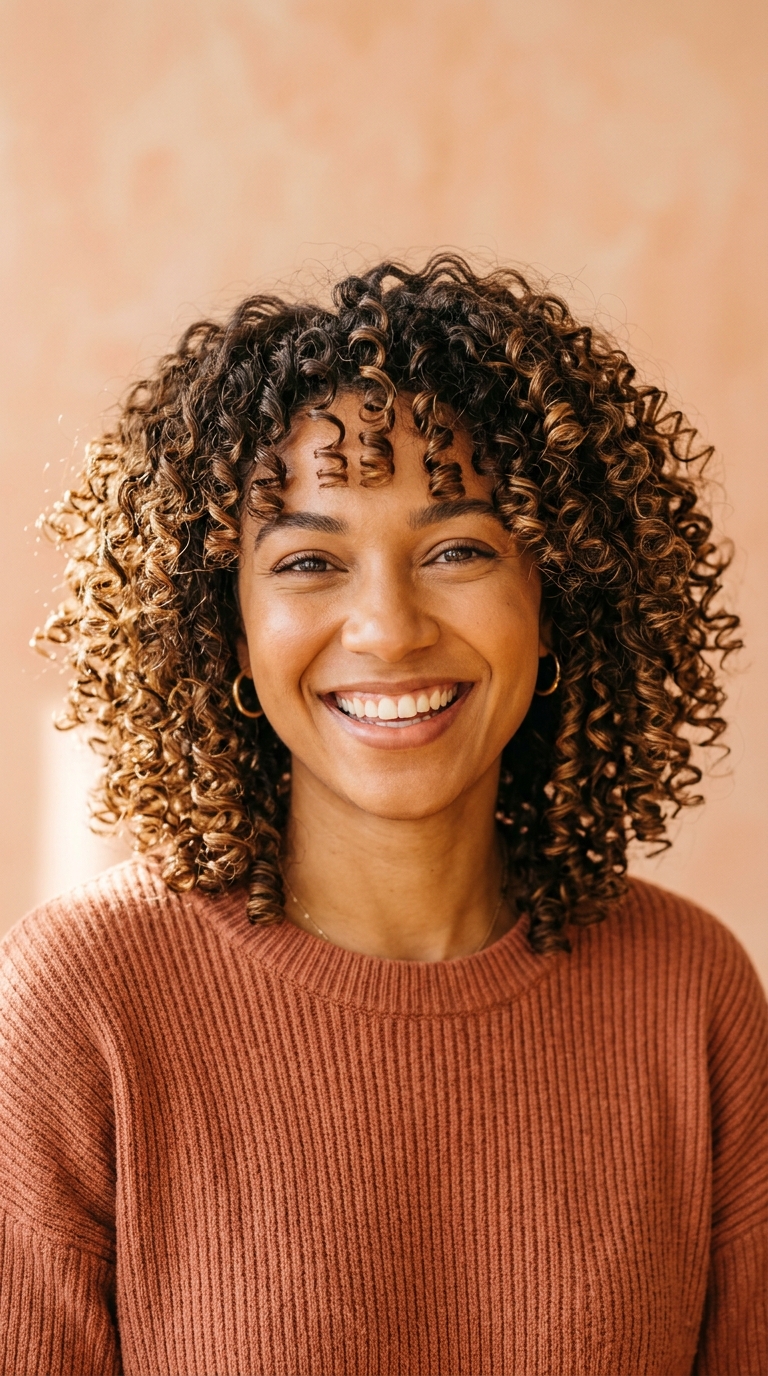
- Enhances natural curl pattern beautifully
- Adds shape without weighing curls down
- Reduces bulk around the sides and back
- Celebrates texture instead of fighting it
Curly hair and shag layers are a perfect match. The natural bounce and spring of curls fill in the layered shape effortlessly, creating volume that straight hair often has to work harder to achieve. This version of the shag skips heavy thinning shears in favor of strategic layering that respects each curl’s natural pattern. The bob length keeps curls from feeling too heavy at the ends, allowing them to spring up rather than stretch downward under their own weight. Diffusing on a low, cool setting locks the curl pattern in place without disrupting each ring’s shape.
Curl-specific cutting matters enormously here, and it’s worth seeking a stylist experienced with textured hair for the best result. That’s why many hairstylists recommend cutting curly shags dry, so the true shape and shrinkage can be seen in real time. Once cut correctly, this style needs very little daily effort beyond a curl cream and some gentle scrunching. It celebrates natural texture instead of trying to smooth it away, giving curly-haired readers a shag option that finally works with their hair. Sleeping on a silk pillowcase helps preserve the curl definition overnight, meaning less styling is needed the next morning.
Face-Framing Shag
- Highlights cheekbones and jawline naturally
- Softens the transition between face and hair
- Works on nearly every hair length
- Adds a subtle slimming visual effect
Long, angled pieces around the face are one of the easiest ways to customize any shag haircut. Rather than cutting the entire perimeter evenly, these face-framing layers are shaped individually to hit at flattering points near the chin or cheekbones. This small adjustment can change how a haircut interacts with someone’s features, drawing the eye toward the face in a soft, natural way. It’s a detail worth specifically requesting, since it isn’t always included automatically in every shag cut. These pieces also work well left down or tucked behind the ear, offering two different looks from a single cutting technique.
This technique works wonderfully whether the rest of the hair is short or long, curly or straight, which makes it one of the most adaptable elements in shaggy haircuts. A light curling iron pass on just these pieces is often enough to enhance the framing effect for special occasions. In my experience, clients notice compliments on their face shape more after adding these layers than after almost any other single change. It’s proof that small, targeted cuts can make a bigger visual difference than an entirely new haircut. Trimming them slightly shorter keeps the framing effect crisp and clearly defined.
Undone Beach Shag
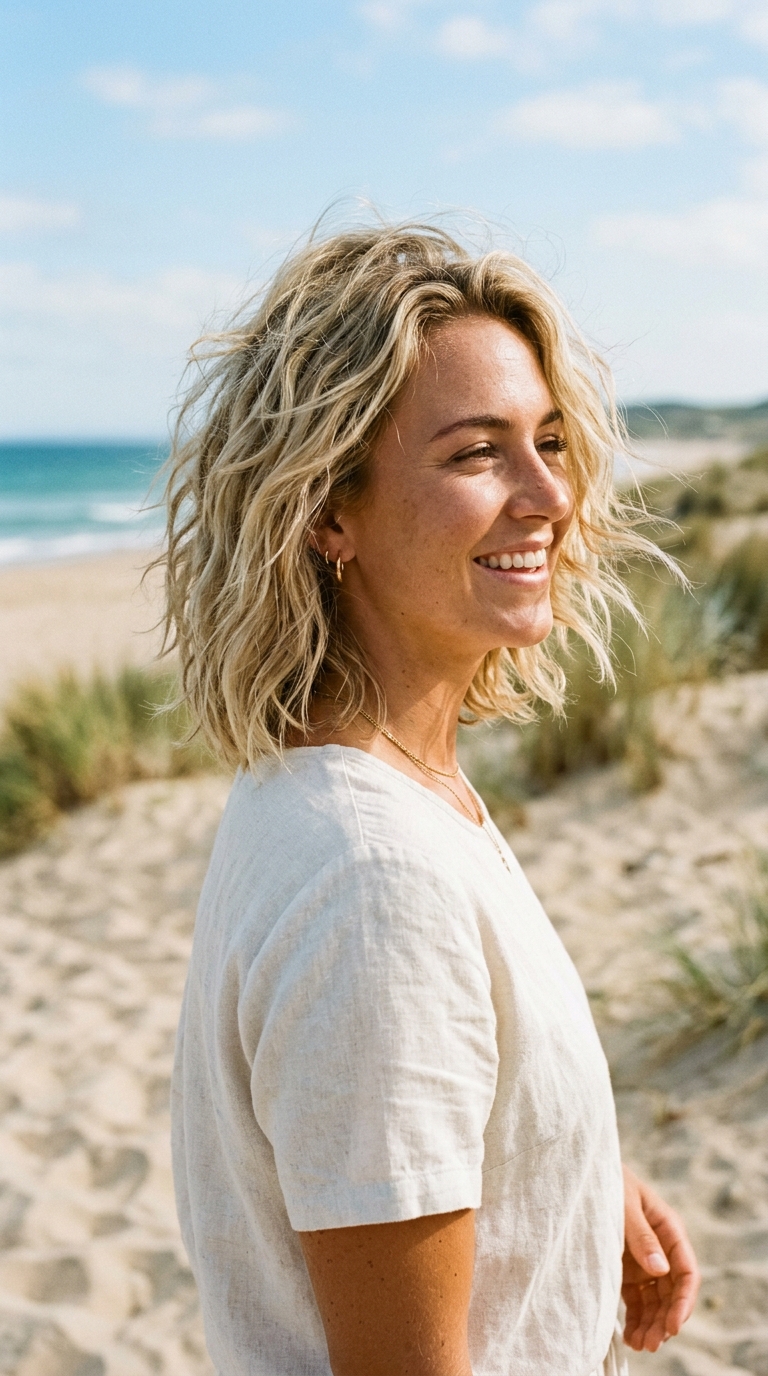
- Mimics natural, sun-dried texture
- Requires almost no heat styling
- Perfect for warm-weather routines
- Adds effortless, vacation-ready movement
This version of the shag leans fully into undone, textured styling rather than polished waves. The layers are cut to encourage natural movement, so the hair looks great whether it air-dries or gets a quick scrunch with texturizing spray. This kind of shag already lends itself to this relaxed finish, but the beach-inspired styling pushes it even further with looser, more piecey texture throughout. It’s an especially good match for anyone living somewhere warm or humid, since the style improves with a little natural frizz and movement. Skipping heat on especially hot days often produces the best results.
Low maintenance is the biggest draw here, and it genuinely delivers on that promise. A sea salt spray applied to damp hair before air-drying is often the only product needed to achieve this look at home. I’ve noticed this cut holds up remarkably well through swimming, humidity, and long days outdoors compared to sleeker styles. It’s a forgiving, practical choice for anyone who wants their hair to look intentionally undone rather than fighting against natural texture every single morning. A lightweight oil applied to the ends afterward helps prevent dryness without weighing down the airy, undone finish.
Mullet-Inspired Shag
- Combines two iconic haircuts into one bold look
- Adds noticeable length contrast front to back
- Delivers maximum personality and edge
- Works well on both straight and wavy hair
The mullet-inspired shag borrows length contrast from the mullet and blends it into softer, shaggier layering throughout. Short pieces up top create lift and movement, while longer strands trail toward the back and sides, avoiding the harsh line that made classic mullets so polarizing. This hybrid has become one of the most requested short shaggy haircuts for people wanting something different from typical layered cuts. It rewards a bit of boldness but pays off with a shape that photographs beautifully from every angle. Choosing a stylist experienced with this combination matters, since the blending technique is more advanced.
Because the layers are heavily blended rather than sharply separated, this cut tends to suit more face shapes than people initially expect. A texturizing powder at the roots adds lift, while a light wave adds softness to the longer back pieces. Many hairstylists recommend easing into this shape gradually if you’re nervous about commitment, starting with shorter layers up top before going more dramatic. It’s a genuinely fun cut for anyone ready to stand out with real rockstar energy. Adding subtle highlights near the crown can also help emphasize the shorter layers and add extra depth to the overall shape.
Voluminous Crown Shag
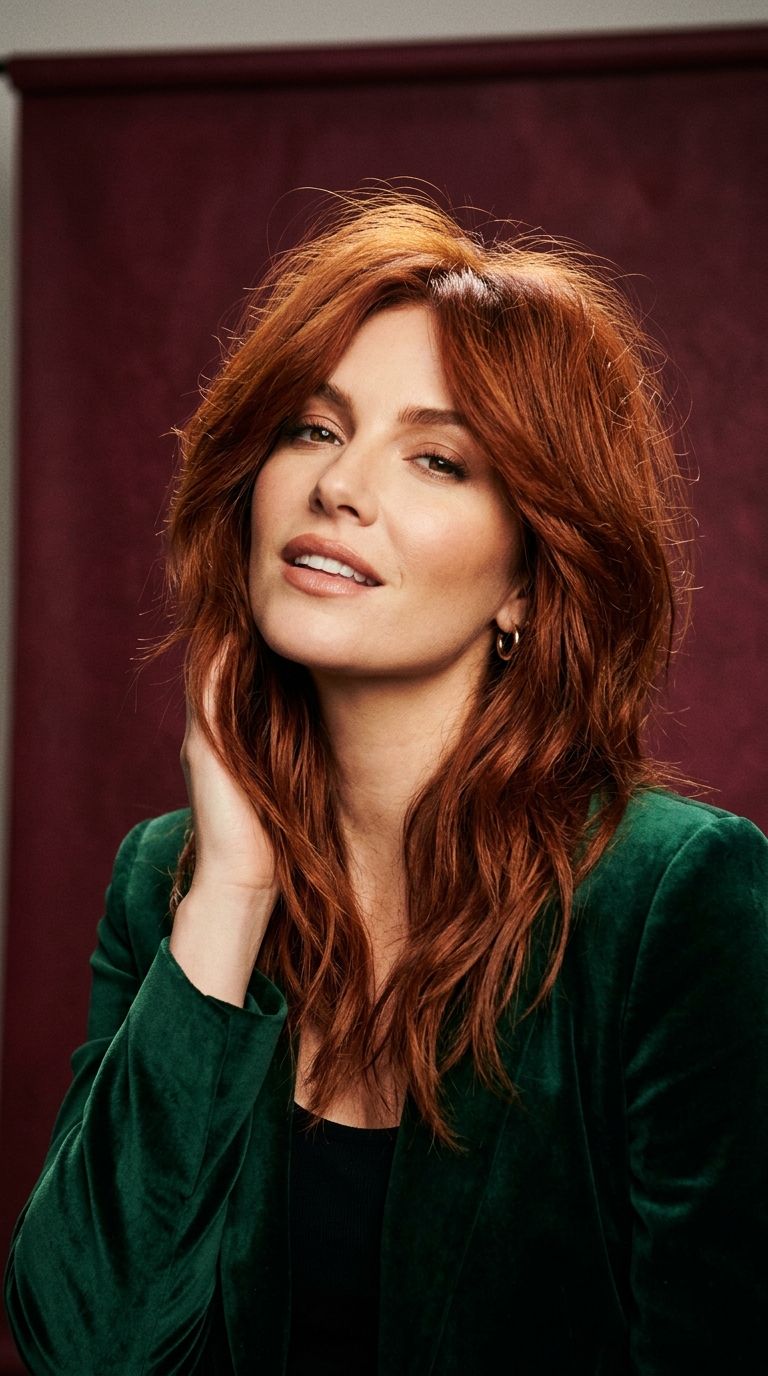
- Builds noticeable height and fullness
- Balances flatter areas with lifted layers
- Great for fine or thin hair types
- Creates a bold, statement silhouette
Volume at the crown is what gives certain shags their unmistakable rockstar presence. Rather than distributing layers evenly, this technique concentrates shorter, choppier cuts near the roots to encourage natural lift, while longer layers cascade down and outward. Shaggy cuts built around crown volume tend to photograph exceptionally well because the silhouette itself carries visual interest, even before styling products get involved. It’s a particularly smart choice for anyone whose hair tends to fall flat by midday. Sleeping with hair loosely clipped up at the crown overnight can also help preserve some of that lift for the following morning.
Achieving this volume at home is easier than it looks, usually requiring just a root-lifting spray and a quick blast of the blow dryer with the head tipped upside down. The shorter crown layers naturally want to stand up once dried this way. I’ve seen this style work wonderfully for people with fine hair who’ve struggled for years to add fullness without extensions. It offers real, lasting volume through the cut itself rather than relying entirely on daily styling effort. Choosing a lightweight mousse rather than a heavy gel keeps the volume looking natural instead of stiff or overly structured.
Side-Swept Shag
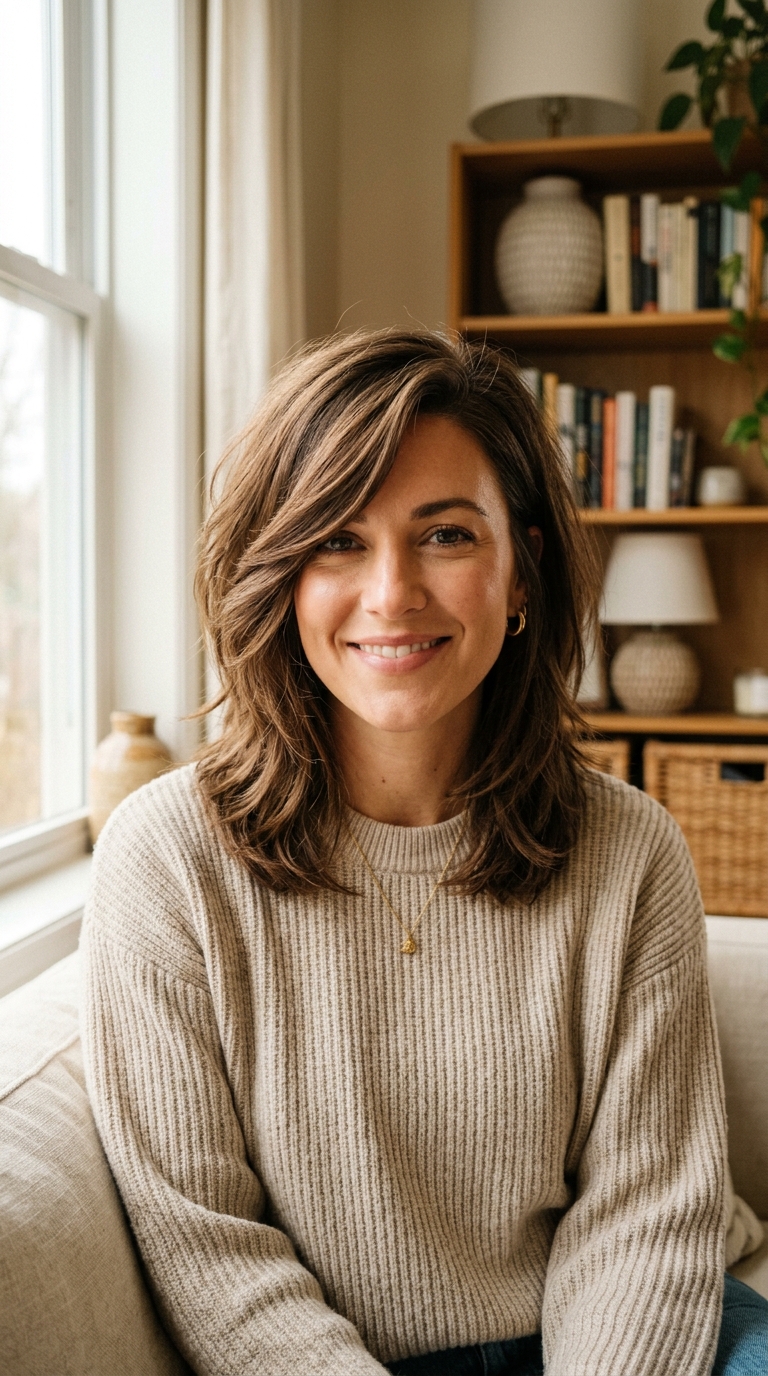
- Softens a strong hairline naturally
- Adds asymmetry for visual interest
- Easy to switch between casual and formal
- Works well with growing-out fringe
A deep side part changes the entire personality of a shag haircut without requiring any extra cutting. Sweeping the front layers across the forehead instead of down the center adds asymmetry and softness that suits a huge range of face shapes. This styling choice is especially handy for anyone growing out bangs, since it gives the front pieces somewhere purposeful to go instead of looking unfinished. It’s one of the simplest ways to refresh the look of an existing shaggy haircut. A small amount of clay along the parting keeps flyaways controlled without disturbing the softness.
Switching between a center and side part can make the same haircut feel like two different styles, which adds versatility without a single extra salon visit. A bit of light hairspray at the root of the part helps it hold shape throughout the day. In my experience, this small adjustment is often the missing piece for people who feel their shag looks a little plain, proving that sometimes styling technique matters just as much as the actual haircut itself. This adjustment costs nothing extra at the salon, yet it consistently changes how the entire haircut is perceived day to day.
Piecey Fringe Shag
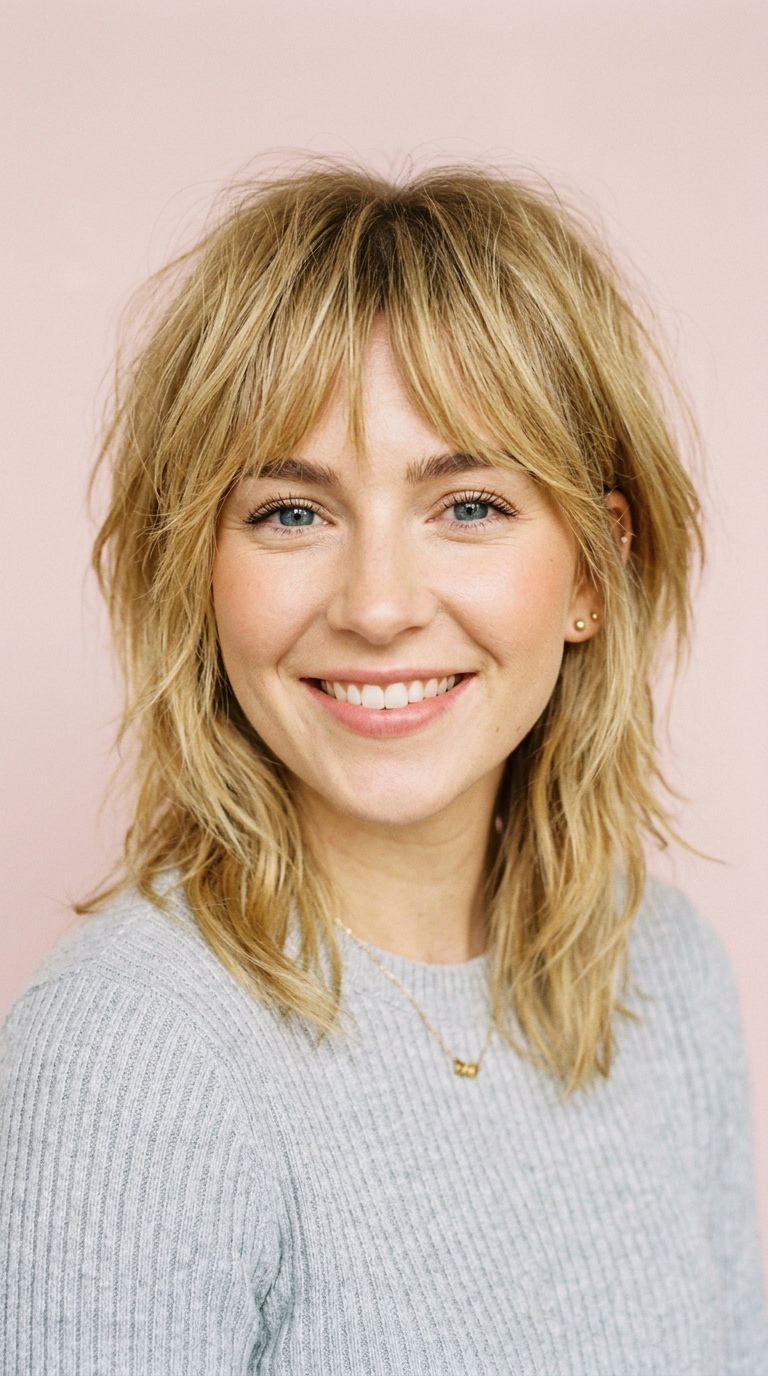
- Creates a lighter, less structured fringe
- Allows visibility through the strands
- Suits people wanting fringe without full commitment
- Pairs naturally with longer face-framing layers
Piecey fringe takes the boldness out of a full, thick bang while still adding texture around the face. The strands are cut and styled to separate naturally, often parting slightly in the center, which keeps the forehead partially visible instead of fully covered. This softer approach fits seamlessly into shaggy haircuts because it echoes the same undone, textured energy found throughout the rest of the cut. It’s an excellent entry point for anyone nervous about committing to a full, heavy fringe. Trimming the pieces every few weeks keeps them light and clearly separated.
Styling this fringe usually takes less than a minute using just fingers and a small amount of wax or pomade to define the separation. Because the pieces are already choppy by design, there’s very little pressure to get it perfectly smooth or symmetrical. I’ve tried both full and piecey fringe personally, and this lighter version felt easier to live with day to day. It’s a low-pressure way to experiment with bangs before deciding whether a bolder version might suit you later. This approach also gives more flexibility to grow the fringe out completely later without an awkward, obvious in-between stage.
Shaggy Lob
- Offers length with real texture and movement
- Bridges short and long hair preferences
- Flattering for most necklines and face shapes
- Easy to tie back when needed
The shaggy lob sits at one of the most requested lengths in modern haircuts, long enough for basic updos, short enough to feel fresh and current. Layering throughout prevents the classic heaviness that longer bobs can sometimes carry, giving the ends movement instead of a flat, blunt finish. This length works particularly well for people transitioning from long hair who aren’t ready to go dramatically short but still want the texture and energy associated with shaggy layered styles. Because the length sits just above the shoulders, it also works well pulled into a half-up style for busier days.
Because the length offers a bit more to work with, this cut adapts well to both curly and straight styling depending on the day. A loose wave adds softness for evening plans, while air-drying keeps things casual for everyday wear. That’s why many hairstylists recommend the shaggy lob specifically for first-timers exploring layered cuts, since it offers noticeable texture without the commitment of short hair. It remains one of the safest yet most rewarding choices for anyone easing into this trend. Many people find this length strikes the right balance between versatility and short styling time.
Rocker Chin Shag
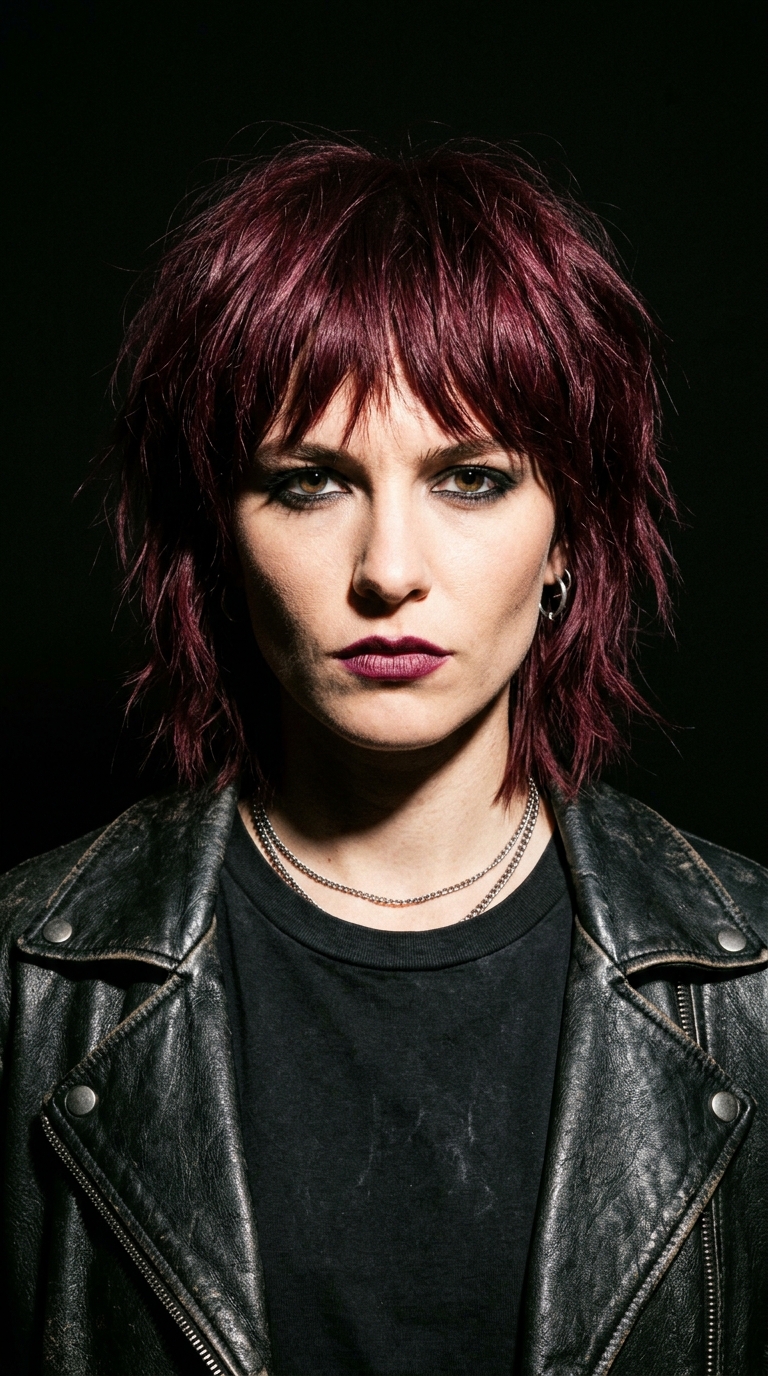
- Delivers maximum edge in minimal length
- Highlights jawline with sharp, choppy ends
- Ideal for bold color pairings
- Requires minimal length to maintain drama
Chin-length shags bring serious attitude in a surprisingly short amount of hair. Jagged, choppy ends cut right at the jawline create a sharp, graphic outline that instantly reads as bold and unapologetic. This is one of the most dramatic shaggy styles on this list, favoring intensity over softness at every layer. It suits people who want their hair to make a statement, pairing especially well with darker or more saturated hair colors that emphasize the sharp, textured shape. Because there’s less overall length, split ends are far less noticeable, which means fewer trims are needed to keep it looking sharp.
Despite its dramatic appearance, this cut is actually quite low-maintenance once shaped correctly, since the short length dries quickly and rarely needs more than a quick tousle. I’ve noticed this style holds its shape exceptionally well through humid weather compared to longer, heavier cuts. It’s a fantastic option for anyone wanting maximum visual impact with minimal daily effort, proving that shorter hair can absolutely deliver just as much personality and edge as much longer, more elaborate styles. A matte texturizing spray tends to suit this cut better than shine products, keeping the finish edgy rather than overly polished.
Grunge Layered Shag
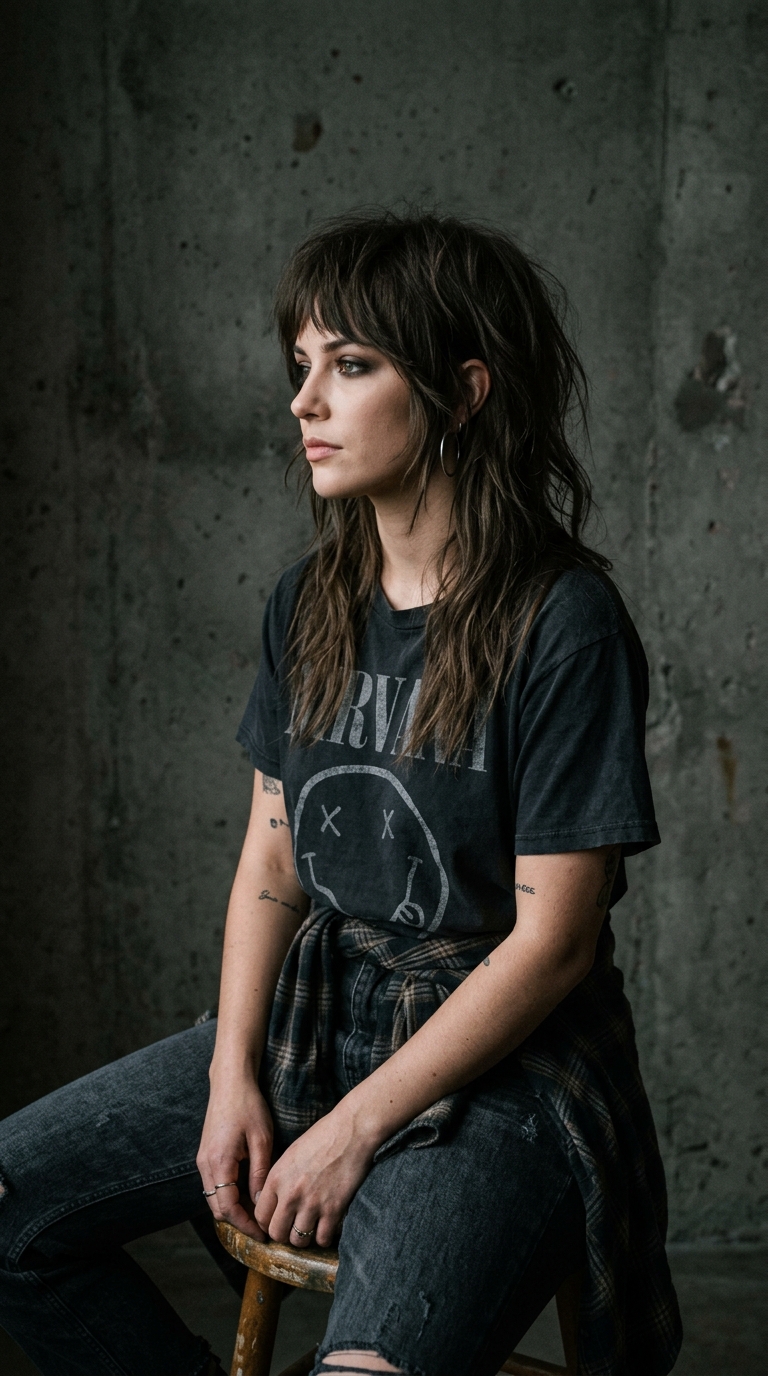
- Embraces intentional messiness as the main feature
- Works beautifully with matte, non-shiny styling products
- Pulls inspiration from 90s alternative culture
- Suits anyone wanting a lived-in, effortless vibe
Grunge styling turns the shag into something deliberately imperfect, and that imperfection is exactly the point. Layers are cut unevenly on purpose, then styled with matte products instead of shine-enhancing ones, giving the whole look a slightly rough, undone finish reminiscent of 90s alternative culture. This approach to shaggy layering rejects polish in favor of personality, appealing to people who feel most confident when their hair doesn’t look overly done or precisely arranged every single day. Skipping the blow dryer entirely and simply air-drying with a bit of product often produces the most authentic version of this look.
Achieving this texture at home is refreshingly forgiving, since the entire aesthetic celebrates imperfection rather than punishing it. A matte clay or paste worked roughly through dry hair usually nails the finish without much effort. In my experience, this is one of the easiest shag variations to maintain because there’s no pressure to keep every piece perfectly placed. It’s an ideal choice for anyone who wants their hairstyle to feel authentic, expressive, and just a little bit rebellious. Pairing it with a slightly faded or grown-out color can also enhance the deliberately worn-in, undone aesthetic even further.
Soft Wavy Shag
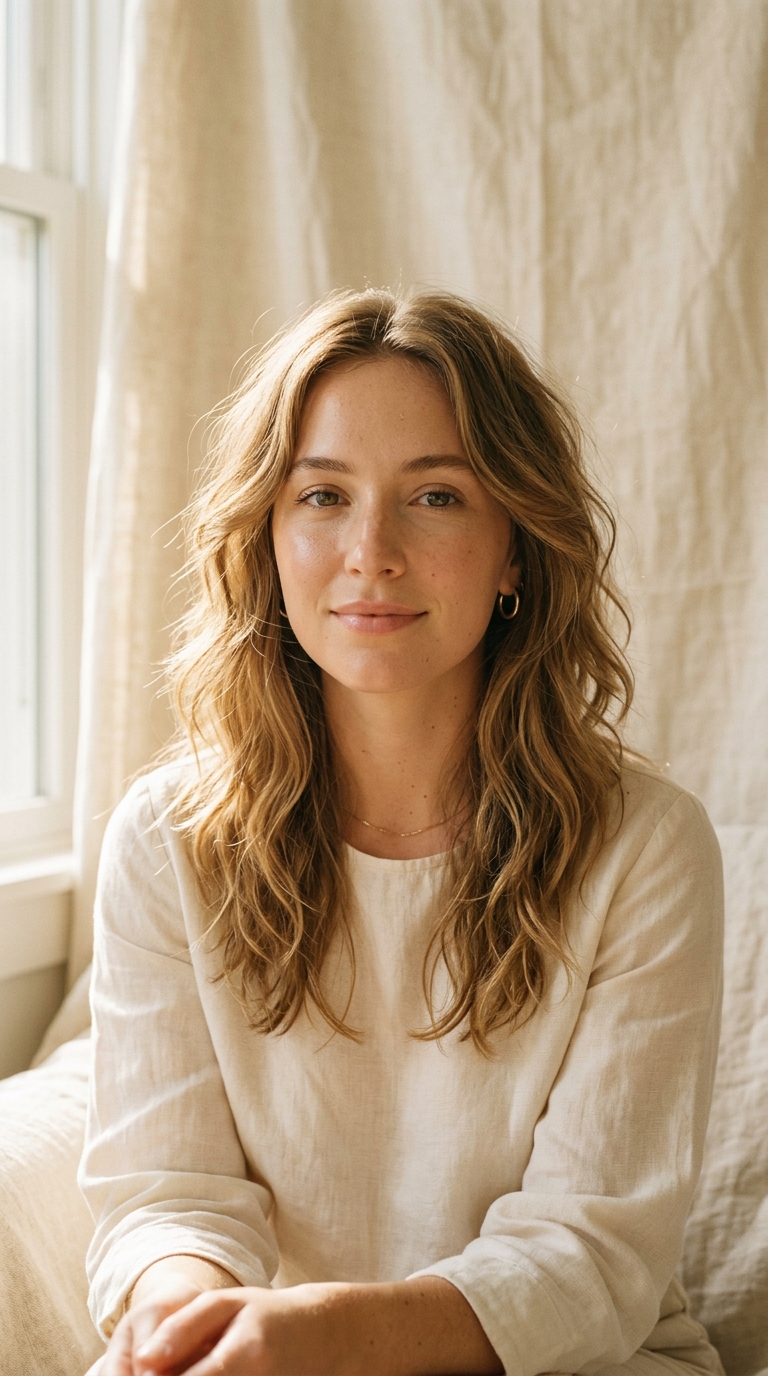
- Softens the entire silhouette gently
- Enhances natural wave patterns beautifully
- Suits both casual and polished occasions
- Reduces the need for heavy styling tools
Soft waves bring a gentler, more romantic energy to the shag without losing any of its signature texture. Instead of choppy or jagged ends, the layers are cut to flow smoothly into loose waves, creating a look that feels polished yet still relaxed. This variation of the shag works beautifully for people who love texture but prefer a softer overall impression rather than something edgy or dramatic. The waves also help disguise regrowth lines and add subtle dimension between salon color visits. A heat protectant before curling keeps strands healthy for anyone recreating these waves often.
A large-barrel curling wand or even overnight braids can create these waves with minimal daily effort. Once the initial wave pattern is set, simply scrunching with a light cream in the morning refreshes the shape beautifully. That’s why many hairstylists recommend this style for people wanting texture that still photographs well for more formal settings. It offers a lovely middle ground between structured, sleek styling and fully undone, textured looks, making it genuinely wearable for almost any occasion. This gentler texture also tends to require less frequent trims, since softer ends show less visible wear over time.
Asymmetrical Shag
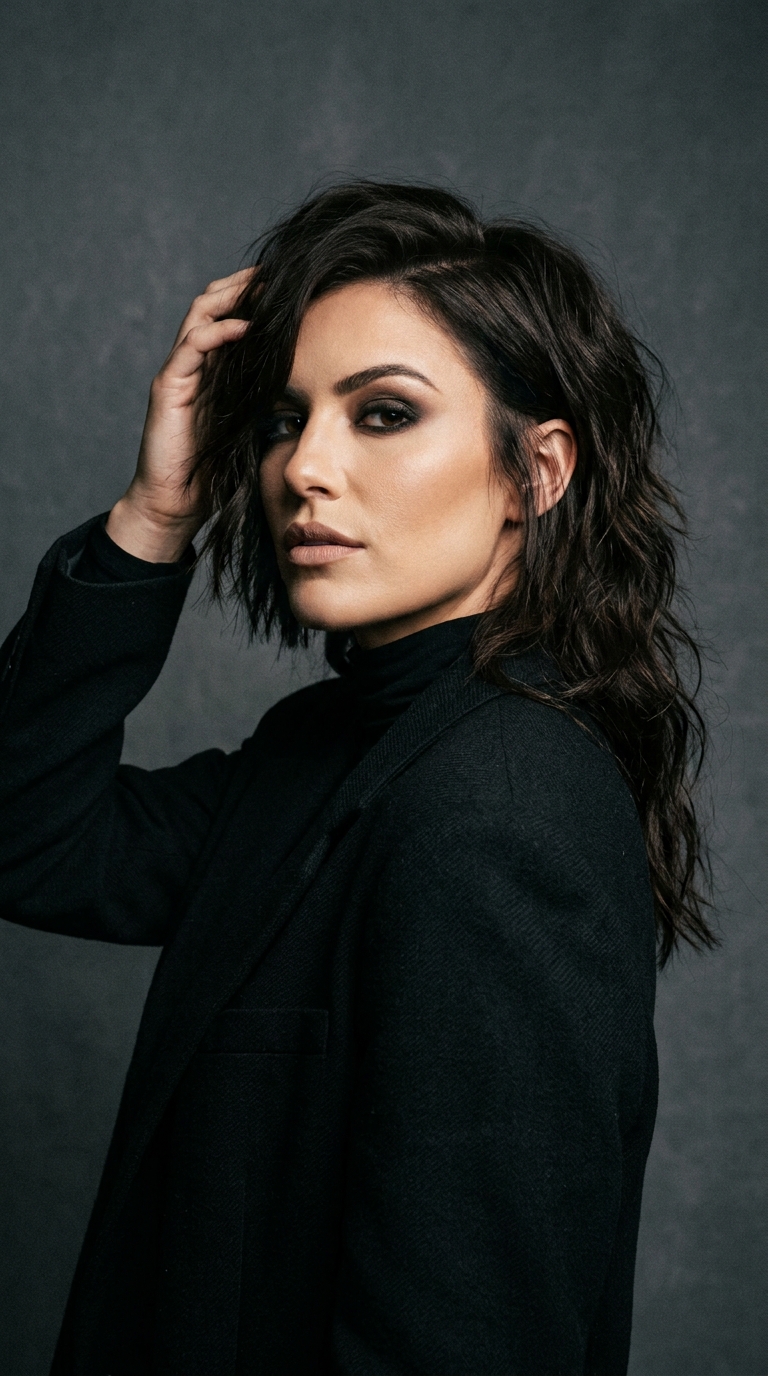
- Adds unexpected visual contrast
- Creates a modern, fashion-forward silhouette
- Draws attention through intentional imbalance
- Works well for bold personal style statements
Asymmetry takes the shag into distinctly editorial territory, deliberately cutting one side noticeably shorter than the other. This isn’t a subtle variation, it’s meant to be noticed, creating visual tension that feels current and fashion-forward. Among shaggy layered cuts, this is one of the boldest choices available, appealing to people who enjoy standing out rather than blending into more conventional layered shapes. The uneven lengths still incorporate the same shaggy texture throughout, keeping the style cohesive despite its dramatic structure. Because the two sides differ noticeably, regular trims keep the proportions from shifting as hair grows.
This cut requires a confident, skilled stylist who understands how to balance the asymmetry with the client’s natural face shape and hair growth pattern. Styling stays relatively simple day to day, usually just requiring texturizing spray to maintain definition in the layers. I’ve seen this style work incredibly well for people in creative industries or anyone wanting their hair to reflect a genuinely unique personal style. It’s not for everyone, but for the right person, it becomes an unforgettable signature look. This cut also tends to spark the most conversation, since it looks unmistakably different from more conventional layered shapes.
Butterfly Layers Shag
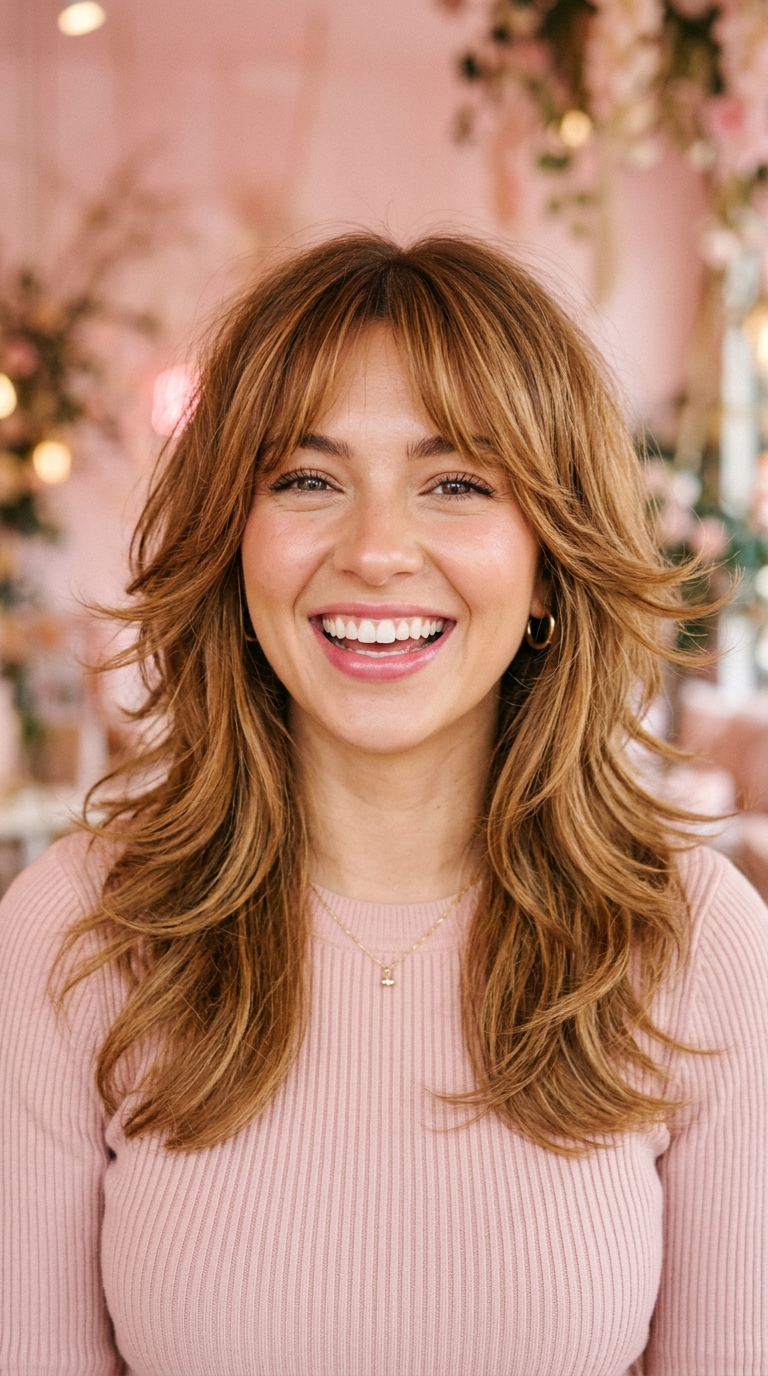
- Creates dramatic movement at the ends
- Adds wing-like framing around the face
- Works beautifully on medium to long hair
- Brings noticeable bounce to every strand
Butterfly layers earned their name from the way the ends flare outward like wings when the hair moves, and it’s a stunning effect on camera. The layering is more dramatic than a standard shag, with longer sections left toward the back and shorter, more textured pieces framing the face and fanning out toward the ends. Among shaggy layered styles, this variation leans especially well toward medium and longer lengths, offering serious movement and bounce that shorter cuts can’t replicate in the same way. Curling the ends away from the face emphasizes the flared, wing-like shape.
This style shines brightest with a bit of natural or styled wave, since the curve helps emphasize the flared, wing-like shape at the ends. A light mousse applied before air-drying is often enough to bring out the layering’s full effect. In my experience, this cut photographs beautifully in motion, making it a favorite for anyone who loves capturing hair flips or windy outdoor shots. It’s a playful, whimsical option for readers wanting maximum visual drama from their layers. This style also holds up beautifully through humid weather, since the natural flare often intensifies rather than falling flat.
Retro 70s Shag
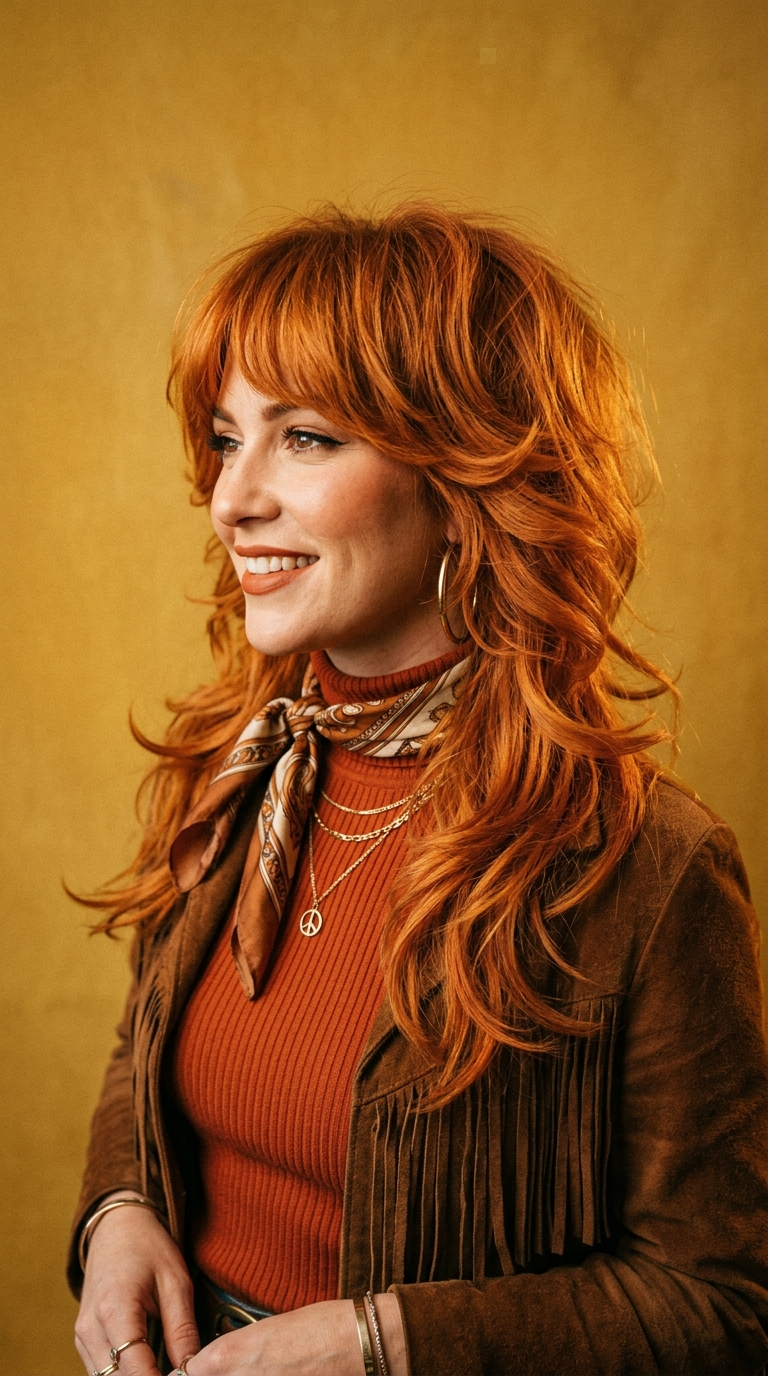
- Brings authentic vintage inspiration to modern hair
- Combines full fringe with feathered flipped ends
- Suits warm, saturated hair color tones beautifully
- Delivers instant nostalgic personality
The original shag haircut traces directly back to the 1970s, and this version leans fully into that retro inspiration rather than modernizing it. A full, textured fringe pairs with feathered layers that flip outward at the ends, creating the exact silhouette that made this cut iconic decades ago. It remains one of the most recognizable short shaggy haircuts precisely because it hasn’t strayed far from its roots, proving the original shape still holds up beautifully against far more modern trends. Finishing with a glossy, shine-enhancing spray helps complete the authentic vintage look this cut is meant to recreate.
Warm, saturated hair colors tend to complement this retro shape especially well, echoing the era’s love of rich copper, auburn, and golden brown tones. Styling typically involves a round brush and blow dryer to encourage the ends to flip outward rather than curl under. I’ve noticed younger clients requesting this exact vintage shape more often lately, drawn to its nostalgic charm and undeniable personality. It’s a wonderful choice for anyone wanting a haircut with genuine history and unmistakable retro character. Pairing the cut with retro-inspired accessories, like a thin headscarf or vintage clip, can further enhance the overall nostalgic effect.
Silver Shag Pixie

- Combines silver tones with edgy shaggy texture
- Adds dimension often missing from solid grey hair
- Suits both natural grey and dyed silver shades
- Creates a chic, effortlessly modern finish
Silver hair and shaggy texture make an unexpectedly perfect pairing. The choppy, uneven layers add dimension and movement that solid grey or silver color can sometimes lack on its own, breaking up what might otherwise look flat under certain lighting. This pixie-length shag suits both those embracing natural grey hair and anyone choosing silver as a deliberate color statement. Among shaggy layered cuts, it stands out as one of the most modern and fashion-conscious options, especially popular with people wanting a bold, confident change. Regular trims every four to six weeks maintain the texture, since shorter cuts grow out faster.
Maintaining silver tones does require some color upkeep, typically a purple or blue toning shampoo to prevent brassiness between salon visits. The short length and heavy texture actually help disguise regrowth lines better than longer, solid-color styles would. That’s why many hairstylists recommend this cut specifically for clients transitioning to grey, since the layers ease the visual process considerably. It’s a genuinely chic, low-maintenance way to wear silver hair with real confidence and undeniable modern edge. A weekly hydrating mask also helps keep silver-toned hair from feeling dry or brittle, which can happen with frequent toning treatments.
Whichever style catches your eye, remember that great hair starts with a cut that actually suits how you live, not just how it photographs. I’ve seen how the right haircut can completely change someone’s confidence, sometimes overnight. These short shaggy haircuts prove that texture, movement, and a little edge can look effortless rather than high-maintenance. If one of these ideas gave you that spark of excitement, save this post to your Pinterest board so it’s ready for your next salon visit, and share it with a friend who’s due for a change. Sometimes all it takes is one bold cut to feel like yourself again.
Frequently Asked Questions
What exactly makes a haircut count as “shaggy”?
A shaggy cut relies on heavy, uneven layering rather than one uniform length. The layers are cut to create texture and movement throughout, which is why short shaggy haircuts always look a little undone, even right after a salon visit.
Are shaggy haircuts high maintenance?
Not usually. In my experience, most shaggy cuts are actually easier to style day to day than sleek, structured haircuts, since the layers are designed to look textured rather than perfectly smooth. A quick scrunch or a little texturizing spray is often all it takes.
Do shaggy cuts work well on curly or wavy hair?
Yes, and often even better than on straight hair. Curls and waves naturally fill in the layers, adding volume and bounce without extra styling effort. A stylist experienced with textured hair can shape the layers to work with your curl pattern rather than against it.
How often should a shaggy haircut be trimmed?
Every six to eight weeks is a good rule of thumb for most versions of this cut. Styles with a blunt fringe or sharp face-framing pieces may need slightly more frequent trims to keep those defined lines looking crisp.
Can I grow my hair out later if I get a shaggy cut now?
Absolutely. Shaggy layers tend to grow out more gracefully than blunt cuts, since there’s no single hard line to maintain. Many people use a shag as a stepping stone toward longer hair without an awkward, obvious in-between stage.
Which face shapes suit short shaggy haircuts best?
Nearly all of them. Because these cuts rely on layering rather than one fixed shape, a skilled stylist can adjust where the layers fall to flatter round, square, oval, or heart-shaped faces. Face-framing pieces and curtain bangs are especially versatile for softening stronger features.