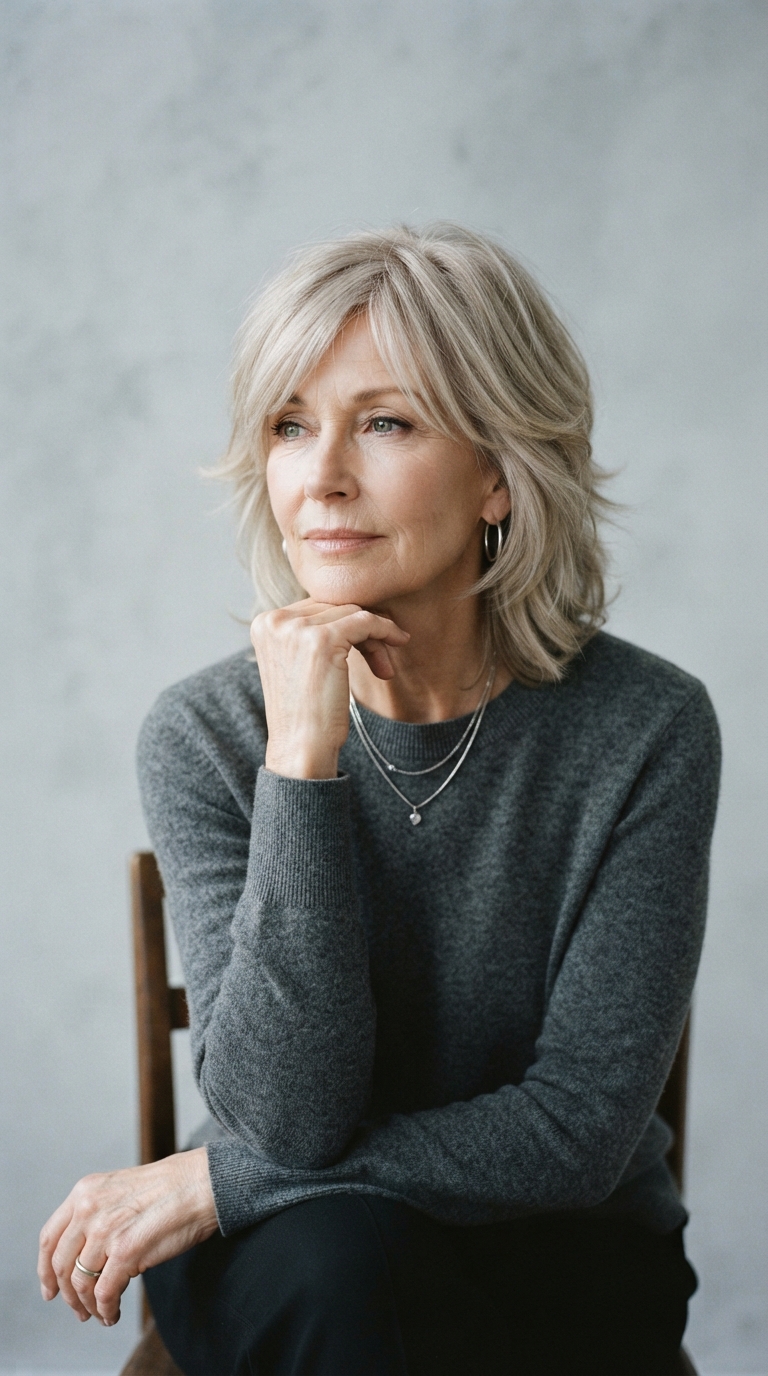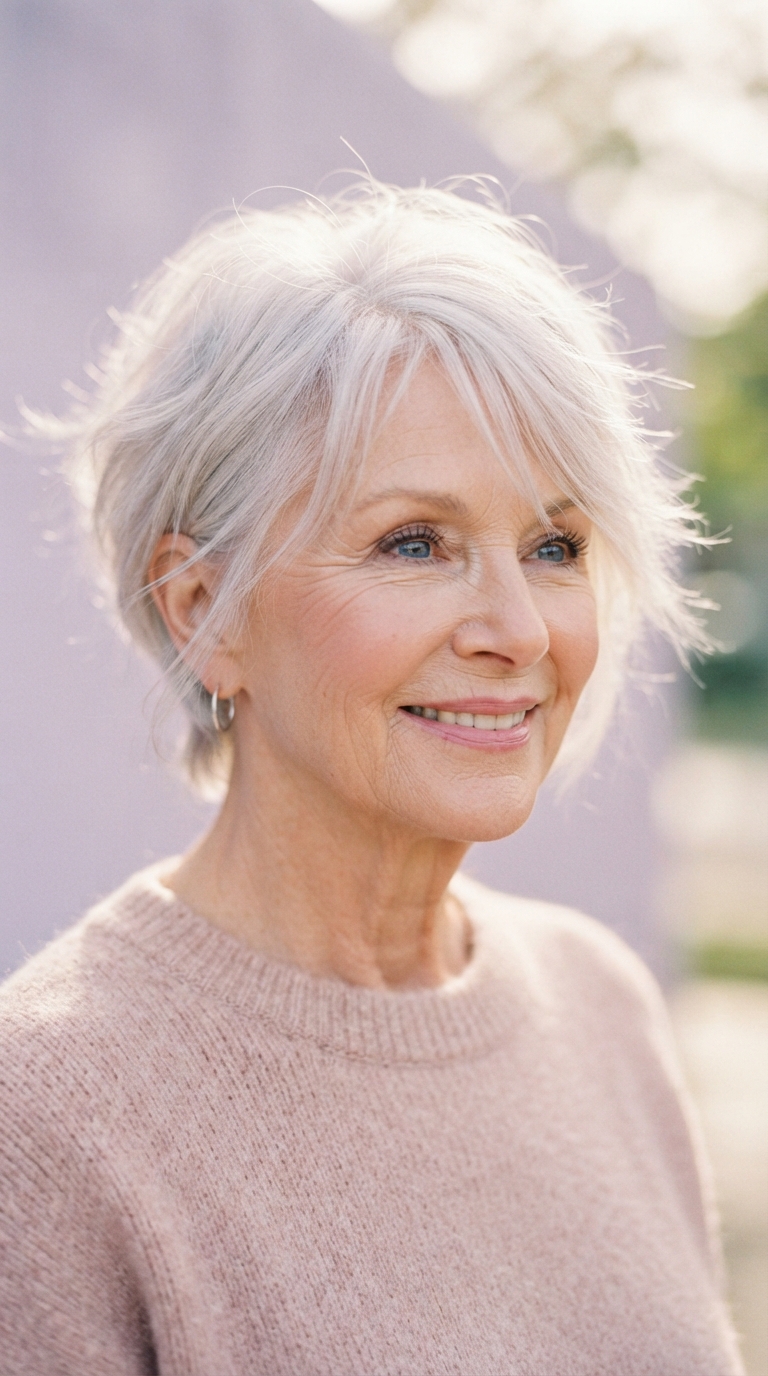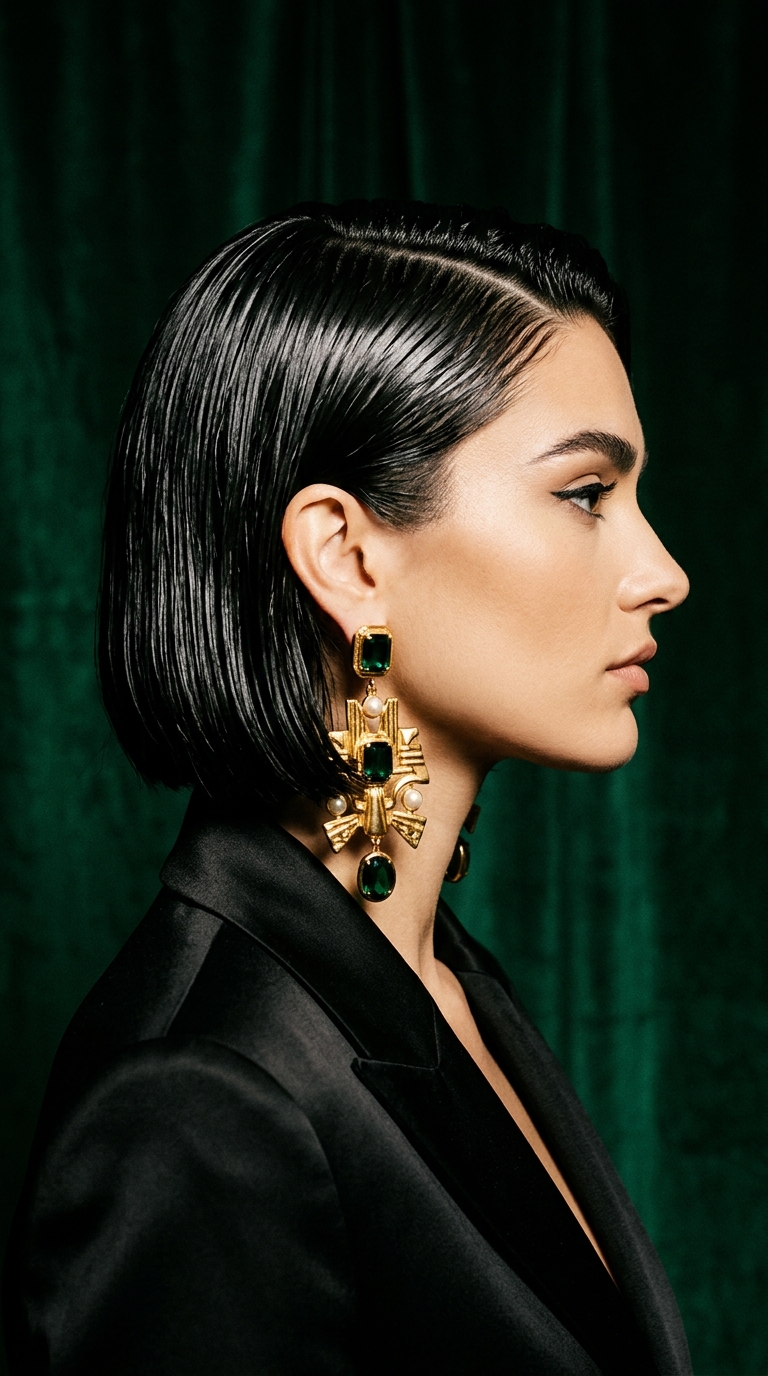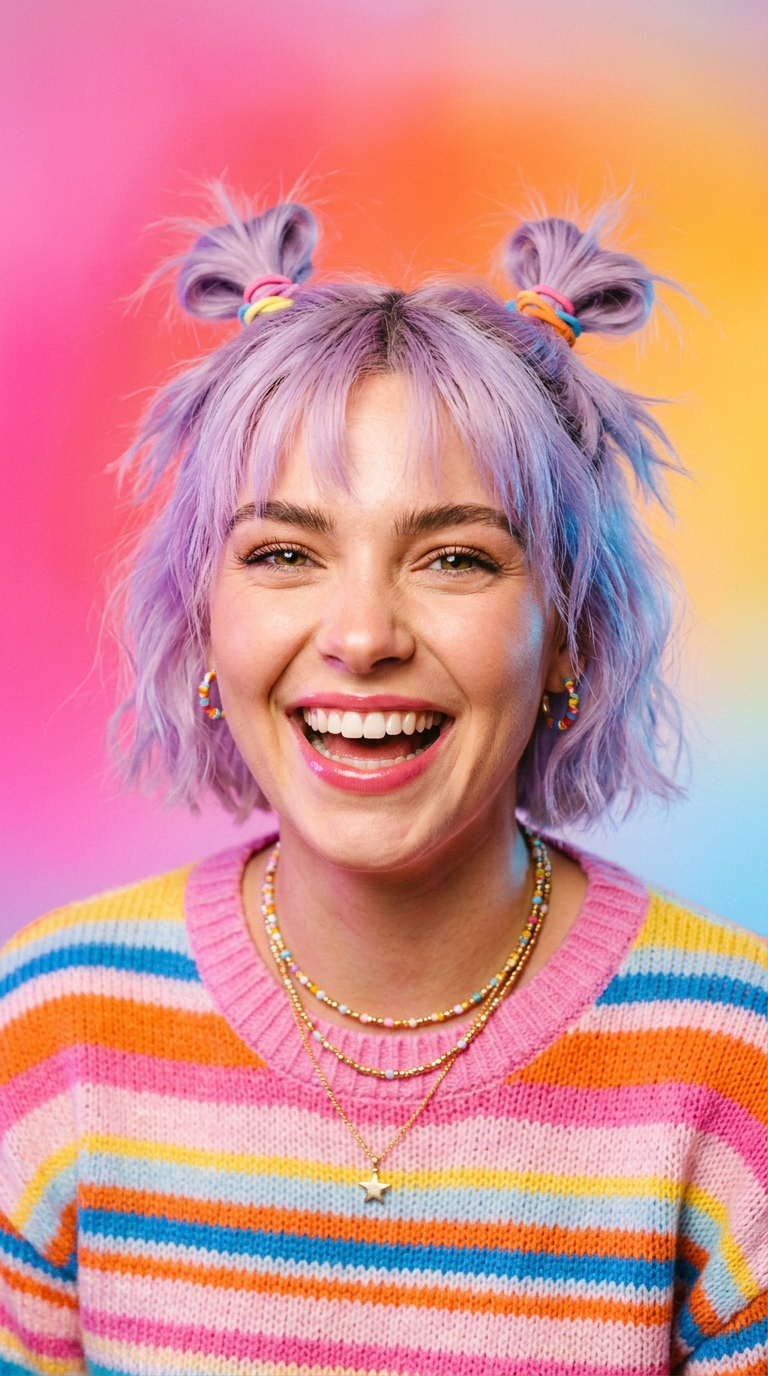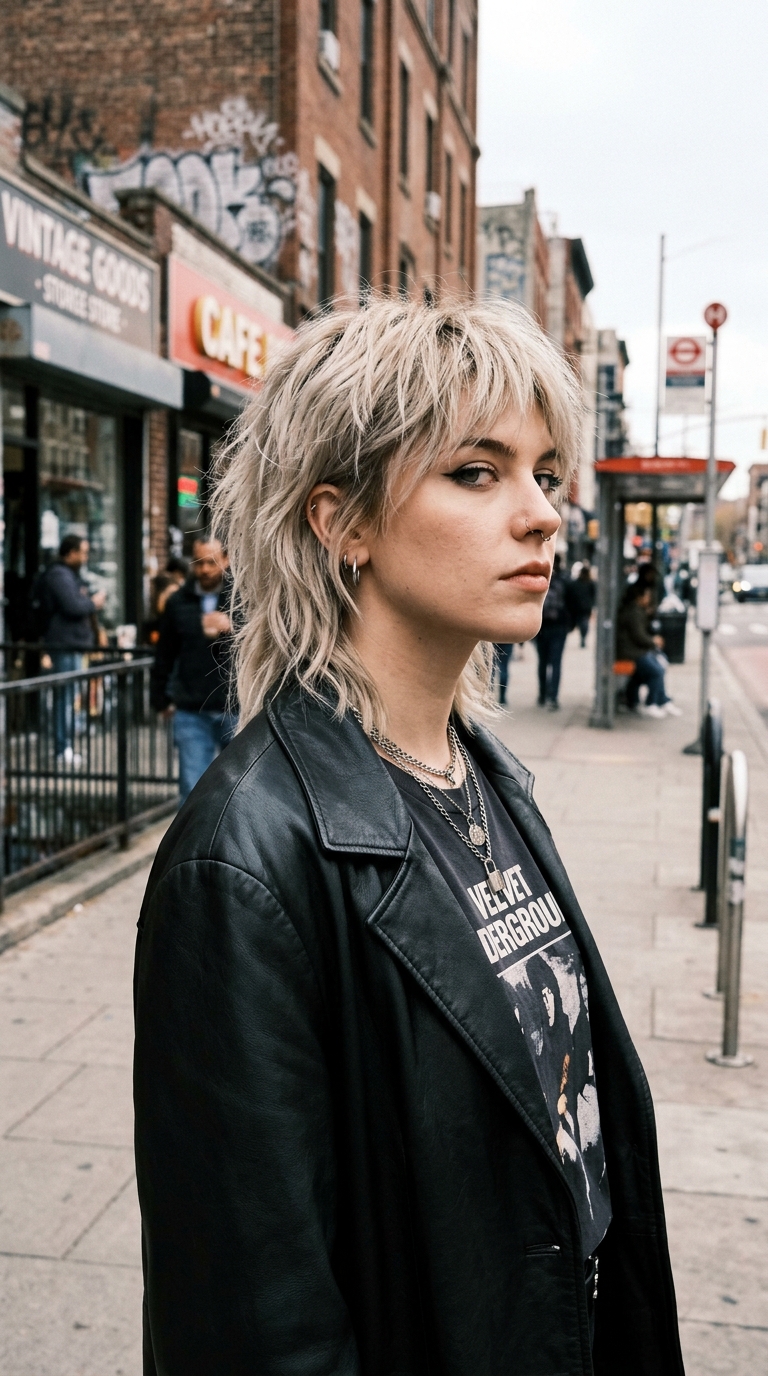
Ever scroll past a hairstyle photo and immediately screenshot it before you even finish reading the caption? That’s the reaction wolf cut hairstyles get on repeat, and for good reason. This shaggy, layered cut has taken over Pinterest boards because it works on almost every hair type, length, and texture imaginable. In my experience, it’s one of the most forgiving cuts to grow out, style, and adapt to your own personality. Whether you want soft face-framing layers, a bold mullet-inspired shape, or something in between, this list breaks down 21 ways to wear the trend so you can find the version that actually fits your life, not just your Pinterest board.
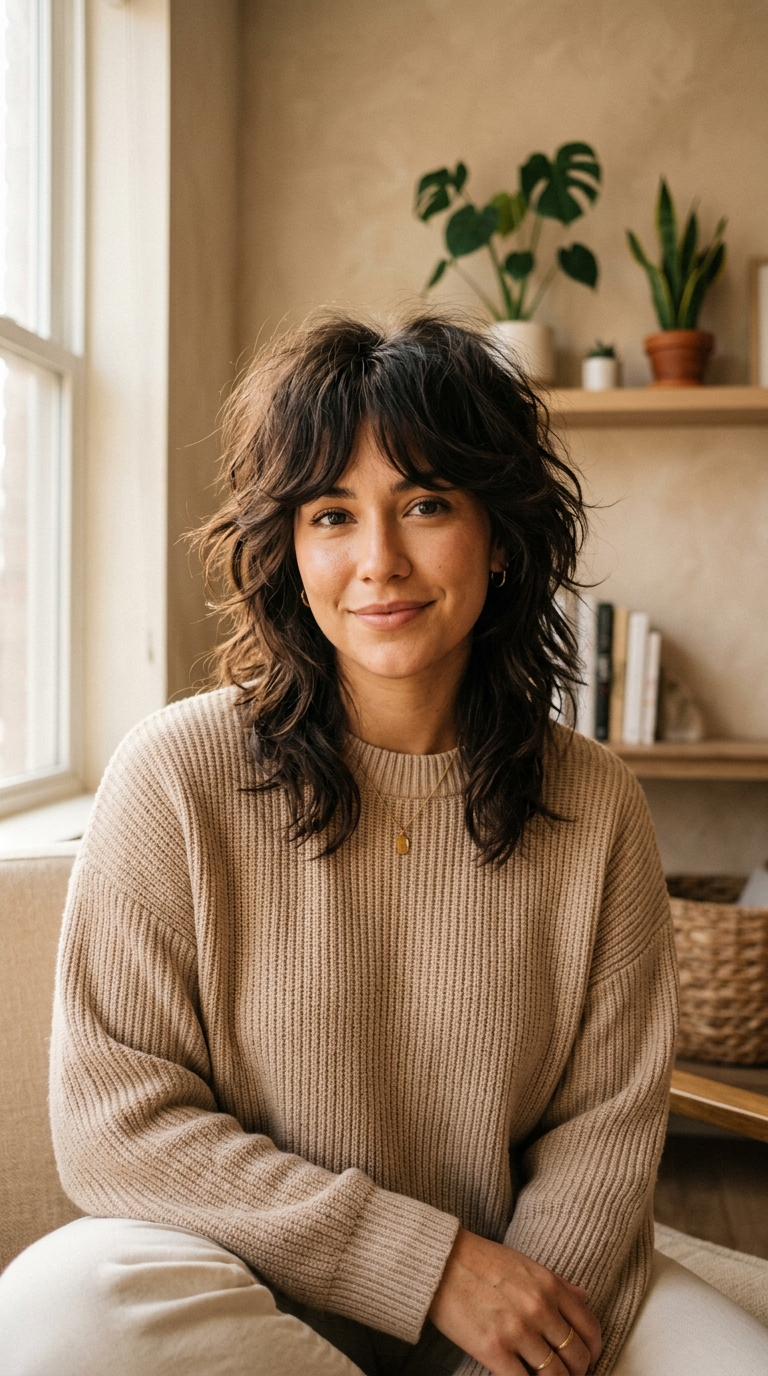
1. Shaggy Layered Wolf
- Adds instant volume without losing length
- Softens sharp facial features with wispy layers
- Works on second-day hair with almost no effort
- Gives that lived-in, effortlessly cool texture
The shaggy layered wolf cut is where the wolf cut hairstyles trend really started catching fire on Pinterest boards everywhere. In my experience, this cut works best when the layers are cut unevenly rather than perfectly symmetrical, since that’s what creates the natural, undone movement people love. It flatters almost every face shape because the choppy pieces fall differently depending on how you part your hair. Fine hair especially benefits, since the layering tricks the eye into seeing more density than what’s actually there, making it a smart pick for anyone chasing texture without daily styling effort.
Styling it daily is refreshingly simple, which is exactly why so many people stick with it long-term. A quick scrunch with a texturizing spray while hair is damp brings out natural wave patterns beautifully. I’ve noticed clients who switch to this cut often stop reaching for heat tools altogether, letting the layers do the styling work. It photographs incredibly well too, catching light and movement in a way sleek cuts simply can’t replicate, making it a favorite for both everyday wear and camera-ready moments alike throughout the week.
2. Curly Wolf Shag
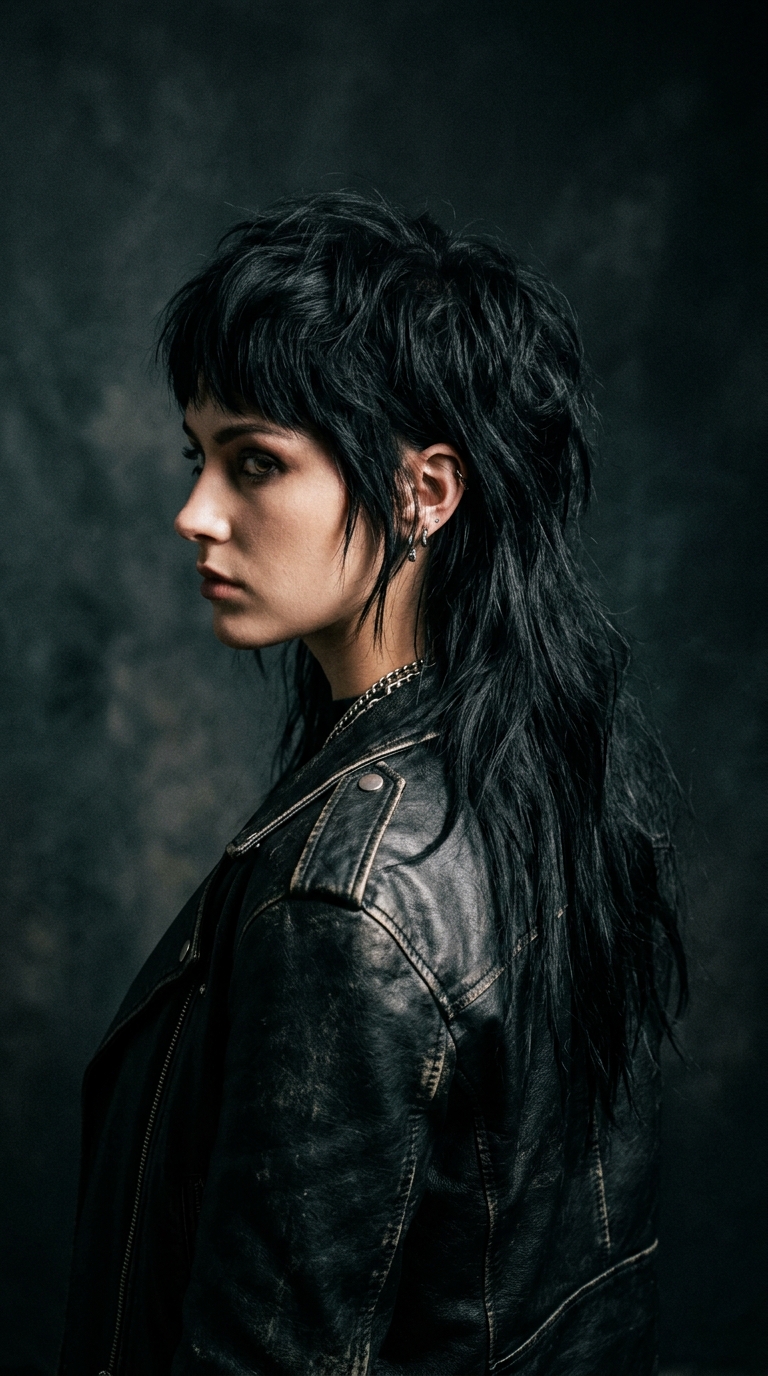
- Enhances natural curl pattern instead of fighting it
- Removes bulk while keeping curl bounce
- Reduces frizz by relieving pressure at the ends
- Creates shape that curls can’t achieve when left blunt
Curly hair rarely gets layered this intentionally, which is exactly what makes this style stand out. Layers cut specifically for curl pattern let each ringlet spring independently instead of clumping into one heavy shape. That’s why many hairstylists recommend this approach for curl types three and up, since blunt cutting curly hair often creates a triangle silhouette nobody wants. The wolf-inspired shaping breaks that up completely, giving curls room to bounce, breathe, and fall with intention rather than fighting gravity all day long, especially in humid climates.
Definition improves almost immediately once the extra weight is removed from the ends. Curls that used to sit flat or clump together start separating into distinct, springy sections within days of the cut. This shape works beautifully for both wash-and-go routines and more polished curl sets, giving flexibility most curly cuts don’t offer. It’s especially striking on longer curl lengths, where the layered movement catches light differently with every turn of the head, adding dimension that flat, one-length curls simply cannot achieve.
3. Wolf Cut Bangs
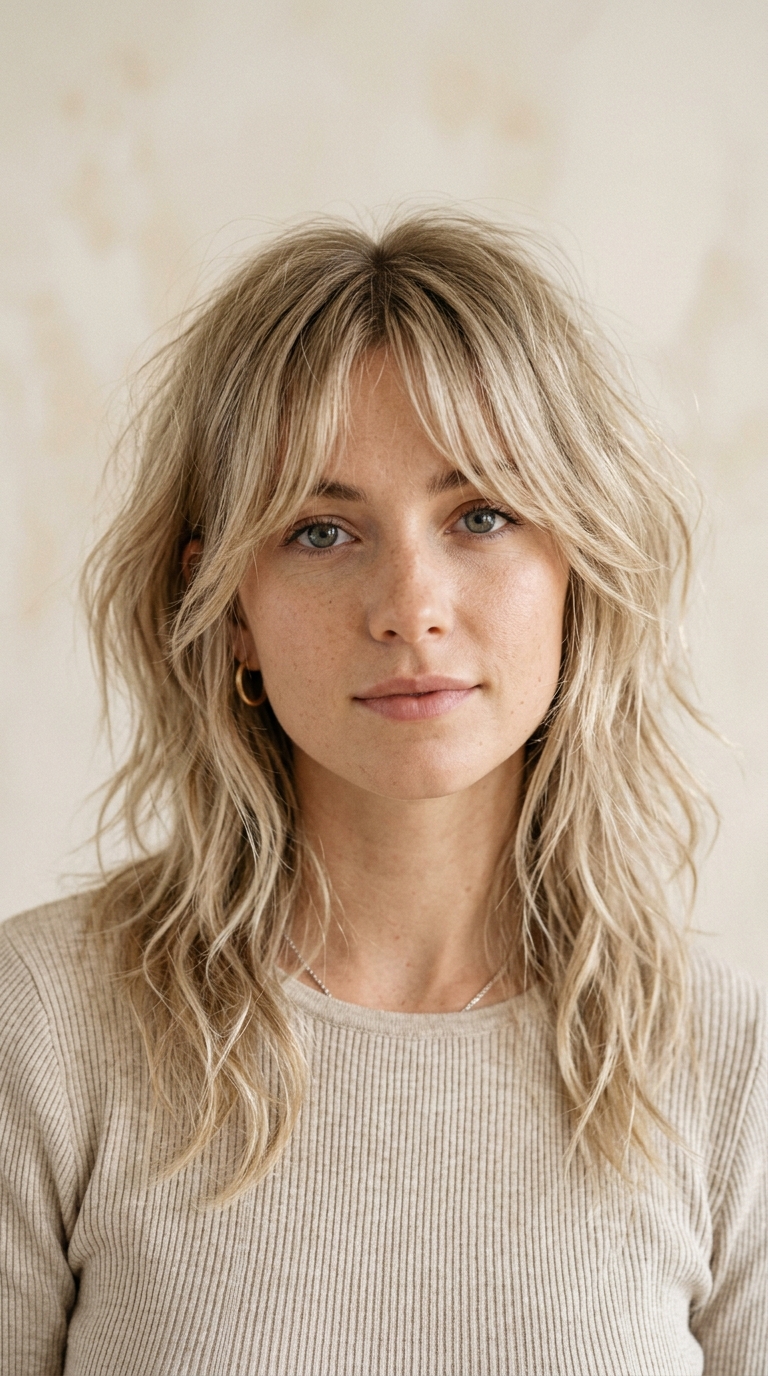
- Frames the face without looking heavy or blunt
- Blends seamlessly into the surrounding shag layers
- Softens the forehead area for a gentler look
- Adds a face-lifting effect around the cheekbones
Bangs can make or break a haircut, and this pairing gets it right almost every time. Wispy, feathered bangs blended directly into the shag layers avoid that harsh curtain-line look that dates a haircut quickly. Instead, the fringe moves fluidly with the rest of the hair, parting naturally and falling back into place without constant adjustment. This softness works particularly well for rounder or squarer face shapes, since the airy pieces break up strong jawlines while still leaving enough face visible to feel open and balanced.
Growing them out is far less stressful compared to blunt fringe styles, which is a real practical bonus. Because the bangs are layered rather than cut straight across, the awkward in-between growth phase barely shows. I’ve seen this style work beautifully for people transitioning from a full fringe to a longer look, since there’s no jarring line to manage. It also styles quickly, needing just a round brush blowout or a quick air-dry scrunch to fall naturally into its intended shape.
4. Short Wolf Bob
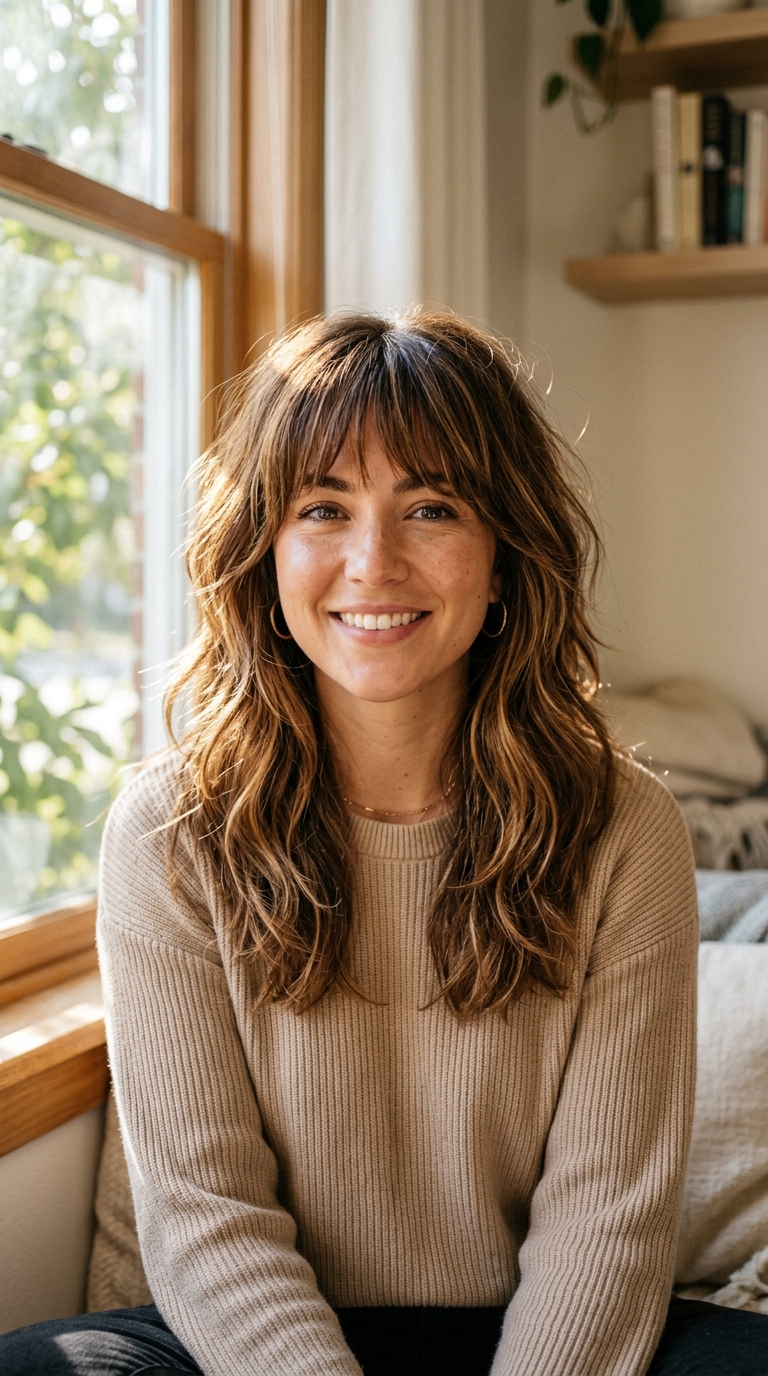
- Combines bob convenience with shag texture
- Perfect for anyone wanting short hair with movement
- Reduces daily styling time significantly
- Adds edge to an otherwise classic bob shape
Short hair doesn’t have to mean flat or boring, and this bob proves it clearly. Layering the ends unevenly instead of cutting one clean line gives the classic bob a completely different personality. The result feels current and slightly undone, without losing the polish that makes bobs so universally flattering. It’s a great transitional cut too, for anyone growing out a pixie or considering going shorter for the first time without committing to something too severe or hard to manage.
Maintenance stays low while the visual impact stays high, which is the real appeal here. A texturizing paste worked through damp ends is often all it takes to define the choppy pieces properly. In my experience, this length works exceptionally well for thicker hair types that tend to feel heavy at longer lengths, since the shorter layers lift and lighten the overall silhouette. It also pairs nicely with a slight wave, giving the bob extra body and preventing it from ever looking stiff or overly styled.
5. Long Wolf Layers
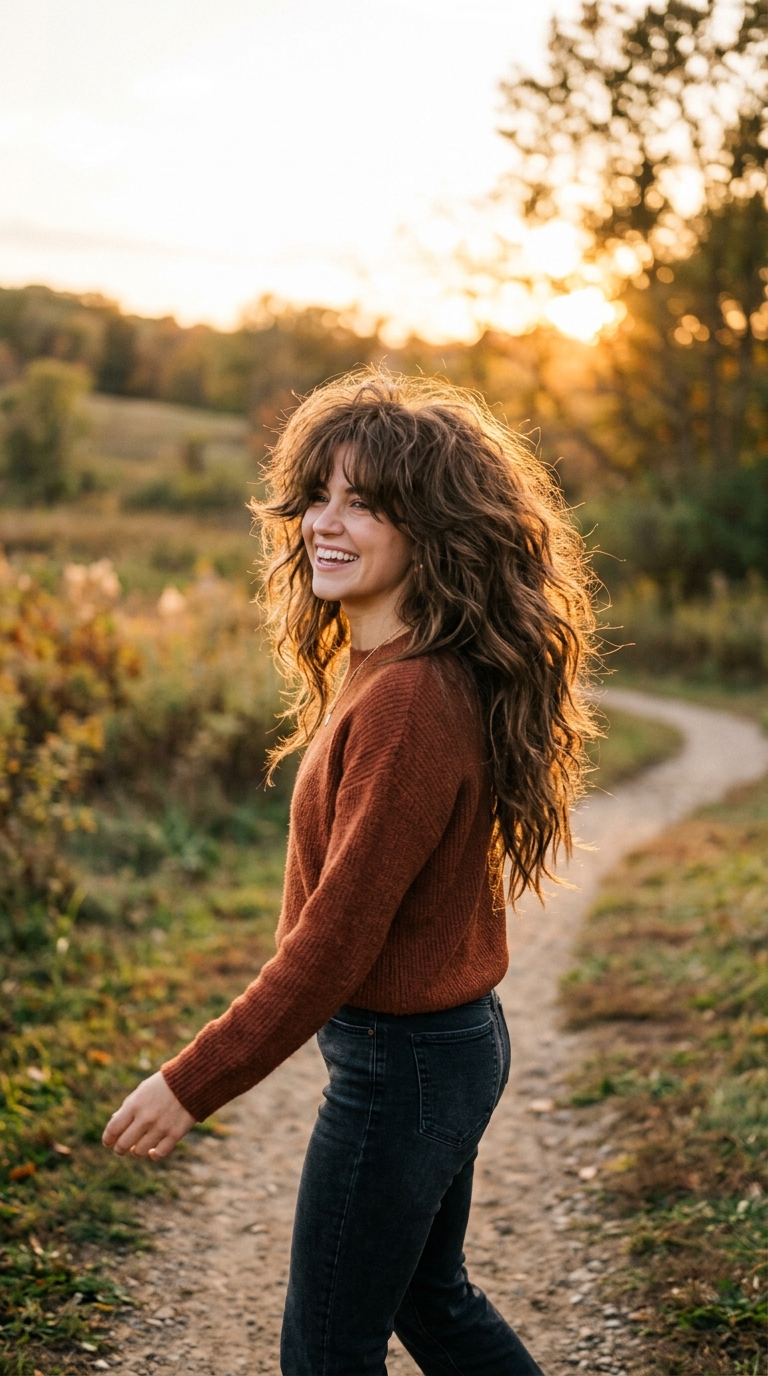
- Keeps length while adding serious volume
- Prevents long hair from looking weighed down
- Creates movement that swishes with every step
- Balances heavy hair types beautifully
Long hair often struggles with looking flat, especially past a certain length, and this is where heavy layering earns its reputation. By removing weight strategically throughout the mid-lengths and ends, the hair regains bounce that one-length cuts lose entirely. This approach keeps the dramatic length people love while solving the classic “pancake hair” problem so many long-haired individuals complain about. It’s an especially smart choice for thick or coarse hair types that tend to feel unmanageable and overly dense at longer lengths.
Movement becomes the standout feature once layers are cut this generously throughout the length. Hair that used to sit stiff now sways, bounces, and catches light with every turn of the head. I’ve noticed this cut photographs particularly well in motion, which explains its popularity across social platforms and Pinterest boards alike. It also blends beautifully with waves or loose curls, since the layers give curling irons something to grip and shape rather than fighting against one heavy mass of hair.
6. Wolf Cut Mullet
- Delivers maximum edge for bold personalities
- Combines shortest and longest layers in one cut
- Stands out instantly on any Pinterest board
- Works well for those wanting a dramatic change
This is the boldest version of the trend, merging classic mullet shape with softer wolf shag layering. The crown stays short and choppy while the back grows dramatically longer, creating contrast that’s impossible to ignore. It’s not a subtle cut, and that’s exactly the point for anyone drawn to it. This style tends to attract people who already feel confident experimenting with their look, since it requires a bit of commitment and a stylist comfortable with sharp, deliberate contrast between sections.
Despite its dramatic appearance, daily styling stays surprisingly manageable once the shape settles in properly. Texturizing spray at the roots lifts the crown, while the longer back pieces can be left loose or tucked away easily. That’s why many hairstylists recommend this cut to clients who want a statement style without the daily upkeep of something like a pixie. It also grows out gracefully, gradually blending into a longer shag rather than needing an awkward, urgent trim.
7. Feathered Wolf Ends
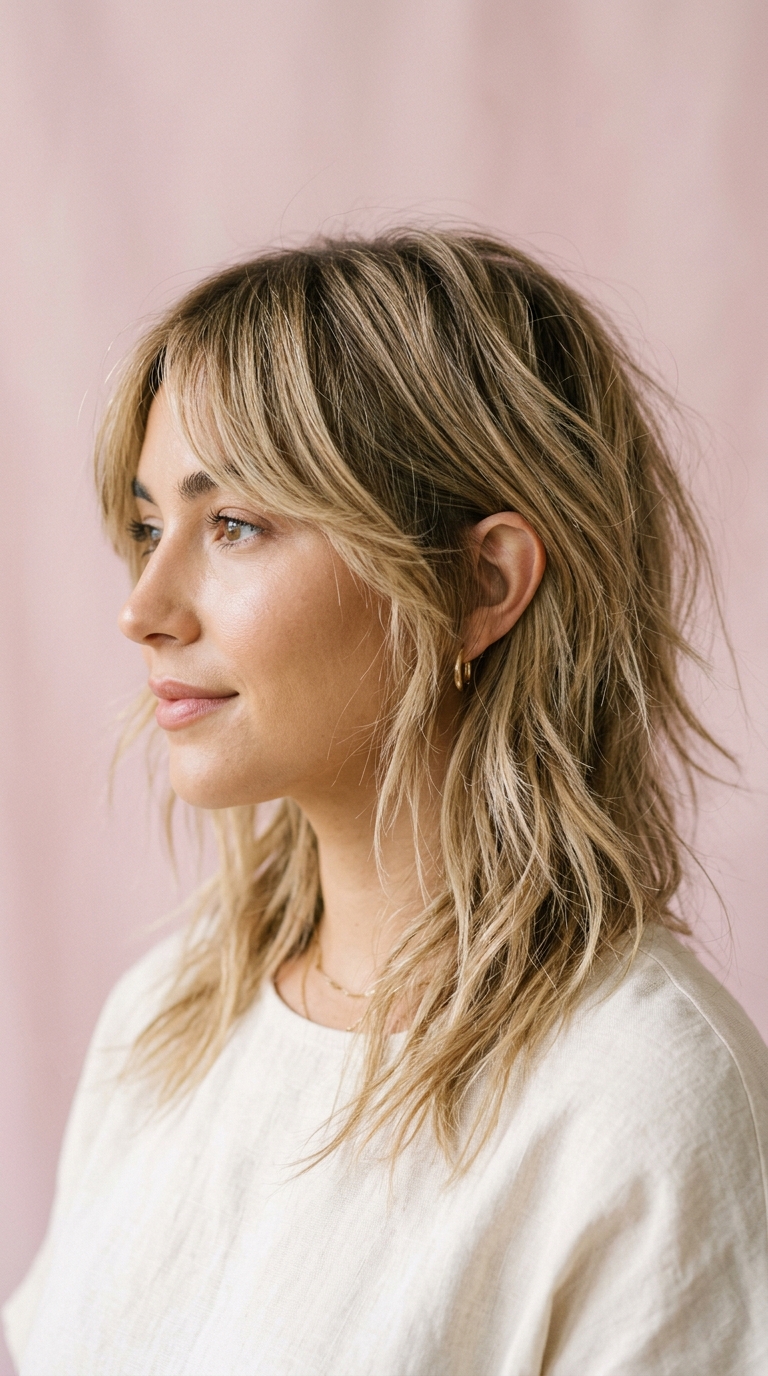
- Softens blunt ends into wispy, feather-light pieces
- Adds subtle movement without heavy layering
- Great transition style for growing out a blunt cut
- Keeps length while removing bulk near the ends
Feathered ends are the quiet, easier cousin of the full shag, and they deserve more attention. Instead of layering the entire head dramatically, the stylist focuses attention on the ends, thinning and shaping them into soft, wispy pieces that flick outward or inward naturally. This makes it a gentle entry point for anyone nervous about committing to a full wolf shag but still craving texture. It works particularly well on hair that’s already slightly wavy, since the feathering enhances the natural bend instead of forcing a shape.
Upkeep stays minimal, which makes this a favorite among people who don’t want to spend extra time styling every morning. A light mist of texturizing spray and a quick finger-scrunch is usually enough to bring the feathered ends to life. I’ve noticed this technique works especially well for people with layers grown out unevenly, since it smooths transitional lengths into something intentional-looking. It’s subtle, low-commitment, and still delivers that soft, effortless movement people associate with the wolf cut hairstyles trend overall.
8. Wolf Cut Highlights
- Highlights emphasize layer movement and depth
- Creates dimension that flat single-tone color can’t achieve
- Draws attention to face-framing pieces
- Makes texture more visible in photos and videos
Color plays a bigger role in this cut than people usually expect, and highlights take it to another level entirely. Strategic placement around the face and through the crown catches light differently on every layer, making the shag shape pop even more than it would with flat, single-process color. This combination works beautifully for anyone wanting their haircut to photograph well, since the contrast between light and dark pieces highlights every bit of movement built into the layers, especially outdoors or under natural lighting.
Maintenance depends heavily on how the highlights are placed and blended into the base color. Face-framing pieces tend to need touch-ups more often since they fade faster from sun exposure and styling heat. That’s why many hairstylists recommend babylights or hand-painted balayage for this cut specifically, since the grow-out looks soft rather than harsh. The overall effect gives even simple daily hairstyles a lived-in, sun-kissed quality that feels expensive without requiring salon visits every few weeks.
9. Straight Wolf Shag
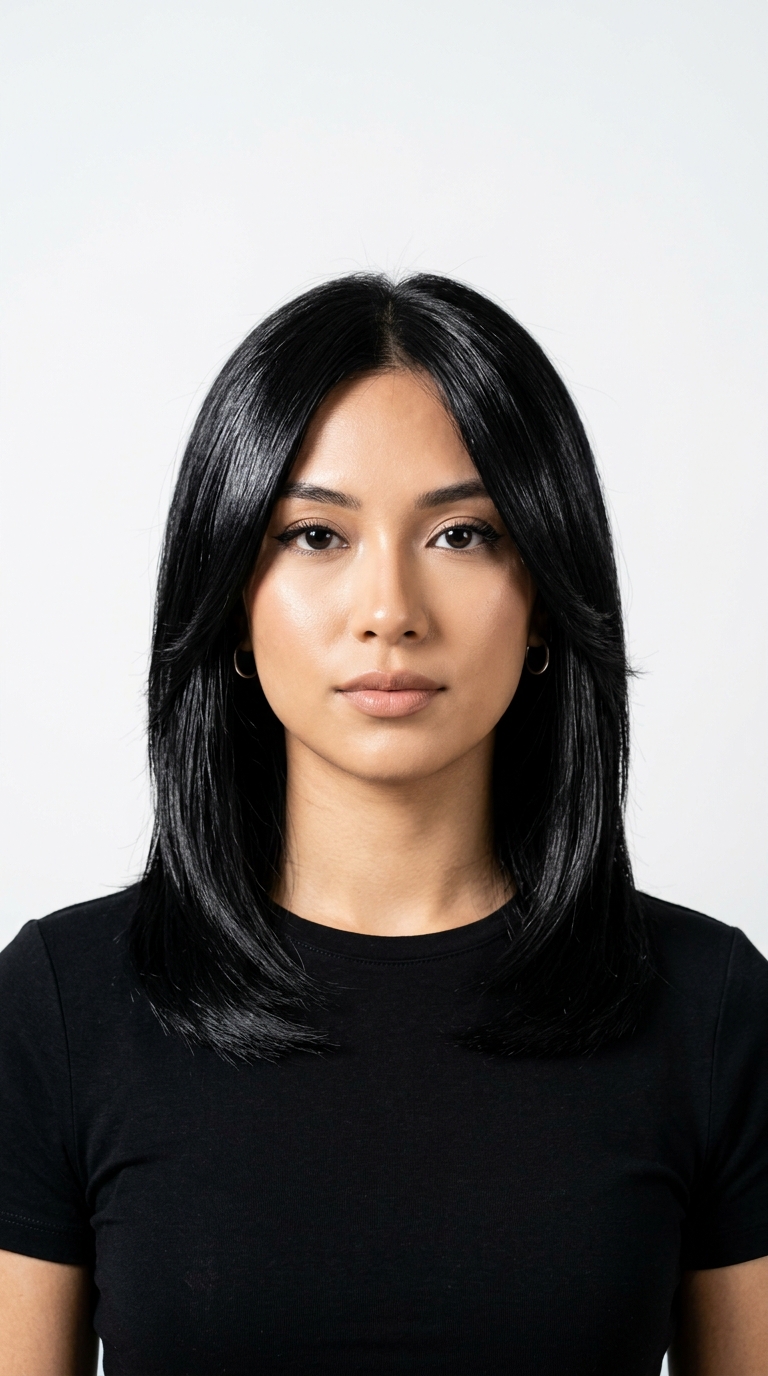
- Proves the shag works on straight hair too
- Gives sleek hair unexpected texture and edge
- Creates definition without needing curls or waves
- Offers a sharper, more graphic version of the cut
Straight hair is often assumed to be too flat for shag-style cutting, but that’s simply not true when it’s done right. Precision layering on straight strands creates crisp, graphic lines instead of soft, romantic movement, giving the cut an entirely different personality. This version tends to suit people drawn to a cleaner, more editorial look rather than a tousled, undone aesthetic. It also shows off layering technique clearly, since there’s no natural texture to hide any unevenness in the cut.
Styling requires a bit more intention compared to wavy or curly versions of this shape. A flat iron used to bend the ends slightly, rather than pin-straightening everything, keeps the layered shape visible instead of flattening it out completely. In my experience, this cut looks sharpest on one-length straight hair with minimal natural volume, since the layers become the main source of shape and interest. It’s a striking option for anyone wanting texture without ever touching a curling iron.
10. Beachy Wolf Waves
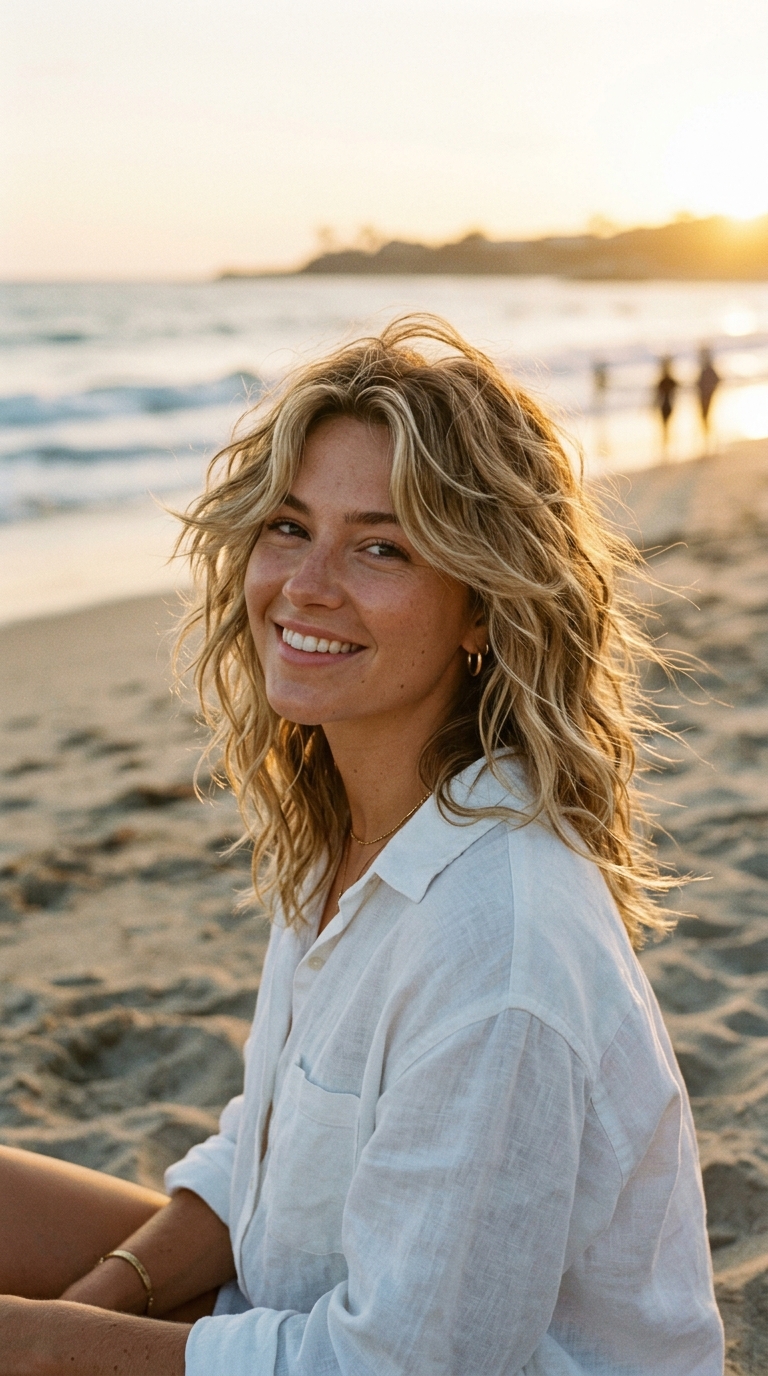
- Enhances relaxed, undone waves with built-in shape
- Works beautifully for warm-weather styling
- Reduces the need for heavy heat styling
- Gives a lived-in, vacation-ready appearance
Loose waves and shag layering were made for each other, honestly. The layers give waving hair natural breaks and separation, so curls don’t clump together into one heavy section. This combination creates that coveted “just came from the beach” look without requiring hours of curling iron work every single day. It’s an especially popular choice heading into warmer months, when heavier styling routines start feeling like too much effort in the heat and humidity most people deal with.
A texturizing salt spray applied to damp hair, followed by simple air-drying, brings this look together with almost no active effort involved. Scrunching gently while drying encourages the waves to form naturally around the layered shape already built into the cut. I’ve seen this style work beautifully for people who used to spend thirty minutes curling their hair daily, cutting that time down significantly. The waves also hold longer since the layers prevent the classic weight-related wave drop-out common in one-length hair.
11. Wolf Cut Pixie

- Brings shag energy into a much shorter length
- Adds texture on top without losing pixie ease
- Great option for warm-weather short styling
- Delivers maximum impact with minimal daily effort
Shortening the wolf shape all the way down to pixie length creates a completely different, high-impact result. The choppy texture concentrates mostly around the crown and fringe area, giving definition and height rather than length-based movement. This version tends to appeal to people who already love short hair but want something more dynamic than a traditional smooth pixie cut. It also works well for anyone dealing with thinning crown volume, since the choppy layering visually adds density exactly where it’s needed most.
Styling takes barely any time at all, which is a major draw for people with busy mornings. A small amount of matte paste worked through damp or dry hair is usually enough to define the texture properly. That’s why many hairstylists recommend this version for clients transitioning from longer hair who still want some editable texture without the length. It stays cool in warm weather too, making it a popular choice heading into spring and summer months for low-maintenance styling.
12. Red Wolf Shag
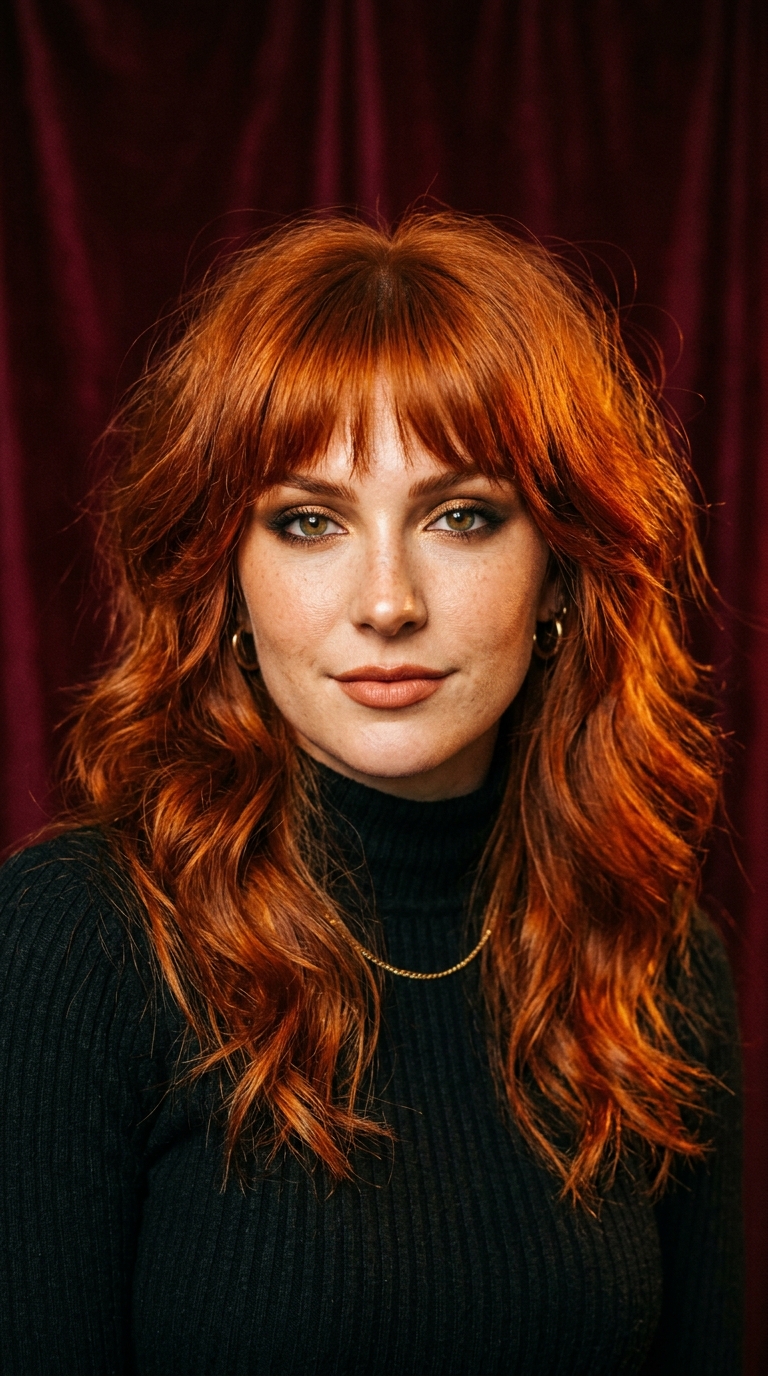
- Copper and red tones intensify visible movement
- Makes layers appear even more dramatic in photos
- Bold color choice that pairs perfectly with texture
- Stands out strongly on Pinterest color boards
Red hair and heavy layering create a genuinely striking combination that’s hard to scroll past on any Pinterest feed. Warm tones catch light differently than cool shades, making each individual layer more visible and giving the whole cut extra depth and drama. This pairing tends to attract people who want their hair color to feel like a statement rather than a background detail. Copper and auburn shades especially seem to bring out the shape of the layers in a way that flatter, neutral tones sometimes miss.
Maintaining vibrant red requires a bit more commitment than most other colors, and that’s worth knowing going in. Color-safe shampoo and cooler water temperatures help slow the inevitable fading that red tones are known for. In my experience, this shade combination works best on people willing to visit the salon slightly more often for gloss refreshes between full color appointments. The payoff is a cut that photographs beautifully under almost any lighting, from soft daylight to warm indoor settings.
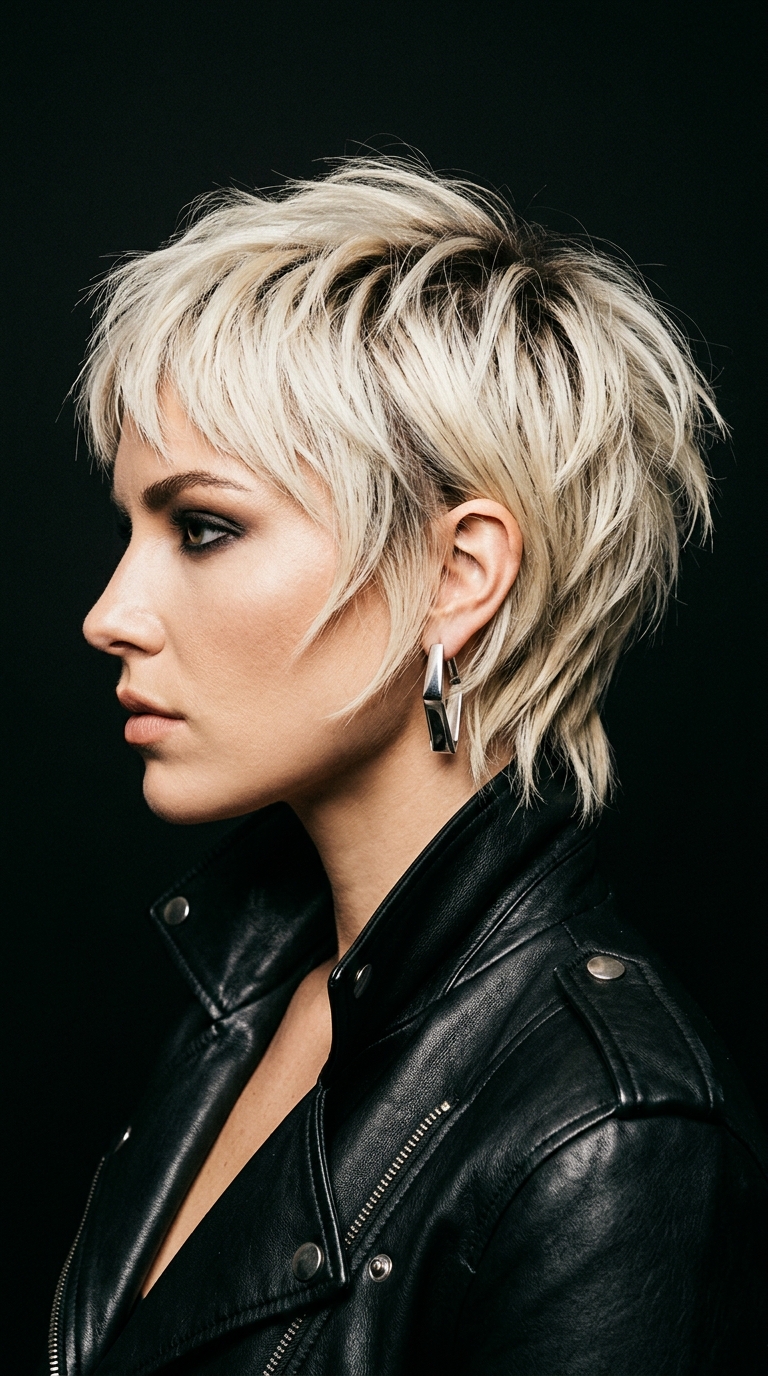
13. Platinum Wolf Cut
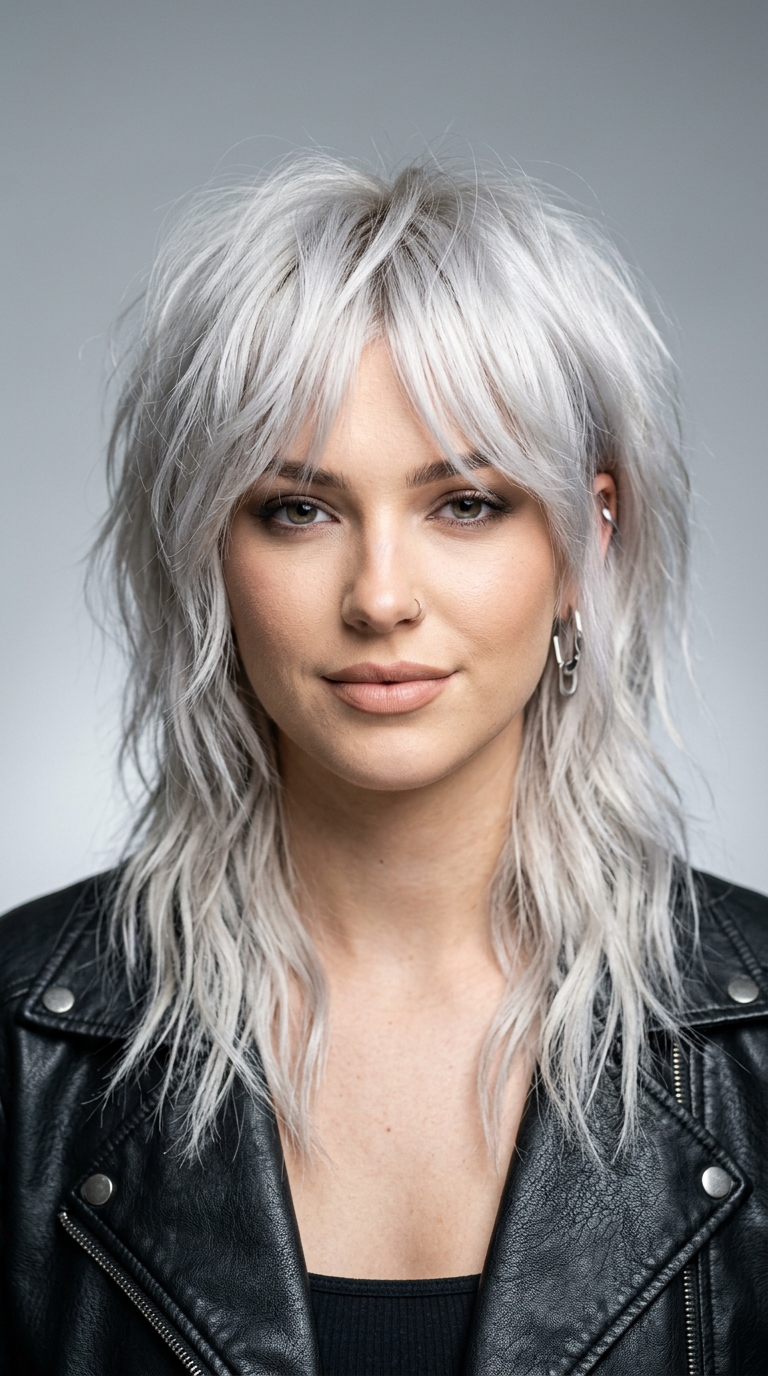
- Creates striking contrast between light and shadow in layers
- Gives the cut an edgy, high-fashion appearance
- Photographs exceptionally well in bright, natural settings
- Pairs well with sharper, more graphic layering styles
Platinum blonde takes texture and turns it into something almost architectural in appearance. Because the color reflects so much light, every individual layer becomes visible in a way darker shades simply can’t replicate, especially outdoors or near a window. This version tends to suit people who want their haircut to feel bold and intentional rather than soft or romantic. It also works particularly well paired with sharper, more precisely cut layers, since the cool tone emphasizes clean lines over loose, undone texture.
Keeping platinum hair healthy while maintaining shape requires consistent care, since lightened hair is naturally more fragile than its darker counterparts. A weekly bond-repair treatment helps prevent the ends from looking wispy for the wrong reasons, keeping the intentional shag shape intact. I’ve noticed clients with this combination need trims slightly more often to keep the layered silhouette crisp. The visual payoff, though, is a cut that looks striking in nearly every type of lighting imaginable.
14. Wolf Cut Ponytail
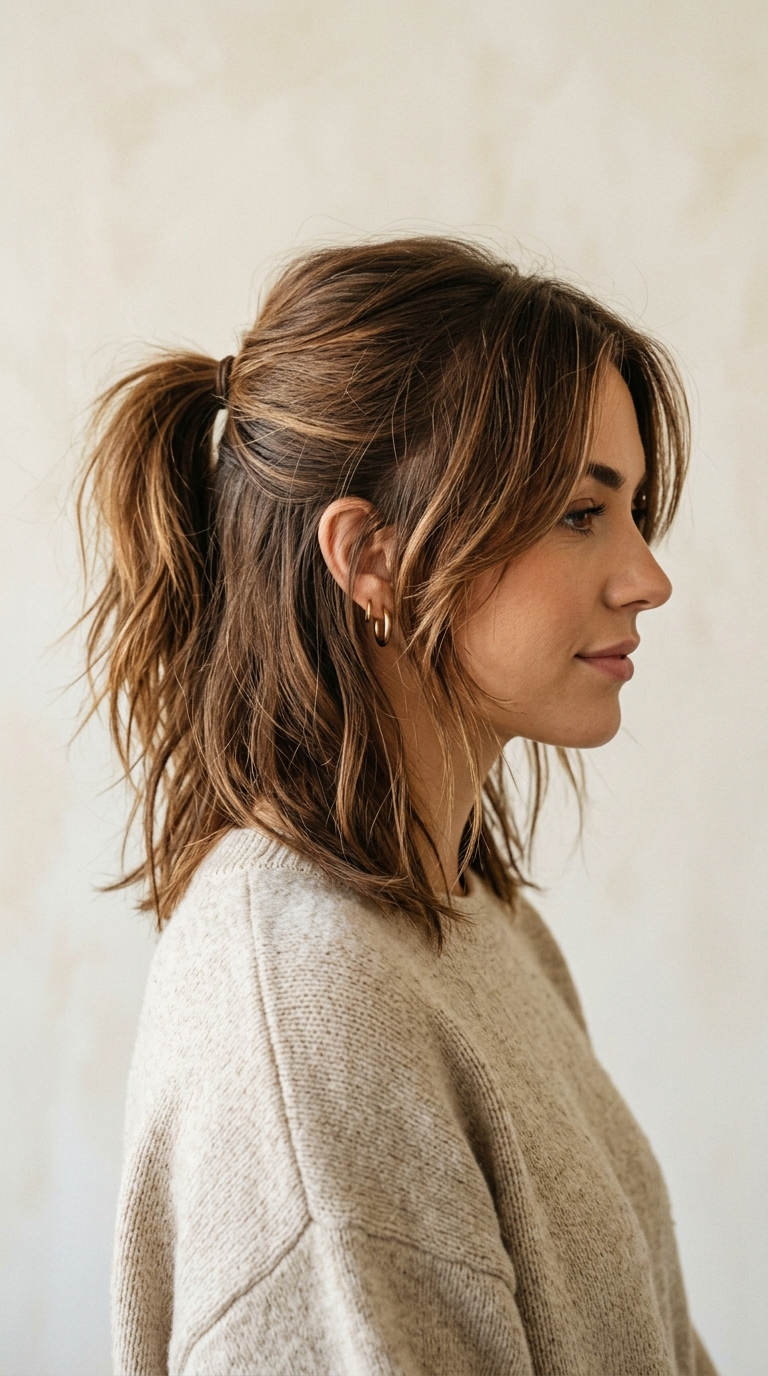
- Shows off face-framing layers even when hair is pulled back
- Keeps the shag silhouette visible in an updo
- Perfect for busy days needing quick styling
- Balances practicality with visual interest
One common worry about heavily layered cuts is losing the shape entirely once hair gets pulled back, but that’s not really the case here. Because the shortest layers sit around the face rather than throughout the whole head, a simple ponytail still leaves those face-framing wolf cut hairstyles pieces loose and visible. This creates a soft, styled look even on days when there’s no time for anything elaborate, which makes the cut far more versatile than people initially expect from something this textured.
Pulling the crown up slightly before securing the ponytail adds extra lift and keeps the overall shape from looking flat against the head. Leaving a few face-framing strands loose intentionally frames the features nicely without extra effort. This styling option works especially well for workouts, errands, or any low-effort day where a full hair routine simply isn’t realistic. It proves that heavily layered cuts can be just as practical as they are visually interesting.
15. Half-Up Wolf Style
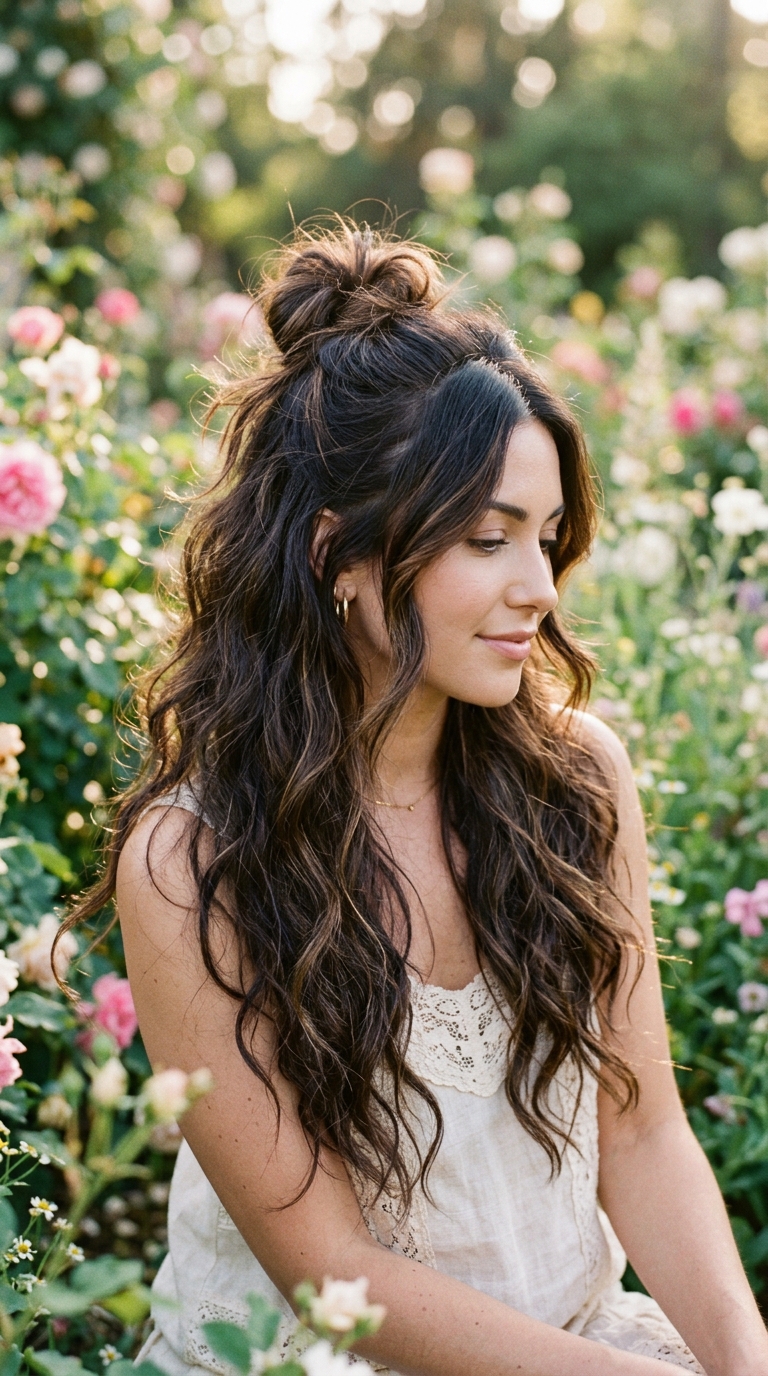
- Combines polished styling with loose, textured layers below
- Great for events without requiring a full updo
- Keeps face-framing pieces visible and soft
- Adds height and volume at the crown
Half-up styles tend to look more interesting on layered hair simply because there’s more texture for the eye to follow. Securing just the crown section leaves the shorter, choppier layers loose around the face while the length underneath flows freely, creating a nice balance between put-together and relaxed. This style works well for semi-formal occasions where a full updo feels like too much, but completely loose hair doesn’t feel intentional enough for the setting or event being attended.
A little backcombing at the crown before securing the half-up section adds volume that plays nicely with the layered shape underneath. Loose curling of the ends beforehand also helps the length underneath feel more cohesive with the textured pieces up top. This combination has become a favorite for engagement photos, date nights, and casual weddings, since it photographs beautifully from multiple angles without requiring professional styling assistance or a lengthy prep routine beforehand.
16. Braided Wolf Layers
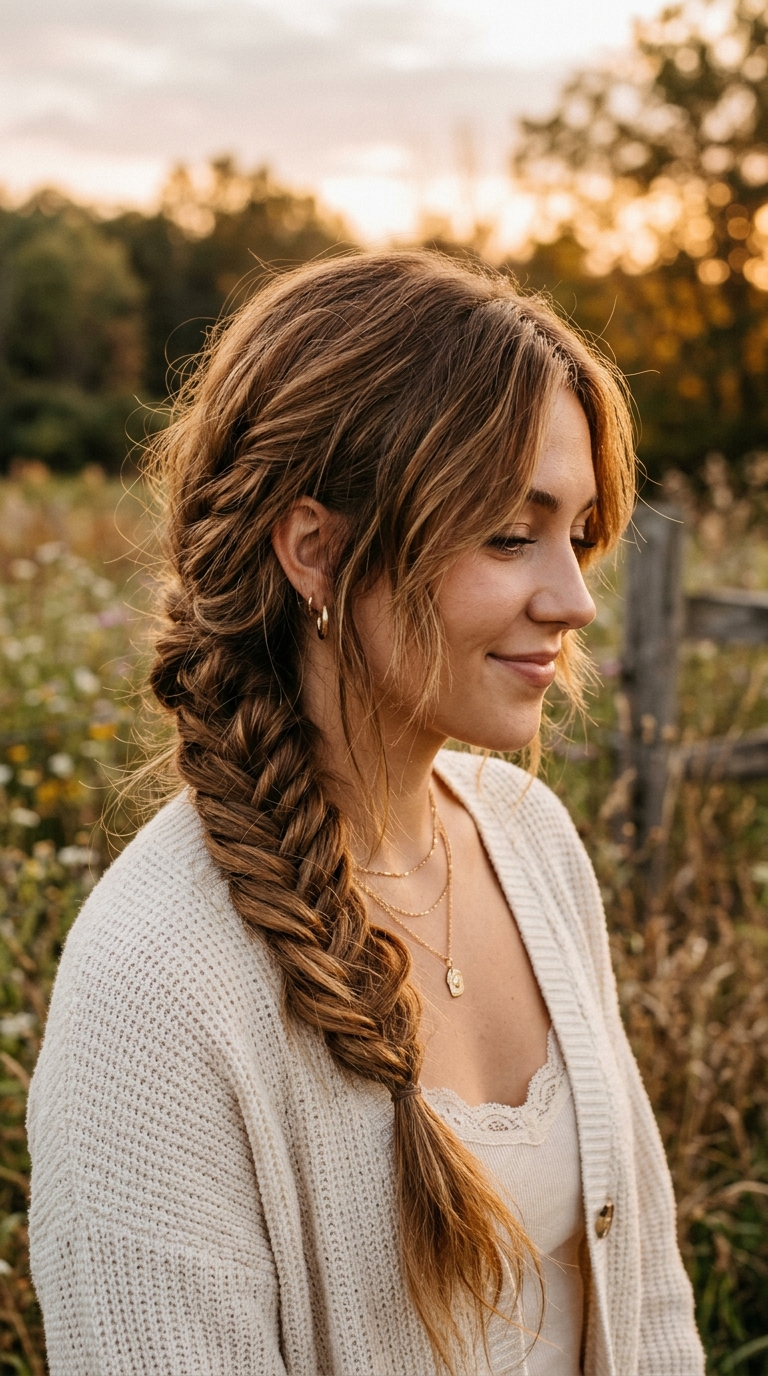
- Adds braided texture while keeping face-framing pieces visible
- Works beautifully for festival or outdoor occasions
- Softens a structured braid with loose layered pieces
- Combines two popular hairstyle trends into one look
Braiding heavily layered hair takes a bit of extra thought, since the shorter face-framing pieces naturally want to fall out of a tight braid. Rather than fighting that, this style leans into it, deliberately leaving those pieces loose around the face while braiding the rest of the length. The result feels boho and undone in the best way, blending the structure of a braid with the softness the wolf cut is already known for delivering across most styling situations.
This approach works particularly well outdoors, where a fully polished updo can feel out of place compared to something looser and more textured. A loose fishtail or three-strand braid, slightly pulled apart for extra volume, complements the layered pieces nicely without competing for attention. I’ve seen this style work beautifully for festival looks and outdoor gatherings especially, since it holds up well throughout a long day while still looking intentionally relaxed rather than simply undone or messy.
17. Micro Fringe Wolf Cut
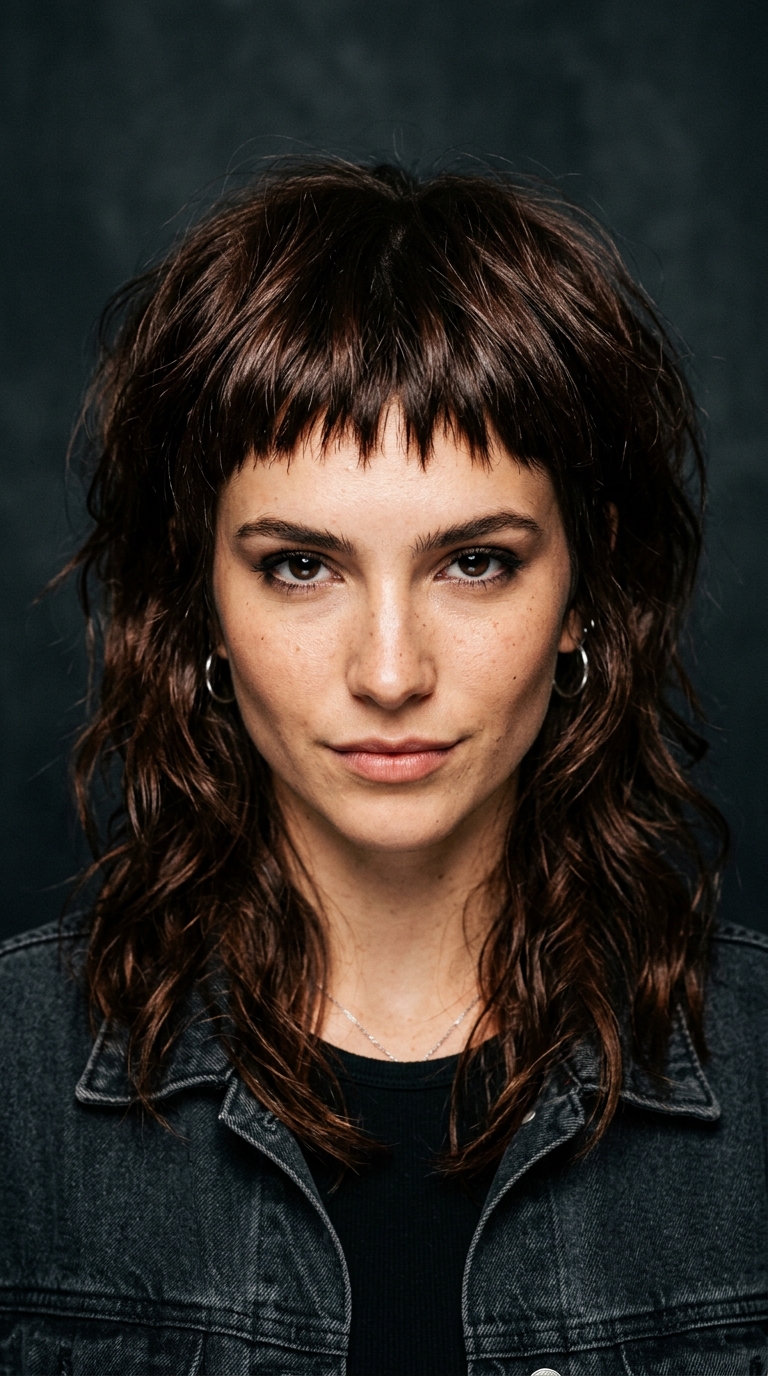
- Makes a dramatic style statement above the brows
- Pairs unexpectedly well with softer shag layers underneath
- Draws immediate attention to the eyes and brows
- Balances a bold fringe with relaxed overall texture
Micro bangs are not for everyone, and this pairing openly embraces that boldness rather than softening it. Cutting the fringe extremely short, sitting well above the eyebrows, creates a dramatic focal point that contrasts nicely against the looser, shaggier layers making up the rest of the cut. This combination suits people who already feel confident with statement-making hairstyles and want their haircut to feel distinctly memorable rather than blending in with more common, softer wolf cut variations seen elsewhere.
Balancing something this bold requires the rest of the cut to feel slightly more relaxed by comparison, which is exactly what the shag layering provides here. Without that softer texture surrounding it, micro bangs alone can feel too severe or one-dimensional for most face shapes. That’s why many hairstylists recommend easing into shorter fringe styles gradually, trimming a little at a time until reaching the desired micro length everyone associates with this particularly daring look.
18. Textured Wolf Crop
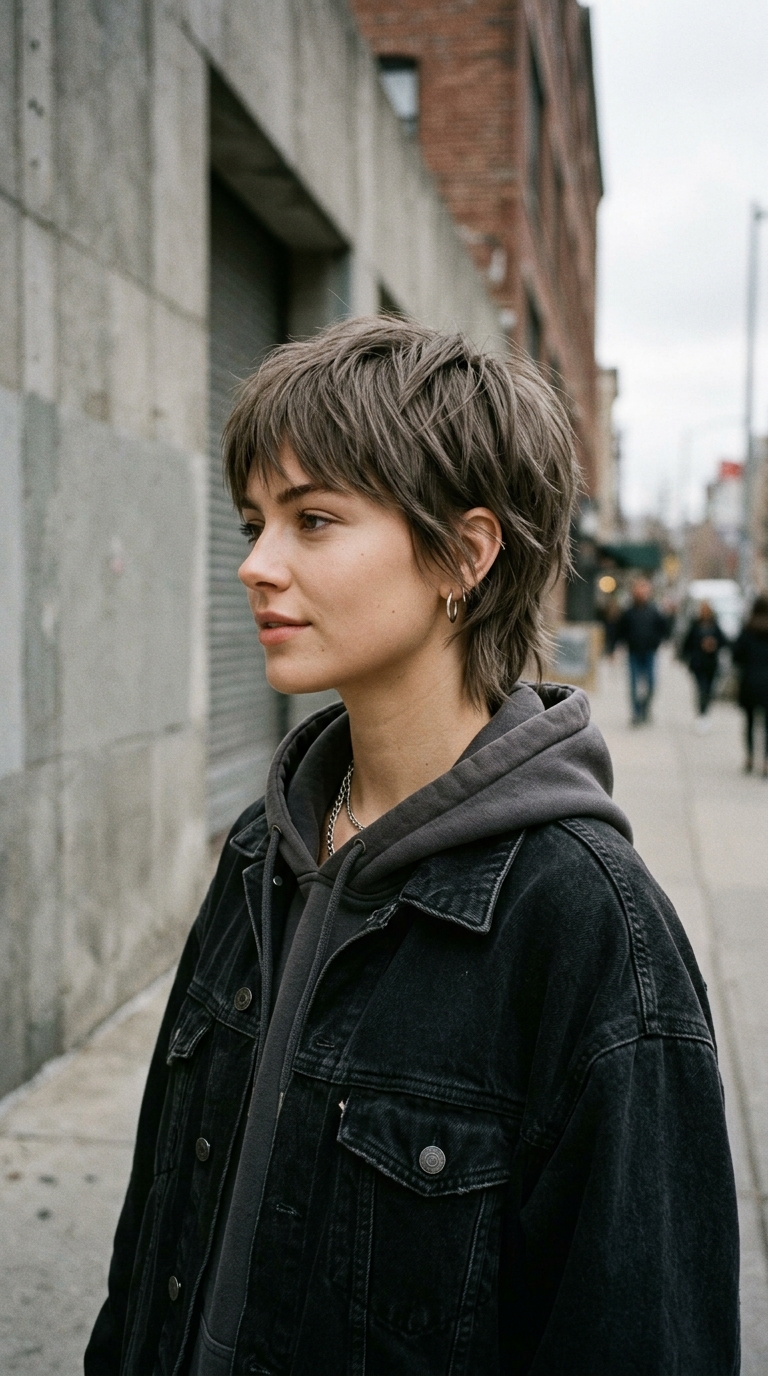
- Combines cropped length with heavy textural detail
- Ideal for hot climates needing shorter styles
- Requires very little daily maintenance
- Gives short hair unexpected personality and edge
Cropping the wolf cut shorter overall, rather than focusing on one specific area like bangs or crown, creates an entirely different silhouette worth considering. Layers stay choppy and uneven throughout, but the overall length sits much closer to the head than longer shag variations. This makes it a practical option for hot climates or anyone simply wanting less hair to manage daily, without giving up the textured, undone quality that makes wolf cut hairstyles so visually distinct from more traditional short haircuts.
Daily styling involves little more than scrunching a small amount of texturizing cream through damp hair before air-drying completely. There’s no need for elaborate blowouts or heat styling tools most mornings, which is a huge time-saver for people juggling busy schedules. In my experience, this cropped version works especially well for anyone recovering from over-processed or damaged hair, since shorter layers mean less visible damage while healthier growth comes in underneath the surface gradually.
19. Wolf Shag for Fine Hair
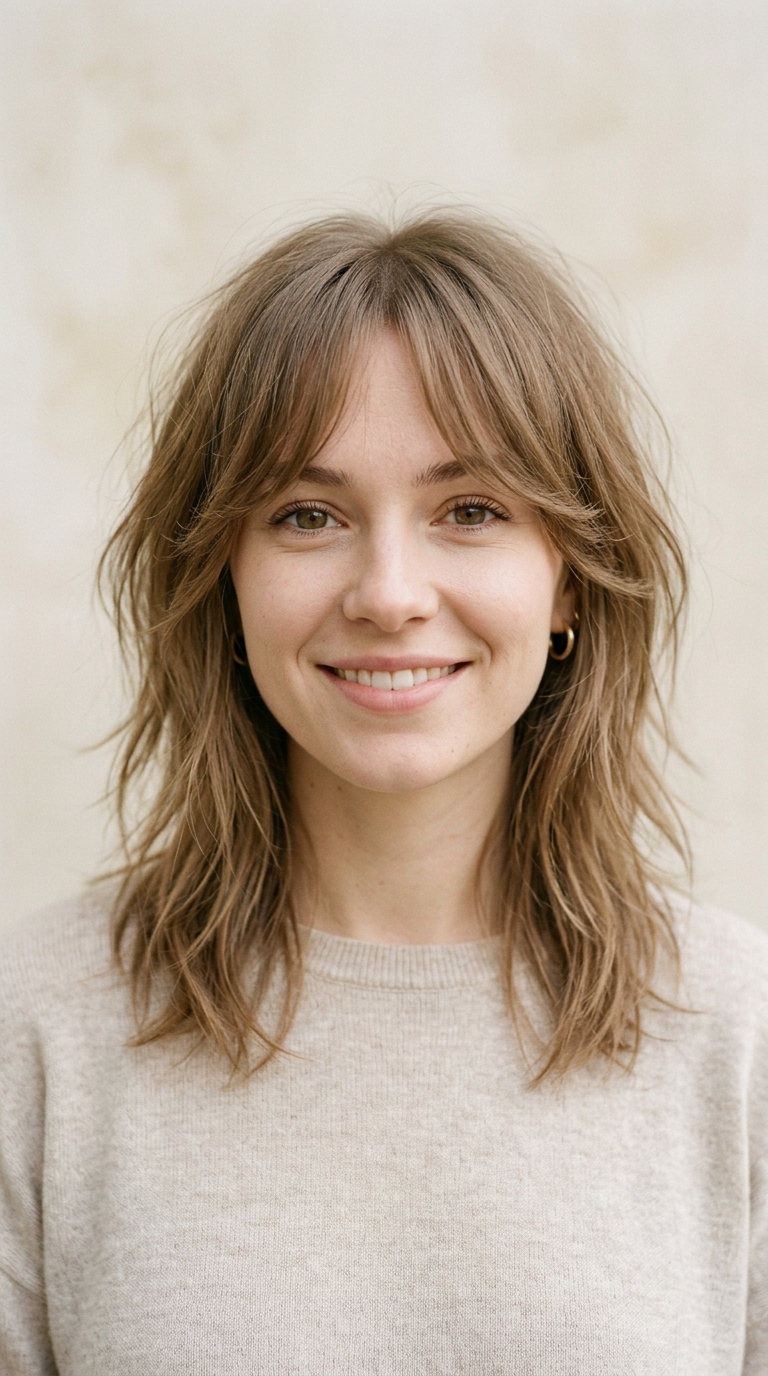
- Creates the appearance of thicker, fuller hair
- Avoids overly thin, stringy-looking ends
- Uses shorter layers to build visual density
- Works well without heavy styling products
Fine hair often gets fewer layering options recommended to it, out of fear that thinning it further will only make things look worse. This adapted version proves that concern wrong when the layering is done thoughtfully. Shorter, more concentrated layers around the crown and face create the illusion of thickness, while the length underneath stays slightly longer to avoid that stringy, over-thinned appearance fine hair is often prone to showing after aggressive layering techniques performed without this level of consideration.
A lightweight volumizing mousse applied at the roots, rather than heavier creams or pastes, keeps fine hair from looking weighed down after styling. Blow-drying upside down for the first few minutes also helps build lift that lasts through the day. I’ve noticed fine-haired clients specifically respond well to this gentler layering approach, since it delivers movement and texture without sacrificing the little natural volume fine hair already tends to have on its own.
20. Wolf Cut for Round Faces
- Elongates rounder face shapes with strategic layering
- Draws the eye vertically instead of horizontally
- Avoids width-adding shapes near the cheeks
- Creates a slimming visual effect without changing length
Face shape plays a huge role in how any haircut ultimately looks, and round faces benefit from a slightly adjusted approach to this trend. Keeping the shortest layers below the cheekbone, rather than right at cheek level, avoids adding unwanted width to the widest part of the face. Instead, longer face-framing pieces draw the eye downward and vertically, creating a naturally slimming, elongating effect that flatters round face shapes without requiring any dramatic change to the overall length people already prefer.
A side part also helps break up the roundness of the face, adding asymmetry that a centered part simply doesn’t provide. Styling the face-framing layers with a slight outward flick, rather than curling them inward toward the cheeks, reinforces this elongating effect even further. That’s why many hairstylists recommend consulting on layer placement specifically before cutting this style, since even small adjustments in where layers begin can significantly change how flattering the finished result looks.
21. Wolf Cut Space Buns
- Adds a playful, youthful twist to a trendy cut
- Keeps shorter layers loose and visible around the face
- Perfect for festivals, concerts, or casual outings
- Brings fun energy to an already bold haircut
Space buns bring a completely different energy to this haircut, leaning into fun and playfulness rather than soft, romantic styling. Because the shortest layers sit around the face, they stay loose and visible even with two buns secured at the crown, framing the face nicely while still keeping things fun and low-effort overall. This combination has become especially popular for festival season and casual outings, where a more polished updo would feel mismatched with the relaxed, high-energy atmosphere most people are going for.
Sectioning hair evenly before securing each bun keeps the style symmetrical and balanced on both sides of the head. Pulling a few loose strands out afterward, especially around the temples, softens the overall look and prevents it from feeling too tight or severe. This style works particularly well on days involving lots of movement or activity, since the buns stay secure while the loose layered pieces continue moving naturally throughout.
Final Thoughts
Finding the right cut really can change how you feel every single morning, and that’s exactly what makes this trend worth trying. From soft feathered ends to bold mullet-inspired shapes, these wolf cut hairstyles prove there’s a version for every face shape, hair type, and personality. I’ve seen how the right cut can completely shift someone’s confidence, and this one keeps delivering that effect again and again. Save this pin so you have it ready for your next salon appointment, try the version that speaks to you most, and share it with a friend who’s due for a change too.