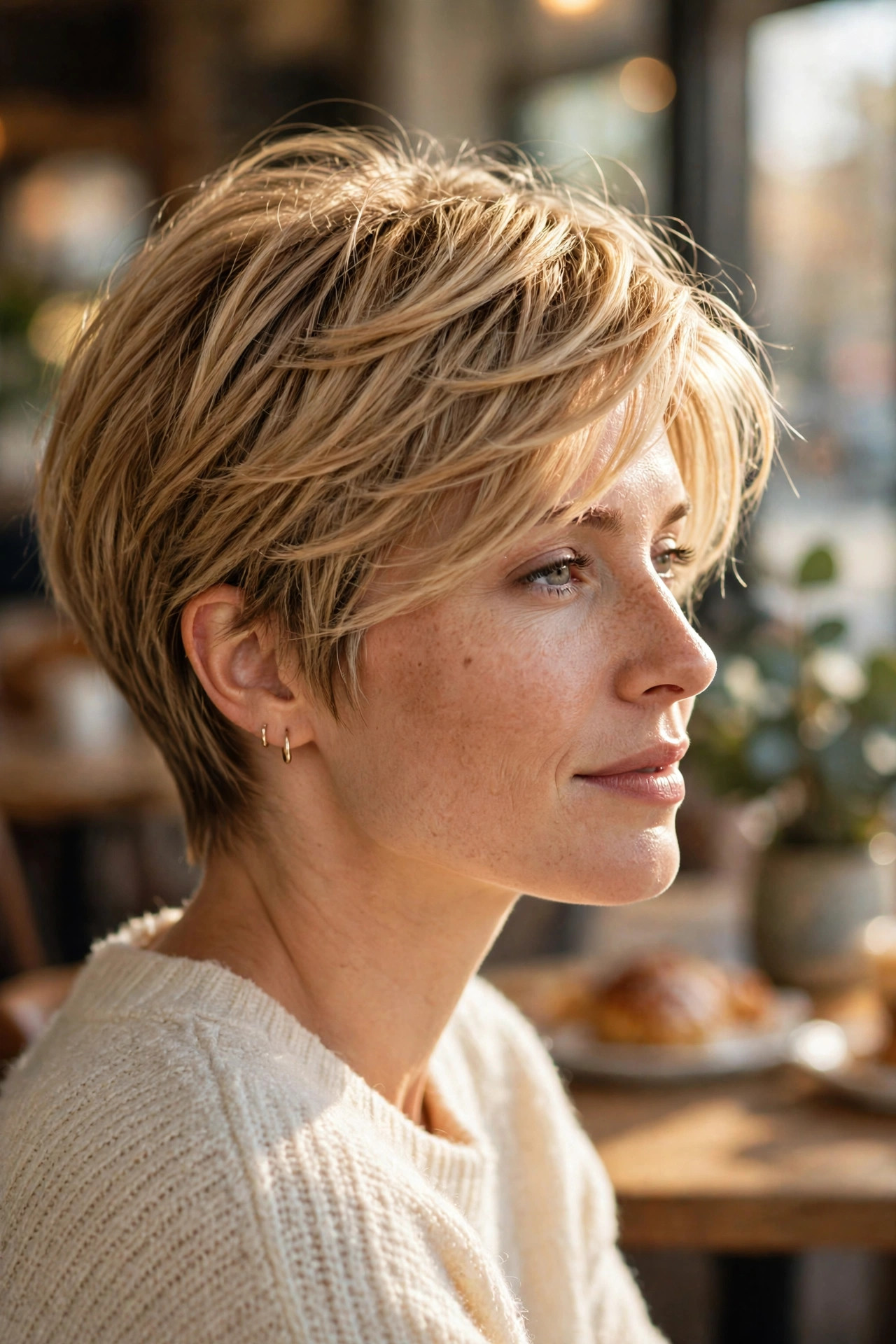
Choosing between the wolf vs shag cut feels tricky because both cuts are layered, textured, and effortlessly cool, yet they create very different silhouettes on real hair. If you love lived-in movement but cannot decide whether you want bold crown drama or soft all-over texture, this guide will settle it for you. Below, we break down what each cut really is, how the layers, length, and styling differ, which face shapes and hair types each one flatters, and how much upkeep each style honestly needs. You will also find a simple verdict at the end, plus answers to the questions women ask most before booking the chair. Save this guide, compare the two looks side by side, and walk into the salon knowing exactly what to ask for.
What a Wolf Is

- Short choppy layers pile volume at the crown.
- Long wispy ends stay below the shoulders.
- Strong contrast between the heavy top and light bottom.
- A modern mix of the shag and the mullet.
The wolf cut is the bolder cousin in this comparison, and its whole personality comes from contrast. Short, choppy layers stack up at the crown to build height and a wild, tousled shape, while the lengths underneath stay long, thin, and wispy. That heavy-top, light-bottom balance gives the style its untamed energy and its famous lived-in finish. It suits women who love an edgy look that still feels effortless, especially when the hair is air-dried with a little texture spray. Think of it as a shag that grew a rebellious streak, with drama concentrated exactly where the eye lands first.
In real life, the wolf cut photographs beautifully because the crown volume catches light from every angle, making even simple outfits look intentional. It works best on medium to thick hair, where the layers have enough density to hold their shape without collapsing. Women with straight or wavy texture get the easiest version, since the cut does most of the styling work on its own. Add a curtain fringe for softness around the face, or keep the front longer for a sleeker finish. Just remember the top needs texturizing trims, or the bold shape slowly turns into ordinary long layers.
What a Shag Is

- Even feathered layers run from crown to ends.
- Soft face-framing pieces flatter every face shape.
- A 1970s rock classic, updated for today.
- Texture everywhere, with no harsh contrast.
The shag is the layered haircut, born in the 1970s and still going strong because it flatters almost everyone. Its layers are distributed evenly from the crown to the ends, so texture and movement live in every inch of the hair rather than in one dramatic spot. Feathered ends and a curtain fringe soften the face, while the overall shape stays relaxed and a little undone. It reads as cool without trying too hard, which is why it keeps coming back. Whether your hair is straight, wavy, or curly, a shag works with your natural texture instead of fighting it.
Day to day, the shag is wonderfully low-drama. A little mousse scrunched into damp hair, a quick rough-dry, and the layers fall into place with that effortless, just-lived-in look. It grows out gracefully too, because the even layering simply gets longer without an awkward stage. The cut shines on medium and thick hair, where the layers remove bulk and let the shape move freely. Fine-haired women can wear it too, but they should ask for softer, longer layers so the ends keep their density. Pair it with our curtain bangs shag for the full retro-meets-modern effect.
Layer Placement Compared

- Wolf: layers concentrate at the crown only.
- Shag: layers spread evenly through all lengths.
- Placement decides the whole silhouette.
- Ask your stylist to point out the difference.
Layer placement is the single biggest difference between these two cuts, and once you see it, you cannot unsee it. A wolf concentrates its shortest layers right at the crown, building a tall, full top that tapers into long, thinned-out ends. A shag spreads its layers evenly from top to bottom, so the texture stays balanced and no single area dominates. That one choice changes the silhouette completely: the wolf looks top-heavy and wild, while the shag looks uniformly tousled and soft. Understanding this split makes the rest of the comparison fall into place quickly.
When you sit in the salon chair, use the right words so your stylist cuts what you want. For a wolf, say short choppy layers at the crown with the length left long and wispy underneath. For a shag, ask for even, feathered layering from crown to ends with soft face-framing pieces. Bringing two or three photos helps more, because names vary from salon to salon. A good stylist will also check your hair density first, since thick hair shows the contrast more boldly than fine hair does. Clear communication is the difference between loving your cut and regretting it.
Crown Volume and Shape

- Wolf builds height and drama up top.
- Shag keeps the silhouette balanced and even.
- Crown volume slims and lengthens round faces.
- Too much height can overwhelm long faces.
Crown volume is where the wolf cut earns its name, because the short stacked layers create a lifted, almost spiky silhouette that draws the eye upward. That height is flattering on round and heart-shaped faces, since it adds vertical length and balances wider cheekbones beautifully. The shag takes the opposite approach, keeping volume gentle and spread through the whole head so no single area shouts for attention. Its balanced shape suits long and oval faces especially well, because it never adds height where it is not wanted. Both shapes are lovely, but they frame the face in completely different ways.
Think about your face shape before you choose, because the wrong crown can work against you. If your face is long or narrow, the wolf's extra height can stretch it further, so ask for a softer wolf with less crown contrast or pick the shag instead. Round faces love either cut, but the wolf's lift is especially slimming when paired with face-framing pieces. Square faces benefit from the shag's soft feathering around the jawline, which eases strong angles. When in doubt, show your stylist your favorite selfies and let them read your proportions before the scissors come out.
Texture and Movement

- Both cuts thrive on air-dried texture.
- Wolf texture is choppy and piecey.
- Shag texture is feathery and blended.
- Texture spray is your best friend.
Both cuts are made for movement, but they move in different ways. The wolf's choppy, piecey layers separate into distinct strands, giving the hair a wild, deliberately undone energy that looks amazing when it catches the wind. The shag's feathered layers blend into one another, creating a softer, flowing motion that feels romantic rather than rebellious. Wavy and curly hair brings out the best in both styles, since the natural bend adds dimension the scissors alone cannot create. Straight hair can wear either cut too, but it needs a little styling product to wake the layers up.
Styling either cut takes minutes, not hours, which is a big part of their appeal. Scrunch a pea-sized amount of mousse or sea salt spray into damp hair, then rough-dry with your fingers or let it air-dry. The wolf wants a messier finish, so do not over-brush it or the separation disappears. The shag looks best when the feathered ends stay soft, so a brush on the fringe is all the polish you need. On second-day hair, a spritz of dry shampoo at the roots revives the texture instantly. Both styles reward a relaxed hand, so keep the tools simple.
Length and Grow-Out

- Wolf keeps length below while shortening the top.
- Shag removes length evenly through the cut.
- Wolf grow-out is the more forgiving one.
- Shag needs trims sooner to stay crisp.
Length is where the two cuts part ways, and it matters if you have spent months growing your hair. The wolf protects your length because only the crown gets short; the perimeter and the ends stay long, so ponytails and braids still work. The shag trims weight from everywhere, which means the length reads shorter even when the longest pieces stay the same. If keeping every inch is your priority, browse our wolf cut ideas before you decide. If you are ready for a change and love the idea of lighter, bouncier hair, the shag delivers that feeling instantly.
Grow-out is the wolf's secret advantage, and it is worth weighing before you book. Because the long perimeter never leaves, the short crown layers simply grow down and blend into longer layers over time, with no awkward in-between stage. A shag grows out evenly too, but the all-over texture gradually turns fuzzy and loses its crisp definition, so it asks for trims every eight to ten weeks. Think about your salon habits honestly: if you love frequent appointments, either cut works. If you stretch visits as long as possible, the wolf will forgive you for months.
Best Face Shapes

- Round faces love the wolf's extra height.
- Long faces suit the shag's balanced shape.
- Oval faces can wear either cut easily.
- Square faces soften with feathered framing.
Face shape is the deciding factor that stylists always check first. Round faces gain the most from the wolf, because the crown height adds vertical length and slims the cheeks, especially with longer face-framing pieces. Long faces should lean toward the shag, since its even layers never add height where it is not needed. Oval faces are the lucky ones here and can wear either cut without a second thought. Heart-shaped faces do well with the wolf too, as the volume on top balances a narrower chin. Square faces love the shag's soft feathering, which gently eases a strong jawline.
The easiest way to decide is to look at your favorite photos and notice where your face is widest. If the width sits at the cheeks, crown volume will flatter you, so the wolf is a strong match. If your face is longer than wide, keep the silhouette even with a shag and skip extra height. A curtain fringe helps both cuts, softening the forehead on rounder faces and breaking up length on longer ones. Read the Byrdie wolf cut guide for more face-shape tips, then trust the mirror more than the trend.
Hair Type Match

- Thick hair wins with either cut.
- Fine hair should default to the wolf.
- Curly hair loves the shag's even layers.
- Straight hair needs product for both.
Your hair type matters as much as your face shape, because density changes how each cut behaves. Thick hair is the match for both styles: the shag removes weight and lets it move, while the wolf uses the density to build a bold, full crown. Fine hair should lean toward the wolf, since the perimeter keeps the ends looking dense while the short top layers fake fullness. Curly hair adores the shag, which lifts the curl pattern and stops heavy lengths from dragging it down. Wavy hair sits in the middle and can carry either silhouette with little styling effort.
Density decides how the cut grows out and how often you will see your stylist. Thick-haired women can stretch trims with either cut, because the layers have enough body to hold their shape for weeks. Fine-haired women need the wolf's protected ends more, since a full shag can thin the hemline faster than expected. If your hair is coily or curly, ask for dry cutting so the layers are shaped around your curl pattern, not a guess. A skilled stylist will feel your density first, then recommend the version that works with it. Trust their hands over any photo.
Styling and Upkeep

- Both cuts air-dry beautifully with texture spray.
- Wolf needs texturizing trims every 10-12 weeks.
- Shag needs trims every 8-10 weeks.
- Dry shampoo revives second-day texture fast.
Neither cut demands a complicated routine, which is why busy women love them both. The wolf asks for a texture spray scrunched into damp hair, then air-drying or a quick rough-dry with your fingers. The shag wants the same treatment, though a round brush on the curtain fringe adds a polished touch in under two minutes. Neither style needs daily heat, and both actually look better on day two when the natural oils add grip. Keep a small bottle of dry shampoo in your bag, and you can refresh the roots anywhere. Simple tools, honest effort, gorgeous result every morning.
Upkeep is where the two cuts differ, so plan your salon budget before you choose. The wolf's bold crown contrast hides regrowth well, letting you stretch trims to ten or twelve weeks without losing the shape. The shag's even texture shows growth sooner, so most women book a trim every eight to ten weeks to keep it crisp. Product costs stay low for both: one texture spray, a leave-in conditioner, and dry shampoo cover nearly everything. If you love the salon and visit often, either cut fits your life. If you prefer fewer appointments, the wolf is the lower-maintenance friend.
Ask Your Stylist

- Bring three photos of each cut.
- Say crown volume for wolf, even layers for shag.
- Mention your styling routine honestly.
- Ask for dry cutting on curly hair.
The consultation is where haircuts are made, so walk in prepared instead of hoping for the best. Bring three photos of the cut you want, plus one photo of what you do not want, because pictures beat words every time. Tell your stylist how much time you spend on your hair each morning, since an honest answer changes the cut they recommend. Mention your face shape worries, like a round face or a strong jawline, so they can tailor the framing. A stylist will ask about your grow-out habits before picking up the scissors. Clear talk saves months of regret.
Use the exact phrases stylists understand, because vague requests cause most haircut disappointments. For a wolf, say short choppy layers concentrated at the crown with the length left long and wispy underneath. For a shag, ask for even feathered layering from crown to ends with soft face-framing pieces and a curtain fringe. If you want something in between, ask for a soft wolf, which keeps moderate crown contrast and splits the difference beautifully. Confirm the plan in the mirror before any cutting starts, and speak up the moment something looks wrong. Your hair, your rules, your appointment.
Who Should Choose Wolf

- You crave drama, height, and edge.
- You have fine or medium hair.
- You want forgiving grow-out and fewer trims.
- You love a statement look.
Choose the wolf if you want your hair to make a statement the moment you walk into a room. It is made for women who love drama, height, and a fearless edge, and who are happy to let their hair be the loudest part of the outfit. Fine and medium hair types get the win here, since the protected ends stay dense while the crown layers fake fullness. It also suits anyone who stretches salon visits, because the forgiving grow-out buys you extra weeks between trims. If your style icons are rock stars and street-style stars, this is your cut.
The wolf also fits a low-effort lifestyle better than most statement cuts. Air-dry it with a little texture spray, shake it out, and the layers do the rest, which means your morning routine stays under five minutes. It pairs beautifully with curtain bangs, face-framing pieces, or a bold hair color like copper or deep burgundy. The cut photographs well from every angle, so it is a favorite for women who love selfies and social media. Just be honest with yourself: if you prefer soft and subtle over bold and edgy, the shag will make you happier.
Who Should Choose Shag

- You want soft texture that suits everyone.
- You have thick or curly hair.
- You love a timeless, effortless look.
- You visit the salon regularly anyway.
Choose the shag if you want a cut that flatters nearly everyone and never tries too hard. It is the timeless option, soft and wearable, with texture in every inch and a shape that grows out gracefully. Thick and curly hair types love it most, because the even layers remove bulk and let the natural pattern shine. It also suits women who enjoy regular salon visits and like keeping their style crisp and fresh. If your wardrobe leans classic with a bohemian twist, and your mornings run on autopilot, the shag will feel like it was made for you.
The shag is the safer first step into layered hair if you have never had short layers before. Because the layers are even and blended, the change feels softer and less shocking than the wolf's dramatic crown contrast. It works for the office, the school run, weddings, and weekends without ever looking out of place, which is rare for a trendy cut. Add curtain bangs for extra softness, or keep the fringe long for a sleeker finish that still moves. If you want one cut that does everything well and suits almost every occasion, the shag is the easy answer.
At the end of the day, there is no wrong answer in the wolf vs shag cut debate, only the cut that fits your hair, your face, and the mornings you actually live. Pick the wolf when you crave drama, height, and a fearless edge that turns heads. Choose the shag when you want soft, wearable texture that grows out gracefully and suits almost everyone. Show your stylist the photos you saved, talk honestly about your styling routine, and ask for the version that matches your real life. Then book the appointment, enjoy the fresh layers, and pin this guide so you can find it again when your next trim comes around.
FAQ
Which cut is better for thin hair?
The wolf wins for fine hair because it keeps the perimeter long and dense while short crown layers create lift and the illusion of fullness. A full shag thins hair from top to bottom, which can make fine strands look lighter. Ask your stylist for a soft wolf with crown layers and face-framing pieces that add movement without removing density.
How often do I need a trim?
A shag needs a trim every eight to ten weeks to keep its texture crisp, since the layers can turn shapeless without attention. A wolf is more forgiving and coasts ten to twelve weeks, because crown contrast hides growth gracefully. Book a dusting to refresh the ends whenever your layers stop holding their shape or the outline starts looking heavy.
Can I wear either cut with curly hair?
Yes, both cuts work on curly and wavy hair, but they behave differently. A shag enhances curl by removing weight evenly, so curls spring up with bouncy movement. A wolf gives curls a wilder crown while longer pieces underneath stay loose. Bring photos of your curl pattern and ask for dry cutting so your stylist shapes layers around your texture.
Which cut grows out better?
The wolf grows out more gracefully because its perimeter stays intact while the short crown layers blend downward into longer layers over time. A shag grows out evenly, but its all-over texture can look fuzzy and lose definition between appointments. If low-maintenance grow-out matters most, choose the wolf, keep up with leave-in conditioner, and let the layers soften between trims.