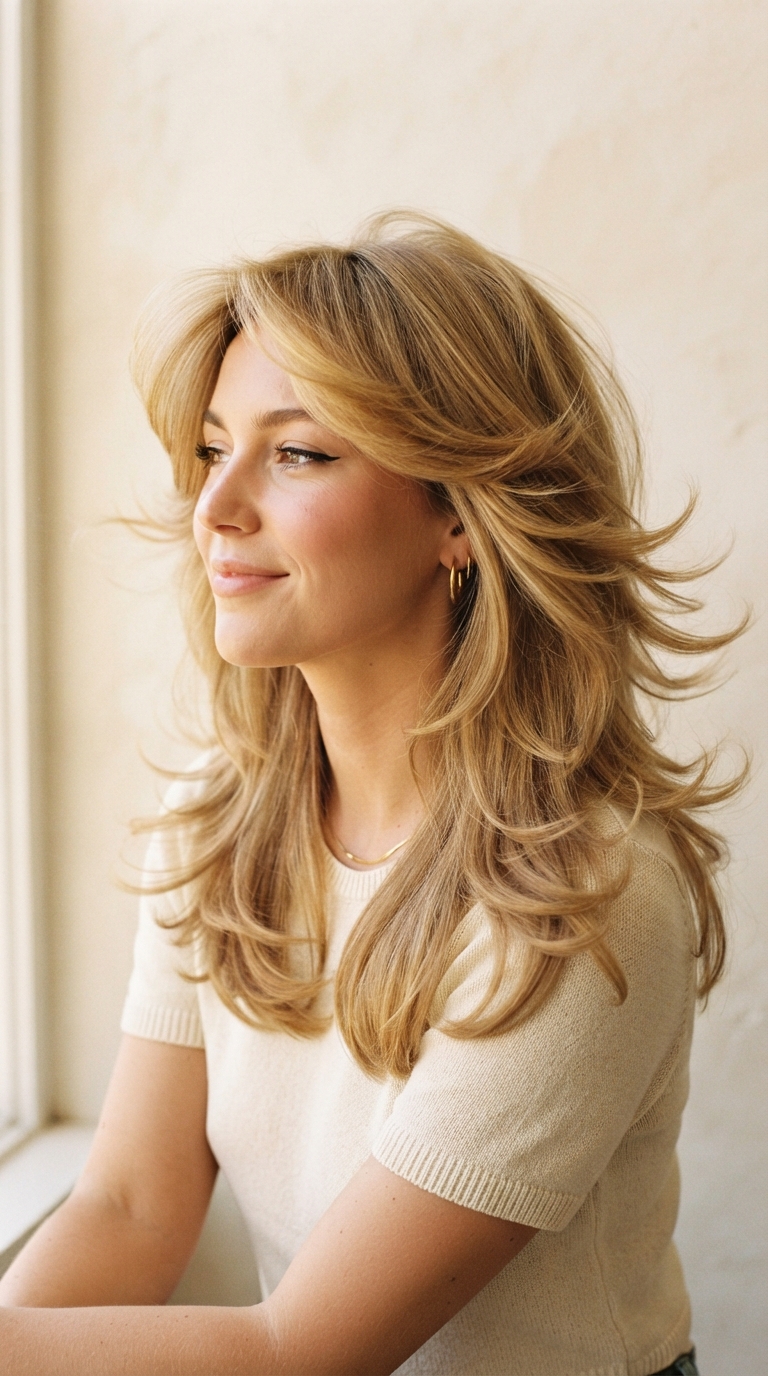
Wondering whether switching your wash routine is worth it? The reasons sulfate free shampoo is a good idea start with gentleness, because traditional sulfates can strip away the natural oils that keep hair soft, shiny, and manageable. Many women notice less dryness, fewer tangles, and calmer scalps within weeks of making the change, especially if their hair is coloured, curly, or chemically treated. This guide walks through twelve clear benefits, from longer-lasting colour to stronger strands, so you can decide with confidence. You will also learn who gains the most, how to wash correctly, and which formulas suit fine, thick, or textured hair best.
Gentler Scalp Care
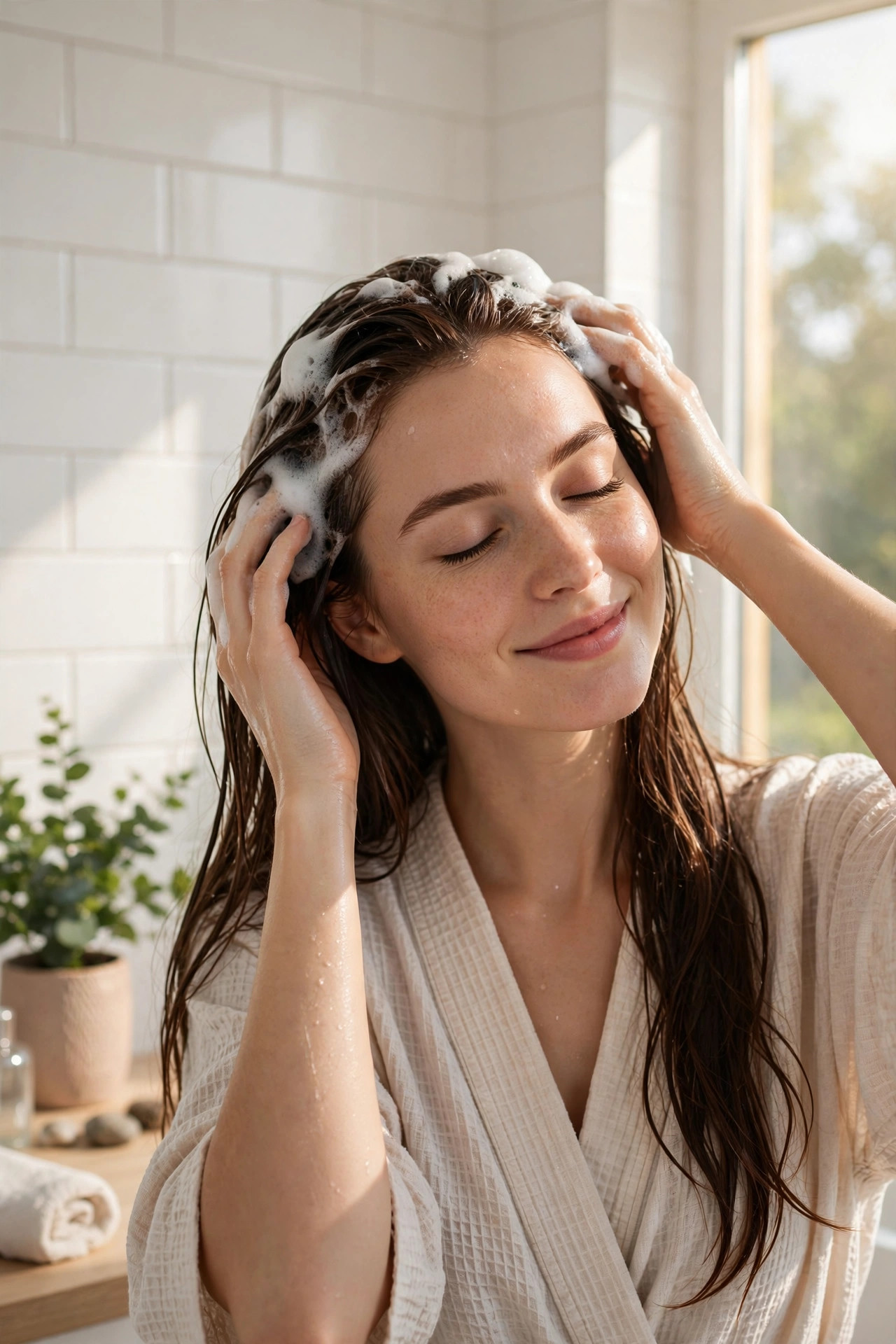
- Massage shampoo into the scalp with fingertips, never nails, for gentle cleansing.
- Rinse with lukewarm water to protect the scalp barrier and natural oils.
- Choose fragrance-free formulas if your scalp reacts easily to scented products.
Your scalp is skin, and it reacts to harsh detergents just like the skin on your face. Traditional sulfate shampoos create rich lather, but that foam often comes at a cost, stripping protective oils and leaving the scalp tight, itchy, or flaky. A sulfate-free formula cleans with milder surfactants that lift dirt and excess oil without disturbing the skin barrier. Over time, many women notice less redness, fewer flakes, and a calmer feeling after every wash. If your scalp often feels sensitive after shampooing, switching to a gentler cleanser may be the simplest fix you try this year.
Dermatologists often recommend gentle cleansers for people with eczema, psoriasis, or contact dermatitis, because strong sulfates can trigger flare-ups and prolong irritation. Even without a diagnosed condition, a reactive scalp benefits from fewer harsh chemicals in daily products. Look for formulas with soothing ingredients such as aloe vera, oat extract, or chamomile, which calm the skin while cleansing. Wash with lukewarm water, massage softly for a full minute, and rinse thoroughly so no residue sits on the scalp. Consistency matters more than price, so pick a gentle bottle and use it patiently for several weeks.
Colour That Lasts Longer

- Wash coloured hair with cool water to seal the cuticle and lock in dye.
- Wait 48 hours after colouring before your first sulfate-free wash.
- Use a colour-safe conditioner to add shine and protect the shade.
Colour fades fastest when harsh detergents lift the cuticle and wash dye molecules out of the hair shaft. Sulfates are strong cleaners, so every wash with a traditional shampoo can dull your shade a little more, especially reds, coppers, and fashion colours that fade quickly anyway. A sulfate-free shampoo cleans gently, keeping the cuticle flatter so pigment stays locked inside for more washes. Many colourists say clients who switch can stretch salon visits by an extra week or two. That saves money, protects hair health, and keeps your colour looking freshly done for much longer.
The benefit applies to every kind of colour, from subtle balayage to bold vivid shades and grey coverage. Highlighted hair is especially porous, so it loses pigment quickly under strong cleansers, while gentle formulas slow that process noticeably. Pair your sulfate-free shampoo with a matching conditioner and a weekly colour mask for the best results. Avoid clarifying shampoos unless your stylist advises them, since they strip colour fast. With the right routine, your shade stays richer, shinier, and truer between appointments, and your hair feels softer instead of dry and straw-like after washing.
Natural Oils Stay Put

- Let natural oils travel down the hair shaft by brushing gently before washing.
- Avoid overwashing; two or three washes a week suits most hair types.
- Skip heavy silicones that block moisture and weigh hair down.
Sebum, the natural oil your scalp produces, is your hair's built-in conditioner, coating each strand to keep it flexible, shiny, and protected from breakage. Sulfates wash this oil away aggressively, leaving hair dry, rough, and thirsty after every shower. A sulfate-free formula removes dirt and sweat while leaving much of that protective layer in place. The result is hair that feels softer to the touch, looks naturally glossy, and needs less added product to behave. Over weeks, your scalp may even produce less excess oil, since it no longer overcompensates for being stripped bare.
This benefit matters most for dry, coarse, and textured hair, which already struggles to spread oil along the shaft. Curly and coily patterns make the journey even harder, so preserving sebum is essential for softness and definition. Gentle cleansing also helps fine hair, which can look limp when stripped and then overloaded with styling products. Try a sulfate-free wash for a month and notice how much less conditioner and serum you reach for. Healthier, naturally balanced hair is easier to style, holds its shape better, and shines without heavy finishing products weighing it down.
Less Frizz Every Day

- Dry hair gently with a microfibre towel instead of rough rubbing.
- Finish with a pea-sized drop of light hair oil on the ends.
- See our frizzy hair hairstyles for styling ideas that tame flyaways.
Frizz happens when dry, raised cuticles absorb moisture from the air and swell unevenly, creating flyaways and a rough texture. Sulfates make this worse by stripping the oils that keep cuticles flat and sealed. Switching to a sulfate-free shampoo helps hair hold onto moisture, so the cuticle stays smoother and reacts less to humidity. The change is often visible within a few washes, especially in damp weather or after heat styling. Pair the gentler wash with a hydrating conditioner and your hair will look calmer, smoother, and far easier to manage on busy mornings.
Humidity is the biggest test for frizz-prone hair, and gentle cleansing gives your strands a real advantage. When hair is properly hydrated from within, it absorbs less water from the atmosphere, so the style you create in the morning survives the day. Try washing with lukewarm water, smoothing conditioner from mid-length to ends, and rinsing with a final splash of cool water. Avoid brushing dry hair aggressively, which lifts the cuticle further. With consistent gentle care, frizz becomes a minor issue rather than a daily battle, and your natural texture looks polished.
Softer Shinier Strands

- Rinse with cool water for an instant shine boost after conditioning.
- Use a weekly deep-conditioning mask for extra softness and repair.
- Limit heat styling to keep the new softness and shine intact.
Shine comes from a smooth, flat cuticle that reflects light evenly, and sulfates roughen that surface with every wash. When the cuticle lifts, light scatters instead of bouncing back, so hair looks dull even when it is clean. Gentle sulfate-free cleansing preserves the cuticle's smooth layer, letting natural shine return over time. Many women notice their hair looks glossier within the first month, without adding shine sprays or heavy serums. Softness follows the same path, since moisturised strands bend and move freely instead of feeling stiff, dry, or straw-like to the touch.
The softness you gain is not a coating that washes away, but a real change in how hydrated your hair stays between washes. Silicones can fake shine temporarily, yet they build up and eventually make hair heavy and dull. A sulfate-free routine works differently, supporting the hair's own moisture balance so softness lasts. Combine it with a light leave-in conditioner on the ends and a wide-tooth comb for detangling. Over time, brushing becomes easier, tangles loosen faster, and your hair feels silky from roots to tips without relying on layers of styling products.
Kinder to Curls

- Scrunch curls upward with a microfibre towel to encourage definition.
- Apply curl cream to damp hair before air-drying or diffusing.
- Explore our curly hairstyles for cuts that flatter natural texture.
Curly hair is naturally drier than straight hair because oils struggle to travel around each bend and coil. Sulfates remove what little moisture reaches the lengths, leaving curls frizzy, undefined, and prone to breakage. A sulfate-free shampoo cleans the scalp gently while preserving the moisture curls need to hold their shape. Many curl routines, including the popular curly girl method, rely on sulfate-free washing as a foundation. After a few weeks, curls often look springier, clump together more neatly, and feel softer instead of crunchy or rough. That bounce returns because hydrated curls can flex without snapping.
Wavy and coily hair benefits just as much, since every textured pattern shares the same dryness challenge. Gentle cleansing also reduces the tangling that comes with stripped, roughened strands, making wash day far less painful. Use your fingers or a wide-tooth comb in the shower, condition generously, and avoid brushing curls when dry. A sulfate-free wash pairs beautifully with leave-in conditioner and a light gel for hold. The result is defined, touchable curls with natural movement, less frizz, and a healthy shine that survives the whole day. Your curls finally get the gentle care they deserve every single wash.
Healthier Hair Over Time
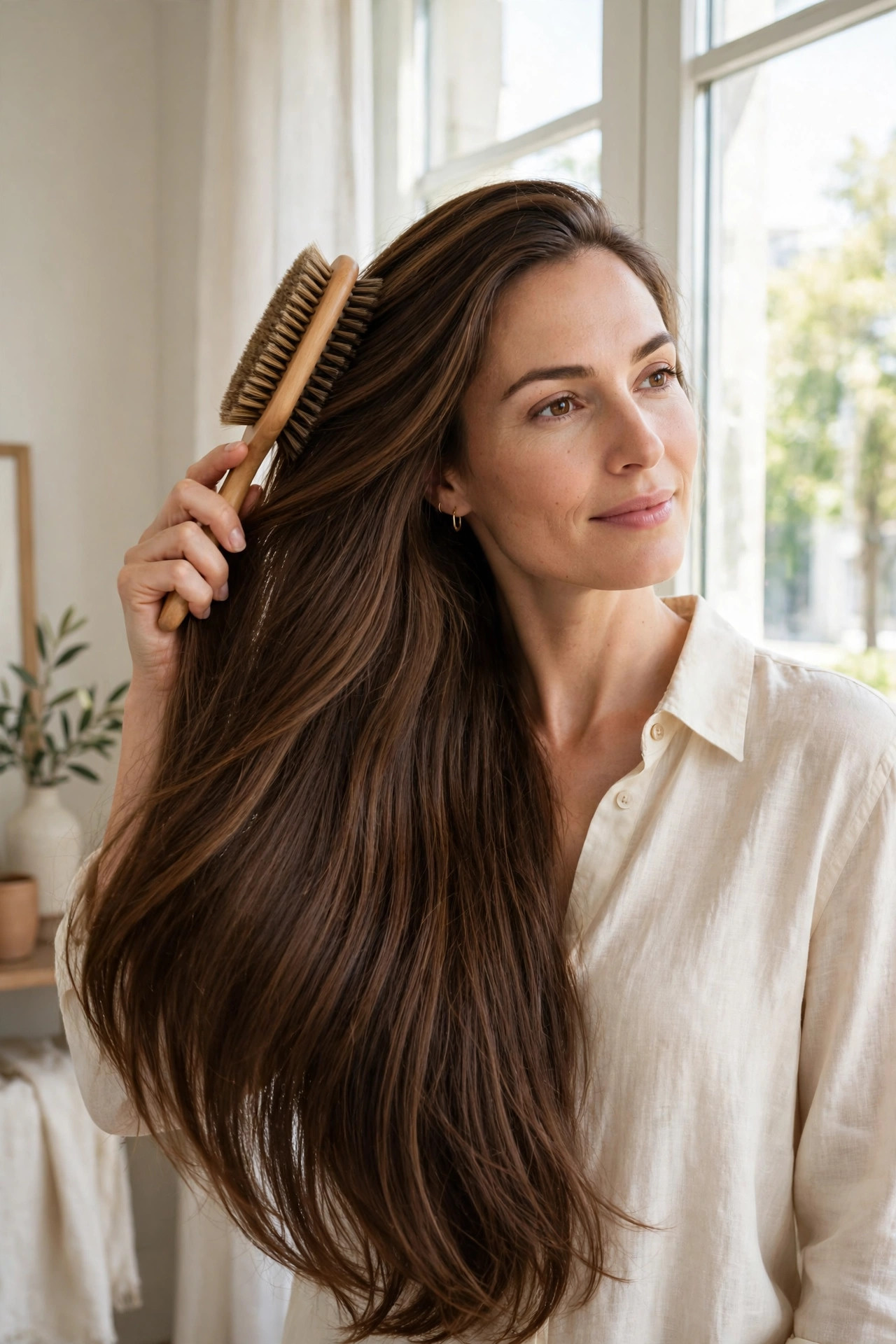
- Trim split ends every eight weeks to protect length and health.
- Eat protein-rich foods and stay hydrated for stronger growth.
- Protect hair from sun with a hat or UV spray on bright days.
Hair health is built wash by wash, and harsh cleansers slowly wear down the fibre through repeated stripping. Each sulfate wash removes a little more protective lipid, raising the cuticle and making strands more vulnerable to friction, heat, and brushing. Gentle sulfate-free formulas slow this wear, so hair keeps its strength, elasticity, and smooth texture for longer. Over months, the difference shows in fewer split ends, less breakage on the brush, and lengths that actually grow instead of snapping off. Healthy hair is not created in one treatment; it is protected by every gentle choice you make.
Breakage often starts at the weakest points, where the cuticle has lifted and the inner cortex is exposed. Sulfate-free washing keeps those scales lying flat, reducing the snagging and friction that snap strands during styling. This matters most for long hair, bleached hair, and anyone growing out damage from past chemical treatments. Combine gentle washing with heat protectant, soft hair ties, and silk pillowcases for the best protection. With patience, your hair becomes noticeably stronger, smoother, and easier to grow past old length plateaus that once felt impossible to break through.
Fewer Scalp Flare-Ups
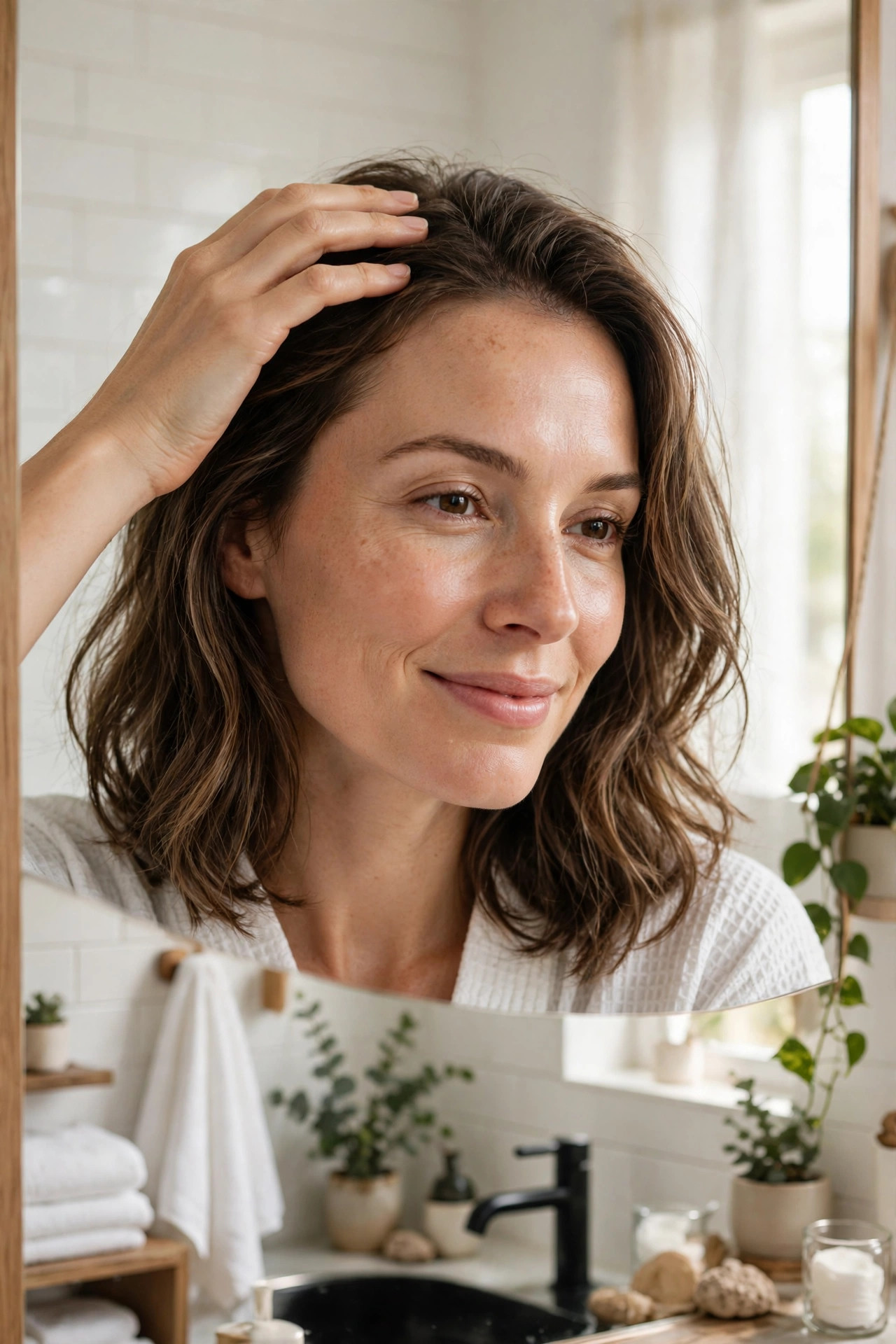
- Patch-test new formulas behind your ear before full use.
- Keep wash water lukewarm, since hot water worsens irritation.
- See a dermatologist if itching or flaking persists for weeks.
Itching, redness, and flaking often trace back to an irritated scalp barrier, and sulfates are a common trigger. Strong detergents strip the skin's protective lipids, letting moisture escape and irritants slip in, which sparks inflammation. A sulfate-free shampoo cleans without that aggressive disruption, giving the barrier time to recover and stay balanced. People with eczema, psoriasis, or seborrheic dermatitis frequently report calmer scalps after switching. Even mild seasonal itching often eases, since the scalp is no longer fighting a harsh cleanser at every single wash. That relief alone makes the switch worthwhile for sensitive scalps everywhere.
A healthy scalp also grows healthier hair, since follicles thrive in calm, balanced skin. When irritation and inflammation settle, shedding often reduces and new growth looks stronger from the roots. Gentle formulas with calming botanicals such as aloe, oat, and chamomile add extra comfort during washing. Avoid scratching with nails, which damages the barrier further, and massage with soft fingertips instead. Give the switch at least three weeks, because barrier repair takes time, and track how your scalp feels after each wash to see the steady improvement. Small gentle habits compound into real comfort over time.
Keratin Treatments Protected

- Wait 72 hours after keratin before washing with sulfate-free shampoo.
- Use sulfate-free conditioner to match and extend treatment results.
- Avoid salt water and chlorine, which shorten keratin treatment life.
Keratin treatments, Brazilian blowouts, and chemical straightening work by smoothing the hair fibre and sealing in a protective layer. Sulfates break that layer down quickly, washing away the treatment and bringing back frizz far sooner than expected. Stylists almost always insist on sulfate-free shampoo after these services, because gentle cleansing preserves the results for weeks longer. The same rule applies to perms and relaxers, which also weaken under harsh detergents. If you invest in a salon treatment, protecting it with the right shampoo is the simplest way to make your money last.
The cost of a keratin treatment makes this benefit especially practical, since a single service can cost hundreds of dollars. Washing it away in a few weeks with the wrong shampoo is an expensive mistake that is easy to avoid. A sulfate-free formula keeps the smoothing layer intact, so hair stays sleek, manageable, and frizz-free for the full expected lifespan of the treatment. Ask your stylist to recommend a matching sulfate-free pair for your hair type. With the right aftercare, you will enjoy salon-smooth results far longer and need touch-ups far less often than before.
Extensions Last Longer
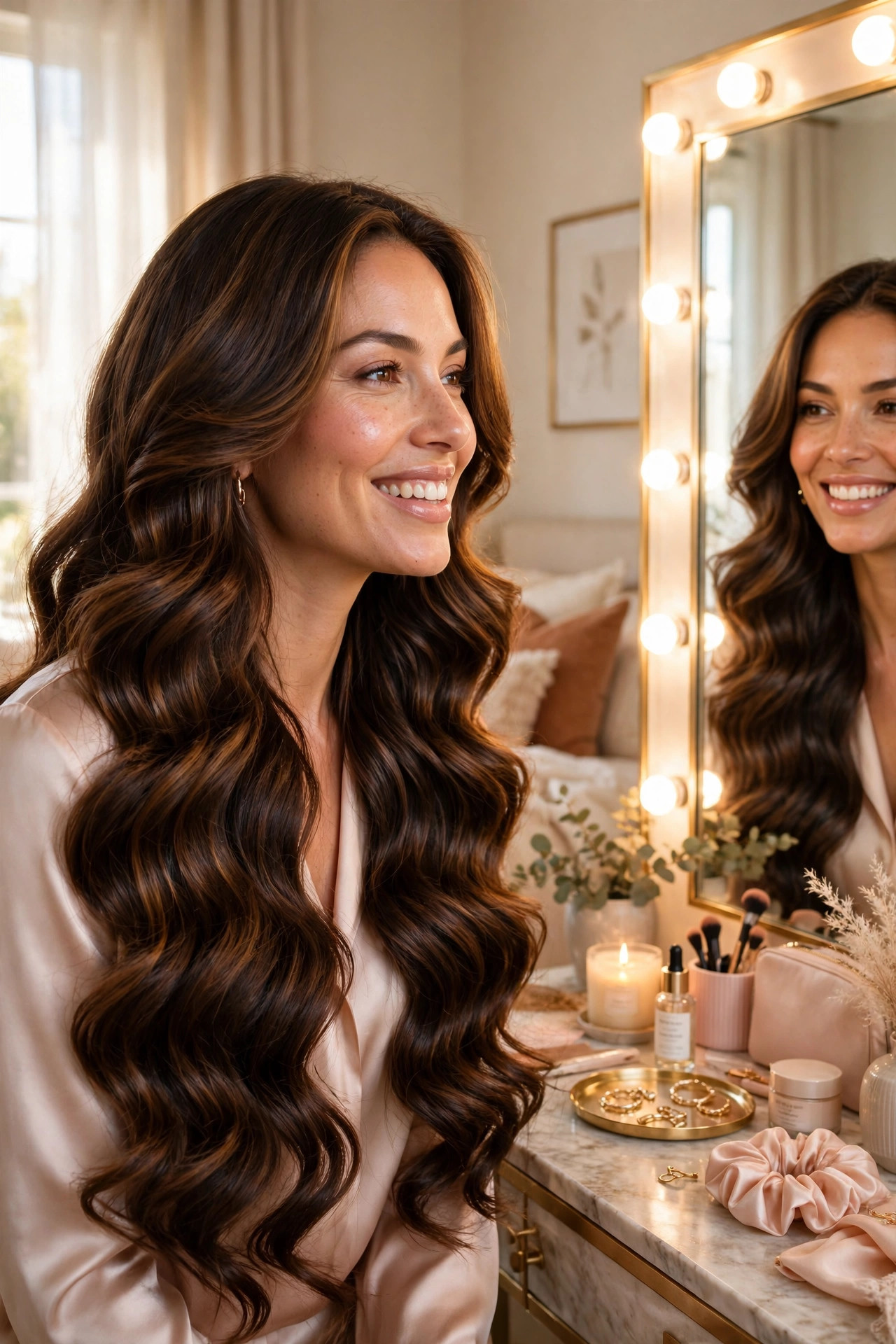
- Wash extensions gently, holding the wefts to avoid pulling bonds.
- Never sleep with wet extensions; dry them fully first.
- Brush extensions daily with a soft loop brush to prevent tangles.
Hair extensions are an investment, and sulfates shorten their life by drying out the fibres and loosening the bonds that hold them in place. Tape-ins, sew-ins, and clip-ins all suffer when harsh detergents strip moisture and weaken adhesive or thread. A sulfate-free shampoo cleans extensions gently, keeping them soft, shiny, and secure for many more weeks. It also protects the natural hair underneath, which can become brittle if extensions and harsh washing combine. Most extension specialists recommend sulfate-free products as a non-negotiable part of aftercare, and following that advice saves both money and frustration.
Wigs and hairpieces benefit the same way, since synthetic and human-hair pieces both dry out under strong cleansers. Gentle washing preserves their texture, shine, and style, so they look new for far longer. When washing extensions, hold the lengths to support the bonds, lather the scalp softly, and rinse without rough scrubbing. Condition from mid-length to ends, detangle carefully, and let pieces air-dry whenever possible. These small habits protect your investment, keep blends seamless, and ensure your added length always looks like your own healthy hair. Gentle care truly pays off with every wash.
Lighter Everyday Washing
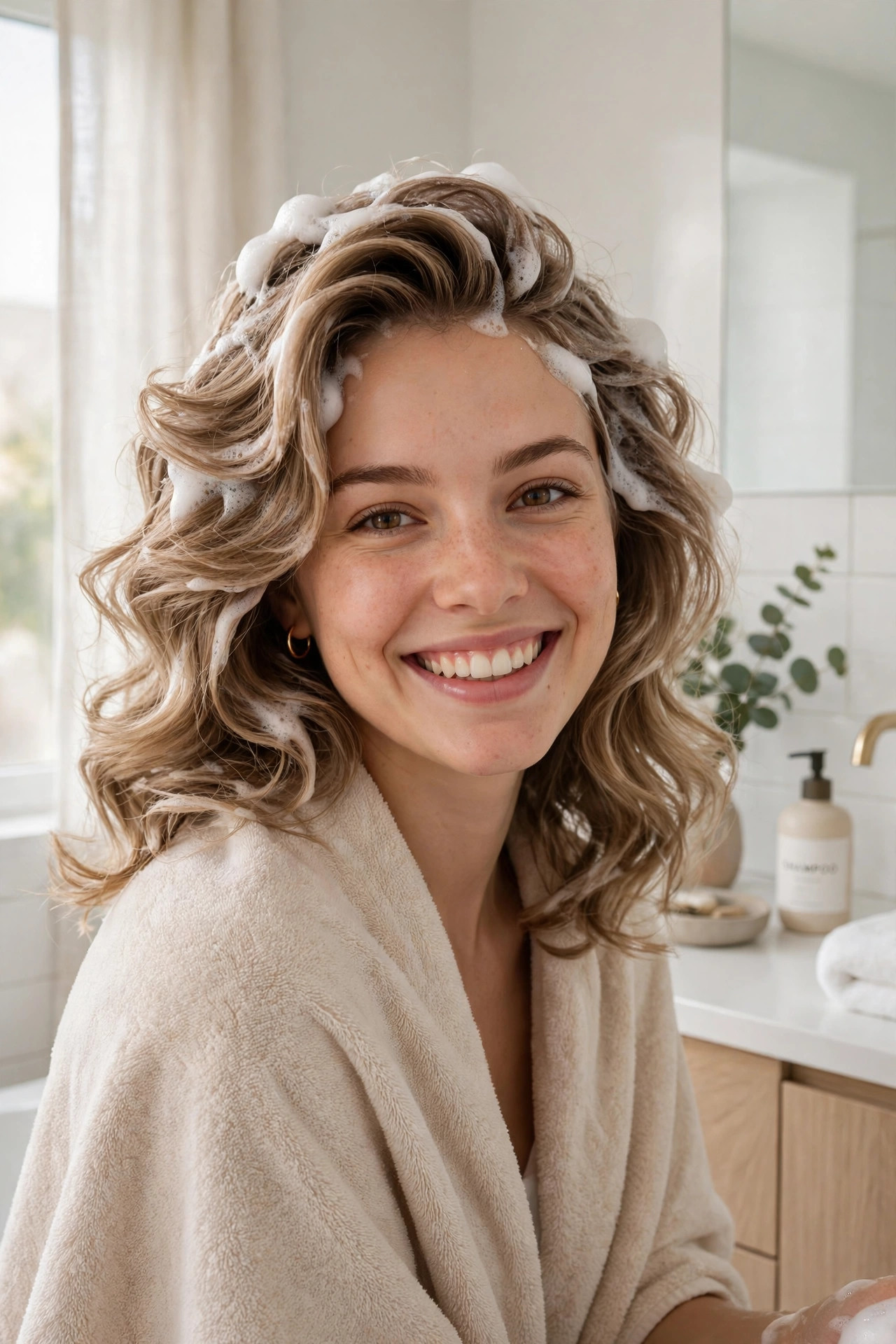
- Double-wash on oily days: first lather lifts dirt, second cleans deeply.
- Rinse fully, since mild formulas need extra water to wash out.
- Use dry shampoo between washes to stretch your style further.
Sulfate-free shampoo feels different from the first use, with a creamier, lower lather that some people mistake for weak cleaning. In truth, the milder foam cleans just as effectively without the squeaky stripped feeling that sulfates leave behind. Your hair feels clean yet soft, not tight or tangled, and styling takes less effort afterwards. The adjustment period lasts about a week, after which the gentler wash feels completely normal. Many women say they would never return to heavy lather once they experience how light and comfortable everyday washing can feel.
Daily washing is safe with gentle formulas, which is good news for gym-goers, swimmers, and anyone who styles hair every morning. Traditional sulfates make daily washing risky by drying hair out, but sulfate-free cleansers keep moisture balanced wash after wash. If your hair feels heavy, try a double wash: the first lather removes surface dirt, the second cleans the scalp properly. Finish with conditioner on the ends only, keeping roots light and bouncy. Over time, this lighter routine leaves hair healthier, shinier, and far easier to style every single day.
A Cleaner Hair Routine
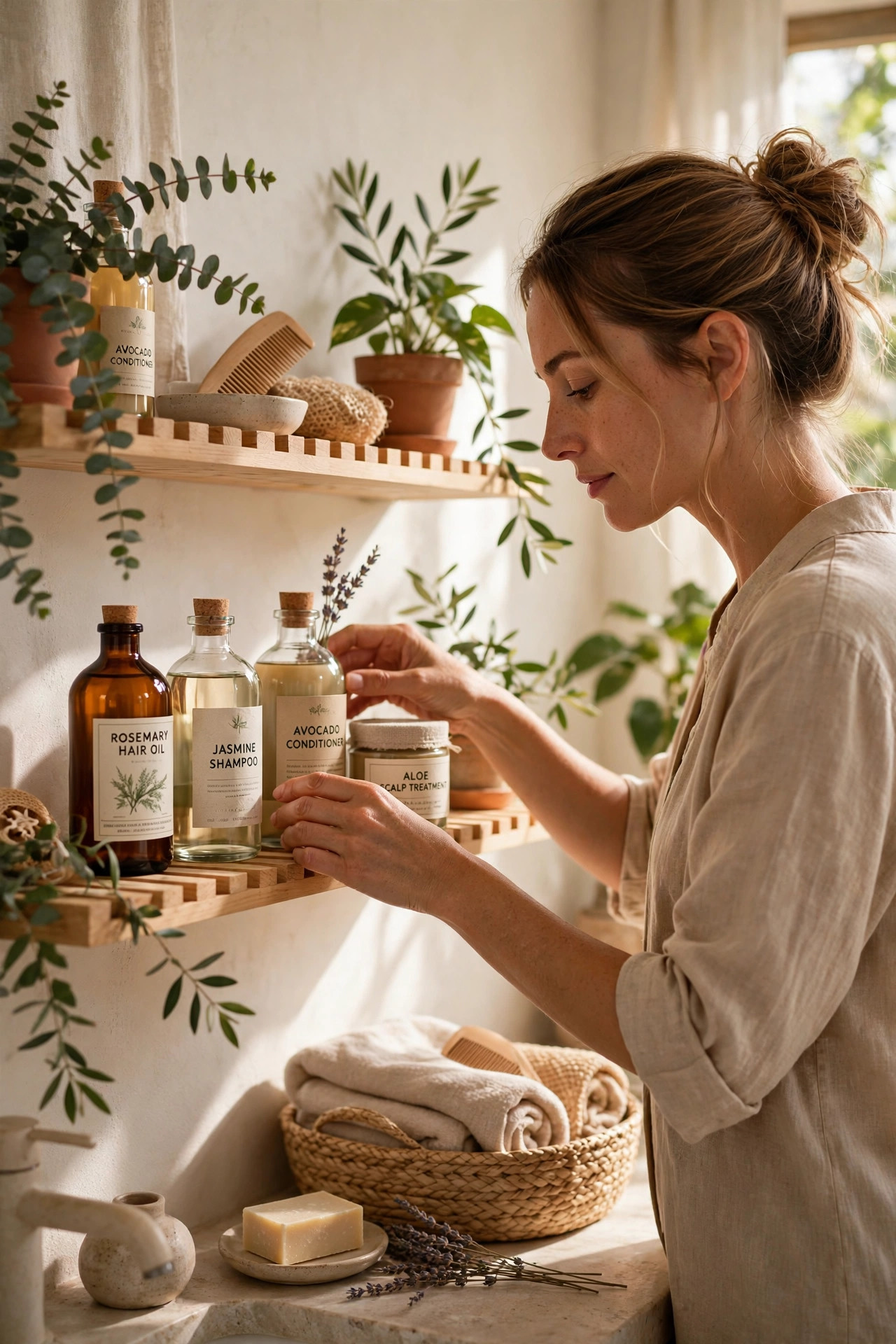
- Read ingredient labels and avoid SLS, SLES, and added parabens.
- Learn more from Byrdie’s guide to greasy hair and sulfate-free shampoo before choosing a formula.
- See our hair care tips for a full gentle routine.
Choosing sulfate-free often starts a cleaner approach to hair care altogether, encouraging you to read labels and question every ingredient in your routine. Many sulfate-free formulas also skip parabens, silicones, and harsh fragrances, relying instead on plant-based cleansers and nourishing botanicals. This simpler ingredient list suits people who prefer natural beauty products or want fewer chemicals touching their skin daily. Look for transparent brands that list full ingredients and explain what each one does. A cleaner routine is not about perfection; it is about making thoughtful choices that support both your hair and your overall wellbeing.
The environmental angle matters too, since many sulfate-free brands use biodegradable cleansers and recyclable packaging. Sulfates can harm aquatic life when they wash down the drain, so gentler formulas are a kinder choice for waterways. Choosing a sulfate-free shampoo is a small daily vote for cleaner beauty, healthier hair, and a lighter footprint. Start with one product, notice how your hair responds, and build from there. Your strands, your scalp, and the planet all benefit when you choose gentler formulas that clean effectively without unnecessary harsh chemicals in every bottle.
Switching to a gentler wash is a small change with a surprisingly big payoff, and the reasons sulfate free shampoo is a good idea are clear for coloured, curly, dry, or sensitive hair. You keep more natural moisture, your colour stays brighter for longer, and your scalp feels calmer wash after wash. Give your new bottle two or three weeks before judging it, since hair needs time to adjust to milder cleansers and less lather. Pair it with a matching conditioner, rinse thoroughly, and enjoy softer, shinier strands that are easier to style every single day.
FAQ
Is sulfate-free shampoo good for oily hair?
It can work, but oily scalps may need a double wash or an occasional clarifying shampoo, since mild cleansers remove less sebum in one pass. Focus the shampoo on your scalp, massage well, rinse thoroughly, and use a light conditioner only on the ends. Many people with oily roots wash every other day and find the balance improves over time.
Does sulfate-free shampoo help frizzy hair?
Yes, it often helps, because gentle formulas leave more natural moisture in the hair shaft, which keeps the cuticle smoother and reduces flyaways. Pair it with a hydrating conditioner, avoid hot water, and dry hair gently with a microfibre towel. Over a few weeks, curls and waves usually look more defined, softer, and easier to manage.
How long does it take to see results?
Most people notice softer, calmer hair within two to three weeks, once old buildup washes away and the scalp adjusts to gentler cleansing. Colour may look brighter sooner, while frizz and dryness improve gradually. Stick with the same formula, wash consistently, and judge the change after a full month of regular use.
Can I use sulfate-free shampoo every day?
Yes, daily use is fine for most hair types, because mild formulas clean without stripping moisture or irritating the scalp. People with fine or dry hair may prefer washing every other day to preserve natural oils. Always rinse well, follow with conditioner, and add a clarifying wash once a month if you use heavy styling products.