
Ever wondered what is a keratin treatment and whether it could finally tame your frizz? This salon smoothing service infuses a keratin protein formula into the hair shaft, then seals it with heat from a flat iron, leaving strands sleeker, shinier, and far easier to manage for months. Unlike permanent straightening, it softens curls and waves without erasing them completely, so hair keeps natural movement while losing the puff and flyaways. In this guide we break down how the treatment works, what it costs, who it suits best, the real pros and cons, and the aftercare rules that keep results lasting. You will also learn about formaldehyde concerns, safer formula choices, and simple ways to decide if booking an appointment is right for you.
Smooth Shiny Finish

- Keratin fills gaps in the hair cuticle, creating a smoother surface that reflects light.
- Hair feels silkier to the touch and looks noticeably glossier after just one session.
- The shine lasts for months when you follow proper aftercare and use gentle products.
- Works beautifully on dull, damaged, or color-treated hair that has lost its natural luster.
A keratin treatment works by coating each strand with a protein-rich formula that fills the tiny gaps and cracks in the hair cuticle. Once sealed with high heat from a flat iron, every strand becomes smooth and even, so light bounces off beautifully. The result is hair that looks glossy and polished without daily styling effort. The biggest shine change shows on dull, color-treated, or heat-damaged hair, where the cuticle has been roughed up over time. The finish feels soft and light, never greasy or stiff. Even second-day hair keeps its polished look with minimal effort.
Shine is often the first thing people notice after a keratin appointment, and it is the easiest benefit to love. Unlike shine sprays that sit on the surface and wash out in a day, this gloss comes from the hair itself being smoother and healthier underneath. Friends will ask what changed, even if they cannot quite name it. With gentle washing and a good conditioner, the reflective finish stays strong for months. It is a quiet kind of glamour, the sort that makes even a simple ponytail look polished. That lasting gloss is hard to fake with products alone.
Frizz Control Benefits

- Tames frizz and flyaways even in humid weather, so hair stays smooth all day.
- Cuts down puffiness and swelling, especially for thick or coarse hair types.
- Makes blow-drying faster because strands dry smoother and stay in place.
- Reduces the need for daily flat ironing, which protects hair from heat damage.
Frizz happens when the hair cuticle lifts and lets moisture in, causing strands to swell and bend in different directions. A keratin treatment smooths that cuticle down and seals it flat, so humidity cannot sneak in and puff the hair up. The effect is most dramatic for wavy, curly, or coarse hair that expands in damp weather. After treatment, hair stays sleek through rain, sweat, and steamy summer days, with far fewer flyaways around the hairline. You can finally skip the daily battle with serums, gels, and flat irons just to look presentable.
The frizz-fighting benefit also saves serious time in the morning routine. Many clients report cutting their blow-dry time in half because hair dries straighter and smoother on its own. Air drying becomes a real option instead of a recipe for a frizzy mess. Styling products last longer too, since you need less of them to control the hair. If you live somewhere humid or spend time outdoors, this benefit alone can make the treatment feel worth every penny, especially during the summer months when frizz is usually at its worst.
Curly Hair Results

- Softens curls without erasing them, leaving defined waves and gentle bounce.
- Reduces shrinkage and puff, so curls hang longer and look more polished.
- Makes detangling easier, with fewer knots and less breakage when brushing.
- Keeps curl pattern intact while adding shine and manageability.
One common myth is that keratin treatments turn curly hair pin straight, but that is not how most formulas work. The treatment relaxes the curl pattern by roughly one or two levels, so tight curls become soft waves and waves become loose, flowing bends. Your natural texture stays visible, just smoother, shinier, and far easier to style. This makes keratin a great choice for curly-haired women who love their curls but hate the frizz and the long detangling sessions. The result feels like your hair, only better behaved. Styling becomes quicker, easier, and far less frustrating daily.
Curly hair often loses protein faster because its twists and bends expose more of the cuticle to damage. Detangling also becomes gentler, since the smoother surface lets combs glide through without snagging. Keratin fills those weak spots and strengthens each strand from the inside out, which means fewer split ends and less breakage over time. Many curl specialists recommend pairing the treatment with a gentle, sulfate-free shampoo for frizzy hair to protect the results. With the right aftercare, curls stay soft, defined, and touchable for three to five months before the effect slowly fades.
Fine Hair Boost

- Adds body and fullness by smoothing each strand so fine hair looks thicker.
- Reduces static and flyaways that make thin hair look messy.
- Gives fine hair a polished finish without weighing it down.
- Ask your stylist for a lighter formula so roots keep their lift.
Fine hair can be tricky because heavy products flatten it, yet it still frizzes and tangles easily. A keratin treatment solves both problems at once by smoothing the cuticle without coating the hair in weight. Strands lie flatter and reflect more light, which creates the illusion of thicker, fuller hair. The effect is subtle but noticeable: ponytails feel denser, blowouts hold longer, and the hair moves with a healthy swing instead of falling limp. Just make sure your stylist uses a lightweight formula and avoids overloading the roots. The difference shows most clearly in photographs and bright light.
The key for fine hair is a careful application. Too much product or too many passes with the flat iron can leave roots flat and greasy looking, so a skilled stylist works in thin sections and uses less formula near the scalp. The payoff is hair that stays smooth for months with almost no daily effort. You can air dry, add a little dry shampoo at the roots, and go. For women with fine, frizzy hair who hate spending ages styling every morning, this lighter approach can be a genuine game changer.
Before After Transformation
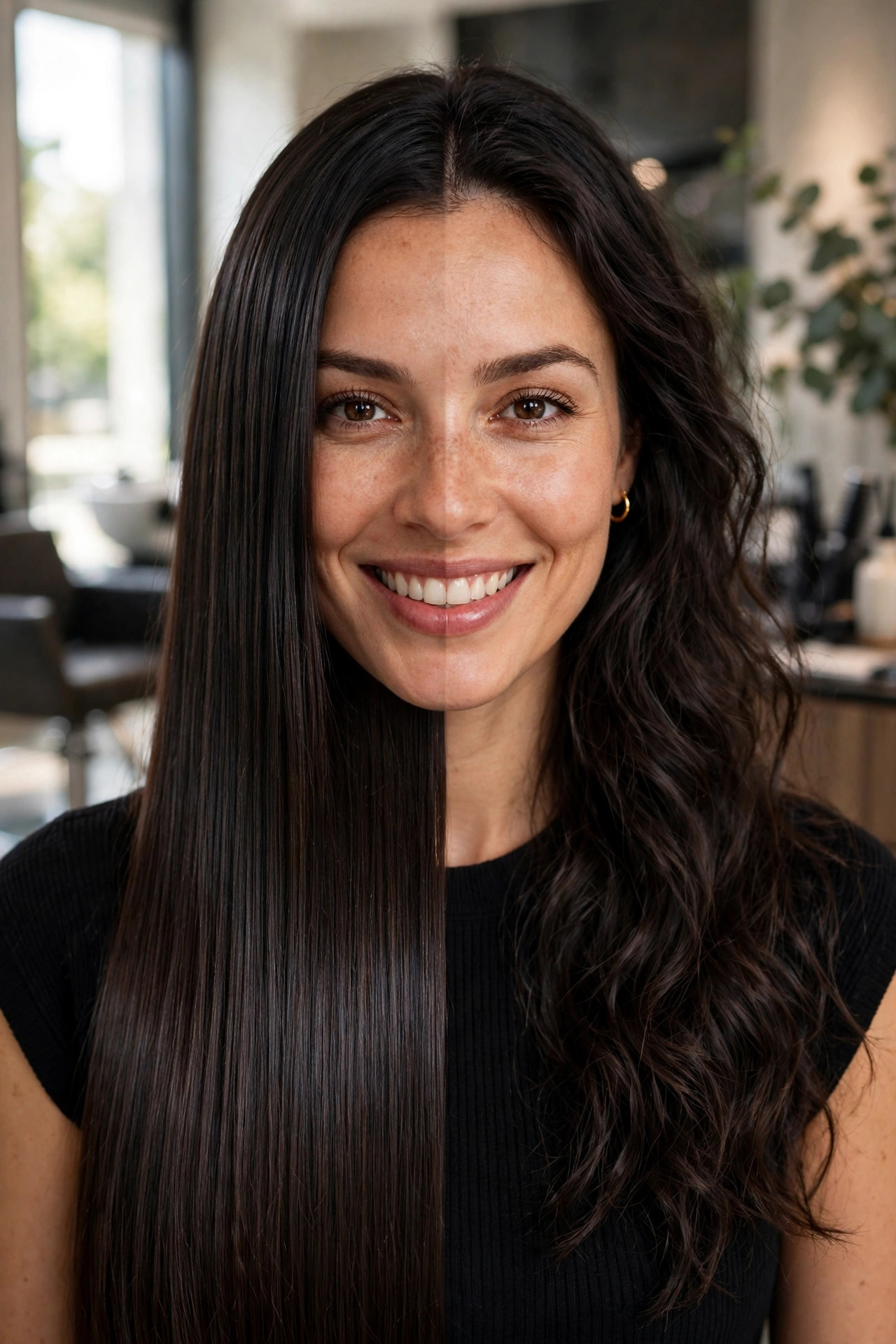
- Expect visibly smoother, shinier hair immediately after your first appointment.
- Take photos before and after so you can compare the real difference.
- Styling time usually drops by half once the treatment settles in.
- Results look most dramatic on frizzy, wavy, or previously damaged hair.
The before and after difference is the reason keratin treatments have such a loyal following. Before, hair may be frizzy, puffy, dull, and hard to manage, taking forty minutes or more to blow dry and straighten. After, the same hair falls smooth and glossy with a fraction of the effort, often drying naturally into a sleek shape. The change is immediate and obvious, which is why so many clients take photos at the salon. That first mirror moment, when you run your fingers through silk-smooth strands, is genuinely satisfying. It feels like a fresh start for tired hair.
Photos tell the story better than words, so ask your stylist to snap a few before the treatment begins. Compare the texture, shine, and shape a few days later once you can wash and style normally. Keep in mind that results vary with hair type: coarse and curly hair sees the most dramatic shift, while already straight hair mostly gains shine and softness. Either way, the improvement in manageability is real, and most clients say the convenience alone justifies the cost of the appointment. Many clients say they would happily book again for that feeling.
Salon Process Steps
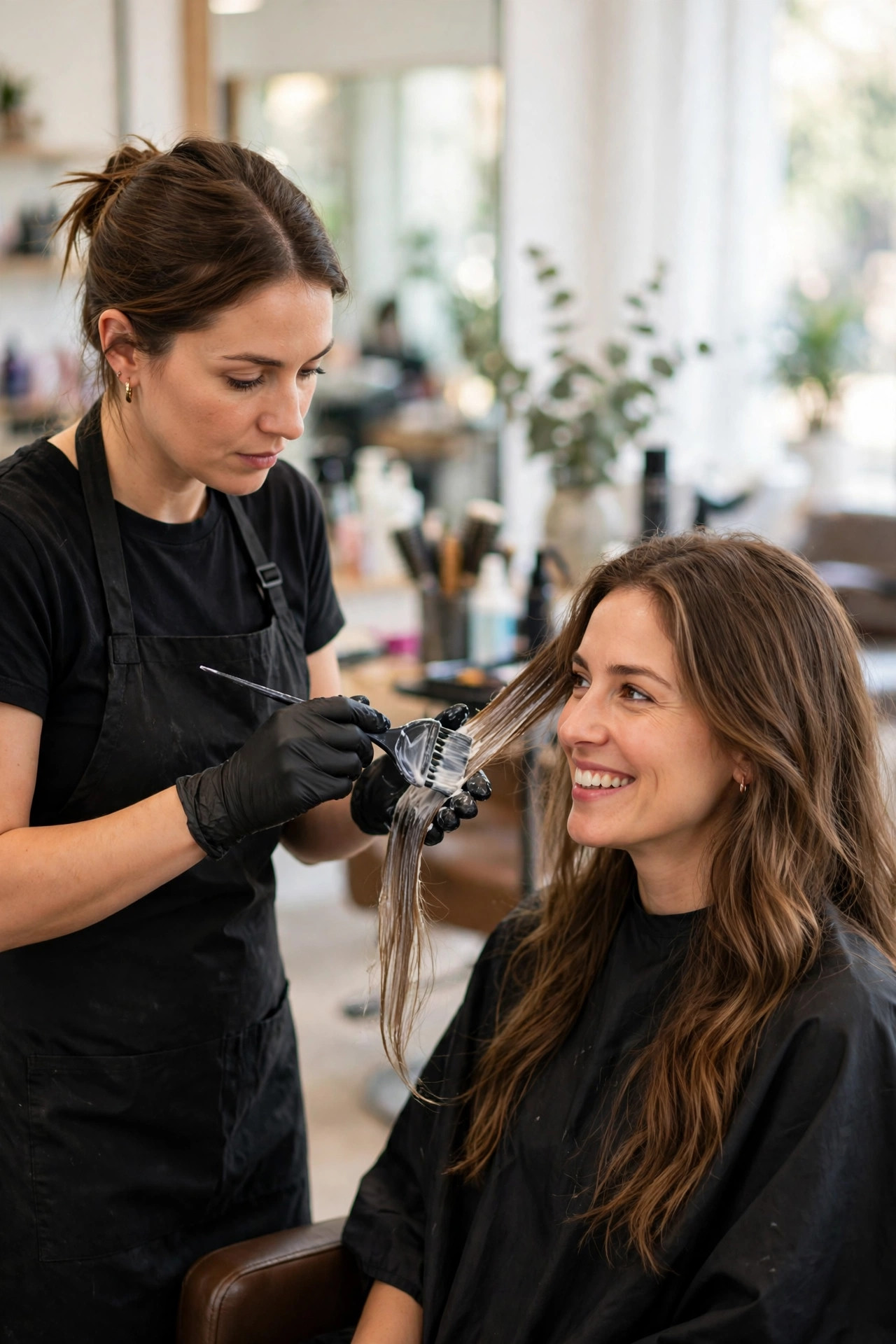
- Consultation first: your stylist checks hair type, damage, and color history.
- Hair is washed with clarifying shampoo, then the keratin formula is applied.
- Blow-drying and flat ironing seal the keratin into every strand.
- The whole appointment usually takes two to three hours from start to finish.
A keratin appointment follows a clear sequence, and knowing it helps you feel relaxed on the day. First comes a consultation, where the stylist examines your hair, asks about color treatments and past chemical services, and chooses the right formula strength. Next, your hair is washed with a clarifying shampoo to remove buildup and open the cuticle. The keratin solution is then brushed on in thin sections and left to process for about twenty to thirty minutes before the heat-sealing stage begins. Expect the salon to feel warm and steamy during this step.
The heat stage is where the magic happens: your stylist blow-dries the hair, then runs a flat iron over small sections at high temperature to lock the keratin inside the strands. This is also the stage that produces the most fumes, so a well-ventilated salon matters. Afterwards, you leave with sleek, glossy hair and a strict no-wash window of two to three days. For a full rundown of those first days, read our keratin treatment aftercare guide before your appointment so you know exactly what to expect. A little preparation makes the whole day far smoother.
Treatment Cost Breakdown

- Salon prices usually range from $300 to $800 depending on hair length and thickness.
- At-home kits cost less but deliver weaker, shorter-lived results.
- Factor in sulfate-free shampoo and conditioner, which the treatment requires.
- Tip your stylist and budget for a repeat treatment every three to five months.
Cost is the biggest question for most women considering this service, and the honest answer is that it varies widely. In the United States, a professional treatment typically runs from $300 to $800, with long or very thick hair landing at the higher end. Big-city salons and senior stylists charge more, while smaller salons may offer the same service for less. At-home kits cost a fraction of that, but the results are weaker and fade faster. If budget is tight, explore our guide to affordable keratin treatment options before deciding between salon and DIY.
Remember that the sticker price is only part of the total cost. You will also need sulfate-free shampoo and conditioner, which cost more than regular products, plus a deep conditioning mask for weekly use. Then there is the repeat appointment every three to five months to maintain the effect. Spread over the months it lasts, the daily cost is modest, roughly the price of a coffee, but the upfront payment can still sting. Weigh that against the hours you save styling each week before you commit. Honest math now prevents regret later.
Formaldehyde Safety Facts
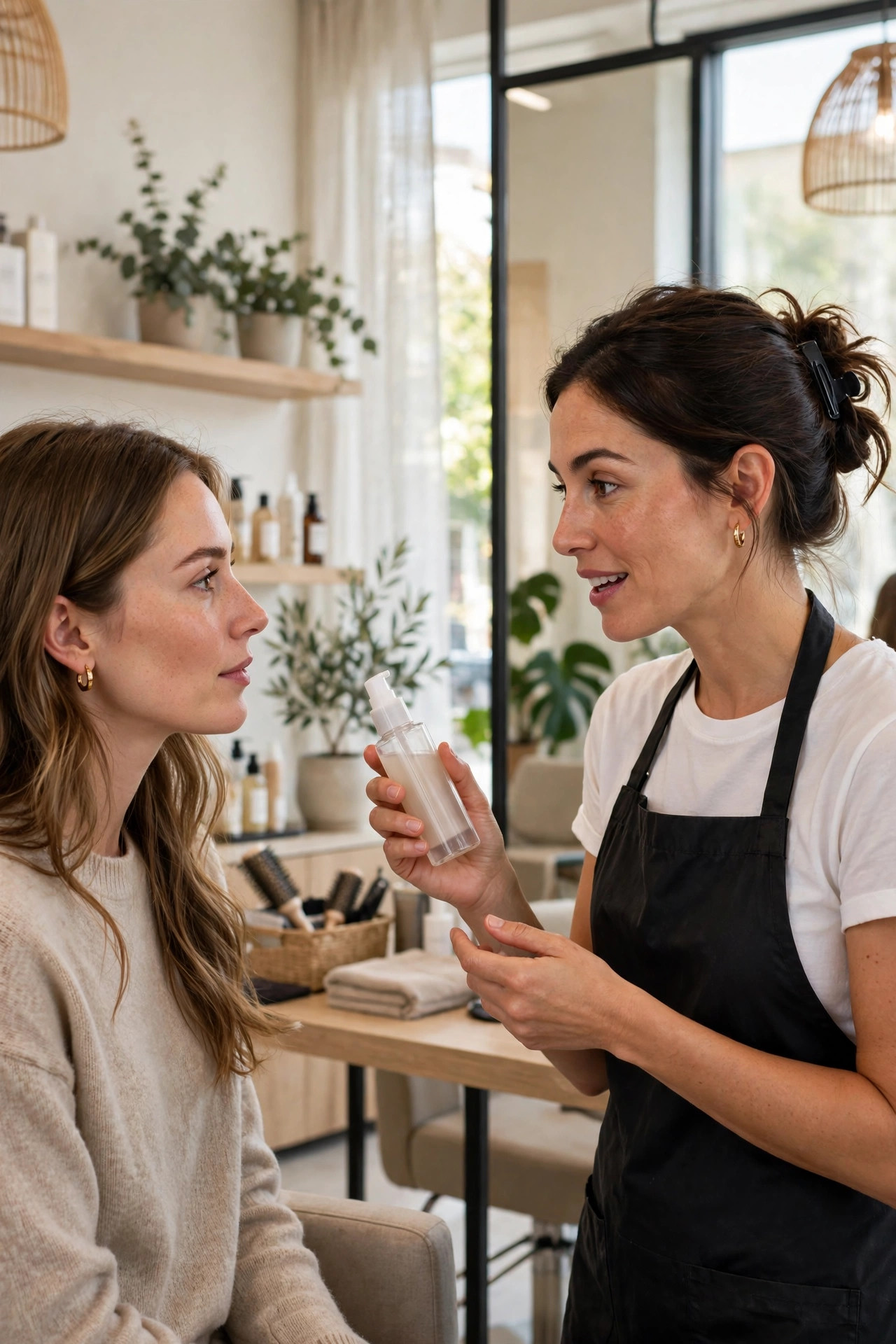
- Many formulas contain formaldehyde or chemicals that release it when heated.
- Formaldehyde fumes can irritate eyes, throat, and lungs during flat ironing.
- Ask for formaldehyde-free options and a well-ventilated salon room.
- Pregnant or breastfeeding women should skip the treatment and ask a doctor first.
Safety is the part of the keratin conversation that deserves honest attention. Many traditional formulas contain formaldehyde, or ingredients like methylene glycol that release formaldehyde gas when heated with a flat iron. Breathing those fumes can irritate the eyes, nose, and throat, and can trigger headaches or breathing problems, especially in a poorly ventilated room. The Healthline guide to keratin treatment pros and cons explains these risks clearly and is worth reading before you book. Always ask which product your salon uses. Your lungs will thank you for asking that simple question.
Formaldehyde-free formulas do exist, and they are the safer choice for most people, though they may straighten slightly less dramatically and fade a little faster. A good salon will tell you exactly which product it uses and show you the label if you ask. Make sure the room has strong ventilation or a fan running during the flat-iron stage, and speak up if the fumes bother you. If you are pregnant, breastfeeding, or have asthma, talk to your doctor first, because the safest treatment is the one you skip when your health says so.
Aftercare Essentials
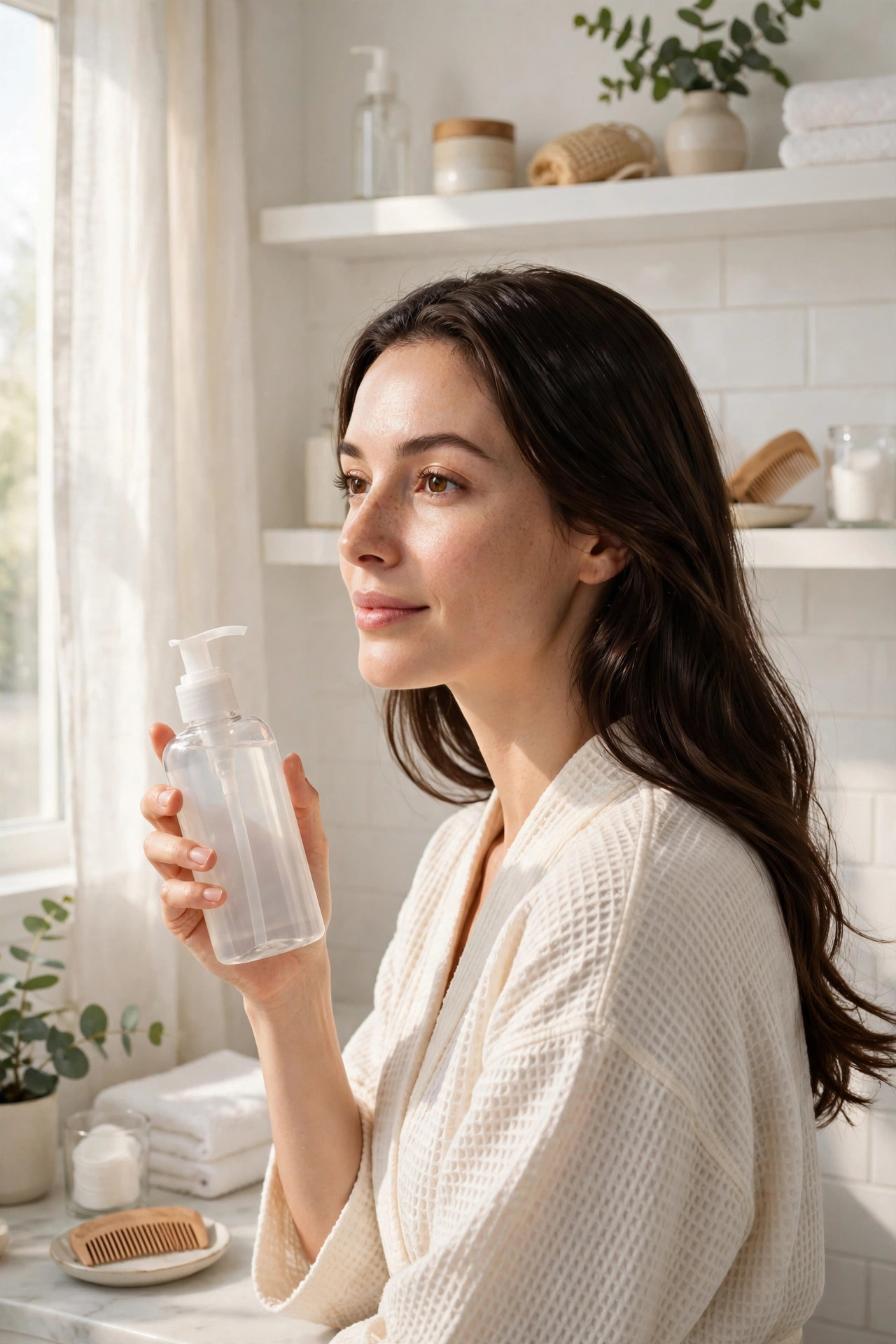
- Wait 48 to 72 hours before the first wash, and keep hair completely dry.
- Use only sulfate-free and sodium-chloride-free shampoo and conditioner.
- Avoid tight ponytails, clips, and tucking hair behind your ears at first.
- Skip swimming in chlorinated or salt water for at least two weeks.
Aftercare decides how long your smooth results actually last, so the first three days matter most. Do not wash your hair, get it wet in the rain, or work out hard enough to sweat for at least 48 to 72 hours after the appointment. Avoid ponytails, clips, hats, and tucking hair behind your ears, because any crease pressed into the hair during this window can set permanently. Sleep on a silk pillowcase if you have one, and keep your hair loose and straight while the keratin fully bonds to the strands.
Long-term care is simpler but just as important. Wash only two or three times a week with sulfate-free shampoo, and condition every time you wash to keep moisture locked in. A weekly deep mask keeps the lengths soft and shiny. Avoid chlorinated pools and salt water, or at least rinse immediately after swimming, since both strip the treatment fast. With gentle habits, most treatments last three to five months, and the effect fades evenly without any harsh grow-out line to worry about. Patience in those early days pays off for months afterward.
How Long Lasts

- Most treatments last three to five months with proper care and gentle washing.
- Results fade gradually, with frizz returning at the roots first.
- Washing less often and using sulfate-free products extends the effect.
- Wait at least four months between treatments to avoid over-processing hair.
A keratin treatment is semi-permanent, which means it slowly washes out rather than growing out with a hard line. Most people enjoy smooth, shiny results for three to five months, depending on hair type, the formula used, and how carefully they follow aftercare. Coarse or very curly hair may see the effect fade sooner, while fine or wavy hair often holds it longer. The fade is gentle: frizz creeps back at the roots first, then gradually through the lengths, so there is never an awkward regrowth stage to hide. That gentle fade is one of its biggest advantages.
Several habits can stretch the results further. Washing two or three times a week instead of daily makes a real difference, as does rinsing with lukewarm water rather than hot. Heat styling should stay light, since heavy flat ironing on treated hair can weaken the strands over time. Leave at least four to five months between appointments and repeat only when the hair feels strong and healthy. Over-processing with back-to-back treatments can cause breakage, which defeats the whole purpose of smoother, healthier-looking hair. Treat your hair kindly and it will reward you longer.
Keratin Versus Rebonding

- Keratin smooths and fades in months; rebonding permanently straightens until regrowth.
- Keratin keeps natural movement, while rebonding gives pin-straight, flat results.
- Rebonding uses stronger chemicals and carries a higher risk of damage.
- Choose keratin for manageability, rebonding only if you want permanently straight hair.
Keratin and rebonding both promise smoother hair, but they work in completely different ways. Keratin coats the hair shaft with protein and seals it with heat, softening frizz and waves for a few months before washing out gradually. Rebonding breaks the internal bonds of the hair and rebuilds them in a straight shape, which is permanent until new hair grows in. That permanence sounds appealing, but it comes with stronger chemicals, a longer appointment, and a much higher risk of breakage and damage. Both options demand commitment, but only one can be undone.
The right choice depends on what you actually want. If you love your natural texture but hate the frizz, keratin is the gentler, more flexible option, and you can change your mind in a few months. If you want permanently straight hair and are willing to accept the damage risk and the visible regrowth line, rebonding delivers that. Most stylists suggest trying keratin first, since it is reversible, less damaging, and still gives you the sleek, polished look for everyday life. You can always try rebonding later if keratin feels too subtle.
Who Should Skip

- Skip it if you are pregnant, breastfeeding, or have breathing problems like asthma.
- Very damaged, bleached, or snapping hair needs strengthening care first.
- Wait six to eight weeks after bleach or another chemical service.
- If you love tight curls, keratin will loosen them, so think carefully first.
Keratin is not right for everyone, and knowing when to skip it protects your hair and your health. Pregnant or breastfeeding women should avoid the treatment because of the formaldehyde fumes, and anyone with asthma or breathing problems should be cautious too. Hair that is already snapping, extremely porous after bleach, or freshly chemically treated needs six to eight weeks of strengthening care before another chemical service. Booking too soon can turn weak hair into breakage, which no smoothing treatment can fix. Waiting a little longer is always safer than rushing in.
Your personal style matters as well. If you adore tight, springy curls, remember that keratin will loosen them, sometimes more than expected, and you cannot undo it until it fades. Women who wash daily or swim often may also find the maintenance rules frustrating. A good stylist will be honest if the treatment is not your best option, and suggesting a deep conditioning routine or a gentler smoothing product instead. The best hair decision is always the one that fits your real life, not just the salon photo. Listen to your hair, and trust your stylist's honest advice.
So, what is a keratin treatment in simple terms? It is a semi-permanent smoothing service that restores lost protein, calms frizz, and gives hair a glossy, polished finish for three to six months. The results can feel life-changing if you battle humidity, long drying times, or unruly waves every morning. Still, the cost, the waiting period before washing, and formaldehyde concerns mean it is not right for everyone. Talk honestly with your stylist about your hair type, health, and budget before booking. With the right formula and careful aftercare, smooth, shiny, low-maintenance hair is absolutely within reach.
FAQ
How long do keratin treatments last?
Most salon treatments last three to five months, depending on your hair type and aftercare habits. Washing two or three times a week with sulfate-free shampoo helps the effect last longer, while daily washing, swimming, and heat styling shorten it. The results fade evenly, so frizz returns gently at the roots first.
Can I wash my hair after a keratin treatment?
Wait 48 to 72 hours before the first wash, unless your stylist used an express formula with a shorter window. Getting hair wet too soon can wash out the keratin before it fully bonds, leaving patchy or frizzy spots. After the waiting period, use sulfate-free shampoo and lukewarm water to protect the smooth finish.
Is keratin treatment safe for thin or fine hair?
Yes, with the right formula and a skilled stylist. A lightweight treatment smooths fine hair without weighing it down, adding shine and the look of fullness. Ask for less product near the roots so they keep their lift, and skip the treatment if your hair is already weak, snapping, or freshly bleached.
Does keratin treatment damage your hair?
The treatment itself strengthens hair by filling weak spots in the cuticle, but high flat-iron heat can damage already fragile strands. Formaldehyde fumes are the bigger concern, so choose a formaldehyde-free formula and a ventilated salon. Space treatments four to five months apart and keep up with masks and gentle care.