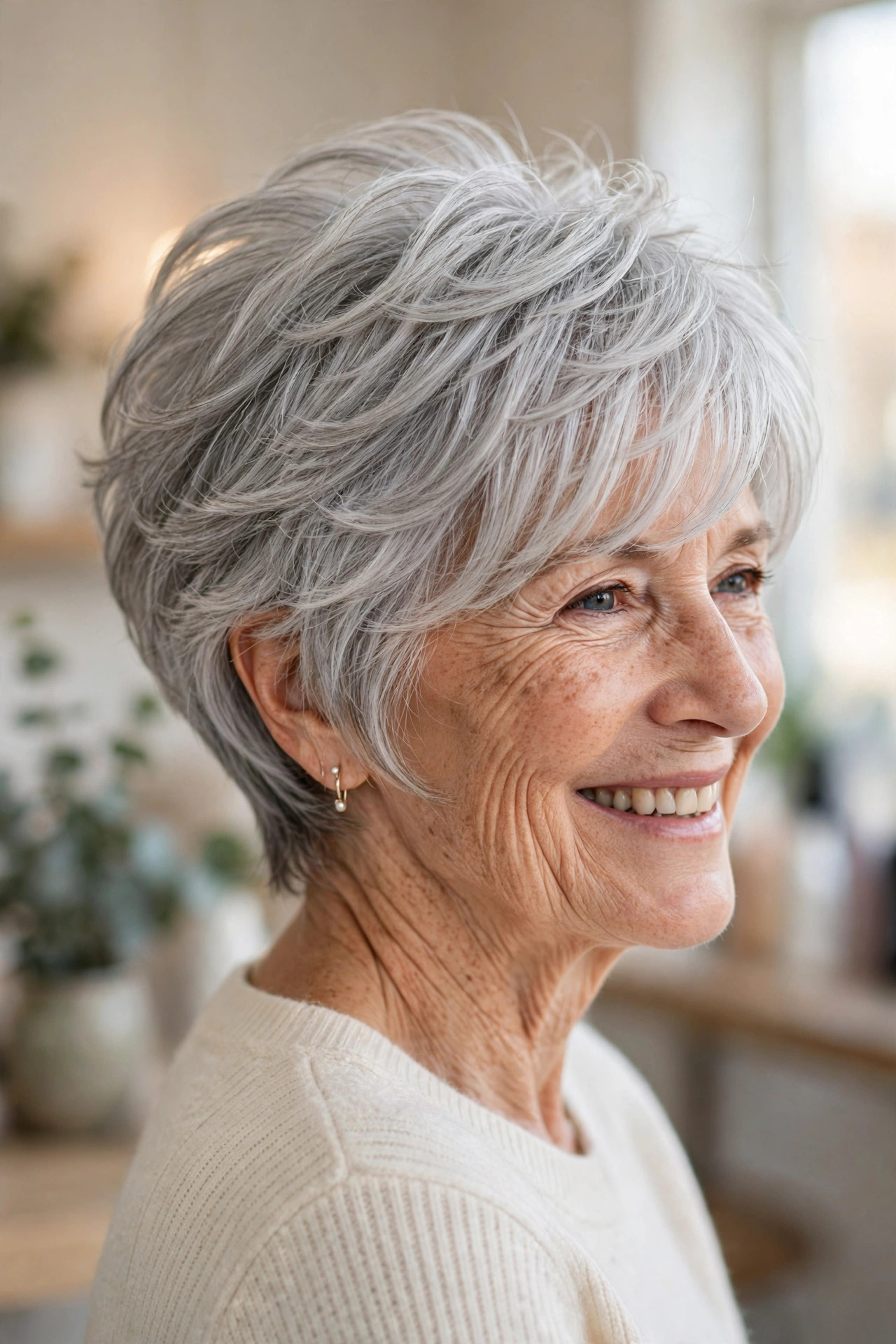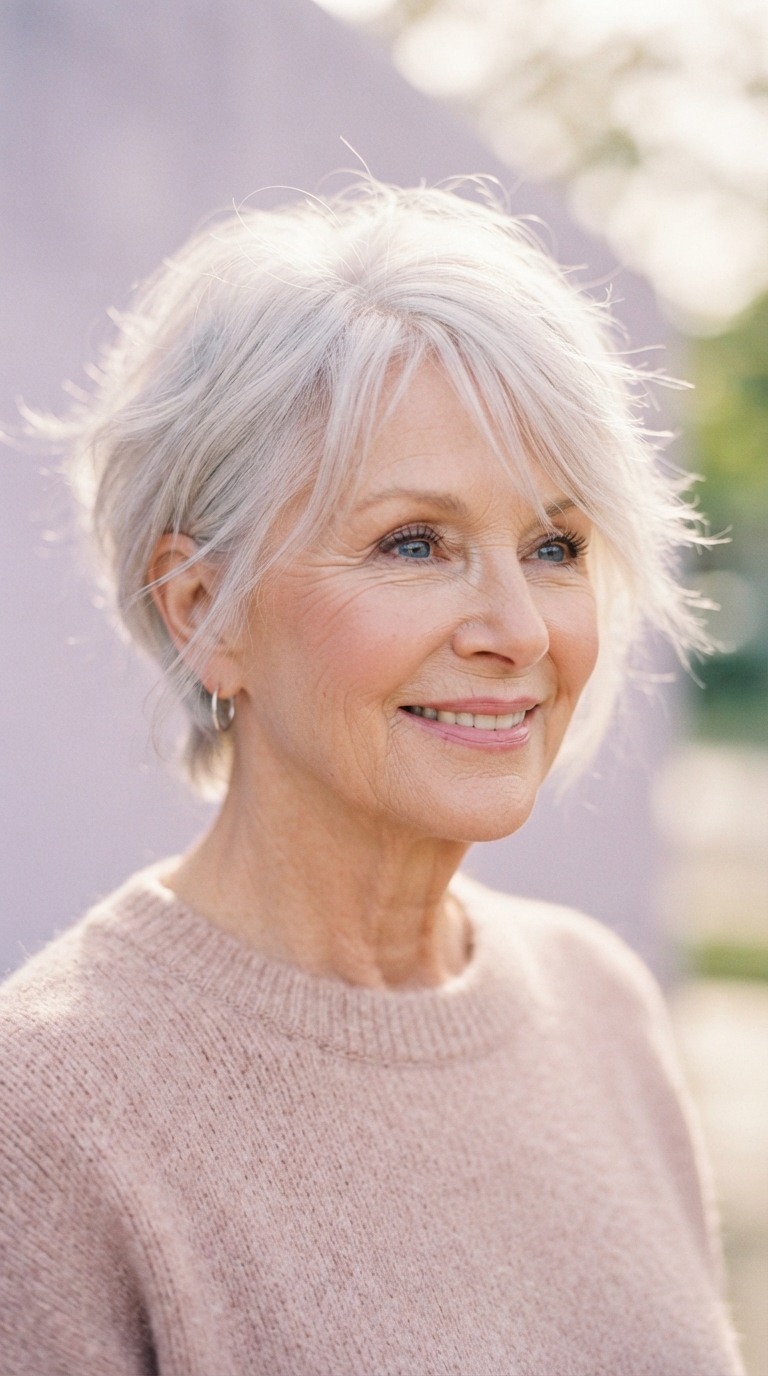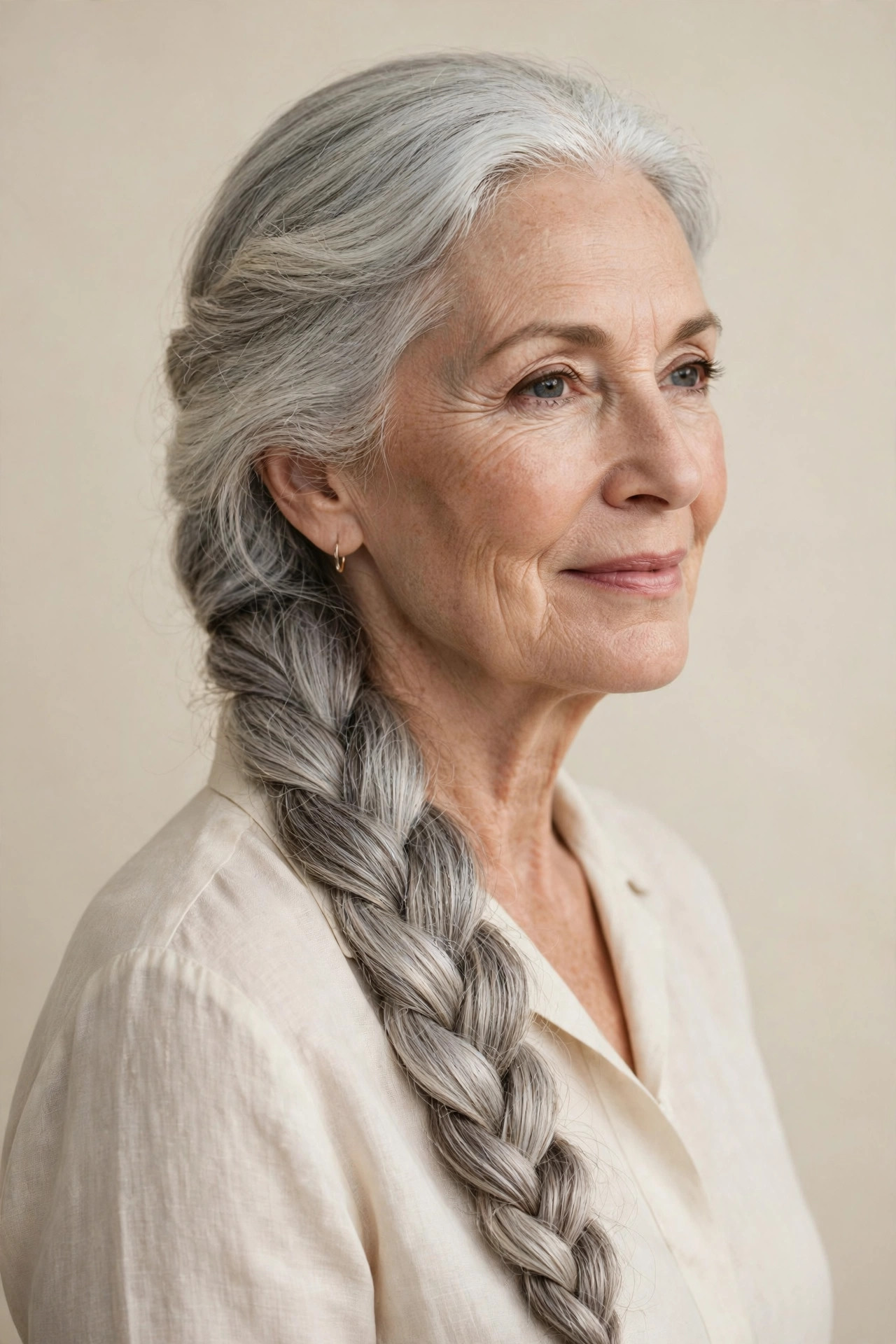
If your mornings feel like a battle with flyaways and puffiness, low maintenance haircuts for frizzy hair can change everything by working with your natural texture instead of fighting it every single day. The right shape removes bulk where it causes swelling, keeps weight where it calms volume, and lets waves and curls fall into a soft, intentional pattern. You do not need a long styling routine, expensive tools, or daily heat to look polished. In this guide, you will find twenty easy-care cuts for short, medium, and long lengths, plus simple styling tips that help texture look smooth, defined, and beautiful. For more texture-friendly inspiration, explore these shag haircuts for women that celebrate natural movement and relaxed, lived-in layers.
Soft Textured Bob

- Feathered ends stop the blunt, boxy shape that makes texture puff outward.
- Chin-to-jaw length keeps drying time short and styling simple every morning.
- A light curl cream scrunched into damp hair defines waves without stiffness.
- Ask for soft internal texture, not harsh thinning, to protect fragile ends.
A soft textured bob is one of the easiest ways to make unruly texture look deliberate. The feathered ends break up a heavy perimeter, so waves can move freely instead of stacking into a solid triangle shape. Because the length sits near the chin or jaw, it dries quickly and needs very little manipulation. Scrunch a pea-sized amount of curl cream through damp strands, let the hair air-dry, and gently shake out the roots once fully dry. This cut suits wavy and loosely curly textures best, and it grows out gracefully between appointments without losing its soft, rounded silhouette.
To keep this bob looking fresh, ask your stylist for long, blended layers that sit inside the shape rather than short, choppy pieces on top. Short top layers can lift and swell in humidity, while longer internal layers remove weight quietly and preserve movement. Use a microfiber towel or cotton T-shirt to blot excess water, never a rough terry towel that raises the cuticle. A weekly deep-conditioning mask keeps ends supple, and a trim every eight to ten weeks prevents split ends from travelling upward. On second-day hair, a light mist of water and cream revives the shape in minutes.
Layered Collarbone Lob

- Collarbone length uses natural weight to pull swelling downward and calm volume.
- Long layers remove bulk without creating short, flyaway pieces around the crown.
- The shape works beautifully air-dried, loosely waved, or tied back quickly.
- A side or centre part changes the look without any extra styling effort.
A layered collarbone lob strikes a perfect balance between manageability and versatility for textured hair. The length is long enough that gravity helps settle the cuticle and reduce puffiness, yet short enough to dry faster than very long hair. Long, seamless layers take out hidden bulk, especially underneath, so waves cluster naturally instead of expanding outward. Style it by raking leave-in conditioner through wet hair, scrunching gently, and allowing it to dry untouched. The result is soft, touchable movement that still looks polished for work, weekends, and special occasions alike.
Maintenance stays refreshingly simple with this length, because the shape does not collapse if you skip a wash day. A loose low bun or braid keeps texture contained overnight, and a silk pillowcase reduces friction that creates morning frizz. When you need extra polish, smooth only the front sections with a round brush and leave the back natural for contrast. Avoid razors and aggressive thinning shears, which can create short broken strands that stick up within weeks. Instead, request scissor-cut layers and a dusting trim every eight weeks to keep ends neat.
Long Feathered Layers

- Feathered ends create movement while keeping the length you love intact.
- Weight from long hair helps smooth the top layer and tame daily puffiness.
- Layers start below the chin, so the crown stays calm and controlled.
- Braids and buns are easy, making busy mornings much less stressful.
Long feathered layers are ideal when you love length but hate the heavy, shapeless feeling that textured hair can develop. By feathering only the ends and the outer lengths, your stylist creates soft movement without sacrificing the weight that keeps frizz grounded. The layers should begin at or below chin level, which protects the crown from unwanted lift and keeps the overall silhouette long and fluid. Apply a smoothing cream to damp lengths, comb through with a wide-tooth comb, and let the hair dry naturally for gentle, cascading waves with a polished finish.
This cut rewards a simple, consistent routine more than complicated styling. Wash two or three times per week with a moisturising shampoo, condition generously from mid-lengths to ends, and detangle only while conditioner is in the hair. A small amount of lightweight oil on fully dry ends seals the cuticle and adds shine without greasiness. Sleep with hair in a loose braid to prevent tangles and friction overnight. Regular dusting trims, about every ten weeks, keep feathered ends from splitting and preserve the soft, flowing shape beautifully for many weeks ahead.
Curly Modern Shag

- Choppy layers let curls spring up naturally instead of being weighed down flat.
- A shag shape turns natural volume into intentional, fashionable texture.
- Shorter crown layers add height without needing teasing or heavy products.
- Air-drying with curl cream gives definition in under ten minutes.
A curly modern shag embraces the very texture many cuts try to suppress, turning volume into a stylish advantage. Choppy, well-placed layers allow each curl group to form its own shape, so the hair looks lively rather than dense or triangular. The crown gets gentle lift, the sides stay controlled, and the ends finish with a soft, piecey edge that feels current and relaxed. For styling, apply curl cream to soaking-wet hair, scrunch upward, and avoid touching the curls while they dry. Once dry, scrunch out any crunch for soft, touchable bounce that lasts all day.
The key to a wearable shag is balance, because too many short layers can create unwanted width at ear level. Ask your stylist to cut curls dry or in their natural state, so each layer falls exactly where it will live day to day. Keep face-framing pieces longer than cheekbone length if humidity makes short pieces swell quickly. A diffuser on low heat can speed drying without disturbing curl clumps, and a silk scarf or bonnet protects the shape overnight. Trim every eight to twelve weeks to maintain the layered outline and prevent ends from looking ragged.
Wavy Shoulder Shag

- Shoulder length keeps the cut light, quick to dry, and easy to refresh.
- Textured layers prevent the dreaded triangle shape in wavy, thick hair.
- Curtain pieces soften the face without needing daily heat styling.
- Sea-salt spray or cream enhances waves in just a few minutes.
A wavy shoulder shag is a brilliant middle ground for women who want movement without committing to very short hair. The layers are cut to encourage natural wave patterns, so the hair falls with gentle bends rather than a single heavy sheet. Shoulder length also means less drying time, less product, and easier updos on days when texture feels unpredictable. Work a lightweight mousse or cream through damp hair, twist a few front sections away from the face, and let everything dry naturally. The finished look is tousled, modern, and intentionally undone rather than messy.
To avoid excess puffiness, keep the shortest layers at cheekbone level or below, and ask for point-cut ends rather than a razor finish. Razor cutting can roughen the cuticle and make wavy strands more prone to flyaways over time. For extra guidance on gentle, dermatologist-approved care, read these curly hair tips from dermatologists before changing your wash routine or products. Between cuts, refresh waves with a water-and-cream mist, and sleep on a satin pillowcase to reduce friction. A trim every eight weeks keeps the shag shape crisp without constant salon visits.
Tapered Curly Crop

- Tapered sides pull width inward, so curls look shaped rather than puffy.
- A fuller crown keeps height and personality in a short, easy cut.
- Washing and drying take minutes, ideal for very busy mornings.
- Curl cream alone is usually enough for daily definition and shine.
A tapered curly crop gives tight curls and coils a clean, sculpted silhouette without demanding daily styling. The sides are gradually shortened, which removes the side bulk that makes short curly hair expand outward, while the crown keeps enough length for beautiful curl definition. This contrast creates a deliberate shape that looks polished even when you simply wash and go. Apply leave-in conditioner and curl cream to wet hair, define a few curl clumps with your fingers, and let the hair dry untouched. The result is a modern, confident cut with real structure.
Because the taper grows out faster than longer cuts, plan a shape-up every four to six weeks to keep the sides neat. That short appointment is usually quick and inexpensive, and it prevents the crop from losing its clean outline. Between visits, protect curls at night with a satin bonnet or scarf, and refresh with a light water mist in the morning. Avoid heavy butters on the crown if they weigh curls down, and choose a lightweight cream instead. With the right taper, short curly hair feels liberating, stylish, and remarkably simple to maintain daily.
Air-Dry Wavy Lob

- Designed specifically to look good with zero heat and minimal effort.
- Blended layers help waves dry into soft, even bends every time.
- A leave-in cream is often the only product this cut needs.
- The lob length still allows ponytails, braids, and half-up styles.
An air-dry wavy lob is built around one promise: you wash, apply product, and walk away while your hair does the work. Blended layers are placed so waves fall in a consistent pattern instead of flipping randomly, which means the cut looks intentional even without blow-drying or straightening. Start with a moisturising shampoo and conditioner, rake a lightweight air-dry cream through damp hair, and scrunch gently from ends toward roots. Do not brush the hair once it begins drying, because brushing breaks wave clumps and invites frizz. The lob finishes soft, touchable, and naturally polished.
Humidity is the biggest test for any air-dry cut, so a humidity-resistant cream or light gel cast can help on damp days. Apply product to soaking-wet hair for the most even distribution, then plop briefly in a microfiber towel to remove excess water without friction. Once hair is completely dry, scrunch out any stiffness for movement and shine. This cut also grows out beautifully, stretching trims to ten weeks without losing shape. If waves fall flat at the roots, flip hair upside down while damp and scrunch again for gentle, lasting lift.
Blunt-End Soft Bob

- A clean perimeter gives fine, wavy texture a fuller, thicker appearance.
- Hidden internal layers remove bulk without visible choppy lines.
- The bob looks sleek with a quick smooth-dry or naturally air-dried.
- Regular dusting trims keep the blunt edge looking sharp and healthy.
A blunt-end soft bob sounds counterintuitive for textured hair, yet it works beautifully when internal texture is handled correctly. The visible perimeter stays clean and full, which is especially flattering for finer wavy hair that can look thin with too many layers. Underneath, subtle internal layers remove weight quietly, preventing the bob from swelling into a wide, boxy shape. Style it by smoothing a cream through damp hair and letting it air-dry, or rough-dry with your fingers for a soft, lived-in finish. The clean edge makes the whole look feel intentional and chic.
The success of this bob depends on precise cutting and gentle daily care. Ask for scissor-cut internal layers only, and avoid thinning shears near the perimeter, because short pieces there can poke out as flyaways. Use a sulfate-free shampoo and a rich conditioner to keep the cuticle smooth, and detangle with a wide-tooth comb while conditioner is still in. A tiny drop of serum on dry ends adds polish without weighing hair down. Trim every six to eight weeks to preserve the blunt line, since even small split ends can make a clean bob look fuzzy.
Tousled Shaggy Pixie

- Short length dramatically cuts washing, drying, and styling time each day.
- Piecey layers make natural texture look like a style choice, not frizz.
- A dab of texture paste gives definition without stiff, crunchy hold.
- The cut grows out softly, so regrowth looks relaxed rather than awkward.
A tousled shaggy pixie is the ultimate wash-and-go option for women ready to embrace short, textured hair. The piecey layers create separation and movement, so waves and curls form a lively, tousled finish instead of a flat cap. Because the hair is short, it dries in minutes and needs only a small amount of product to look finished. Rub a pea-sized amount of lightweight paste between your palms, pinch a few ends for definition, and leave the rest untouched. The result is youthful, edgy, and surprisingly versatile for both casual days and dressier evenings.
Short textured pixies do need more frequent trims than longer cuts, usually every five to seven weeks, to keep the shape from growing heavy at the back. That small commitment is balanced by almost no daily styling time, which many women find liberating. Keep the fringe longer and softer if you want flexibility, or shorter and piecey for a bolder look. On humid days, a light anti-frizz cream smoothed over the surface controls flyaways without flattening texture. Sleep on a silk pillowcase to preserve the tousled shape and reduce morning bedhead.
Rounded Layered Bob

- A rounded shape hugs the head softly instead of expanding outward widely.
- Gentle layers add swing and movement to thick, wavy hair.
- The bob frames the face beautifully with very little daily styling.
- Air-drying keeps the curve soft, while a quick brush smooths the surface.
A rounded layered bob proves that a classic shape can still feel fresh, soft, and wonderfully easy when it is cut for texture. Among the many low maintenance haircuts for frizzy hair, this one stands out because its curved outline controls volume while keeping a feminine, polished silhouette. Layers are stacked gently underneath, so the bob swings rather than puffs, and the ends curve inward naturally as they dry. Apply a smoothing cream to damp hair, tuck the ends under slightly with your fingers, and let the shape set on its own. The finish is neat, bouncy, and effortlessly elegant.
To maintain the rounded curve, ask your stylist to keep the back slightly shorter than the front, which encourages the ends to turn under naturally. Avoid heavy layering at the crown, because short pieces there can lift and break the smooth, rounded line. A round brush can be used only on the front sections if you want extra polish, while the back is left to air-dry for a softer contrast. Use a moisturising mask weekly to keep the curve supple, and trim every seven to nine weeks. This timeless bob suits oval, round, and heart-shaped faces especially well.
Wispy Curtain Lob

- Curtain pieces open the face and soften strong features beautifully.
- Wispy ends keep the lob light, even on thick, dense hair.
- Bangs can be tucked behind ears on days you want them hidden.
- A quick scrunch with cream is usually all the styling needed.
A wispy curtain lob adds a romantic, face-framing touch to an already easy length. The curtain pieces are cut longer and softer than traditional bangs, so they blend into the lob instead of demanding daily straightening or pinning. When humidity hits, these longer pieces are far more forgiving than short, blunt fringe, because they can be swept to the sides or tucked away. Style by applying cream to damp hair, parting in the centre, and allowing the curtain sections to dry naturally around the cheekbones. The effect is soft, flattering, and beautifully low effort.
For the most forgiving grow-out, ask for curtain layers that start at cheekbone level or lower, and keep the ends wispy rather than blunt. Short curtain pieces can frizz first in damp weather, so longer pieces are the safer choice for textured hair. If a piece misbehaves, twist it gently away from the face while damp and let it set. A light-hold spray can help on very humid days without making hair stiff. Trim the curtain sections slightly more often than the lob itself, about every six weeks, to keep the face-framing shape fresh and balanced.
Deep Internal Layers

- Hidden layers remove weight from inside without changing the outer length.
- The surface stays smooth, so hair looks sleek even when air-dried.
- Thick hair feels lighter, dries faster, and holds its shape longer.
- No visible short layers means no extra flyaways around the crown.
Deep internal layers are a secret weapon for thick, textured hair that looks heavy and shapeless despite regular cuts. Instead of cutting visible layers into the surface, your stylist removes bulk from underneath, leaving the outer lengths long and smooth. This hidden structure lets waves and curls move freely while the top layer stays calm and polished. The cut is especially helpful for women who want to keep their length but need relief from weight and drying time. Apply leave-in conditioner to damp hair, detangle gently, and air-dry for a sleek, controlled finish with natural movement.
Because internal layers are invisible, the grow-out is exceptionally graceful, often stretching to ten or twelve weeks between appointments. The key is asking specifically for internal layering rather than traditional surface layers, and avoiding thinning shears that can create short, fuzzy pieces. A moisturising routine matters too, because thick hair needs hydration to stay soft rather than dry and expansive. Use a rich conditioner, seal ends with a drop of oil, and sleep with hair loosely braided. The result is lighter, smoother hair that still looks long and luxurious every day.
Beachy Long Layers

- Long layers create that relaxed beach texture without daily heat styling.
- Salt spray or curl cream enhances natural waves in minutes.
- Length keeps hair versatile for braids, buns, and loose waves.
- The style looks better slightly undone, so perfection is not required.
Beachy long layers turn natural wave and texture into a carefree, holiday-inspired look that works beyond summer. The layers are long and staggered, so waves form soft bends rather than uniform curls, which makes any frizz read as texture instead of a flaw. Scrunch a sea-salt spray or curl cream into damp hair, twist a few sections loosely, and let the hair dry in the open air. The finished style is tousled, touchable, and full of movement, yet it requires almost no tools and very little time. It is an ideal choice for women who prefer a relaxed, natural aesthetic.
To keep beachy layers from turning dry or tangled, focus on moisture and gentle handling above all else. Use a hydrating shampoo and conditioner, detangle only with fingers or a wide-tooth comb, and avoid brushing dry waves, which separates them into frizz. A weekly hair mask restores softness, especially if you spend time in sun or salt water. Sleep with a loose braid to protect lengths overnight, and refresh second-day waves with a light mist of water and cream. Trim every ten weeks to remove split ends while preserving the long, flowing layers.
Soft Side-Part Bob

- A deep side part instantly adds volume at the roots without teasing.
- The asymmetry distracts from uneven texture on humid days.
- One side tucks neatly behind the ear for a polished finish.
- Changing the part refreshes the whole cut without a salon visit.
A soft side-part bob is a simple styling trick disguised as a haircut, because the part alone transforms how texture behaves. Sweeping hair to one side creates natural root lift on the heavier side, while the lighter side stays neat and controlled. This asymmetry is especially useful on humid days, when one section may swell more than the other, because the eye follows the clean part line rather than uneven volume. Apply cream to damp hair, create a deep side part with your fingers, and let the bob dry naturally. The result is elegant, modern, and surprisingly effortless.
The bob itself should have soft, blended ends and gentle internal texture to prevent a boxy outline. Ask your stylist to keep the front slightly longer than the back, which helps the side-swept section fall gracefully across the cheek. If roots fall flat, flip the part to the opposite side while hair is damp for instant lift. A small amount of root powder or dry shampoo can add grip on second-day hair without washing. Trim every seven to nine weeks to keep the perimeter neat, and use a silk pillowcase to preserve the part and reduce overnight friction.
Voluminous Curly Lob

- Shoulder length gives curls room to spring without becoming unmanageable.
- Layers are spaced to support volume evenly from roots to ends.
- Curl cream and gel together define ringlets and control humidity.
- The lob still ties back easily on very hot or busy days.
A voluminous curly lob celebrates big, beautiful curls instead of trying to flatten them into submission. The shoulder length is long enough for curls to form full ringlets, yet short enough to avoid the weight that pulls curls straight at the roots. Layers are spaced carefully so volume builds gradually, rather than exploding at one level, which keeps the shape balanced and wearable. Apply curl cream and a light gel to soaking-wet hair, scrunch upward, and diffuse on low heat or air-dry completely. The result is bouncy, defined curls with a joyful, confident silhouette.
Humidity control starts with product applied to very wet hair, because dry application cannot seal the cuticle as effectively. Work in sections for thick curls, ensuring every strand receives cream and gel before drying begins. Once curls are fully dry, break any gel cast gently by scrunching with a drop of oil on your hands. Avoid touching curls during the day, since handling separates clumps and invites frizz. A pineapple updo or satin bonnet protects volume overnight, and a trim every eight to ten weeks keeps the lob shape full, healthy, and beautifully rounded.
Choppy Shoulder Cut

- Choppy ends create instant texture, so styling can stay minimal.
- Shoulder length is light, quick to wash, and easy to tie back.
- The cut suits wavy and loosely curly textures especially well.
- Texture spray adds separation without heavy or sticky products.
A choppy shoulder cut is perfect for women who like a little edge without a high-maintenance routine. The textured ends break up the perimeter, so waves fall with lively separation instead of a single heavy block. Shoulder length keeps washing and drying quick, while the choppy finish means the hair looks styled even when you have only applied cream and walked out the door. Scrunch product through damp hair, allow it to air-dry, and pinch a few ends for extra definition. The result is modern, playful, and refreshingly uncomplicated for everyday wear.
The difference between chic choppy texture and messy ends is careful placement, so ask for point-cutting rather than razor work on textured hair. Razors can fray the cuticle and increase frizz over time, while point-cutting creates soft separation with a healthier finish. Keep the shortest choppy pieces at jaw level or below to avoid crown swelling in humidity. A lightweight texture spray can revive second-day hair, and a trim every eight weeks maintains the choppy outline. With gentle care, this cut stays fun, fresh, and easy through every season with minimal effort.
Sleek Collarbone Cut

- Collarbone length is long enough to smooth easily with minimal heat.
- A clean shape looks polished for work without daily salon styling.
- Smoothing cream controls the surface while keeping natural movement.
- The cut grows out gracefully, stretching time between appointments.
A sleek collarbone cut offers a polished alternative for textured hair that does not want to look tousled every day. The length provides enough weight to keep the top smooth, while the clean perimeter creates a refined, intentional silhouette. On days when you want extra sleekness, rough-dry hair with a paddle brush and smooth only the outer layer, leaving inner texture untouched for natural fullness. A smoothing cream applied to damp lengths helps the cuticle lie flat and reduces flyaways. The overall effect is elegant and office-ready, yet it still takes only a few minutes to achieve.
To avoid a flat, lifeless result, ask for very subtle internal layers that preserve movement beneath the smooth surface. Without them, thick textured hair can feel heavy and difficult to dry evenly. Use a heat protectant whenever you use a brush dryer or flat iron, and keep heat on a low or medium setting to protect the cuticle. A weekly conditioning treatment keeps the sleek finish soft rather than stiff, and a trim every eight to ten weeks maintains the clean collarbone line. On no-heat days, simply air-dry with cream for a softer version of the same cut.
Textured Wavy Pixie

- Longer top layers give styling flexibility in a very short cut.
- Wavy texture adds natural lift, so no backcombing is needed.
- Drying takes only minutes, making mornings much easier.
- A little cream defines waves without weighing the pixie down.
A textured wavy pixie keeps the top longer than a classic pixie, which gives wavy hair room to form soft bends instead of sticking out unpredictably. The sides stay neat and close, so the overall shape remains clean, while the longer crown provides movement and styling options. You can sweep the top forward, to the side, or tousle it for a relaxed finish, all with a single product. Apply a lightweight cream to damp hair, tousle gently with your fingers, and let it dry naturally. The cut feels bold, modern, and wonderfully freeing for women tired of long styling routines.
Pixies grow out quickly, so a trim every five to six weeks keeps the shape intentional rather than shaggy, unless you prefer a softer grow-out. The appointment is usually short, and the daily time saved more than makes up for it. Keep the fringe soft and slightly longer if you want to tuck it aside on humid days, and avoid heavy waxes that can make short waves look greasy. A satin pillowcase reduces overnight friction and preserves the textured top. With minimal effort, this pixie delivers maximum personality and a fresh, confident look every morning.
Loose Spiral Layers

- Layers let spiral curls form individually instead of merging into bulk.
- Long length keeps spirals elongated and elegant rather than puffy.
- Curl cream on wet hair defines spirals with minimal effort.
- The shape looks romantic and polished for both casual and formal days.
Loose spiral layers are designed for curl patterns that naturally form soft spirals but lose definition when cut bluntly. By layering the lengths, each spiral gets space to coil on its own, which prevents the hair from merging into one dense, triangular mass. The long length also helps elongate the curls, so the silhouette stays elegant rather than wide. Apply curl cream to soaking-wet hair in sections, gently encourage each spiral with your fingers, and avoid separating curls while they dry. The result is romantic, defined, and surprisingly easy to maintain with a simple wash-and-go routine.
Spiral hair needs moisture more than styling, so a rich conditioner and leave-in cream are essential for lasting definition. Detangle only while conditioner is in the hair, using fingers or a wide-tooth comb, and never brush dry spirals, which will turn them into frizz. Diffuse on low heat if you need faster drying, or air-dry fully for the softest finish. Protect spirals overnight with a satin bonnet or loose pineapple updo, and refresh in the morning with a water-and-cream mist. Trim every ten weeks to keep layers fresh and ends healthy.
Classic Shoulder Lob

- A timeless shape that never looks dated or over-styled.
- Shoulder length balances easy care with styling versatility.
- Gentle layers add movement without creating visible choppiness.
- The lob works for straight, wavy, and loosely curly textures alike.
A classic shoulder lob is the reliable, timeless choice that suits almost every face shape and texture, which is why it never truly goes out of style. The length sits gracefully at the shoulders, offering enough weight to calm surface frizz while remaining light enough to dry quickly. Gentle layers add subtle movement without visible choppiness, so the hair looks polished whether air-dried or lightly smoothed. Apply leave-in conditioner to damp hair, scrunch or smooth as preferred, and let the lob fall naturally. It is a calm, confident cut for women who want beauty without fuss.
What makes this lob so enduring is its flexibility, because it adapts to changing routines, seasons, and occasions without a complete restyle. Wear it loose for everyday polish, tuck one side behind the ear for a sleeker look, or pull it into a low ponytail in seconds. For more length inspiration, see these medium-length shag styles that pair with shoulder-length texture. Keep the ends healthy with regular trims every eight to ten weeks, use a moisturising mask weekly, and sleep on satin to preserve smoothness. Simple, classic, and wearable, this lob is a perfect finish to the list.
Choosing the right cut is less about fighting texture and more about giving it a shape that works on busy, real-life mornings. From soft bobs and shoulder lobs to shags, pixies, and long layers, the best low maintenance haircuts for frizzy hair share one secret: they remove bulk wisely, protect the cuticle, and let waves and curls fall naturally. Pick the length that fits your routine, ask your stylist for scissor-cut layers, and keep care simple with moisture, gentle drying, and regular trims. Your hair will look intentional, healthy, and beautiful with far less effort every day.
FAQ
How do I keep a new cut from getting puffy in humidity?
Apply cream or light gel to soaking-wet hair, then avoid touching it while it dries. A humidity-resistant product seals the cuticle, and a microfiber towel reduces friction. Sleep on satin, refresh with a water-and-cream mist, and keep layers long enough to weigh down swelling.
Are short cuts a good choice for wavy or curly texture?
Short cuts can work beautifully when the shape is tailored to your curl pattern. Tapered sides control width, a longer crown keeps definition, and dry cutting helps layers fall naturally. Avoid very short top layers if humidity makes them swell, and plan trims every five to seven weeks.
How often should I trim a textured cut to keep it easy?
Most textured cuts stay easy with trims every eight to ten weeks, while pixies need shaping every five to seven weeks. Regular dusting removes split ends before they travel upward, preserves the layered outline, and prevents ends from looking fuzzy or ragged between appointments.
What is the simplest wash-and-go routine for textured hair?
Wash two or three times weekly with a moisturising shampoo, condition generously, and detangle only with conditioner in. Rake leave-in cream through wet hair, scrunch gently, and air-dry untouched. Once fully dry, scrunch out any crunch for soft, defined movement that lasts.