
Choosing between a pixie cut vs bob is one of the biggest short-hair decisions you will ever make, because both cuts are bold, beautiful, and completely different in feel. The pixie is daring and feather-light, while the bob is polished and versatile, so the right choice depends on your face shape, hair texture, lifestyle, and how much styling time you actually enjoy. In this guide, we compare length, shape, maintenance, grow-out, and styling side by side, with honest pros and cons for each cut. By the end, you will know exactly which short style suits your hair, your routine, and your personality, and you can walk into the salon feeling confident.
The Classic Pixie

- Cropped close at the sides and back
- Longer textured layers on top
- Opens up the face completely
- Dries in minutes with minimal product
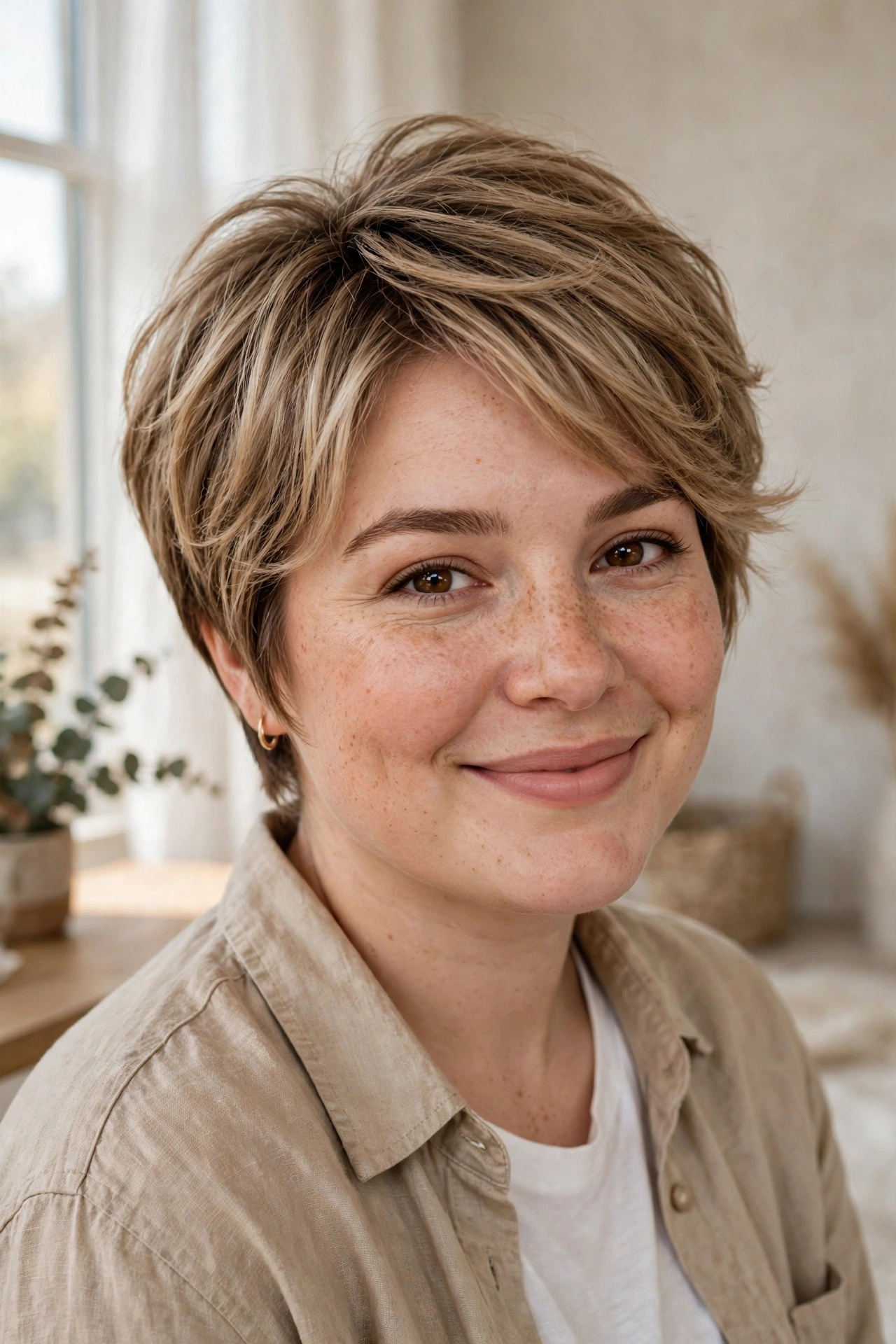
The classic pixie is the shortest of the two styles, cropped close through the sides and back with a little more length left on top for texture and movement. It opens up the face, putting cheekbones, eyes, and jawline in focus, which is why it photographs so beautifully, as these pixie cut ideas show. A good pixie relies on precise cutting, not heavy styling, so finding a stylist who truly understands short hair matters more than any product. The shape feels light, airy, and bold, and it suits women who love a clean neckline and a wash-and-go routine.
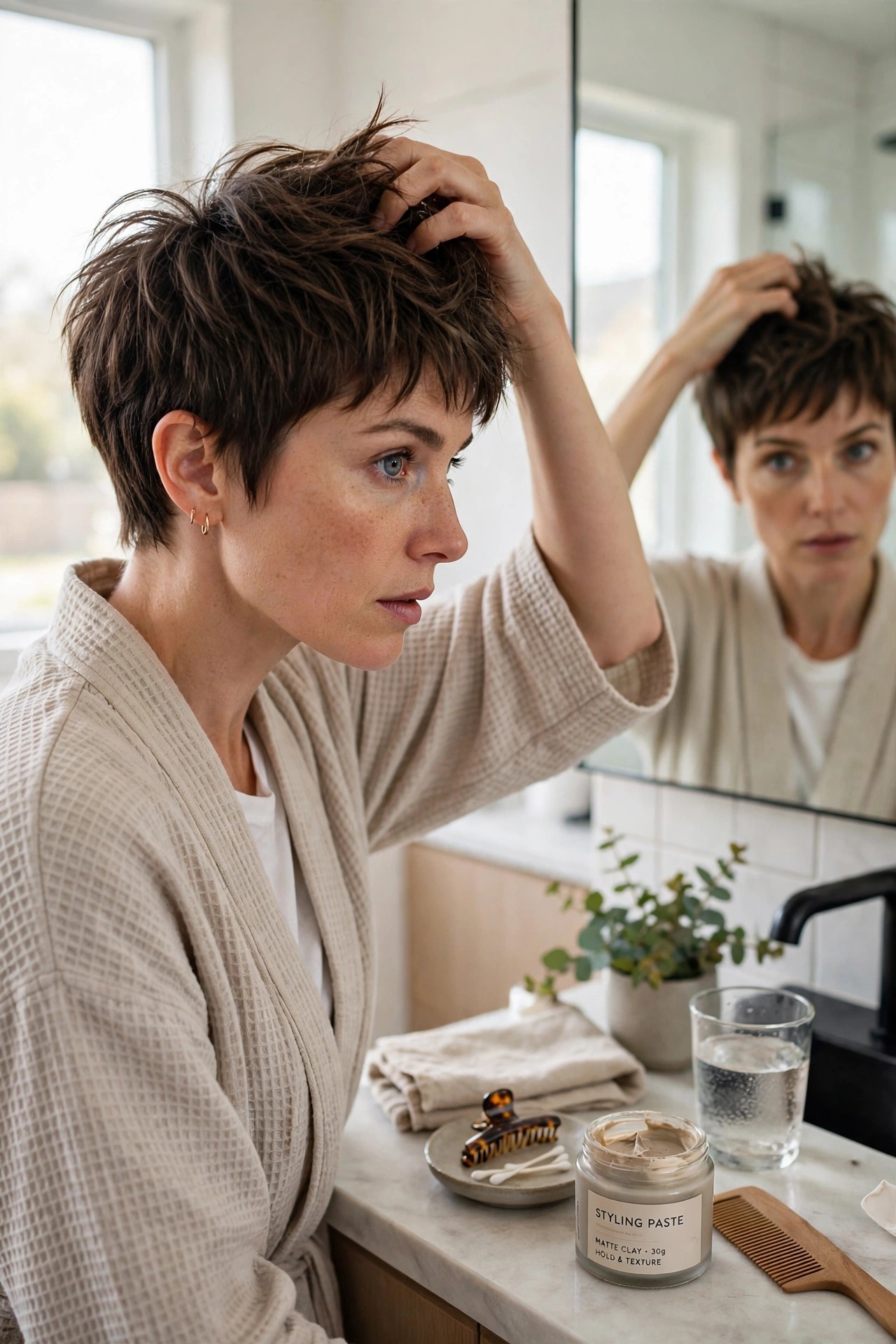
Styling a classic pixie takes only a few minutes each morning, which is a big part of its appeal for busy women. A dab of matte paste or light wax adds definition, while a quick tousle adds soft crown volume. Sweep the front forward, push it up for height, or slick it back for evening polish, all from the same cut. The trade-off is frequency: trims every four to six weeks keep the silhouette sharp, since even a little growth changes the shape. Many women find that freedom worth the regular salon visits.
The Classic Bob

- Ends at the chin or jawline
- Blunt, layered, or graduated finishes
- Easy to tuck, wave, or pin up
- Flatters most face shapes
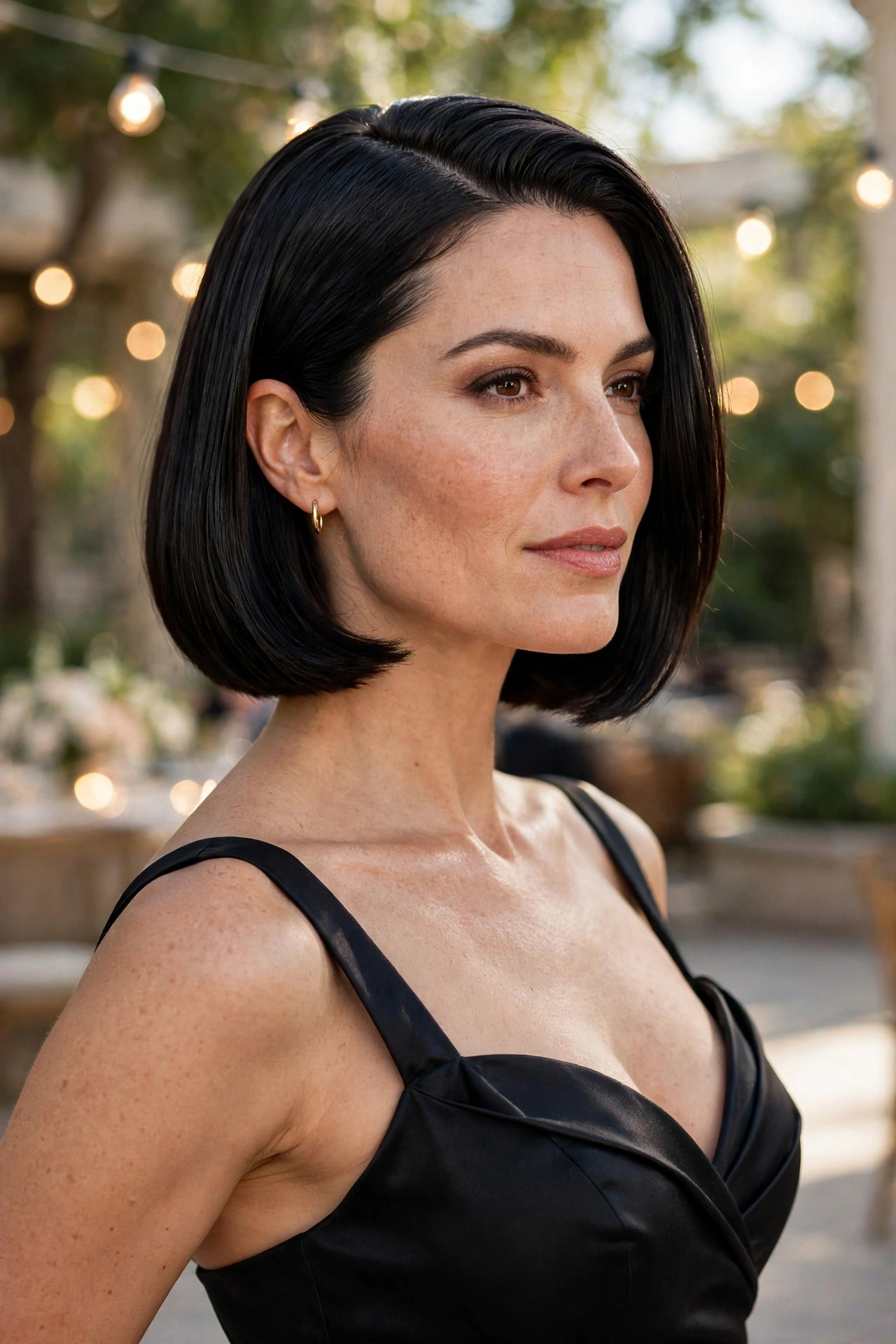
The classic bob ends somewhere between the chin and the jaw, with clean lines that frame the face and give instant polish. It is the more familiar of the two cuts, and it has stayed in style for decades because it flatters so many face shapes and hair types. A bob can be blunt and graphic, soft and layered, or gently graduated at the back for extra lift. It also gives you more to work with: you can tuck it behind your ears, add waves, or pin it up. It remains a wonderfully safe middle ground.
A bob also grows out far more gracefully than a pixie, which matters if you like to change your style every year. As it lengthens, it passes through a lob stage that still looks intentional, so you are never stuck in an awkward in-between phase. Styling takes a little longer than a pixie, usually ten to fifteen minutes, but a round brush and a blow dryer give you smooth volume and movement. Trims every six to ten weeks are enough, and the cut holds its shape well between appointments. It is the lower-commitment way to go short.
Length And Shape

- Pixie ends above the ears
- Bob ends at the chin or jaw
- Pixie feels sharp and sculpted
- Bob feels softer and fuller
Length is the most obvious difference between the two cuts, and it shapes everything else about how they look and feel. A pixie usually ends above the ears, with a tapered nape and short sides that leave the neck completely open. A bob keeps noticeably more hair, ending at the chin or jaw with enough length to frame the face and move when you turn your head. That extra length gives the bob a softer, more forgiving silhouette, while the pixie feels sharper and more sculpted. Think of the pixie as a crop and the bob as a short frame.
Shape matters just as much as length, because the two cuts create very different outlines. A pixie is close to the skull, with crown volume and clean lines around the ears. A bob creates a wider, heavier shape that can be rounded, straight, or angled toward the front. If you have a long face, a bob adds welcome width, while a pixie with height can lengthen a round face beautifully. Your stylist can tune either shape, but the starting silhouette is very different, so choose the outline you love most, and browse short haircut ideas for inspiration first.
Face Shape Match
- Round faces need crown height
- Square faces suit soft layers
- Oval faces suit almost everything
- Heart faces love side-swept bangs
Face shape is often the deciding factor, because each cut interacts with your features differently. A pixie opens the whole face, so strong cheekbones and a defined jaw look incredible, while a pixie with crown height can visually lengthen a round face. A bob frames the face instead, and chin-length ends can soften a square jaw or balance a long face with width at the sides. The key is asking your stylist to tailor the cut to you rather than copying a photo exactly. Bring pictures, but let them adapt the shape to your bone structure.
Oval faces are lucky, since almost any version of either cut works beautifully on them. Heart-shaped faces suit a pixie with soft side-swept bangs or a bob with volume at the jaw, both of which balance a wider forehead. Square faces benefit from soft layers and texture that break up strong angles, while round faces need height on top or length below the chin. If you wear glasses, a pixie keeps the frames visible, while a bob can compete with chunky frames. Your face shape guides the choice, but your personal style should make the final call.
Hair Texture Fit

- Fine hair gains lift in a pixie
- Thick hair needs thinning in a bob
- Curly hair shines in both cuts
- Wavy hair is easiest of all
Texture changes everything about how these cuts behave, so be honest about your natural hair before you choose. Fine hair often looks fuller in a pixie, where short layers create lift, or in a blunt bob, where one-length ends fake thickness. Thick hair needs internal layers or thinning in a bob to avoid a heavy triangle shape, while a pixie can remove bulk and feel wonderfully light. Curly hair shines in both cuts, but a pixie needs careful shaping around the curl pattern, and a bob needs length that lets curls spring without frizzing wide.
Wavy hair is perhaps the easiest texture for both cuts, since it adds natural movement without much effort. A wavy pixie looks tousled and effortless with a little texture spray, while a wavy bob falls into soft bends that need almost no heat styling. Straight hair shows every line, so a blunt bob looks razor sharp and a sleek pixie looks polished, but both need precise cutting. Coily hair works best with a tapered pixie or a rounded bob that respects the curl shape. Whatever your texture, a skilled stylist matters more than the cut itself.
Styling Time Daily
- Pixie styling takes 2 to 5 minutes
- Bob styling takes 10 to 15 minutes
- Pixie needs only paste and fingers
- Bob rewards a blow dryer
Daily styling time is where the pixie shines, and it is the main reason busy women fall in love with it. Most pixies take two to five minutes: a dab of paste, a quick tousle, and you are out the door looking intentional. A bob usually needs ten to fifteen minutes, with a blow dryer or flat iron to smooth the ends and create shape. If you wash your hair every morning, that difference adds up to hours each month. Ask yourself honestly how much time you want to spend on your hair before the coffee even kicks in.
The bob repays that extra time with far more styling variety, which matters if you like to change your look. You can wear it sleek and straight for work, explore chin-length bob ideas for the weekend, tuck one side behind your ear, or clip the front back for a different feel. A pixie has fewer options, though clever styling can still shift it from soft to spiky to slicked back. If you love experimenting, the bob keeps things interesting, while the pixie suits women who want one great look every day without thinking about it.
Maintenance And Trims

- Pixie trims every 4 to 6 weeks
- Bob trims every 6 to 10 weeks
- Pixie dries fast at home
- Bob needs heat protectant
Maintenance is the hidden cost of short hair, and the pixie asks for more of it. Because a pixie is so short, even two weeks of growth softens the shape, so most wearers book a trim every four to six weeks. A bob is far more forgiving, holding its shape for six to ten weeks, especially when it has soft layers. That means fewer salon visits and lower yearly upkeep for the bob. If your budget or schedule is tight, factor in those extra pixie appointments before you commit to the chop.
At home, though, the pixie is the easier cut to live with day to day. It dries in minutes, needs only a small amount of product, and rarely tangles or frizzes. A bob needs a little more care: heat protectant before styling, a good brush, and occasional deep conditioning to keep the ends healthy. Color also matters, since a pixie shows regrowth faster and may need root touch-ups sooner. Weigh salon frequency against daily effort, and pick the trade-off that truly fits your routine, your wallet, and your lifestyle best.
Growing Out Gracefully

- Pixie grow-out takes 6 to 12 months
- Bob grows into a polished lob
- Headbands hide awkward stages
- The bixie stage looks intentional
Grow-out is where many women regret a pixie, so think ahead before you chop. A pixie passes through several awkward stages: the sides bulk up, the back flips out, and the top needs constant reshaping. It can take six to twelve months of patient trims to reach a bob, and many women give up halfway. A bob, by contrast, grows into a lob that still looks polished, so you can change your mind without a difficult transition. If you love changing lengths often, the bob gives you a much easier exit.
That said, growing out a pixie is absolutely possible with the right plan and a patient stylist. Regular shaping trims keep the awkward stages tidy, while accessories like headbands, clips, and scarves hide the in-between lengths beautifully. Many stylists recommend growing the top first, then letting the sides catch up, which keeps the shape balanced. You can also lean into the bixie stage, which looks intentional rather than accidental. With a little patience, the grow-out journey can be just as stylish and fun as the cut itself. Enjoy the journey.
Versatility And Occasions
- Bob adapts to any occasion
- Pixie makes a bold statement
- Pixie stays cool in summer
- Bob adds warmth in winter
Versatility is the bob's strongest selling point, because it adapts to almost any occasion. Wear it sleek for the office, wavy for brunch, pinned up for a wedding, or tucked behind one ear for a night out. A pixie is more of a statement: it looks incredible at formal events with the right accessories, but you cannot braid it, tie it back, or hide a bad hair day under a ponytail. If your life swings between boardrooms and weddings, the bob's flexibility is hard to beat. The pixie, though, never looks boring.
Seasonal changes matter too, and each cut has its moment. A pixie feels wonderfully cool in summer, drying fast after swimming and staying light in the heat. A bob offers more coverage in winter, keeping your neck warm and working beautifully under hats and scarves. For vacations, a pixie needs almost no packing, while a bob may need a small flat iron. Think about your calendar, your climate, and the occasions ahead before you choose, because the right cut should fit your real life. Browse pixie haircuts for every face shape for more short cut inspiration.
Color And Dimension

- Bold color pops on a pixie
- Balayage shines on a bob
- Pixie suits fast grey blending
- Bob hides regrowth better
Color behaves differently on each cut, and it can completely change the result. A pixie shows off bold color beautifully, because the short length lets every shade, from platinum to copper, shine without distraction. A bob gives color more room to play, with balayage, ombre, and face-framing highlights creating depth and movement. If you love experimenting with fashion shades, the pixie is a low-commitment canvas, while the bob suits blended, lived-in color. Talk to your colorist about upkeep before you pick a shade. Choose the effect you love most today.
Grey blending is another area where the two cuts differ in a useful way. A pixie grows out fast, so it is a great choice for transitioning to natural silver, with regular trims removing the old color quickly. A bob hides regrowth better, since the longer length softens the line between colored and natural hair. Highlights also sit differently: chunky pieces pop on a pixie, while soft ribbons melt through a bob. Whatever your color goals, bring reference photos and ask your stylist what upkeep each option really needs before you book.
The Middle Ground

- Pixie layers at the back
- Bob length at the front
- Grows out more gracefully
- Great first step into short hair
If you cannot choose, the bixie might be your answer, because it blends the best of both cuts. It keeps the layered, feather-light back of a pixie with the longer, face-framing front of a bob, landing somewhere between the ear and the jaw. The result feels softer than a pixie but lighter than a bob, and it grows out far more gracefully than a pure pixie. It is also wonderfully forgiving for first-time short hair, since you keep enough length to tuck, pin, or wave. Many women try the bixie first, then go shorter once they feel brave.
The bixie also suits almost every face shape and hair texture, which is why stylists recommend it so often. Round faces get length from the front pieces, while long faces get width from the layered sides. Fine hair gains movement without losing fullness, and thick hair loses bulk without losing style. Styling takes about five to eight minutes, sitting neatly between the two cuts. If you want a gentle introduction to short hair, the bixie is the smartest first step you can take. Ask for soft layers and a tapered nape to keep it modern.
Making Your Choice
- Ask about styling time honestly
- Picture the silhouette you love
- Book a consultation first
- Bring photos of both styles
Making the final choice comes down to three honest questions about your life, not just your hair. First, how much time will you really spend styling each morning, and how often will you visit the salon? Second, which silhouette makes you feel most like yourself when you picture it? Third, are you ready for a bold change, or do you want a safer step into short hair? Answer those truthfully, and the right cut usually picks itself. Trust your gut, because confidence is the best accessory any haircut can have.
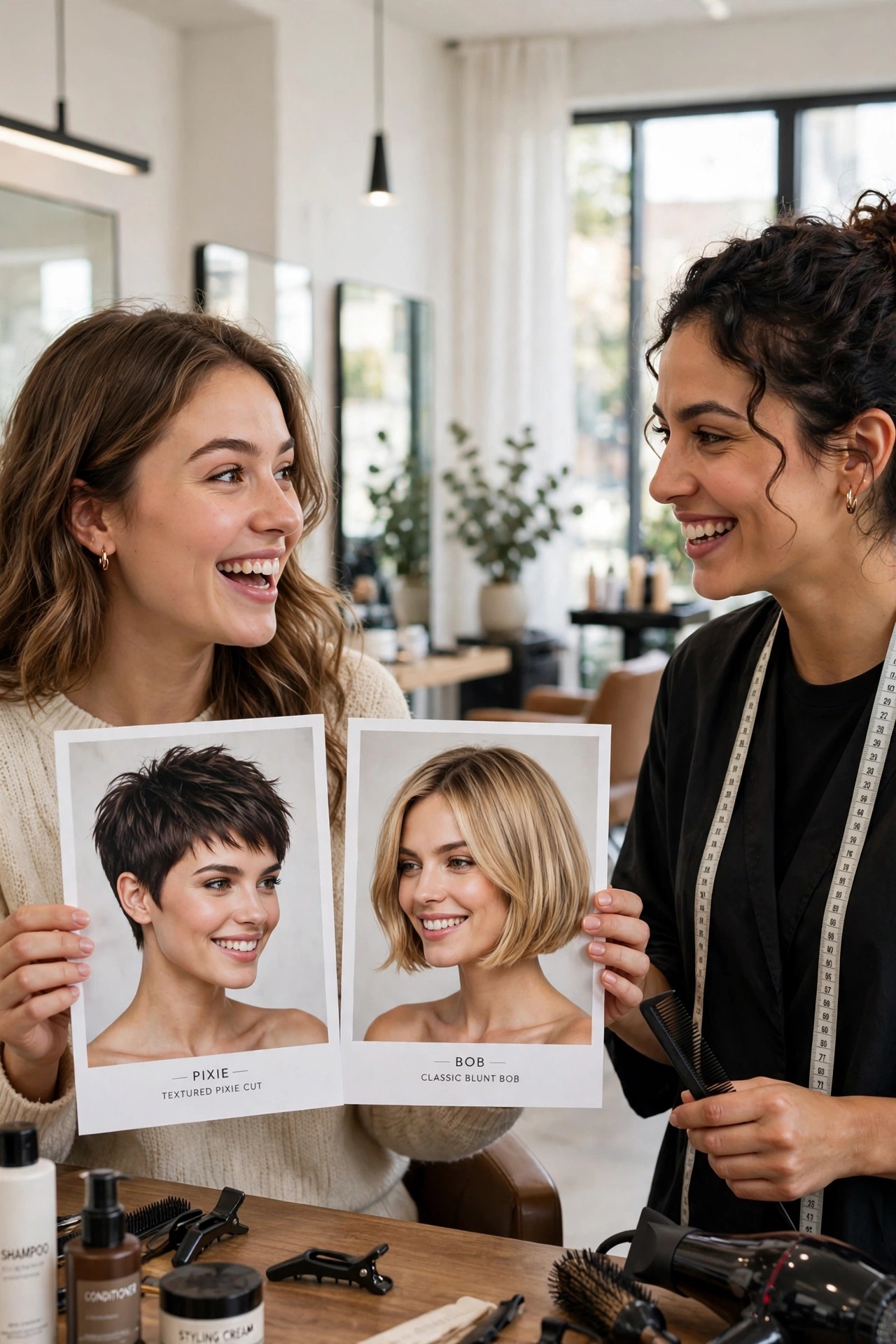
Once you decide, book a consultation before the actual cut, and bring photos of both styles you love. A good stylist will study your face shape, hair texture, and growth patterns, then adapt the cut to suit you perfectly. Ask about upkeep, styling products, and what the grow-out will look like, so there are no surprises later. Then enjoy the chop, because short hair is liberating, and both of these cuts have made countless women feel bold, fresh, and completely themselves. Your perfect short cut is waiting for you today.
At the end of the day, a pixie cut vs bob is less about which cut is better and more about which one fits your life right now. If you crave freedom, love a bold open face, and do not mind regular trims, the pixie will reward you every single morning. If you want polish, flexibility, and a gentler grow-out, the bob is the safer and more forgiving choice. And if you still cannot decide, the bixie gives you the best of both worlds while you make up your mind. Save your favorite looks, show them to your stylist, and enjoy the freshest version of your short hair yet.
FAQ
Which is easier to style every day, a pixie or a bob?
A pixie is usually faster, taking two to five minutes with a little paste and finger styling, while a bob often needs ten to fifteen minutes with a brush or flat iron. If your mornings are rushed, the pixie wins easily. A bob gives you more styling variety, though, so it suits women who enjoy changing their look.
Can I get a pixie or a bob with thin hair?
Yes, both cuts can work beautifully on thin hair with the right technique. A pixie with textured layers creates lift and the illusion of fullness at the crown. A bob with blunt ends makes fine hair look thicker, especially at chin length. Ask your stylist for light layering rather than heavy thinning, and use a volumizing mousse at the roots.
How often do pixies and bobs need trimming?
A pixie usually needs a trim every four to six weeks because even a little growth changes its sharp silhouette. A bob is more forgiving and can stretch to six to ten weeks, especially with soft layers. If you love low upkeep, the bob wins here, but regular trims keep either cut looking fresh and intentional.
Which cut suits a round face better?
Both can flatter a round face when they are cut with intention. A pixie with height at the crown and longer pieces on top adds length visually. A bob that falls just below the chin with long layers slims the face. Avoid very short bobs that end at the cheek, since they can widen the face.