You have probably noticed more and more bottles labeled “sulfate-free” on the shelves lately. It is one of the biggest shifts in hair care over the past few years, and it has left a lot of people wondering the same thing: is this just marketing, or is there a real reason to switch?
Here is the honest truth. Sulfates are the strong cleansing agents that make regular shampoo foam up so well, and they are genuinely good at their job. But “good at cleaning” and “good for your hair” are not always the same thing. For many hair types, that powerful clean comes with side effects like dryness, frizz, and fading color.
A sulfate-free shampoo cleans with milder ingredients instead. It still gets your hair clean, just without the harsh edge. Here are seven solid reasons why making the switch might be one of the best things you do for your hair.
1. Gentler on Your Scalp
Your scalp is skin, and like the skin on your face, it does not always love aggressive cleansers. Strong sulfates can leave some scalps feeling tight, itchy, or irritated after washing, especially if you wash your hair often. If your scalp ever feels uncomfortable on wash day, your shampoo formula could be part of the story.
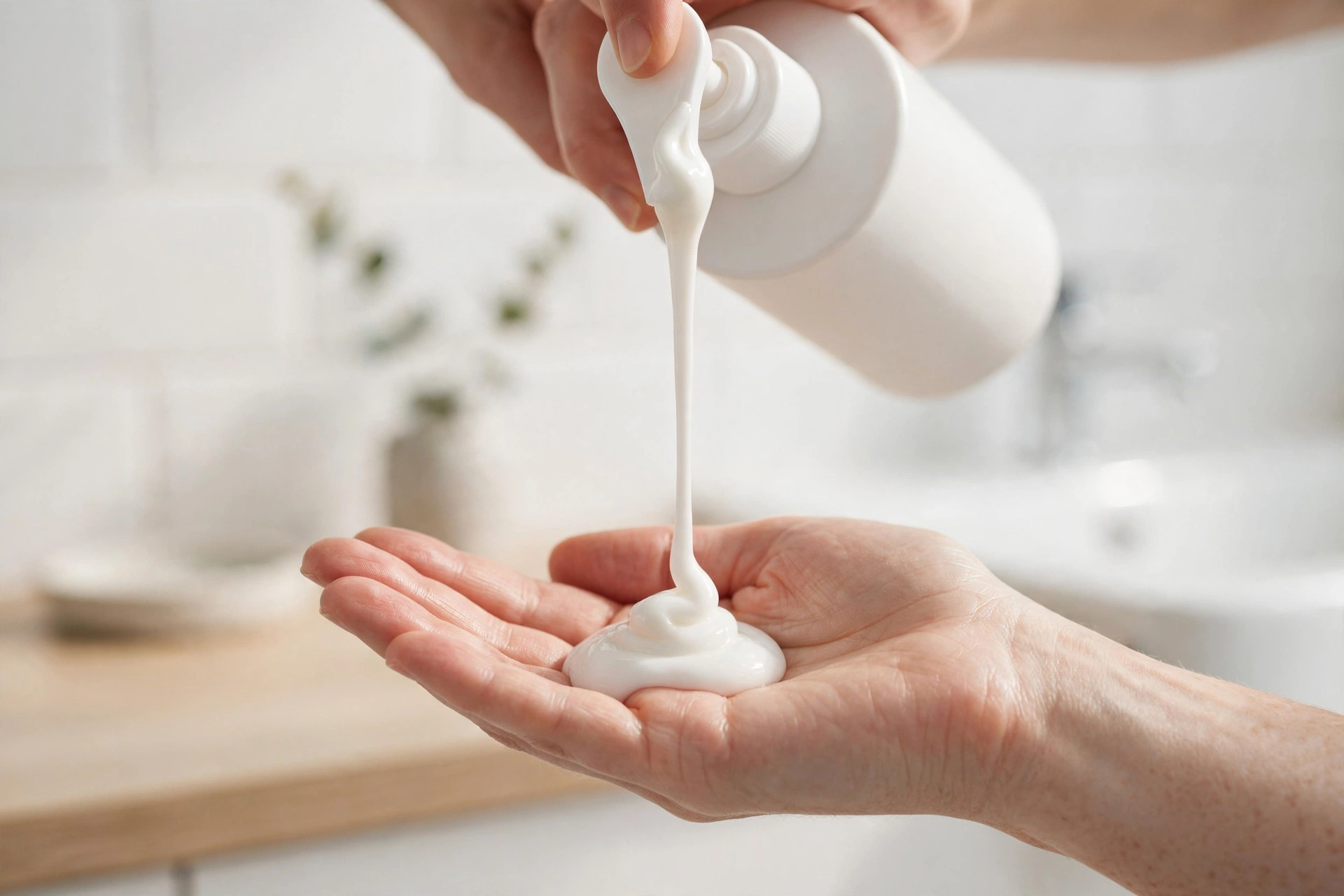
Sulfate-free formulas clean with gentler surfactants that remove oil and buildup without that stripped, squeaky sensation. The result is a scalp that feels clean but also calm and balanced. For anyone dealing with dryness or sensitivity up top, this single change can make wash day noticeably more comfortable.
2. Helps Hair Hold Onto Moisture
Moisture is the foundation of healthy-looking hair, and strong cleansers are moisture’s worst enemy. Sulfates do not just remove dirt and oil; they can also wash away the natural moisture your strands need to stay soft and flexible. That is why hair sometimes feels like straw after a harsh wash.
A sulfate-free shampoo takes a lighter touch. It cleans away the daily grime while leaving more of your hair’s natural moisture behind. Over a few weeks, that difference adds up: hair feels softer to the touch, looks less dull, and becomes easier to style without fighting dryness at every step.
This matters most if your hair is already on the dry side, but honestly, almost everyone benefits from keeping more moisture in their strands. Hydrated hair simply behaves better.
3. Protects Color-Treated Hair
If you spend good money on color, the last thing you want is your shampoo washing it down the drain. Strong sulfates are notorious for speeding up color fade because they cleanse so intensely. That vibrant red, rich brunette, or bright blonde can start looking tired weeks before it should.
Sulfate-free shampoo is much kinder to dyed hair. It still cleans thoroughly, but without aggressively lifting the color molecules out of the strand. Many colorists specifically recommend sulfate-free formulas to their clients for exactly this reason.
Think of it as protecting an investment. You paid for that color at the salon, and a gentler shampoo helps it stay rich and glossy for longer between appointments. Fewer touch-ups means money saved, too.
4. Friendlier to Curls and Texture
Curly, wavy, and coily hair has special needs, and harsh shampoo is rarely compatible with them. Natural oils have a harder time traveling down a curved hair shaft, so textured hair tends to run dry to begin with. A strong sulfate wash can tip it over the edge into frizz and breakage.

Sulfate-free cleansing fits the curly hair routine beautifully. It removes buildup without robbing curls of the moisture that gives them definition and bounce. Many people notice their curl pattern actually looks better within a few washes of switching, with less frizz and more consistent shape.
5. Kinder to Damaged or Fragile Hair
Hair that has been bleached, heat-styled, or chemically treated is already fragile. The last thing it needs is a shampoo that adds more stress. Strong cleansers can make damaged hair feel rougher, tangle more, and snap more easily during brushing and styling.
Switching to a sulfate-free formula will not repair damage on its own, but it stops making things worse. Gentler cleansing means less friction, less dryness, and a routine that supports recovery instead of working against it. When every wash is a little kinder, fragile hair gets the breathing room it needs to improve.
If you are growing out damage or trying to get your hair back to healthy, your shampoo choice is one of the easiest upgrades you can make. It is a small change with an outsized impact on fragile strands.
6. Less Frizz, Softer Feel
Frizz is often just dryness showing up at the surface. When the hair’s outer layer is rough and raised, light scatters instead of reflecting, and you get that frizzy, flyaway look. Harsh shampooing is one of the most common causes of that raised, rough texture.
Because sulfate-free shampoo leaves more moisture in the hair, the outer layer stays smoother and lies flatter. Smoother strands mean more shine, fewer flyaways, and hair that feels silky instead of coarse. It is a visible difference you can both see and feel.
You do not need a cabinet full of anti-frizz serums to get this effect. Sometimes taming frizz starts with what you take away, not what you add, and a gentler shampoo is the simplest place to begin.
7. A Better Everyday Wash
Most of us do not need a deep, intense cleanse every single time we wash. Daily life mostly calls for removing light oil, sweat, and everyday buildup, which a gentle formula handles perfectly well. Save the heavy-duty cleansing for the occasional clarifying wash.
Using a sulfate-free shampoo as your regular formula means your everyday routine is working with your hair instead of against it. Your scalp stays comfortable, your moisture stays put, your color lasts longer, and your styling products perform better on well-conditioned hair.
It is not about sulfates being villains. It is about matching the cleanser to the job. For the everyday wash, gentler simply wins, and your hair will tell you so within a couple of weeks.
Wrapping Up
Sulfate-free shampoo is a good idea because it does the essential job, cleaning your hair, without the harsh side effects. A calmer scalp, better moisture, longer-lasting color, happier curls, and less frizz are all realistic benefits of making the switch.
Give it two to three weeks before judging. Hair needs a little time to adjust to a gentler routine, but most people never look back once they feel the difference.
Frequently Asked Questions
Does sulfate-free shampoo clean as well as regular shampoo?
Yes, for everyday washing it cleans perfectly well. Sulfate-free formulas use milder cleansing agents that remove oil, sweat, and buildup effectively. They simply do it without the extra stripping power, which is why hair feels softer afterward. For heavy product buildup, an occasional clarifying shampoo is still useful.
Will sulfate-free shampoo make my hair greasy?
There can be a short adjustment period of a week or two where your scalp recalibrates its oil production. After that, most people find their hair stays fresh just as long. If greasiness persists, you may need to shampoo twice or choose a formula designed for your hair type.
Is sulfate-free shampoo good for oily hair?
It can be, as long as you pick the right formula. Look for sulfate-free shampoos labeled for oily hair or volumizing, which cleanse thoroughly without heavy moisturizers. Focus the lather on your scalp and rinse well, and oily hair types usually do just fine.
How long does it take to see results after switching?
Most people notice softer-feeling hair within the first couple of washes. Bigger changes like reduced frizz, better curl definition, and longer-lasting color typically show up after two to three weeks of consistent use, once your hair and scalp fully adjust.