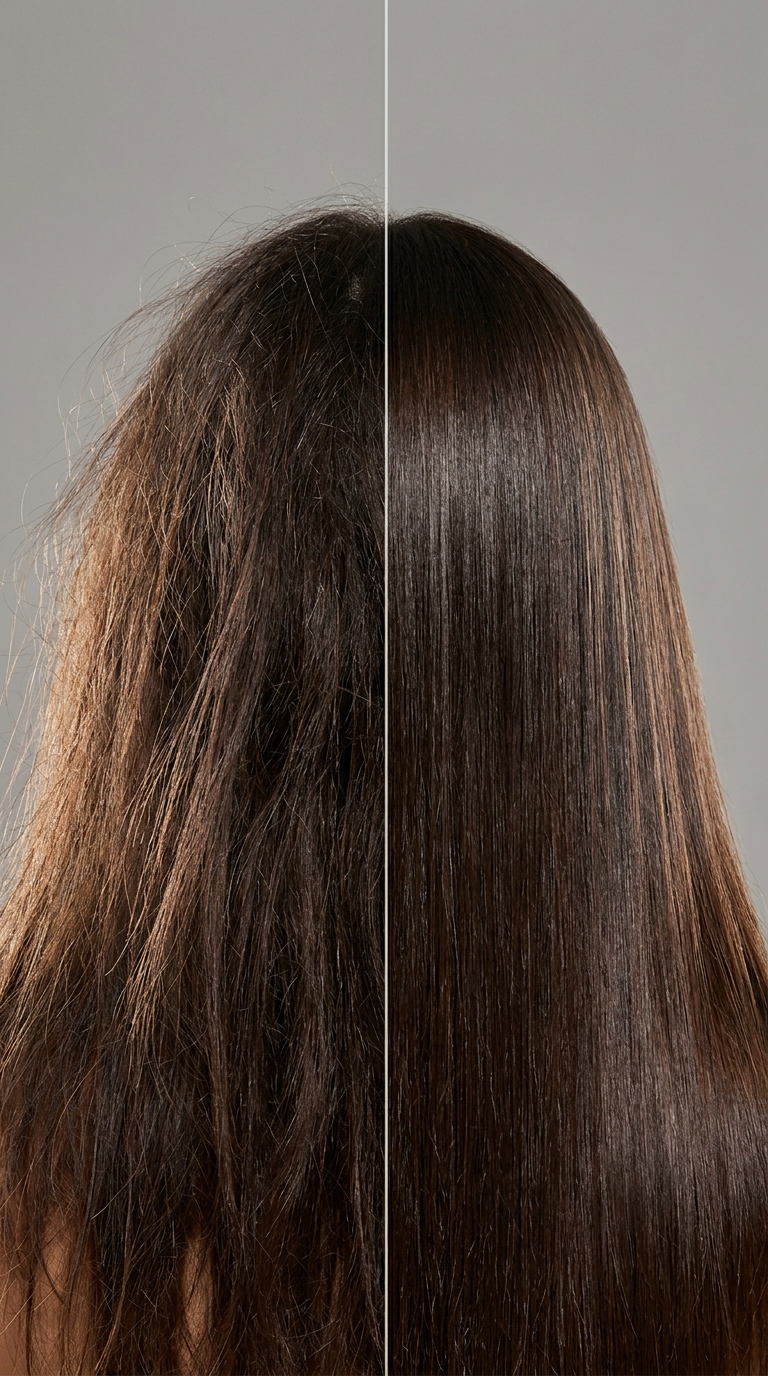
Walk down any hair care aisle and you will see the same duo everywhere: shampoo and conditioner, sold side by side like they are a package deal. Most of us grew up using both without ever stopping to ask what each one actually does. Is conditioner just a bonus, or does your hair genuinely need it?
Here is the short answer: shampoo and conditioner do completely different jobs, and understanding the difference can change how your hair looks and feels. One cleans, the other cares. Once you know which is which, you can stop guessing in the shower and start getting better wash days on purpose.
Let us break down exactly what shampoo does, what conditioner does, how they differ, and the right way to use each one for your hair type.
What Shampoo Actually Does
Shampoo is the cleanser of the pair. Its main job is to remove the stuff your hair picks up between washes: oil from your scalp, sweat, dirt, dust, and leftover styling products. It does this with cleansing agents called surfactants, which lift oil and grime off your hair and scalp so water can rinse them away.
Think of shampoo as the reset button. Every time you lather up, you are clearing the slate so your hair starts fresh. That squeaky-clean feeling after a good wash? That is the surfactants doing their work, breaking down the buildup your scalp naturally produces every day.

Shampoo is meant mostly for your scalp and roots, where oil builds up fastest. The ends of your hair are older and drier, so they do not need the same deep clean. A common pro tip: focus the lather on your scalp and let the rinse carry the suds down through the lengths. That alone can make your hair feel healthier within a couple of washes.
What Conditioner Actually Does
Conditioner is the caretaker. After shampoo strips away oil and buildup, conditioner steps in to add moisture back, smooth the hair’s outer layer, and make everything softer and easier to manage. It coats each strand with conditioning ingredients that fill in rough spots and calm frizz.
If shampoo is the reset button, conditioner is the repair crew. Hair that skips conditioner often feels rough, tangles easily, and looks dull, especially at the ends. That is because clean hair is slightly raised and vulnerable right after washing, and conditioner lays that outer layer back down flat.
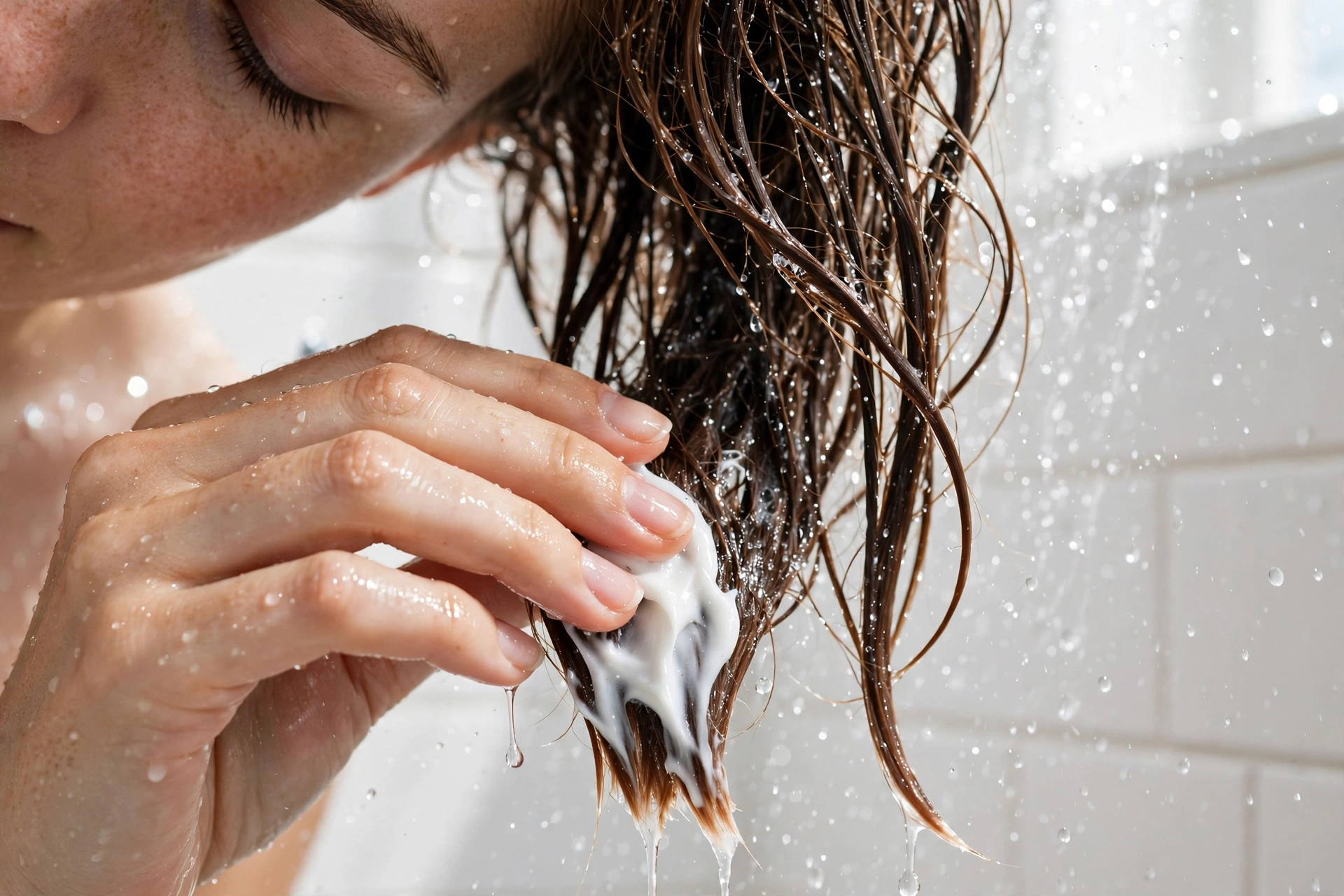
Unlike shampoo, conditioner belongs on the mid-lengths and ends, not your scalp. Your roots already get natural oil from your scalp, so adding conditioner there can leave hair looking flat or greasy. Squeeze out extra water first, then work a quarter-sized amount from about ear level down to the tips.
Shampoo vs Conditioner: The Key Differences
The biggest difference is purpose. Shampoo removes, conditioner restores. Shampoo opens the door by clearing away oil and buildup, and conditioner walks through it to deliver moisture and smoothness. They are designed to work as a team, which is why they are almost always sold together.
They also differ in formula. Shampoos are built around cleansers and tend to have a thinner, more watery texture that lathers up. Conditioners are thicker and creamier because they are packed with moisturizing ingredients like fatty alcohols, silicones, and natural oils that cling to the hair instead of washing straight off.
Where you apply them matters too. Shampoo goes on the scalp and roots, where oil collects. Conditioner goes on the lengths and ends, where dryness shows up. Mixing this up is one of the most common reasons people feel like their products are not working.
Finally, they differ in how often you truly need each one. Most people benefit from shampooing a few times a week, depending on hair type and lifestyle. But conditioner is useful almost every time you wet your hair, because any cleanse, even a gentle one, leaves strands thirsty for moisture.
When to Use Each (and When to Use Both)
Use shampoo whenever your scalp feels oily, your hair looks limp at the roots, or you have product buildup from styling. For most hair types, that means two to three times a week. Very fine or oily hair might need it more often, while curly, coily, or dry hair often does better with less frequent washing.
Use conditioner every time you shampoo, no exceptions. It takes only a minute or two, and it is the single easiest way to keep your ends soft and prevent breakage. Even if you are in a hurry, a quick condition makes a visible difference in how your hair dries.
There are times to use conditioner on its own, a method often called co-washing. If your hair is very dry or curly, washing with conditioner between shampoo days can refresh your hair without stripping it. Just remember that co-washing does not clean the scalp the way shampoo does, so it works best as an in-between step rather than a full replacement.
And yes, there are rare cases for shampoo alone, like right before a clarifying treatment or certain chemical services where your stylist wants completely bare hair. But for everyday life, the pair works best together: shampoo first, conditioner second, always in that order.
Common Mistakes to Avoid
The number one mistake is conditioning your scalp. Piling conditioner onto your roots weighs hair down and can make even freshly washed hair look greasy by afternoon. Keep conditioner on the lengths and ends where it belongs, and your roots will stay bouncy.
Mistake number two is shampooing the ends. Scrubbing shampoo through your lengths strips the oldest, driest part of your hair and invites split ends. Let the lather do its job at the scalp and simply rinse through the rest.
A third mistake is rushing the conditioner. Most conditioners need at least a minute or two to actually work. Slapping it on and rinsing instantly means you are washing most of the benefit down the drain. Use that minute to wash your body or shave, then rinse with cool water to seal in the smoothness.
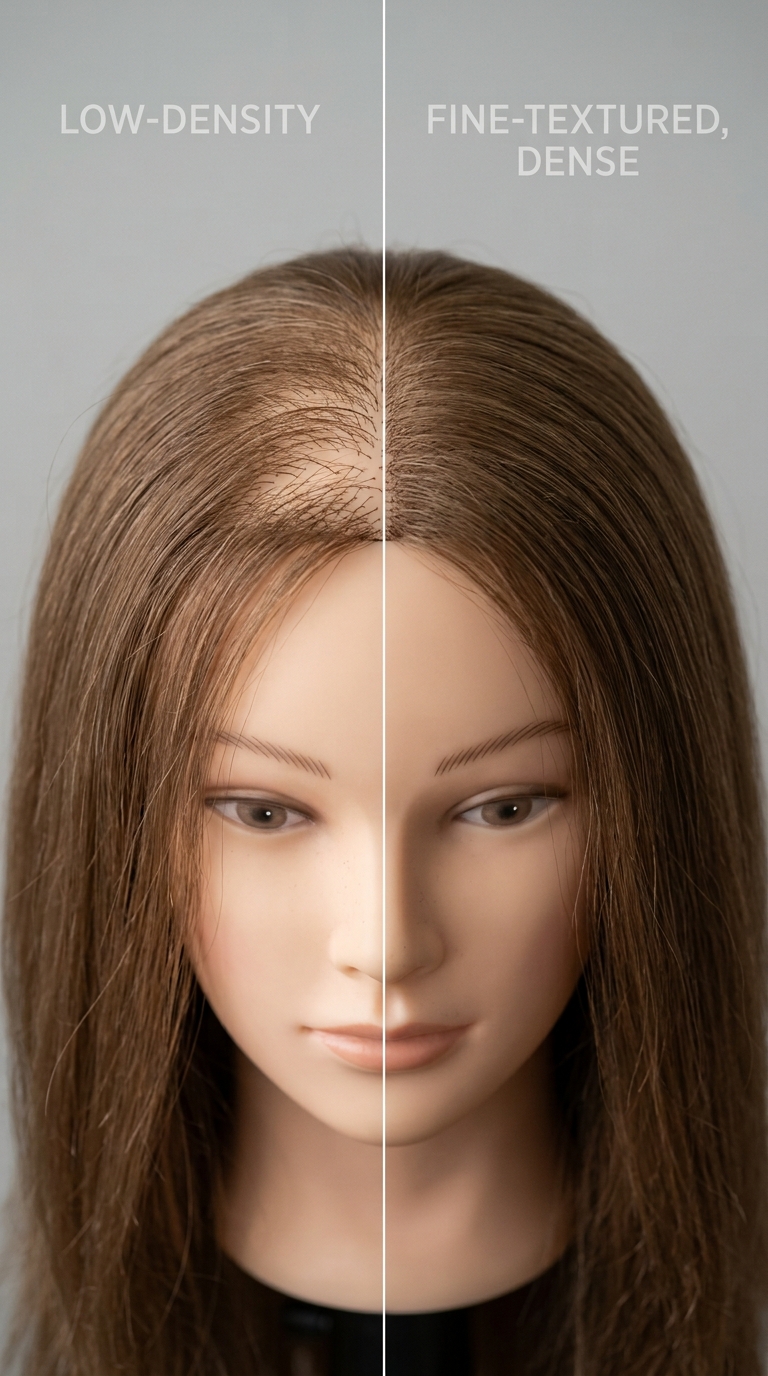
Finally, many people use the wrong formulas for their hair type. Fine hair does better with lightweight, volumizing formulas, while thick or curly hair needs richer, more moisturizing ones. Matching your shampoo and conditioner to your hair type matters just as much as using them correctly.
Wrapping Up
Shampoo and conditioner are not rivals, they are partners with very different jobs. Shampoo cleans your scalp and roots, conditioner moisturizes and protects your lengths and ends. Use them in the right order, on the right parts of your hair, and give the conditioner a minute to work.
Get these basics right and you will notice the difference fast: softer hair, less frizz, fewer tangles, and styles that actually hold. Sometimes the biggest hair wins come from the simplest steps done correctly.
Frequently Asked Questions
Can I use conditioner without shampoo?
Yes, this is called co-washing, and it works well for dry or curly hair between regular wash days. Just keep in mind that conditioner does not cleanse the scalp, so you will still need shampoo regularly to remove oil and buildup.
What happens if I skip conditioner?
Your hair will likely feel rougher, tangle more easily, and look duller over time. Shampoo leaves the hair’s outer layer slightly raised, and without conditioner to smooth it back down, strands are more prone to frizz and breakage.
Should I shampoo twice?
A double shampoo can help if your hair is very oily, if you use a lot of styling products, or if you only wash once a week. The first wash removes surface buildup and the second actually cleans the scalp. For most people washing regularly, once is enough.
Is 2-in-1 shampoo and conditioner any good?
Two-in-one products are convenient for travel or quick showers, but they are a compromise. The cleansing agents and conditioning agents partly cancel each other out, so you get a weaker clean and weaker conditioning than using the two products separately.