Choosing a hair length is bigger than picking a photo off Pinterest. It’s a decision about your mornings, your budget, your face shape, and how your hair actually behaves once it’s off the reference picture and on your head.
This guide breaks down short, medium, and long hair by the things that matter in real life — maintenance, cost, styling time, and fit — so you can pick a length you’ll still be happy with three months in, not just on cut day.
How Hair Length Is Actually Measured
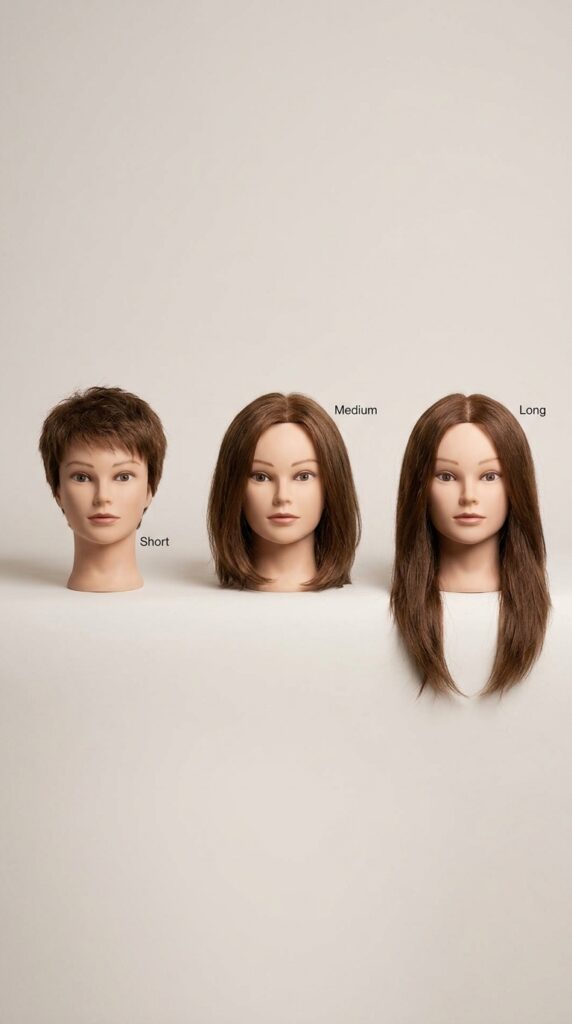
Salons and hairstyle guides don’t always agree on what “short” or “long” means, which is why so many people leave the chair disappointed. Here’s a practical breakdown:
- Short hair — from a close pixie crop up to a chin-length bob, roughly 1 to 6 inches of length.
- Medium hair — from chin-length down to just past the shoulders, roughly 7 to 14 inches. This includes the lob (long bob), collarbone-length cuts, and classic shoulder-grazing styles.
- Long hair — anything falling below the shoulders, generally 15 inches and up, extending through mid-back, waist-length, and beyond.
These ranges assume straight, stretched-out hair. If your hair has natural texture, the number on the measuring tape and the length people see are two different things.
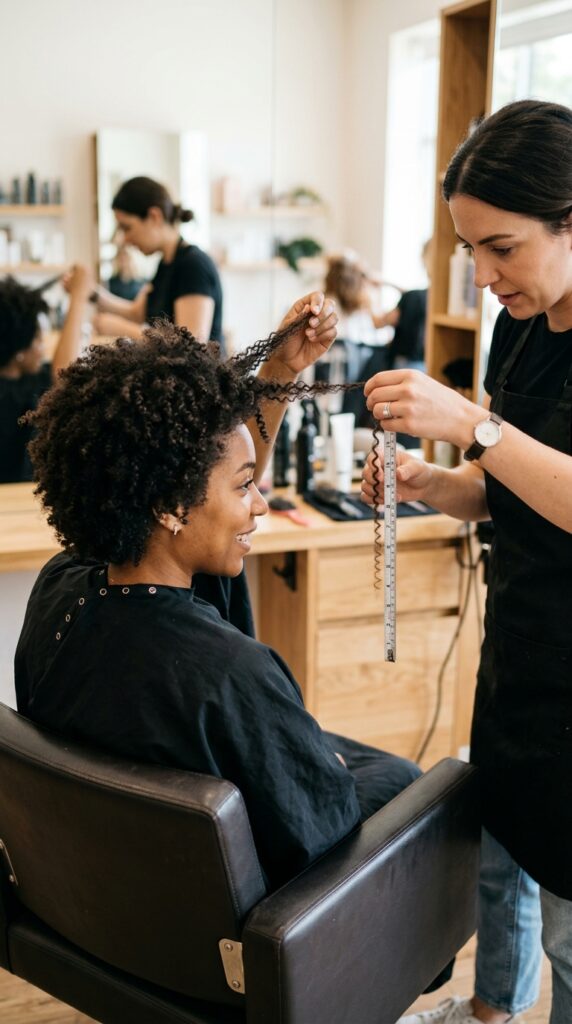
Curl pattern shrinks visual length. Wavy hair can look an inch or two shorter than it measures. Curly hair often reads 2–4 inches shorter. Tight coils and kinky textures can shrink visually by 30–75%, meaning a strand that measures 14 inches stretched might sit at chin length unstretched.
If you’re consulting with a stylist about a target length, describe it by where you want it to land as worn, not just in inches — and if possible, stretch a section of your hair (gently, when wet or with light tension) to compare it to a ruler before your appointment.
Short Hair: The Full Picture
What counts as short
Pixie cuts, cropped cuts, textured crops, short bobs, and chin-length bobs all live in this category.
Why people choose it
- Speed. Wash-and-go is a realistic option on many short cuts, especially pixies and textured crops.
- Volume. Without the weight of length pulling strands down, fine hair looks noticeably fuller.
- Lower product spend. Less surface area means less shampoo, conditioner, and styling product per wash.
- Heat exposure is limited. Frequent trims mean damaged, over-processed ends rarely stick around long enough to become a visible problem.
- A sharper, more defined silhouette. Short cuts tend to photograph as deliberate and polished rather than “in progress.”
What it costs you
- Frequent salon visits. Most short shapes need a trim every 3–6 weeks to hold their line. Skip a visit or two and the cut can look shapeless rather than short.
- Limited protective and updo options. No ponytail, no braid-out, no space bun. If you like changing your hair day to day, short hair narrows that menu considerably.
- A rough growing-out phase. If you change your mind later, expect several months of awkward in-between lengths before it reaches medium.
- The face is fully visible. This is a plus for people who like that framing, but it also means short hair doesn’t hide asymmetry, ear shape, or neck concerns the way longer hair can.
Who tends to be happiest with it
People with fine or thin hair looking for volume, anyone who wants a genuinely fast morning routine (even accounting for salon time), and people who like a strong, editable silhouette over hands-off versatility.
Medium Hair: The Full Picture
What counts as medium
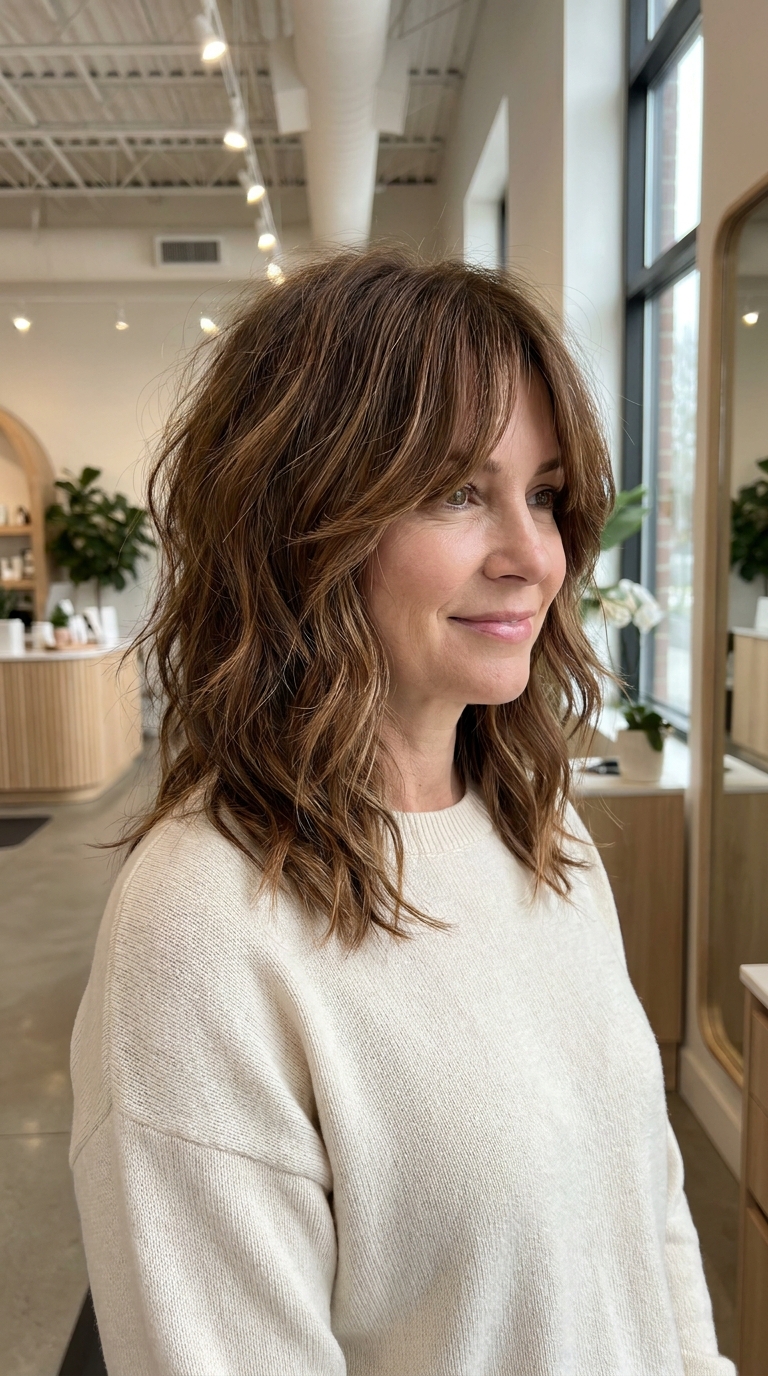
Shoulder-length cuts, collarbone-length layers, and the lob all fall here. It’s the widest and most commonly requested category for a reason — it’s the compromise length.
Why people choose it
- It’s genuinely pullable. Medium hair is usually the shortest length that still gathers into a secure, low ponytail or bun without pins fighting gravity.
- Styling versatility without the upkeep of full-length hair. Waves, half-up styles, blowouts, and simple braids all work.
- Longer stretch between trims. Because there’s less pressure to maintain a precise short shape, most medium cuts can go 8–10 weeks between visits.
- It flatters a wide range of face shapes. Landing between chin and shoulders means the length itself does less “distorting” of facial proportions than very short or very long hair can.
What it costs you
- It can look undecided if the cut is wrong. A poorly shaped lob can read as “hair that just hasn’t been cut in a while” rather than an intentional style.
- Layering matters more here than at other lengths. Thick or wavy medium hair without the right layers can bulk out at the jaw in a way that’s unflattering — often called the “triangle” shape.
- Less updo range than long hair. Elaborate braids and large buns are harder with less length to work with.
Who tends to be happiest with it
Anyone transitioning between short and long, people who want low-maintenance versatility without committing to daily long-hair upkeep, and those who haven’t found a face-shape-specific reason to go shorter or longer.
Long Hair: The Full Picture
What counts as long
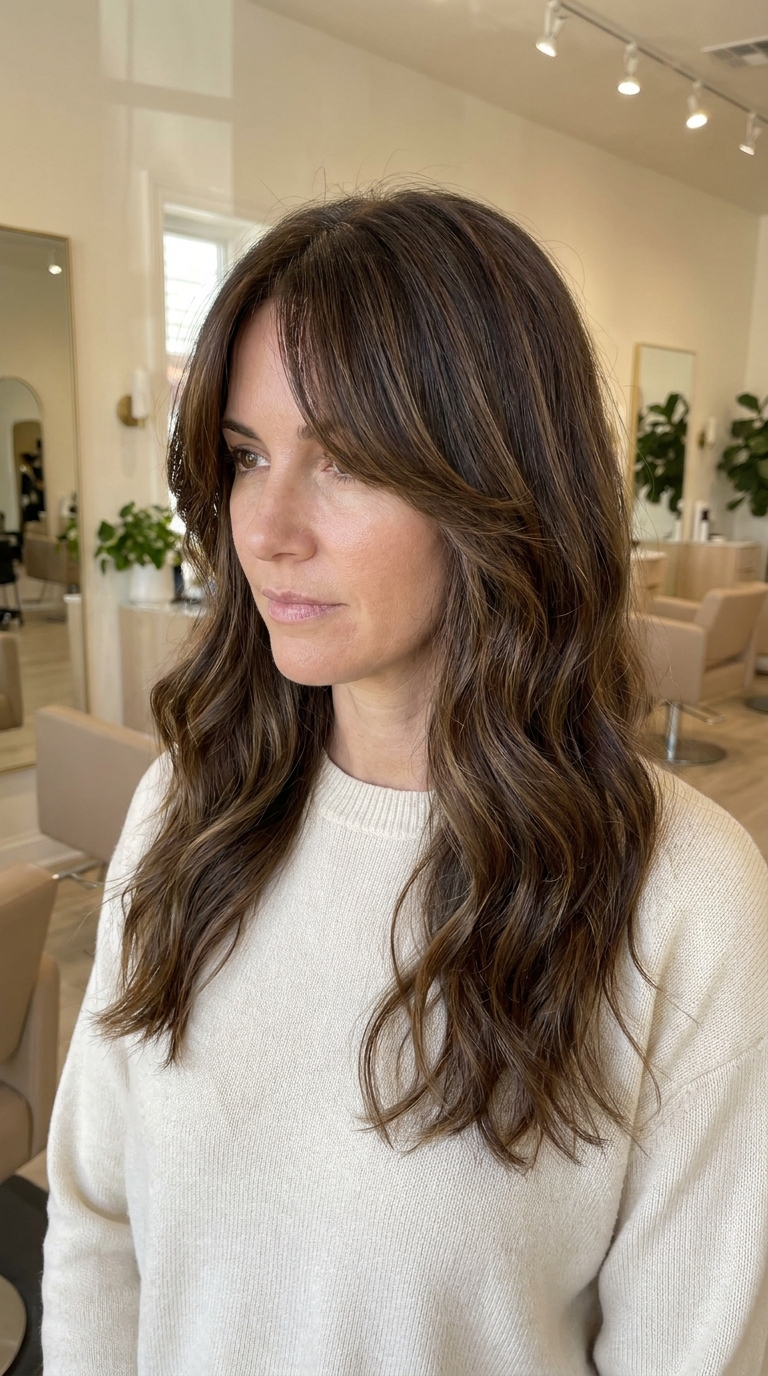
Anything past the shoulders — armpit-length, mid-back, and waist-length hair are all “long,” even though they behave quite differently from one another.
Why people choose it
- Maximum styling range. Braids, twists, elaborate updos, half-ups, and loose waves are all realistic options.
- Fewer salon visits. Long hair can often go 10–12 weeks between trims since a precise shape matters less than at shorter lengths.
- It softens angular features. The weight and movement of long hair can balance a strong jawline or angular face shape.
- Options on low-effort days. A bun or ponytail takes seconds and still looks put-together.
What it costs you
- Time in the shower and with a dryer. More surface area means more product and more minutes, especially for anyone who blow-dries or straightens regularly.
- Visible shedding. Losing 50–100 hairs a day is normal for everyone, but on long hair, that shedding is far more visible — on pillows, drains, and clothing.
- Damage accumulates at the ends. The oldest, most fragile part of your hair is also the part every heat tool and hair tie touches most. Split ends and breakage show up here first.
- Weight-related thinning near the temples and part line can occur over years in some people, particularly with tight ponytails or buns worn daily.
Who tends to be happiest with it
People who enjoy a wide range of updos and protective styles, anyone willing to trade a longer shower routine for fewer salon trips, and those whose face shape benefits from added softness and movement.
Matching Length to Face Shape
No single length is “best” — but certain lengths do work with facial proportions better than others.
| Face Shape | What Helps | Lengths to Consider |
|---|---|---|
| Round | Length and layers that elongate rather than add width at the cheeks | Long layers, chin-grazing bobs with height on top |
| Square | Softness around the jawline to offset strong angles | Soft layers at medium-to-long length, side-swept pieces |
| Heart | Volume near the jaw to balance a narrower chin | Chin-to-collarbone lengths, textured lobs |
| Oval | Most lengths and shapes work well | Flexible — short, medium, or long |
| Long/Rectangular | Width at the sides rather than added vertical length | Chin-length bobs, waves that add horizontal fullness |
| Diamond | Softness at the forehead and jaw, avoiding severe short cuts | Medium length with side-swept bangs or waves |
Face shape is a helpful starting point, not a strict rule — a skilled stylist adjusts for your specific proportions, not just the general shape category.
Matching Length to Hair Texture and Density
Texture changes how a length behaves as much as, or more than, the number on the measuring tape.
- Fine, straight hair tends to look its fullest short to medium. Extra length adds weight that flattens volume at the root.
- Thick, straight hair can carry long lengths well but usually needs internal layering to prevent a heavy, “helmet” silhouette.
- Wavy hair generally reads well at medium-to-long lengths, where the wave pattern has enough length to actually form a shape.
- Curly hair benefits from a cut planned around its curled, not stretched, length — an important distinction, since a cut that looks shoulder-length pulled straight may sit much higher once it curls back up.
- Coily and tightly coiled hair often needs the most conversation with a stylist about shrinkage, since visual length can differ from measured length by several inches.
Real Cost and Time Differences
It helps to see the trade-offs side by side rather than in the abstract.
| Factor | Short | Medium | Long |
|---|---|---|---|
| Salon visits per year | 8–12 | 5–7 | 4–5 |
| Typical time between trims | 3–6 weeks | 8–10 weeks | 10–12 weeks |
| Daily styling time | Low, but styling is usually required | Low to moderate | Low if worn up; higher if styled down |
| Product used per wash | Lowest | Moderate | Highest |
| Updo/protective style options | Very limited | Good | Excellent |
| Volume on fine hair | Best | Good | Can fall flat without layering |
| Visible heat damage risk | Lower (ends cut often) | Moderate | Higher on oldest sections |
| Growing-out difficulty | High — awkward in-between stages | Low to moderate | Low |
Salon cost is worth doing the math on directly: a short cut requiring a trim every 4 weeks can cost more per year than a long cut trimmed twice as infrequently, even if the per-visit price is similar.
Common Mistakes When Choosing a New Length
Choosing based on a reference photo without checking texture. A hairstyle that looks a certain way on straight hair will not look the same on curly or coily hair at the same measured length. Ask your stylist how the exact cut will translate to your texture.
Going shorter to “fix” damage instead of addressing the cause. Cutting off damaged ends helps, but if heat styling or a harsh routine caused the damage, the same pattern will simply reappear on the new ends over time.
Underestimating maintenance. Short and precisely shaped cuts need more frequent visits than most people expect going in. If salon time or budget is tight, that’s worth weighing before, not after, the cut.
Cutting length before a big event. Big changes carry adjustment periods — for both how the hair styles and how it feels to wear. Test a length change well before an event you can’t undo.
Ignoring density in the layering plan. The same length can need completely different layering depending on how thick or fine the hair is. A layering plan built for thick hair will leave fine hair looking sparse, and vice versa.
How to Test a Length Before Committing
Cutting hair is reversible only in the sense that it grows back — and that can take a year or more for a significant change. A few lower-risk ways to preview a length first:
- Use a styling app or salon consultation tool that overlays different cuts on a photo of your own face.
- Try a wig or clip-in extensions in the target length and texture for a day.
- Pin hair up loosely to preview a shorter silhouette from the front, or clip in extensions to preview added length.
- Ask for a “trial trim.” Some stylists will cut to a slightly longer version of the target length first, letting you live with something close before committing to the final shape.
- Bring reference photos in your actual texture, not just the style you like, so the stylist can talk you through how it will really sit.
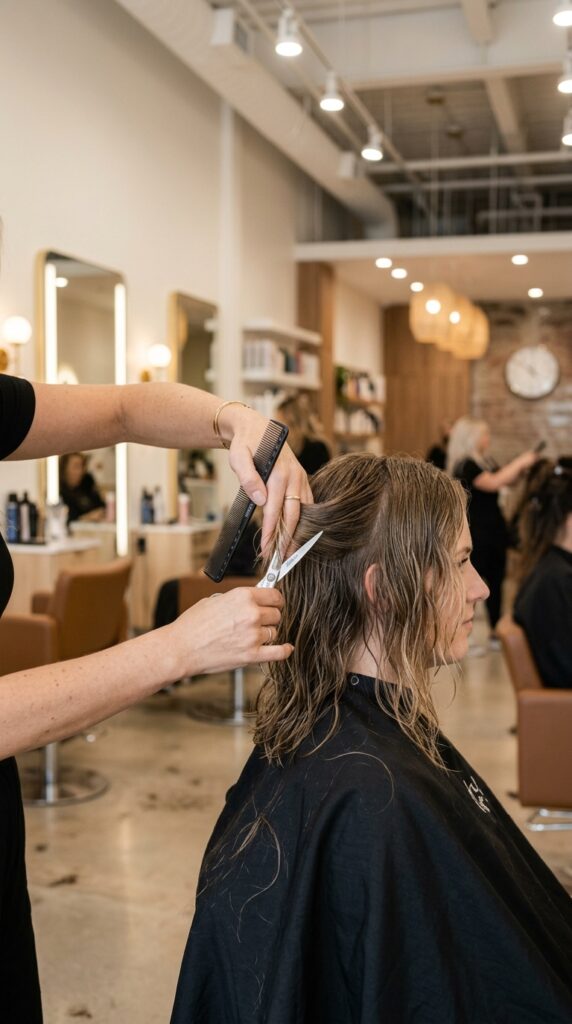
A good stylist will ask about your daily routine and how often you’ll realistically return for maintenance before ever picking up scissors. If a consultation skips straight to cutting without those questions, that’s worth pausing on.
Transitioning Between Lengths
Going shorter: Cut in stages if you’re unsure. Moving from long to a lob, then reassessing before going shorter still, is lower-risk than jumping straight to a pixie.
Growing hair out: Regular trims — yes, even while growing — keep the shape from getting bulky or shapeless during the in-between stages. Skipping trims to “save length” usually backfires, since split ends that aren’t removed just keep splitting further up the strand.
Face-framing layers are useful in both directions: they soften a chin-length bob on the way down, and they keep a growing-out cut from looking like a solid, shapeless block on the way up.
Frequently Asked Questions
Does short hair really need more upkeep than long hair?
Usually, yes, in terms of salon visits. Short, precise shapes grow out visibly faster than the softer lines of medium or long cuts, so they need trims every few weeks to hold their form. Daily styling time is a separate question and depends more on the specific cut and your routine.
What length is easiest for beginners who don’t style their hair much?
Medium length is generally the most forgiving for low-effort routines — long enough to tie back on busy days, short enough to air-dry reasonably fast.
Will long hair make thin hair look thinner?
It can. Length adds weight, and weight pulls hair flatter at the root, which is more noticeable on fine or thin hair. Layering and volumizing products help offset this, but many people with fine hair get more visible fullness from shorter lengths.
How much shorter does curly hair look compared to its actual length?
It varies by curl pattern, but curly hair often appears 2–4 inches shorter than its stretched length, and tightly coiled hair can shrink visually well beyond that. Always discuss target length in terms of curled length, not just inches.
Is it true that hair grows back, so a bad cut doesn’t matter?
It grows back, but not overnight — most hair grows roughly half an inch per month, so a drastic, unwanted change can take a year or longer to fully outgrow. That’s exactly why testing a length beforehand is worth the extra step.
The Bottom Line
There’s no single “best” length — only the length that fits your face shape, your hair’s texture, and the amount of time you actually want to spend on it each week. Short hair rewards people who don’t mind frequent salon visits in exchange for low daily styling and strong definition. Long hair rewards patience and a longer shower in exchange for maximum versatility. Medium hair splits the difference and is why it remains the most commonly requested length overall.
Measure honestly, factor in your real texture (not the stretched-out version), and be upfront with your stylist about how much maintenance you’re actually willing to do. Get those three things right, and the length itself becomes a much easier decision.