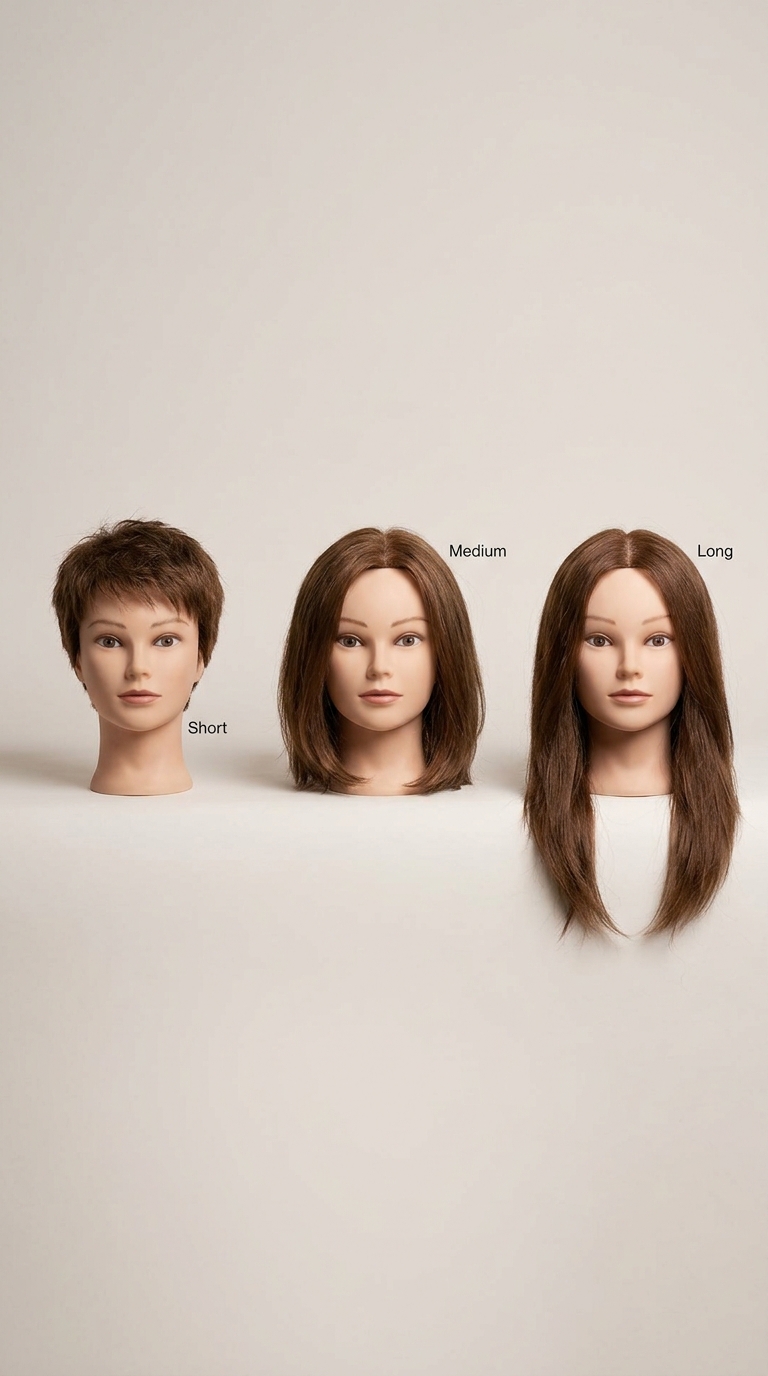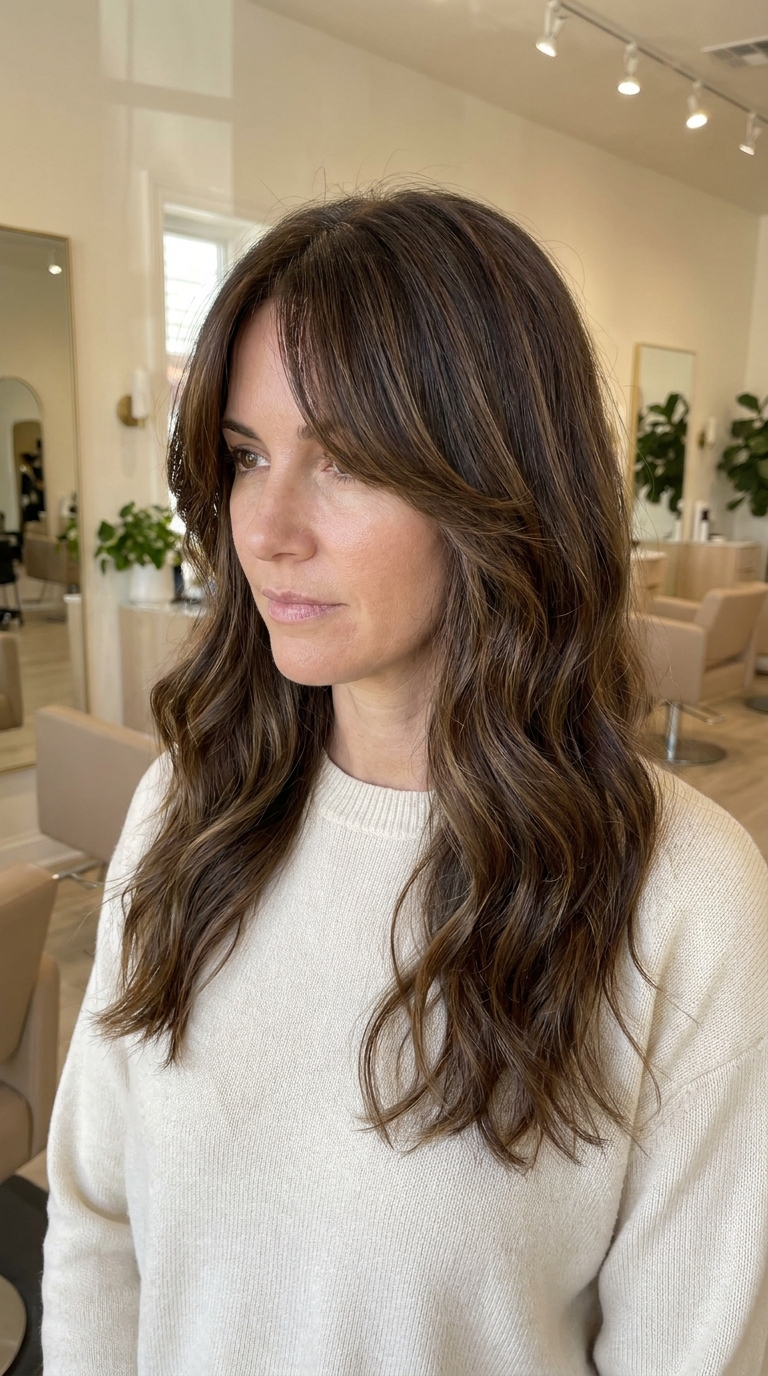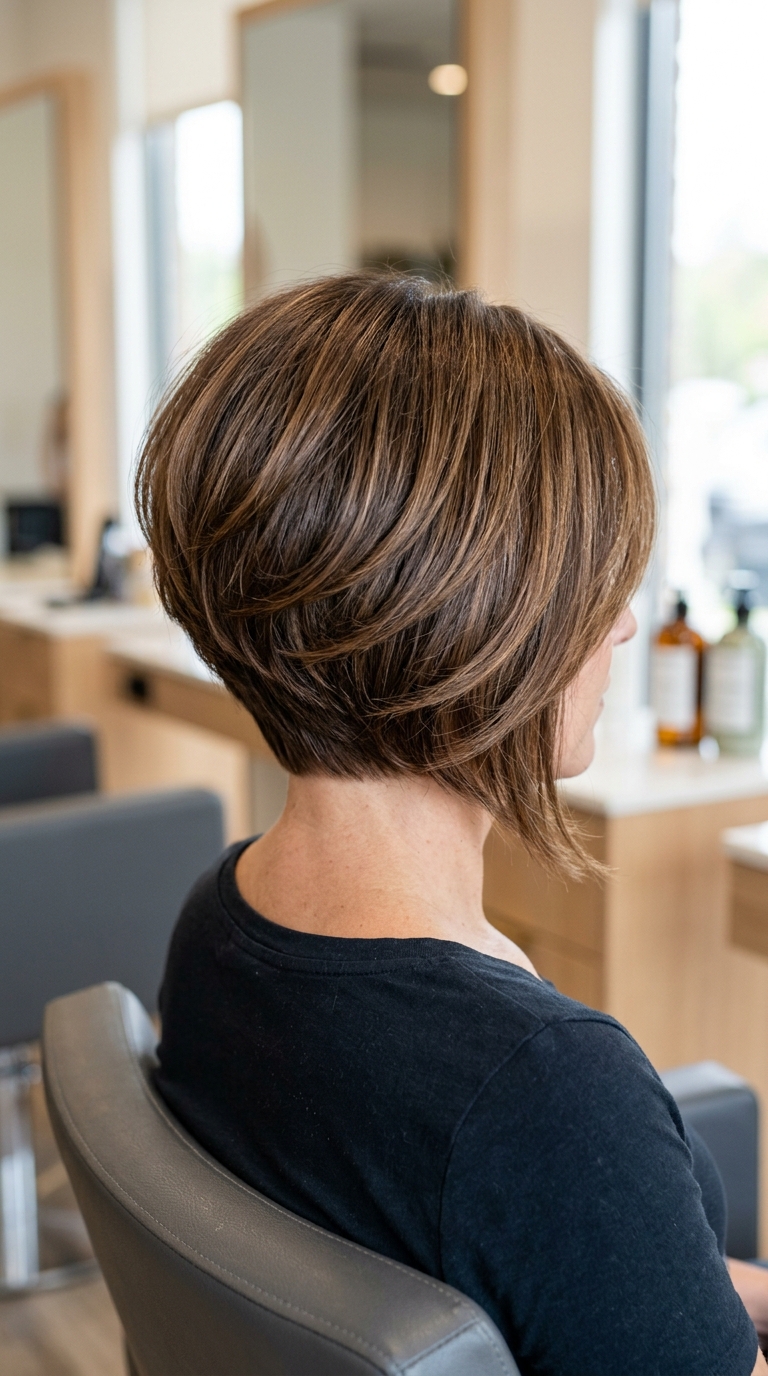
If you’ve been scrolling through salon inspiration boards lately, the wolf cut vs shag debate has probably stopped you mid-scroll more than once. Both haircuts promise effortlessly layered, textured, undeniably cool hair, the kind that looks like you woke up this gorgeous without even trying. But when you look a little closer, the layering techniques and final silhouettes can create surprisingly different results on real hair.
So which one actually belongs on your mood board?
The answer depends on more than just aesthetics. Your hair texture, face shape, volume goals, daily styling commitment and personal style all play a role in whether a shag or a wolf cut will make you feel like the best version of yourself. This guide walks through everything side by side, from how each haircut is constructed to how it moves, grows out and fits into your morning routine, so you can walk into the salon feeling completely confident about what to ask for.
What Is a Shag Haircut?
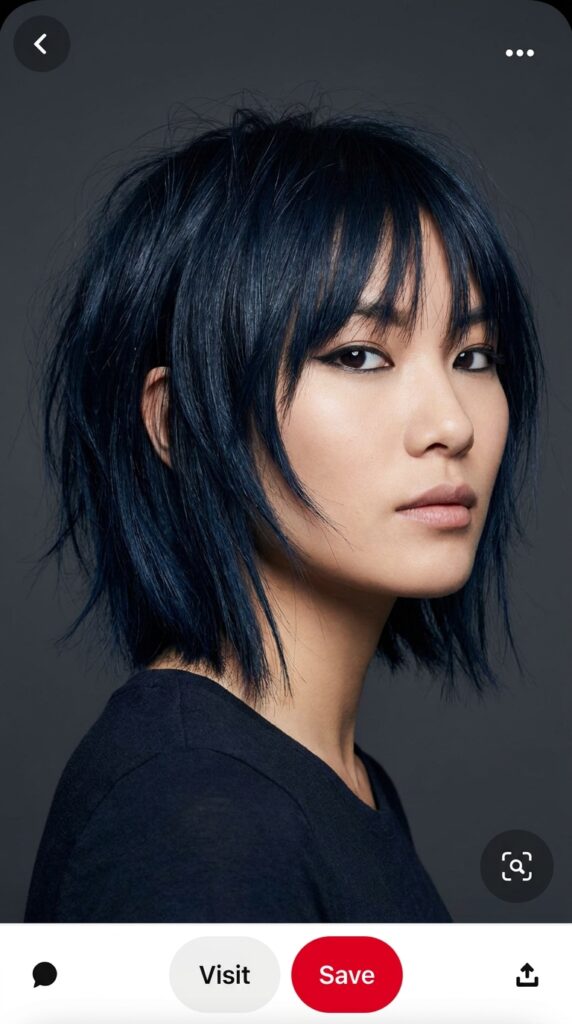
The shag is a layered haircut built on soft, blended movement that flows naturally from the crown down through the ends. Picture generous layers that start near the top of the head, gradually lengthening as they cascade toward the shoulders, with each layer melting into the next rather than creating harsh jumps. The result is a relaxed, textured silhouette that moves with you, catching light, bouncing slightly when you turn your head and framing the face with feathered, face-skimming pieces.
Originally inspired by 1970s rock-and-roll style, the modern shag has been refined for today’s tastes. Contemporary versions lean softer, more polished and incredibly versatile. You’ll see shags styled with curtain bangs, subtle waves, air-dried texture and everything in between. What makes it timeless is that lived-in quality. A shag never looks like it’s trying too hard. The layers create natural body without excessive volume at the crown, and the overall shape feels cohesive and approachable whether your hair is straight, wavy or curly.
What Makes a Shag Haircut Unique?
The most recognizable thing about a shag is how seamlessly the layers blend together. Instead of visible steps between short and long sections, the layers transition gradually, creating a rounded, flowing shape. Crown volume exists, but it’s gentle: a natural lift rather than a dramatic poof.
Face-framing pieces are typically feathered and soft, sweeping across the cheekbones or curving gently away from the face. Most modern shags pair beautifully with curtain bangs or wispy fringe that parts naturally in the center, adding that effortless frame around the eyes without feeling heavy. The ends carry intentional texture, slightly roughed-up, piecey and deliberately imperfect.
All of this adds up to a silhouette that feels relaxed and undone in the most flattering way. The shag doesn’t demand attention; it earns it quietly. Hair moves freely, catches the light at different angles and looks slightly different every time you style it, which is exactly why so many women keep coming back to it.
What Is a Wolf Cut?
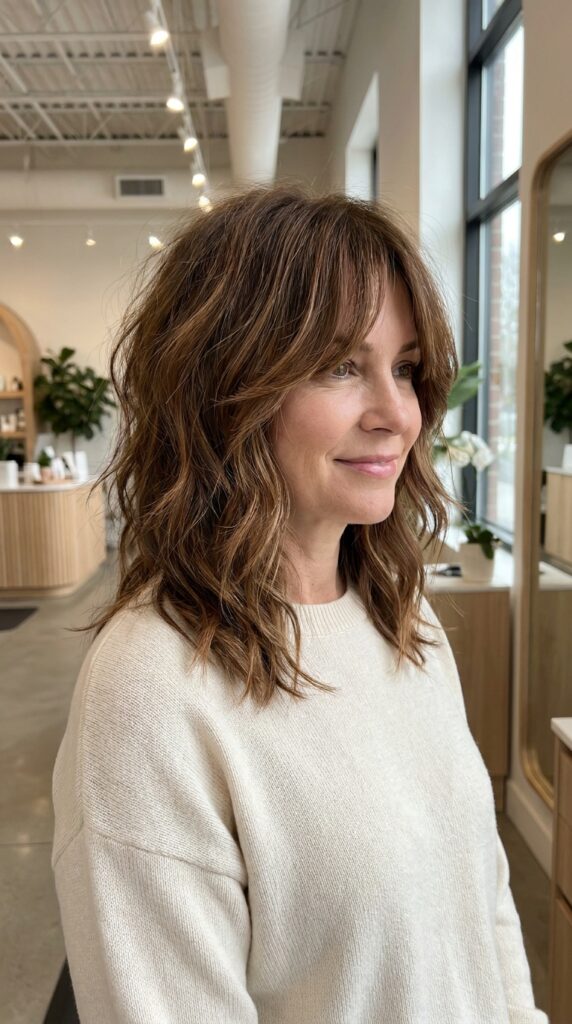
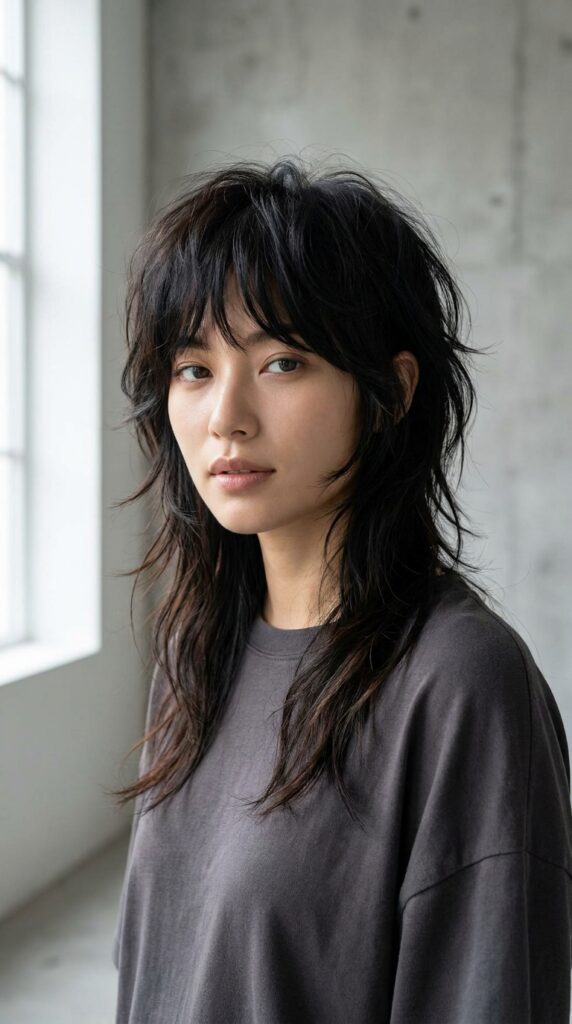
The wolf cut is a bold, layered hairstyle that turns up the volume. Literally. Think of it as the shag’s more rebellious sibling: shorter, choppier layers stacked at the crown to create dramatic lift, while the lower lengths stay noticeably longer, creating a visible contrast between the top and bottom of the haircut. The effect is intentionally undone, slightly wild and unmistakably modern.
Where a shag blends its layers into a smooth transition, a wolf cut leans into disconnection. The shorter crown layers often sit several inches above the longer back sections, and the face-framing pieces tend to be bolder, sometimes falling at the cheekbone, sometimes shorter, creating striking dimension around the face. It’s a haircut that makes a statement the moment you walk in the room.
The wolf cut gained massive momentum through social media hairstyle trends, but its staying power comes from how photogenic and customizable it is. Whether it’s styled tousled and messy or blown out with deliberate shape, the layered structure creates built-in drama that photographs beautifully and translates across every hair length from a lob to waist-length.
What Makes a Wolf Cut Unique?
The defining feature of a wolf cut is the contrast. Short crown layers, sometimes only a few inches long, create immediate volume and lift at the top of the head, while the remaining length stays significantly longer. This creates a silhouette that’s wider at the top and narrower toward the ends, almost like a soft mullet shape reimagined for modern style.
The texture is intentionally choppy. Rather than smoothly blended transitions, the layers show visible separation, and the ends are often point-cut or razor-cut to emphasize that rough, tousled quality. Face-framing pieces tend to be stronger and more angular than a shag’s feathery wisps, drawing immediate attention to the eyes and cheekbones.
Overall, the wolf cut reads as edgier, more rebellious and more fashion-forward. It’s the kind of haircut that pairs just as well with an oversized leather jacket as it does with a linen sundress, and it always carries a hint of rock-star energy. If a shag whispers cool, a wolf cut says it out loud.
Wolf Cut vs Shag: What’s the Real Difference?
Here’s the simplest way to think about it: a shag blends its layers into a cohesive, flowing texture, while a wolf cut deliberately separates them to create contrast between shorter crown sections and longer lower lengths. Both are layered, both are textured, but the construction and silhouette feel distinctly different on real hair.
A shag says “I look this good without trying.” A wolf cut says “I chose to look this bold.”
| Feature | Wolf Cut | Shag Cut |
|---|---|---|
| Overall Shape | Wider at the crown, narrower at the ends | Rounded and balanced throughout |
| Layering | Choppy with visible disconnection | Blended with gradual transitions |
| Crown Volume | Dramatic, built-in lift | Gentle, natural body |
| Face Framing | Bold, angular pieces | Soft, feathered wisps |
| Back Length | Noticeably longer than crown layers | More proportional to overall length |
| Texture | Rough, piecey, intentionally undone | Lived-in, soft, casually textured |
| Bangs | Textured, often choppier | Curtain or wispy, typically softer |
| Overall Vibe | Edgy, rebellious, fashion-forward | Relaxed, effortless, retro-modern |
| Styling Effort | Moderate, benefits from some shaping | Low to moderate, air-dries well |
| Maintenance | Regular trims preserve the contrast | Grows out more gracefully |
| Grow-Out | Layers can lose definition faster | Softens naturally over time |
| Best For | Making a bold statement with visible layers | Versatile everyday texture with easy upkeep |
Wolf Cut vs Shag: Layering and Shape
The biggest structural difference between these two haircuts comes down to how the layers are cut and how they relate to each other.
Shag
A shag uses blended layering, meaning the stylist creates graduated lengths that flow smoothly from shorter to longer without abrupt jumps. The transitions between layers are soft, creating balanced movement throughout the entire haircut. When the hair falls naturally, the layers almost disappear into each other. You see texture and body rather than individual stepped sections. This creates a silhouette that looks rounded, cohesive and effortlessly put-together from every angle.
Wolf Cut
A wolf cut uses more disconnected layering, where the short crown sections are intentionally separated from the longer lower lengths. The stylist often creates a more dramatic difference between the shortest and longest layers, and the cutting technique emphasizes visible separation rather than seamless blending. The silhouette is noticeably wider at the top of the head and more tapered toward the bottom, giving the hair an almost triangular shape when viewed from the front. This structure is what creates that bold, high-impact look.
Which Cut Gives You More Volume?
Both haircuts create volume, but the placement and intensity are different.
A wolf cut delivers more concentrated crown volume. Because the upper layers are cut significantly shorter, they naturally spring upward and outward, creating dramatic lift right at the top of the head. If you want that instant “my hair looks twice as thick at the crown” effect, a wolf cut is designed to do exactly that, especially on medium to thick hair that can support the layered structure without looking sparse at the ends.
A shag distributes volume more evenly. Instead of stacking all the lift at the crown, a shag creates gentle body and movement throughout the full length of the hair. The shorter layers add some natural crown lift, but the overall effect is more of a soft, bouncy fullness than dramatic height. This tends to look more natural and requires less strategic styling to maintain.
Your hair density plays an important role here. Very fine hair can sometimes struggle with the extreme layering of a wolf cut because the shorter crown layers thin out the lower lengths, so the top may look full while the ends look wispy. A shag’s more gradual layering often preserves a fuller appearance from top to bottom on finer textures.
Wolf Cut vs Shag for Your Hair Type
This is where the decision gets personal. The same haircut can look completely different depending on your natural texture, density and how you typically style your hair.
Fine or Thin Hair
Both haircuts can add the illusion of fullness, but the approach matters. A shag with soft, blended layers tends to preserve density at the ends, creating the appearance of thicker hair without removing too much weight. A wolf cut can work on fine hair too, but it needs to be customized carefully. If the crown layers are cut too short, the longer lower sections may end up looking thin and straggly by comparison.
For fine hair, a modified shag or a subtle wolf cut with less extreme disconnection often gives the best of both worlds: visible layers and movement without sacrificing the appearance of healthy fullness.
Thick Hair
Thick hair is the playground for both of these haircuts. Dense hair can absolutely handle the dramatic layering of a wolf cut. The short crown layers create gorgeous volume without making the ends look sparse, and the overall texture becomes beautifully wild and full of movement. A shag on thick hair creates softer, more controlled movement while removing enough bulk to keep the hair feeling manageable rather than heavy.
If you have very thick hair and want maximum impact, a wolf cut often delivers the most visible transformation. If you prefer something a bit more polished that still removes weight, a shag is an excellent choice.
Straight Hair
Straight hair shows the architectural structure of both haircuts very clearly. You’ll see every layer, every face-framing piece and every transition, which means precision matters even more in the cutting. A shag on straight hair looks sleek and modern with gentle movement. A wolf cut on straight hair looks sharp and deliberately edgy.
The trade-off is that straight hair may need a little help from styling products or a quick blow-dry to emphasize texture. Without natural wave, both cuts can sometimes fall flat against the head. A lightweight texture spray or volumizing mousse can make a significant difference.
Wavy Hair
Natural waves are practically made for layered haircuts. Wavy hair adds built-in texture and body that brings both cuts to life without much effort at all.
A shag on wavy hair creates beautiful, soft, beachy movement. The layers enhance the natural wave pattern and create effortless dimension. A wolf cut on wavy hair looks gorgeously tousled and wild, with the shorter crown layers adding even more volume and shape to the natural texture.
If your waves are loose and relaxed, a shag will enhance them subtly. If your waves are stronger and you want more drama, a wolf cut will amplify them boldly.
Curly Hair
Curly hair brings its own set of considerations. Curl pattern and shrinkage affect how layers actually sit once the hair dries, so the dry length can be significantly shorter than the wet length. Crown volume is usually built in naturally with curls, which means a wolf cut on curly hair can create truly dramatic height and shape.
A shag on curly hair creates gorgeous definition and movement without too much weight, letting curls spring freely at different lengths. A wolf cut can look incredible on curls, but the layering needs to account for how each curl behaves individually.
The most important thing with curly hair is working with a stylist who understands curl behavior. Whether you choose a shag or a wolf cut, the layers should be placed to complement your specific curl pattern rather than fighting against it.
Wolf Cut vs Shag for Different Face Shapes
Every face shape can wear both haircuts. The key is adjusting where the volume sits and how the face-framing pieces fall.
Round Face
Strategic crown volume helps visually elongate a round face, which gives the wolf cut a natural advantage here. The lift at the top creates height that balances wider cheekbones. Longer face-framing pieces that fall below the chin also help create a lengthening effect. A shag can achieve similar results with curtain bangs and slightly longer front layers that draw the eye vertically rather than horizontally.
Oval Face
Oval faces have the most flexibility with both haircuts. The balanced proportions mean you can experiment with dramatic wolf-cut layering, soft shag texture, bold bangs, curtain bangs. Essentially, the shape works with almost any variation. Choose based on your style preference rather than worrying about proportion.
Square Face
Softer layers and textured bangs help balance a strong jawline. A shag’s feathered face-framing often flatters square faces beautifully by softening the angles around the jaw. A wolf cut can work too, especially with longer, wispy face-framing pieces that create movement around the chin rather than ending abruptly at the jawline.
Heart-Shaped Face
A heart-shaped face is typically wider at the forehead and narrower at the chin. Volume at the jaw level and chin-length layers can help balance the proportions. A shag with face-framing layers that hit around the chin creates lovely width where it’s needed. A wolf cut with slightly longer front pieces and controlled crown height achieves a similar balancing effect.
Long or Oblong Face
For longer face shapes, excessive crown height can make the face appear even more elongated. A shag’s more distributed volume usually works naturally here, adding width and fullness at the sides. A wolf cut can be adjusted by keeping the crown layers slightly longer to avoid too much vertical lift, and using side-swept bangs or full fringe to visually shorten the face.
Which Haircut Is Easier to Maintain?
Let’s be honest. How much time you want to spend on your hair in the morning matters just as much as how it looks in salon photos.
A shag tends to be the lower-maintenance option for most people. The blended layers air-dry naturally, move nicely without much product and still look intentionally styled even on second or third-day hair. Because the transitions between layers are gradual, the haircut grows out softly. You won’t wake up one morning and suddenly feel like the shape has disappeared. Most shags look great with trims every eight to twelve weeks, though your specific growth rate matters more than any rigid timeline.
A wolf cut requires a bit more attention to maintain its signature look. The contrast between short crown layers and longer lower sections is what makes the cut distinctive, and as the hair grows, that contrast softens. If you love the bold, freshly-cut wolf-cut silhouette, you may find yourself booking trims more frequently to maintain the shape. Daily styling benefits from a quick blow-dry or some texture product to keep the crown lifted and the layers separated.
That said, many women love the way a grown-out wolf cut gradually morphs into something closer to a shag, so if you’re open to that evolution, maintenance becomes much less of a concern.
How to Style a Shag Cut
One of the best things about a shag is how many ways you can style it while still keeping things easy.
For Straight Hair
Add a lightweight mousse to damp hair and blow-dry with a round brush at the crown for gentle lift. Flip the ends outward or inward depending on the mood you want. A quick pass with a texture spray adds that lived-in finish.
For Wavy Hair
Apply a small amount of texture spray or sea salt spray to damp hair and scrunch gently. Let your waves air-dry naturally or diffuse on low heat. The layers will enhance your wave pattern automatically.
For Curly Hair
Work a lightweight curl cream through damp hair section by section. Diffuse or air-dry completely before touching the curls. Once dry, gently shake the roots for volume without disrupting the curl pattern.
For Fine Hair
A volumizing spray at the roots before blow-drying makes a noticeable difference. Use a lightweight styling cream rather than heavy products that can weigh fine strands down. Focus product on the mid-lengths and ends, keeping the roots clean and lifted.
How to Style a Wolf Cut
Styling a wolf cut is all about emphasizing its built-in drama.
To create crown lift, flip your head upside down while blow-drying the root area, or use a round brush to direct the shorter layers upward and away from the scalp. This takes only a couple of minutes and makes the biggest visual difference.
For the choppy layers, work a small amount of texture paste or styling cream between your fingertips and twist individual sections to create separation and definition. Focus on the face-framing pieces and the mid-lengths where the layers are most visible.
If you prefer air-drying, apply a volumizing mousse to damp hair, scrunch lightly and let it dry naturally. The layers will still create movement, though you may lose some of the dramatic crown height without blow-drying.
Diffusing works beautifully on wavy or curly wolf cuts. The heat helps the shorter layers hold their volume while the longer sections dry with natural texture.
To emphasize the tousled, undone look, finish with a light texture spray and use your fingers to flick the ends outward. Avoid over-brushing, which can smooth out the intentional choppiness.
Choose a Shag If You…
- Want softer, blended layered movement that flows naturally
- Prefer a relaxed hairstyle that looks effortless every day
- Love the retro-inspired cool of 70s-influenced hair with a modern twist
- Want versatile face framing that works with curtain bangs, side parts or no bangs at all
- Prefer a cohesive silhouette without dramatic contrasts
- Want an easier grow-out that still looks intentional between appointments
- Enjoy effortless texture that air-dries beautifully
- Like a haircut that can be styled polished or messy depending on the occasion
A shag is the kind of haircut that quietly becomes your signature style. It’s adaptable, flattering and endlessly wearable, the hairstyle equivalent of a perfectly worn-in pair of jeans.
Choose a Wolf Cut If You…
- Want a noticeable hair transformation that turns heads
- Love edgy, bold hairstyles with visible attitude
- Want dramatic crown volume that adds height and dimension
- Prefer visibly choppy layers with intentional separation
- Like bold face-framing pieces that draw attention to your features
- Want a fashion-forward look that feels current and daring
- Enjoy intentionally messy, tousled texture with built-in movement
- Don’t mind investing a little extra time to maintain the signature silhouette
A wolf cut is a commitment to standing out. It’s the haircut you get when you want people to notice your hair first, and it rewards a little extra styling effort with serious visual impact.
Can You Combine a Wolf Cut and a Shag?
Absolutely. And honestly, some of the best layered haircuts live somewhere between the two.
Haircut names are guidelines, not rigid formulas. A skilled stylist can blend elements from both: the softer, more cohesive movement of a shag combined with slightly more crown volume and contrast from the wolf-cut technique. You might ask for blended layers through the mid-lengths and ends but shorter, more lifted layers at the crown. Or you might want wolf-cut-style face framing with a shag’s more gradual back layering.
This is exactly why reference photos are so valuable. Instead of walking into the salon and simply saying “I want a wolf cut” or “I want a shag,” save several photos from Pinterest that show the specific elements you love. Maybe you’re drawn to one photo’s crown volume but another photo’s softer face framing. Showing your stylist those details helps them create a custom cut tailored to your hair, your face and your lifestyle instead of a one-size-fits-all interpretation of a trend name.
What to Ask Your Stylist Before Getting Either Cut
Walking into your appointment prepared makes all the difference. Before the scissors come out, discuss:
- Overall length: How much length are you willing to lose? Where do you want the longest pieces to fall?
- Crown volume: Do you want subtle lift or dramatic height?
- Layer length: How short should the shortest layers be?
- Face-framing pieces: What length flatters your features? Cheekbone? Chin? Jawline?
- Bang style: Curtain bangs, wispy fringe, textured bangs, or no bangs?
- Blended vs choppy: Do you prefer smooth transitions or visible disconnection?
- Hair density: How thick is your hair, and how will layering affect the ends?
- Natural texture: Will your natural wave or curl pattern enhance or fight the cut?
- Daily styling habits: How much time and effort do you realistically spend on your hair?
- Maintenance level: How often are you comfortable coming back for trims?
Save at least three to five hairstyle photos from Pinterest before your appointment. Look for photos on hair that has a similar texture and density to yours, because what looks incredible on thick wavy hair may behave very differently on fine straight hair.
Wolf Cut vs Shag FAQs
Is a wolf cut the same as a shag?
No. While both are layered haircuts with textured movement, they’re constructed differently. A shag uses blended, gradual layering for a cohesive silhouette, while a wolf cut creates more contrast between dramatically shorter crown layers and longer lower sections. They share DNA, but the final shapes and vibes are noticeably distinct.
What is the biggest difference between a shag and wolf cut?
The layering transition. A shag blends layers smoothly so they flow into each other, creating even movement throughout. A wolf cut intentionally separates shorter top layers from longer bottom lengths, producing visible contrast, more crown volume and a bolder overall silhouette. The shag whispers texture; the wolf cut announces it.
Is a wolf cut or shag better for thin hair?
A shag is often the safer choice for thin or fine hair because its blended layering preserves density at the ends. A wolf cut can work on fine hair, but the extreme layering sometimes makes the lower sections look sparse. A modified wolf cut with less dramatic disconnection can offer a nice compromise.
Which haircut is better for thick hair?
Both cuts work beautifully on thick hair. A wolf cut creates dramatic volume and shape that thick hair supports effortlessly. A shag removes bulk while creating soft, controlled movement. Choose based on whether you want bold drama or relaxed texture. Thick hair handles either one with ease.
Is a shag easier to maintain than a wolf cut?
Generally, yes. A shag’s blended layers grow out more naturally and look intentional even as they lengthen between appointments. A wolf cut’s defining contrast softens as the hair grows, so maintaining its bold silhouette often requires slightly more frequent trims and daily styling attention.
Does a wolf cut work on straight hair?
It does, and it can look strikingly sharp. Straight hair shows every layer clearly, which highlights the wolf cut’s architectural structure. You may want to use texture spray or volumizing products to add movement and prevent the layers from falling completely flat against the head.
Can curly hair have a wolf cut?
Yes! Curly wolf cuts can look absolutely stunning. Natural curls add built-in volume and texture that amplify the wolf cut’s dramatic shape. The key is working with a stylist who understands curl shrinkage and how to place layers so they complement your specific curl pattern rather than creating unwanted bulk or odd proportions.
Does a shag make hair look thicker?
A well-cut shag can create the appearance of fuller, thicker hair by adding movement and dimension throughout the layers. The graduated, blended layering gives hair more body and bounce, which helps fine or medium-density hair look denser without relying on heavy products or complex styling.
Which cut grows out better?
A shag typically grows out more gracefully. Because the layers blend into each other from the start, the shape softens naturally over time rather than losing its defining structure. A wolf cut’s contrast between short and long layers tends to become less defined as it grows, often evolving into something closer to a shag over several weeks.
Can I turn my shag haircut into a wolf cut?
In most cases, yes. A stylist can add shorter crown layers and more dramatic disconnection to an existing shag to transform it into a wolf cut. It’s a much easier transition than going from short hair to a wolf cut, since the foundational length and some layering are already in place.
Final Thoughts: Wolf Cut or Shag?
Both of these haircuts are beautiful, versatile and fully customizable, but they create distinctly different impressions.
Choose a shag if you’re drawn to softer, blended layering with relaxed movement and an effortlessly textured silhouette. It’s forgiving, low-maintenance and endlessly adaptable to different textures and styling preferences.
Choose a wolf cut if you want bolder crown volume, choppier separation between layers and a more dramatic, fashion-forward shape. It rewards a little extra styling effort with serious visual impact.
Ultimately, your hair texture, density, how much time you want to spend styling and the aesthetic you’re drawn to matter far more than any trending name. The best haircut is one that’s customized to you.
Save your favorite haircut inspiration photos to Pinterest and bring them to your next salon appointment. Your stylist will thank you, and your hair will too.