Thin hair isn’t a flaw to fix — it’s a hair type to work with. If your ponytail feels smaller than it used to, or you’re noticing more scalp when you part your hair, the strategies below can genuinely change how your hair looks and behaves, even though they can’t change your genetics or follicle count.
This guide covers the full picture: understanding what’s actually happening with your hair, the daily habits that protect it, the products worth buying, the ones to avoid, and when thinning is worth mentioning to a doctor.
Thin, Fine, or Shedding? Getting the Diagnosis Right
People often use “thin hair” to describe three different things, and the fix depends on which one applies to you.
| Term | What It Means | How to Tell |
|---|---|---|
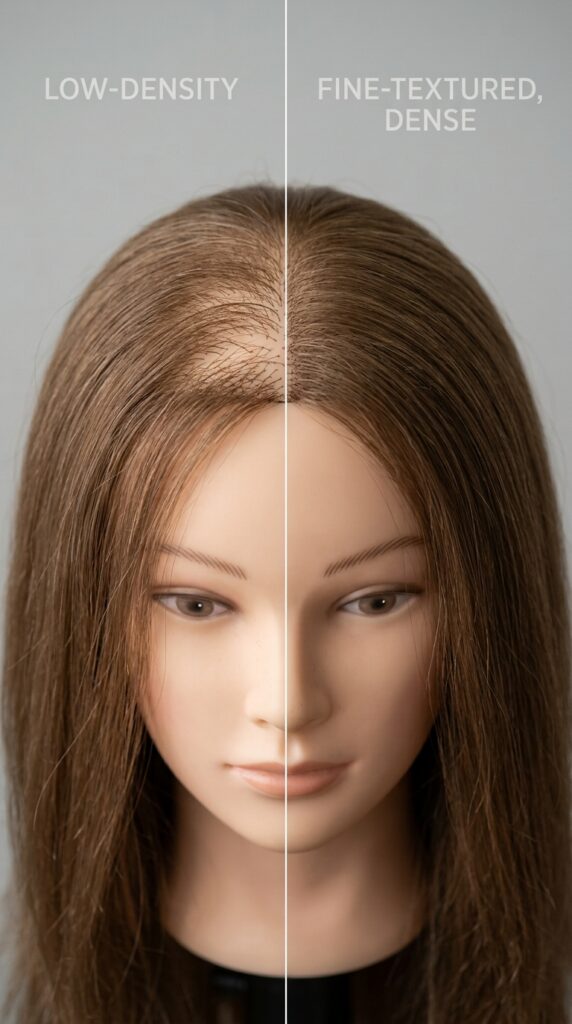
| Low density | Fewer hair follicles per square inch of scalp | Your scalp is visible even when hair is dry and unstyled |
| Fine texture | Each individual strand has a small diameter | A single strand is hard to feel between your fingers, even if you have a lot of them |
| Hair shedding/loss | You’re losing more strands than normal (50–100/day is typical) | You notice clumps in the shower, brush, or pillow, or thinning is new and progressing |
Density and texture are usually genetic and relatively stable. Shedding, on the other hand, is often temporary and tied to a specific trigger — which means it can often be reversed once the trigger is addressed.
Knowing which category you’re in changes your approach: someone with naturally fine, low-density hair needs a styling and maintenance strategy. Someone experiencing active shedding needs to investigate the cause first.
Why Hair Thins: The Real Causes
Several distinct mechanisms can reduce hair density, and they’re not mutually exclusive:
- Androgenetic alopecia (pattern thinning): The most common cause in both men and women, driven by genetics and hormone sensitivity. It progresses gradually, usually starting at the part line or temples.
- Telogen effluvium: A stress response that pushes large numbers of follicles into the shedding phase at once, typically 2–3 months after a triggering event (illness, surgery, major stress, crash dieting, childbirth).
- Hormonal changes: Postpartum shifts, perimenopause, menopause, and thyroid disorders all affect the hair growth cycle.
- Nutritional deficiencies: Low iron, low protein intake, or restrictive dieting can starve follicles of what they need to build keratin.
- Mechanical and chemical damage: Tight hairstyles, heat styling, and harsh chemical treatments can cause traction alopecia or breakage that mimics thinning.
- Medications: Certain drugs, including some blood pressure medications, antidepressants, and retinoids, list hair shedding as a side effect.
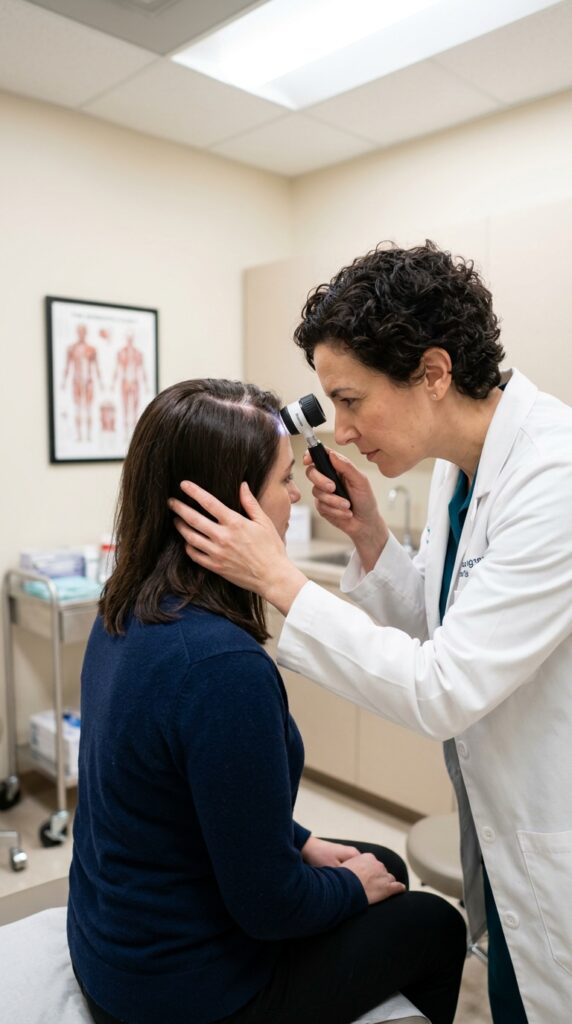
If your thinning is sudden, patchy, or accompanied by scalp pain, itching, or redness, that’s a signal to see a dermatologist rather than troubleshoot with products alone — more on that later.
Building a Wash Routine That Protects Density
Thin hair shows oil and product buildup faster because there’s less surface area of hair to spread it across, which can tempt people into over-washing or under-washing. Neither extreme helps.
How often to wash: Every day or every other day is fine for most people with thin hair — there’s no evidence that washing less makes hair grow faster or thicker. What matters more is technique and product choice.
What to look for in a shampoo:
- Sulfate-free or gentle-surfactant formulas that clean without stripping
- Lightweight volumizing ingredients like panthenol, biotin, rice protein, or hydrolyzed keratin
- Avoid heavy conditioning shampoos labeled “moisture” or “repair” unless your scalp is genuinely dry — they tend to weigh thin hair down
Washing technique:
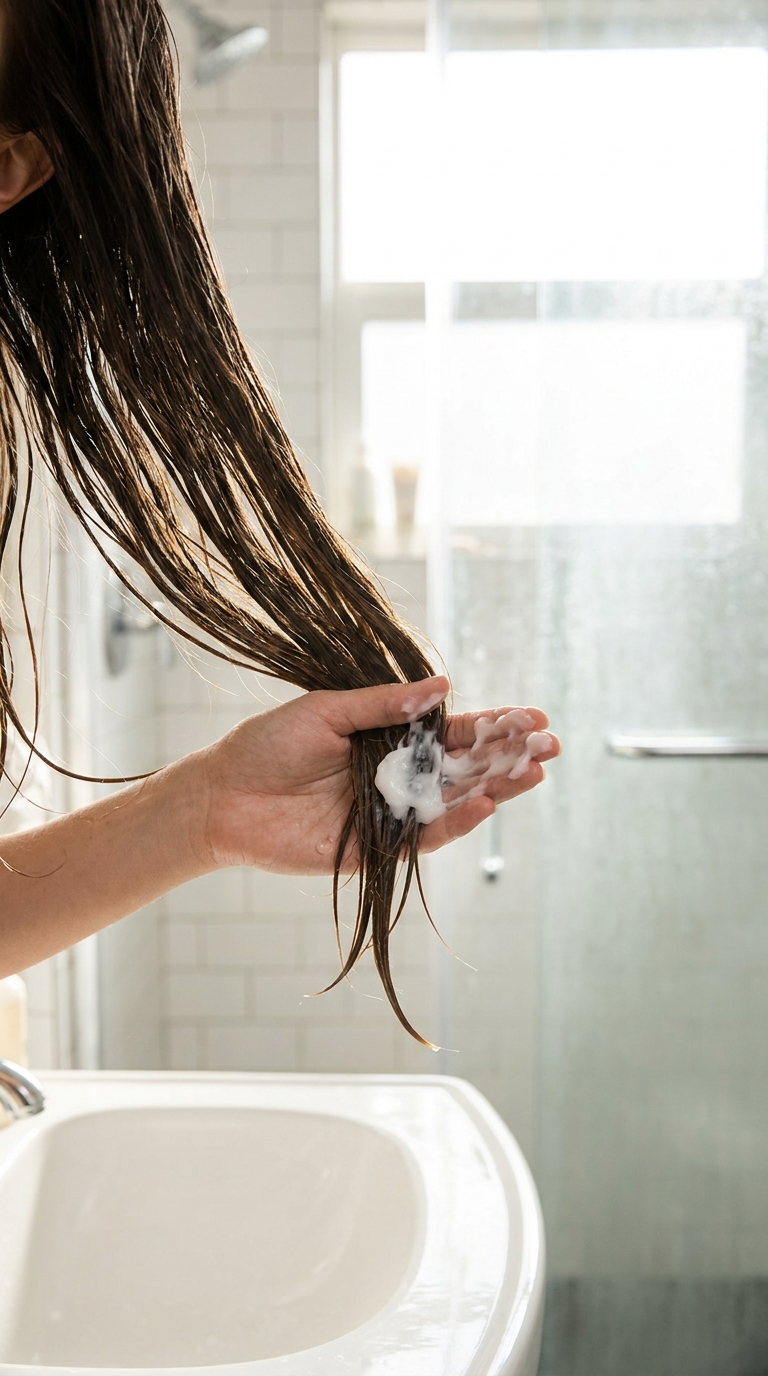
- Focus shampoo on the scalp, not the lengths. Use fingertips (never nails) in small circular motions.
- Let the lather rinse down and cleanse the lengths as it flows — don’t scrub the ends separately.
- Rinse thoroughly. Leftover residue is one of the most common, least suspected causes of flat-looking hair.
Conditioning without sacrificing volume: Apply conditioner from mid-length to ends only. If it touches the scalp, it can coat roots and cause strands to clump together, which visually reduces density. A lightweight, water-based conditioner works better here than a rich, silicone-heavy one.
Drying Technique: Where a Lot of Damage Happens Unnoticed
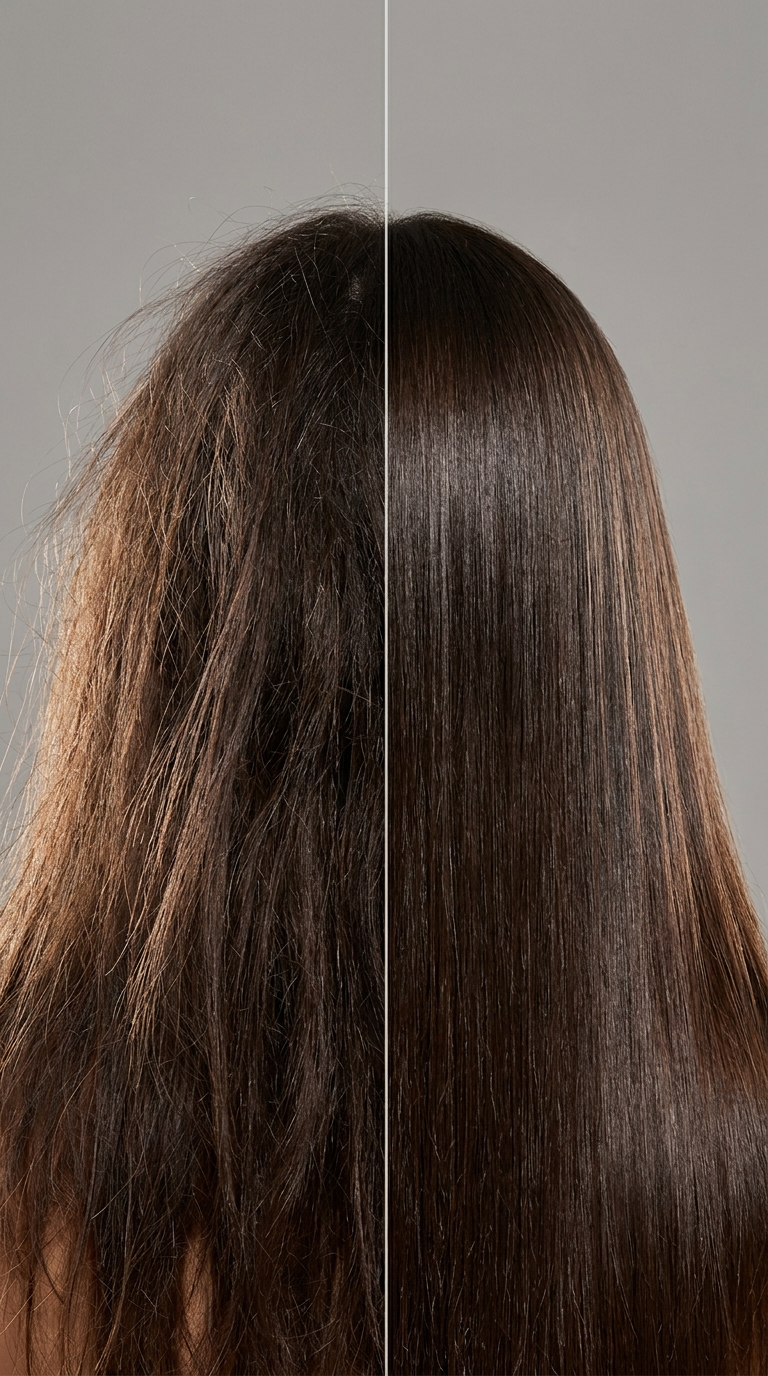
Wet hair is at its weakest point — the internal structure is temporarily softened, and thin strands have less reinforcement to resist stretching and snapping.
Towel step: Skip rough terry towels, which create friction and roughen the cuticle. A microfiber towel or soft cotton t-shirt, used to blot (not rub), causes far less mechanical stress.
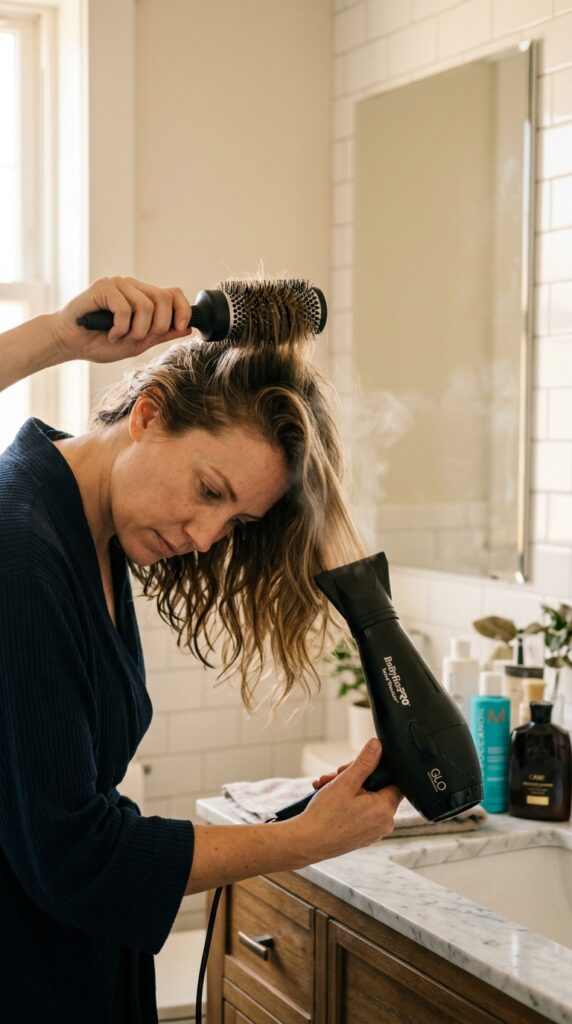
Blow-drying for volume, done correctly:
- Apply a heat protectant spray to damp hair before any heat tool touches it.
- Work a lightweight, alcohol-light volumizing mousse into the roots.
- Flip your head forward or to the side so roots lift away from the scalp as they dry.
- Use a nozzle attachment, aim airflow down the hair shaft (root to tip) to smooth the cuticle, and keep the dryer moving constantly.
- Stop around 90% dryness rather than bone-dry — this preserves moisture in the cortex and reduces cumulative heat damage.
If you skip heat entirely, air-drying tends to leave fine or thin hair sitting flat against the scalp. A quick root-lift with a diffuser on low heat is a reasonable middle ground if you want to minimize direct heat exposure.
Detangling and Brushing Without Losing Strands
Every strand pulled out during brushing is one you didn’t need to lose. The rule that matters most: always detangle from the ends upward, in small sections, never starting at the root.
- On wet hair, use a wide-tooth comb — wet hair has the least elasticity and snaps easily under tension from a brush.
- On dry hair, a boar-bristle brush distributes natural scalp oils along the length, which adds a light, natural sheen without extra product.
- Brush to remove tangles and style, not as a “stimulation” ritual. There’s no strong evidence that excessive brushing improves growth, and it does increase breakage risk.
The Haircut Factor: Why Shape Changes Perceived Fullness
A cut can visually change how full hair looks more than almost any product can.
What tends to work well:
- A blunt, one-length perimeter (bob or lob length) creates a dense visual edge, since all the ends land at roughly the same line instead of trailing off unevenly.
- Subtle internal layering (not heavily texturized) can add movement without sacrificing that solid edge.
- Shoulder-to-collarbone lengths are often more flattering for thin hair than very long styles, since long hair’s own weight pulls strands flat and makes ends look sparse.
What tends to work against you:
- Heavily razored or point-cut ends, which thin out already-thin strands further
- Very long layers stacked on top of each other, creating wispy, see-through tips
- Extremely long overall length, which drags hair down and exaggerates gaps
A trim every 6–8 weeks keeps split ends from traveling up the shaft, where they eventually cause breakage higher up the strand — which is a slower but very real contributor to thinning ends over time.
Styling for Volume: Products and Techniques
Thin hair generally responds best to texture and grip rather than shine and slip, since slip is what makes strands fall flat.
| Product Type | What It Does | How to Use It |
|---|---|---|
| Volumizing root spray/mousse | Coats strands to add grip and lift | Apply to roots on damp hair before blow-drying |
| Dry shampoo / texturizing powder | Absorbs oil, adds grip, blurs the part line | Dust at the roots on dry hair |
| Texture spray | Adds “grit” for hold without stiffness | Spray on mid-lengths before or after styling |
| Lightweight sea salt spray | Adds wave and separation | Scrunch into damp hair, air-dry or diffuse |
| Argan or jojoba oil (small amount) | Tames flyaways, adds shine | Apply to ends only, never near the scalp |
Avoid: heavy creams, thick pomades, shea/cocoa butters, and rich serums applied near the roots. These products are designed to add weight and control frizz on thicker or coarser hair — on thin hair, that same weight collapses volume almost immediately.
A quick styling trick worth trying: loose waves add width without adding weight. Use a 1–1.25 inch curling iron on a low-to-medium heat setting, take one pass per section, and alternate the direction of the curl. Brush out gently once cool for soft, voluminous waves rather than tight ringlets.
Scalp Care: The Part Most Routines Skip
Hair grows out of the scalp, so scalp condition directly affects strand quality. This step gets skipped constantly, which is a missed opportunity.
- Exfoliate weekly. A gentle scalp scrub (sugar, salt, or salicylic acid–based) clears dead skin cells and product buildup that can clog follicles and weaken new growth.
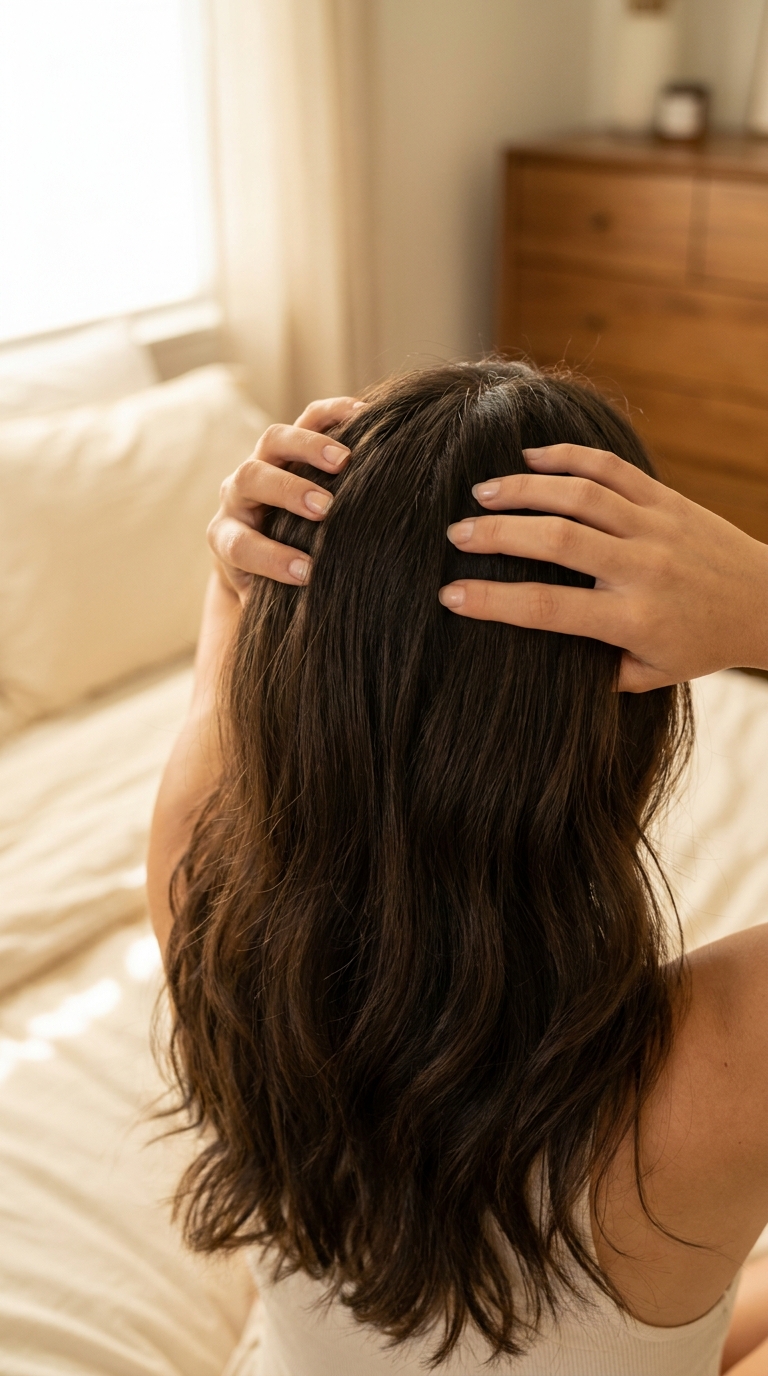
- Massage regularly. Two to five minutes of firm fingertip circles increases blood flow to the scalp. Some small studies suggest consistent scalp massage may support hair thickness over months of daily practice — it’s not a dramatic fix, but it’s free, low-risk, and genuinely relaxing.
- Watch for red flags. Flaking, persistent itching, redness, or tenderness point toward a scalp condition (like seborrheic dermatitis or psoriasis) that needs targeted treatment, not just a volumizing shampoo.
Nutrition: Feeding Follicles From the Inside
Hair is one of the last tissues your body prioritizes when nutrients run low, which is why crash diets and restrictive eating show up in hair health within weeks to months.
Key nutrients to prioritize:
- Protein — eggs, poultry, fish, legumes, tofu. Hair is largely made of keratin, a protein; chronic low intake shows up as weaker, thinner strands.
- Iron — red meat, spinach, lentils, fortified cereals. Low iron (even without full-blown anemia) is one of the most common, correctable causes of diffuse thinning, especially in menstruating women.
- Zinc — pumpkin seeds, chickpeas, shellfish, supports tissue repair and follicle function.
- Omega-3 fatty acids — salmon, walnuts, flaxseed, help reduce scalp inflammation and support shine.
- Vitamin D and B vitamins — deficiencies in either have been linked to hair shedding.
On supplements: Biotin is heavily marketed for hair growth, but it only meaningfully helps people who are actually biotin-deficient, which is uncommon in people eating a varied diet. If you suspect a deficiency, a blood test (particularly for iron/ferritin, vitamin D, and thyroid function) is far more useful than guessing with supplements. Talk to a doctor before starting any supplement regimen, especially at high doses.
Daily Habits That Quietly Cause Damage
Small repeated stresses add up faster than most people realize.
- Tight hairstyles. Slicked-back ponytails, tight buns, and heavy braided extensions pull on the follicle repeatedly, which can cause traction alopecia — a form of hair loss that becomes permanent if the pulling continues long-term.
- The same part every day. Repeatedly parting hair in the same spot exposes that strip of scalp to more sun, friction, and styling stress, and it can visibly widen over time. Switching your part periodically spreads out the wear.
- Rough sleep friction. Cotton pillowcases create friction that roughens the hair cuticle overnight. A silk or satin pillowcase (or a loose silk/satin bonnet) significantly reduces this.
- Elastic hair ties. Standard elastics grip and snag hair. Silk scrunchies or spring-loaded claw clips hold hair with far less breakage.
- UV exposure. Sun exposure degrades the protein structure of hair over time, making it more brittle. A hat or a leave-in UV-protectant spray helps, especially for color-treated hair.
- Chemical overload. Frequent bleaching, perming, or relaxing weakens the hair shaft. If you color-treat thin hair, ask your stylist about lower-damage techniques like balayage (which avoids full-scalp bleach application) or gloss treatments instead of permanent color.
Common Mistakes That Make Thin Hair Look Thinner
Even well-intentioned routines can backfire. Watch for these:
- Over-conditioning the roots — this is one of the single biggest causes of “flat hair” complaints.
- Skipping heat protectant to save time, then styling with heat anyway — this accelerates long-term strand weakening.
- Choosing “moisturizing” or “repair” product lines by default instead of checking whether the formula is actually lightweight.
- Brushing hair aggressively when wet, which is when strands are most prone to snapping.
- Keeping hair very long because it feels safer, when a shorter, blunt cut would create more visual density.
- Chasing a new product every few weeks instead of giving a routine 8–12 weeks (roughly one full growth-cycle observation window) to show results.
When to See a Doctor or Dermatologist
Most day-to-day thinning responds well to the routine above. But certain signs warrant a professional evaluation rather than more products:
- Sudden, rapid shedding over a few weeks
- Patchy hair loss, especially in circular or well-defined patches
- Scalp pain, burning, itching, or visible inflammation
- Thinning that started shortly after a new medication, illness, surgery, or major weight change
- Family history of significant pattern hair loss combined with early, fast progression
A dermatologist can check ferritin, thyroid function, and hormone levels, and can discuss evidence-backed treatments like minoxidil, which is currently the most well-studied over-the-counter option for slowing pattern thinning and supporting regrowth in some users.
A Sample Weekly Routine for Thin Hair
Wash days (2–4x per week)
- Scalp-focused shampoo, conditioner from mid-lengths down only
- Root-lift spray on damp hair, blow-dry upside down or forward on medium heat
- Dry shampoo touch-up at the part on off days
Every evening
- Gentle brush-through with a boar-bristle brush
- Loose braid or silk scrunchie ponytail before bed on a silk pillowcase
Weekly
- Scalp exfoliation
- Scalp massage, 3–5 minutes, several times through the week
Every 6–8 weeks
- Trim to maintain a blunt, dense-looking edge
Final Thoughts
There’s no single trick that reverses genetics, but there’s a lot of room between “thin hair” and “hair that looks thin.” Gentle handling, the right cut, lightweight products used in the right places, and a diet that actually supports growth can make a visible difference within a couple of months. If thinning is new, rapid, or paired with other symptoms, treat that as a signal to get checked rather than a styling problem — the sooner an underlying cause is identified, the more options you have.
Frequently Asked Questions
Does thin hair mean I’m going bald?
Not necessarily. Thin hair often describes density or strand width you were born with, which is different from active hair loss. If you’re seeing new, progressive shedding or widening patches, that’s worth having evaluated, but naturally low-density hair on its own isn’t a sign of balding.
Can washing my hair less often make it thicker?
No — washing frequency doesn’t affect the number of follicles or how thick each strand grows. What it does affect is how oily and flat hair looks day to day, and for thin hair, more frequent gentle washing with the right products usually looks better than stretching out wash days.
Do volumizing shampoos actually work?
They can help temporarily by coating the hair shaft and slightly swelling the cuticle, which makes each strand feel and look a bit thicker. This is a cosmetic effect, not a change in actual density, but combined with the right cut and styling, it adds up to a noticeably fuller look.
Is it safe to use scalp massage tools?
Yes, for most people. Silicone scalp massagers or soft-bristle brushes used gently are low-risk and can be a relaxing addition to a wash routine. Avoid pressing hard enough to cause pain or scratching with fingernails.
How long before I see results from a new thin-hair routine?
Give any new routine at least 8–12 weeks before judging results. Hair grows in cycles, and cosmetic changes (like a new cut or styling technique) show up faster than changes from nutrition or scalp care, which take a full growth cycle to become visible.